
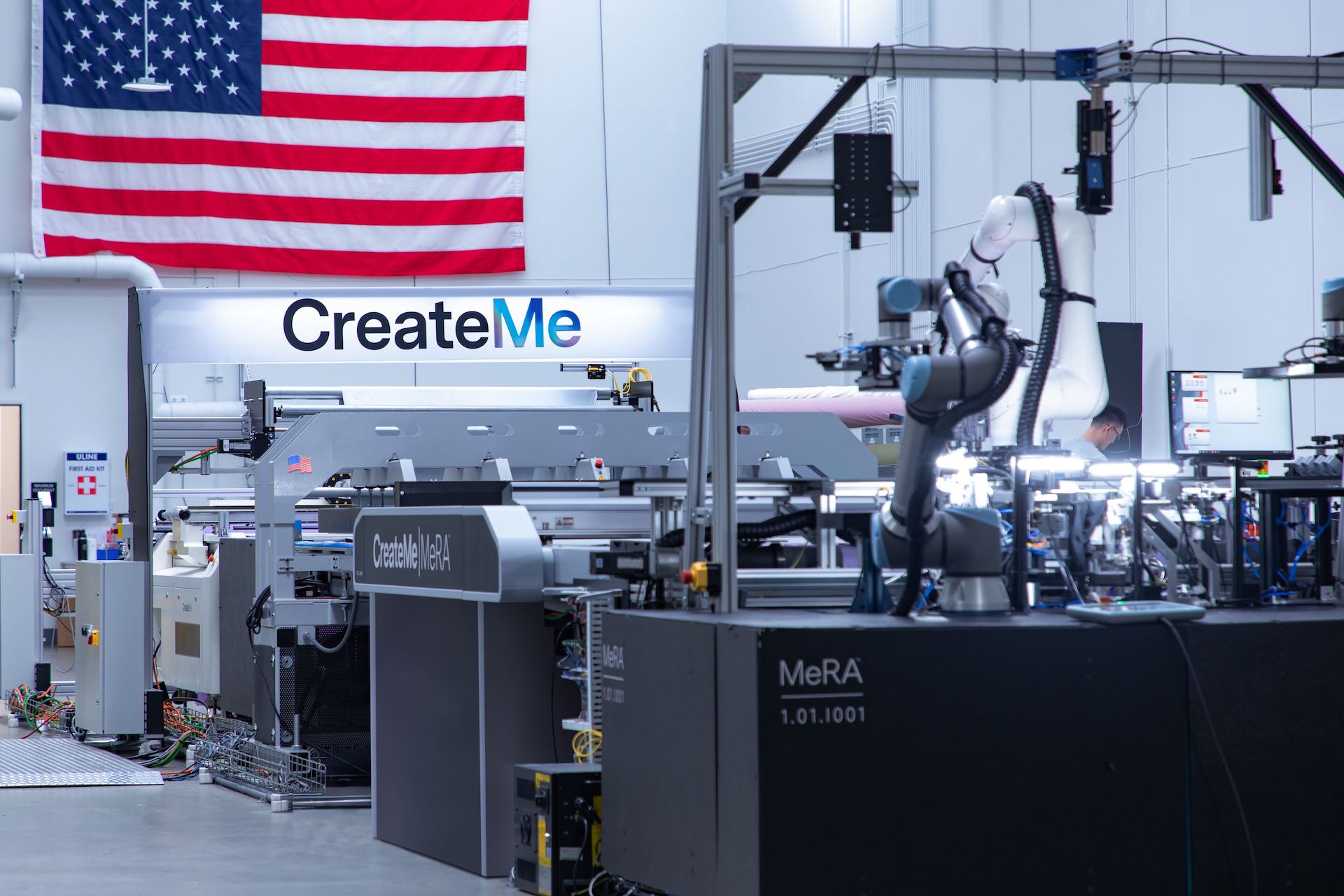
CreateMe, in partnership with Avalo AI and Laguna Fabrics, launched Seed to System, a first-of-its-kind infrastructure connecting fragments of the apparel supply chain into one end-to-end U.S.-based system: from Texas cotton fields to California factory floors. Hear about this innovative initiative from CreateMe CEO Cam Myers. Read More
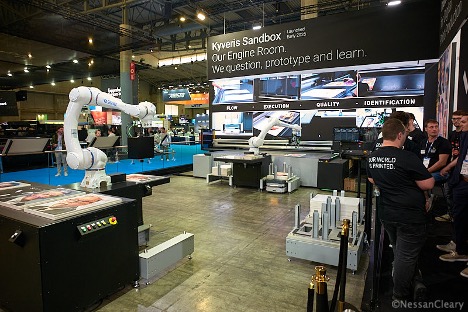
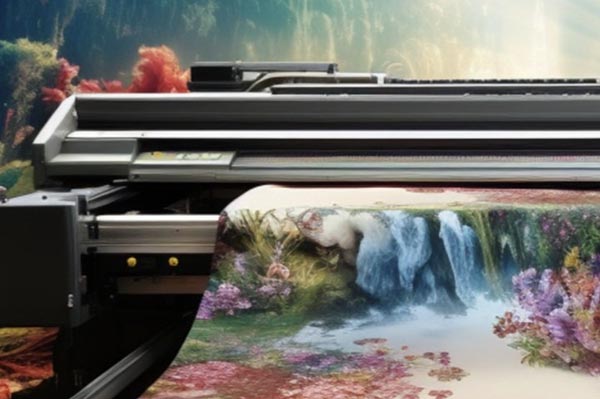
In this article from the Printing & Manufacturing Journal, Nessan Cleary reports from FESPA on Durst’s recent activities surrounding automation, and a dedication to the textile printing market. Read More
CreateMe, in partnership with Avalo AI and Laguna Fabrics, launched Seed to System, a first-of-its-kind infrastructure connecting fragments of the apparel supply chain into one end-to-end U.S.-based system: from Texas cotton fields to California factory floors. Hear about this innovative initiative from CreateMe CEO Cam Myers. Read More
In this article from the Printing & Manufacturing Journal, Nessan Cleary reports from FESPA on Durst’s recent activities surrounding automation, and a dedication to the textile printing market. Read More
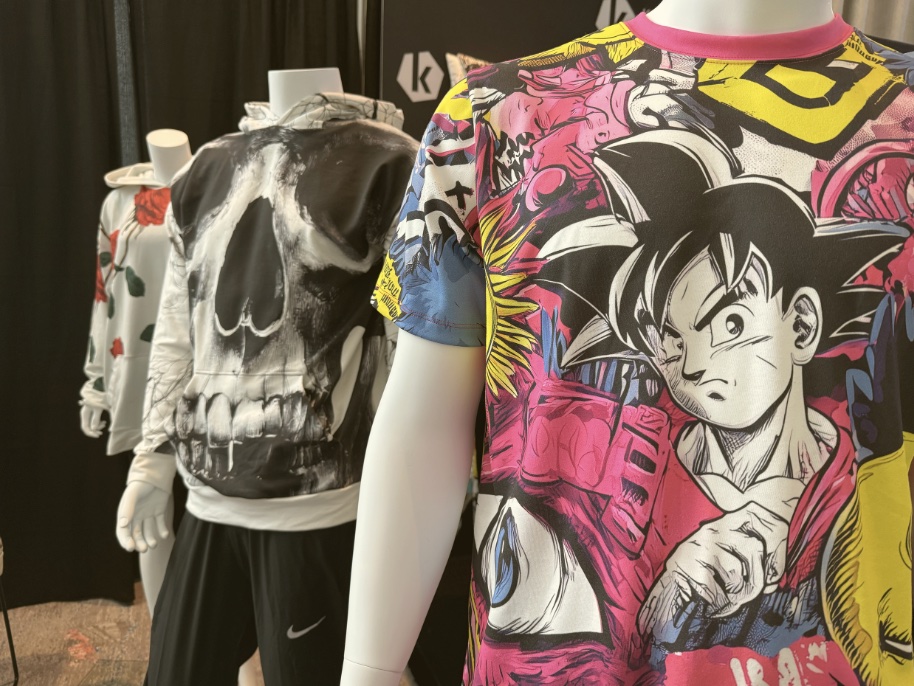
The textile market’s demand for agility, sustainability, and personalized merchandise at any volume, is forcing manufacturers to rethink their entire production lines. Digital technology offers the fundamental operating system for efficient, profitable production. In this article, textiles expert and WhatTheyThink contributor Debbie McKeegan reports on what industry leaders had to say about this at the recent Kornit Konnections 2026 in Hollywood, Fla. Read More
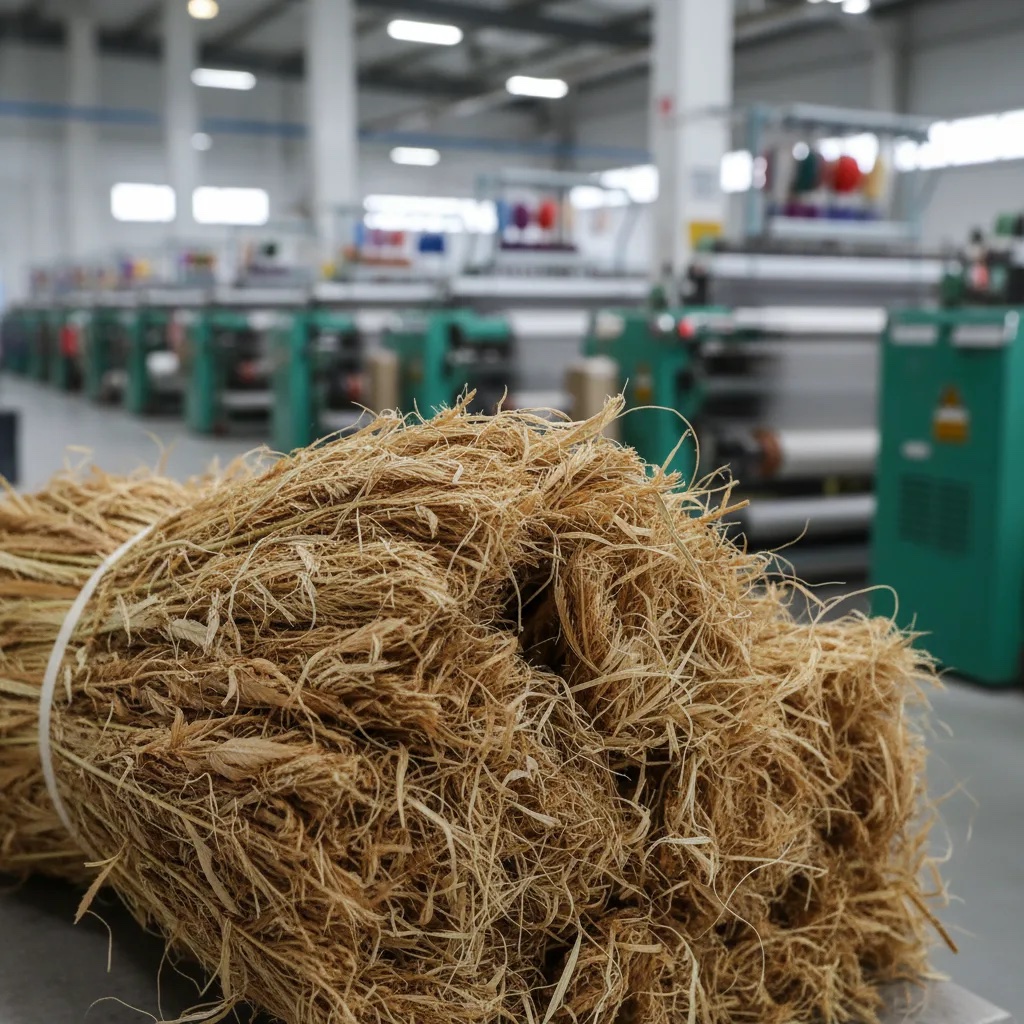
While the U.S. domestic textile industry is struggling to grow, the U.S. farming industry could play an important role in making textiles more sustainable with arrangements such as the recently announced deal for Panda Biotech to provide U.S. grown hemp fibers to the Indian textile market. Read More
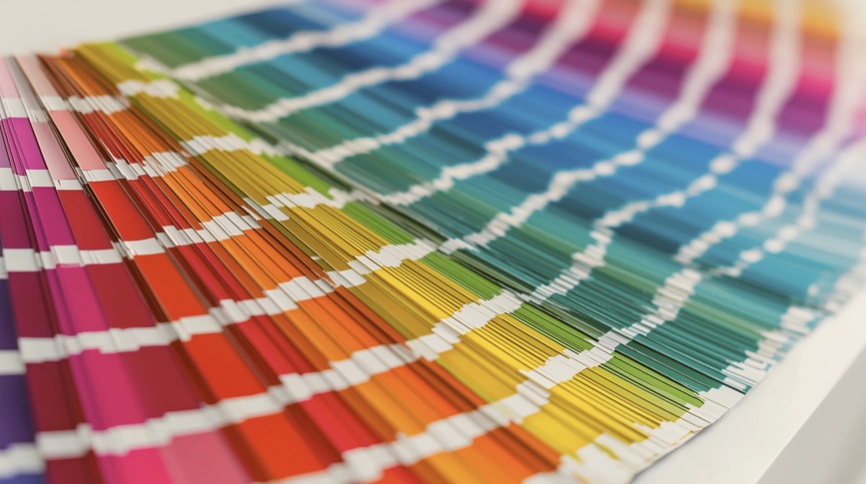
In this article, compliments of textiles expert and WhatTheyThink contributor Debbie McKeegan, graphic arts expert Lou Prestia outlines how viewing printed output, whether on paper, textiles, or other media, under the correct lighting can make a difference between customer acceptance and rejection, streamlining production times and reducing waste. Read More

So supposedly, a goal of U.S. tariffs on products imported from other countries, including textiles, apparel, and footwear, was to incentivize bringing manufacturing back to the States. Of course, setting up a new factory takes time and money; it doesn’t happen overnight. But it seems that producers had other ideas…the results may surprise you. Read More

Nothing better demonstrates the turmoil the textiles and apparel industry is going through than two news items I received in my inbox, basically back to back, stating that the U.S. is holding its own while Europe is losing steam. What else is going on in the industry today? We dive into that here. Read More
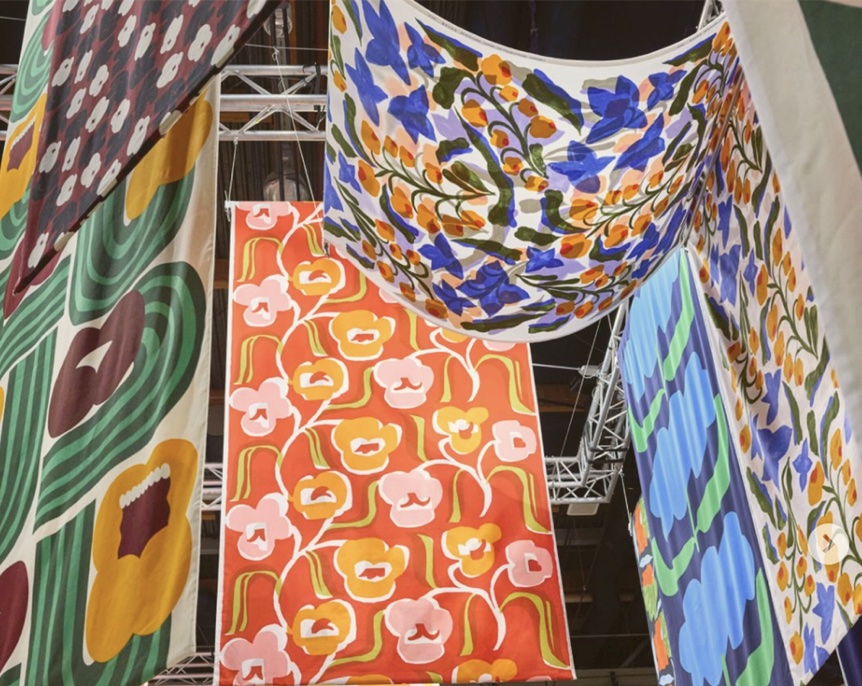
How does a fashion brand founded in 1951 leverage its legacy as a springboard for growth, innovation, and responsible production, without ever diluting what makes it? This great story, compliments of textiles expert and WhatTheyThink contributor Debbie McKeegan, is worth a read! Read More
A recent article in Apparel DECODED caught Cary Sherburne's attention. It notes that the second-hand apparel market is growing, and highlighted Vinted as an example. In this article, she takes a look at the market, recent changes, and projections for growth among key players. Read More

About a year ago, we provided an update on Digital Product Passports. While the news on this topic has been somewhat quiet, a recent article published by GlobalData caught my eye—the launch of the world’s first China-EU Digital Product Passport (DPP) for a textile product! Read More

According to textiles expert and WhatTheyThink contributor Debbie McKeegan, we are currently witnessing the single greatest shift in information retrieval since the invention of the search engine. The internet, once a library of blue links, is rapidly transforming into an oracle of direct answers. The challenge now is not how to use AI to do more—but to use AI to matter more. Read More

The Graphene Council, now renamed as The Advanced Carbons Council, has been a key source of information about graphene, often called a miracle material. As graphene, which was discovered in 2004, has matured and is less of a niche material, this expansion of the group’s focus signified by its renaming creates a unique entity, as explained by its Executive Director, Terrance Barkan, in this interview. Read More
The water footprint of a single pair of jeans is surprisingly high, primarily because of the "thirsty" nature of cotton and the intensive chemical washes required to get that classic denim look. Plus cotton growing requires a lot of pesticides and herbicides. Is hemp a possible cotton replacement? Fashion for Good believes so. Read More

Focus on textile recycling has increased around the globe. More than 80% of clothing waste is discarded in landfills. Reju, a leader in textile recycling, is opening a plant in Rochester, N.Y. Is this the start of scaling up textile recycling in North America, which has lagged behind Europe and other parts of the world? Read More
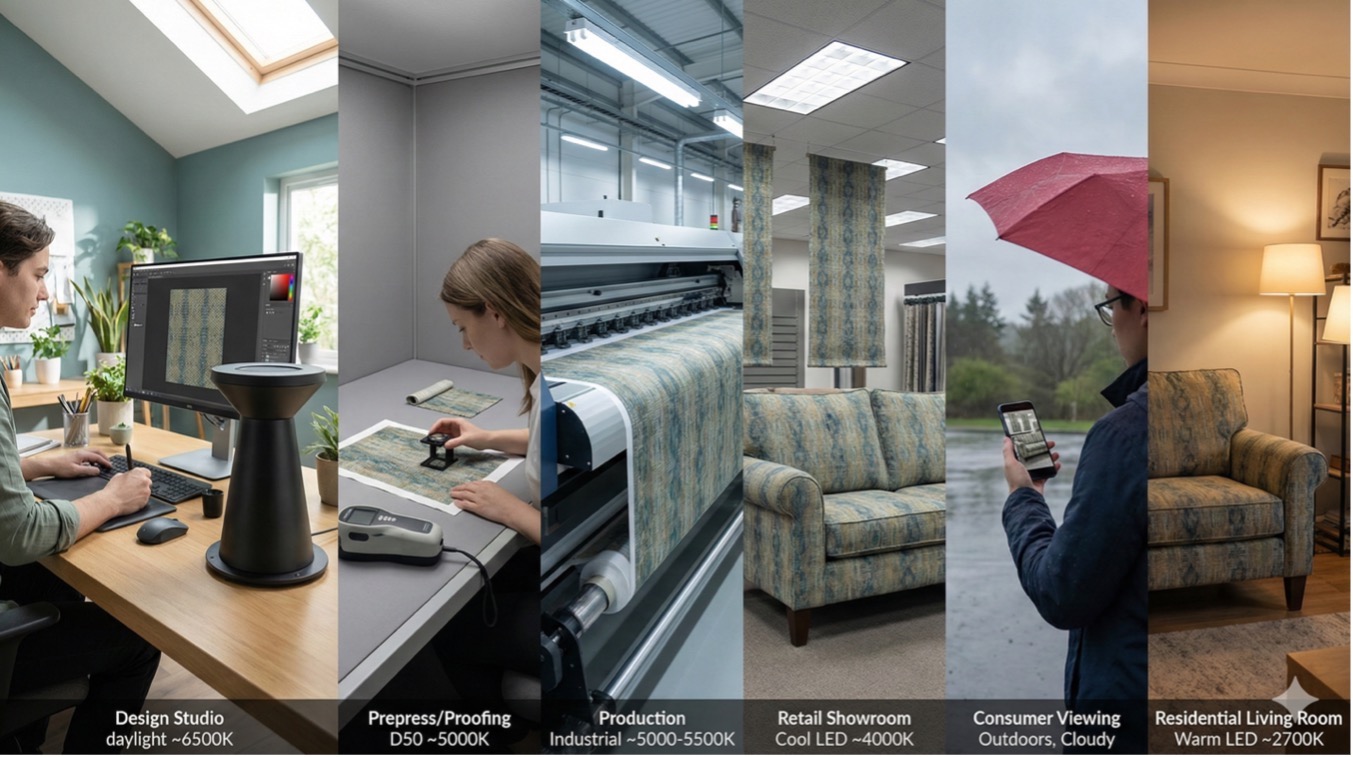
Upstream file problems, standards-based appearance governance, and what can go wrong between design and installation across materials, processes, sites, and seasons. Read More

We’ve been following the progress of wearables since beginning our formal coverage of textiles and apparel in 2018, and it is amazing the progress that is being made. This article highlights two examples that demonstrate that progress. Read More

Have you ever wondered if your interior is toxic? The industry is known for its use of toxic chemicals, unfortunately. Perhaps there's a way to create healthier homes while eliminating toxic chemicals from interior design. This article, provided compliments of Texintel CEO Debbie McKeegan tackles that possibility. Read More
Can the fashion industry make the move from disposable to durable, reducing volumes but maintaining profitability? A recent Sourcing Journal fireside chat made the case that it is not only possible, but necessary. Read More

One of the issues holding back further development of direct-to-film (DtF) textile printing is that current solutions rely on applying a powder on top of the still wet ink. In this article from the Printing & Manufacturing Journal, Nessan Cleary explains how vendors are working on powderless solutions—with Matsui ahead of the pack at this stage. Read More
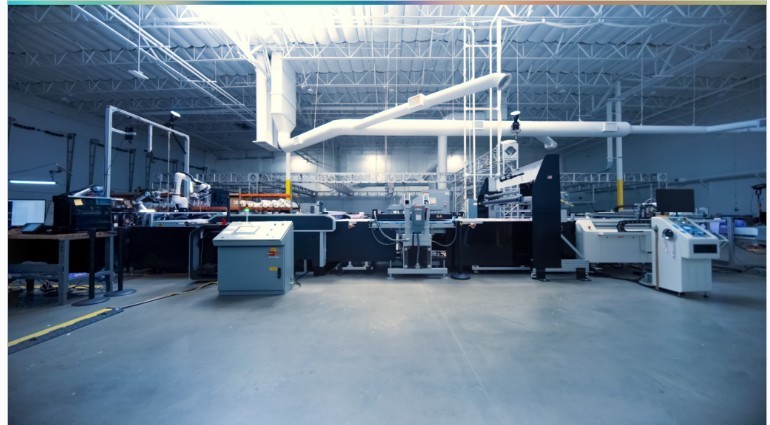
Efforts to return apparel manufacturing back to the U.S. at scale has been stymied by the lack of sewing talent at scale. CreateMe’s Founder and CEO Cam Myers explains how bonding technology—using adhesives—can replace thread for some garment applications. This could be a game-changer for reshoring. Read More
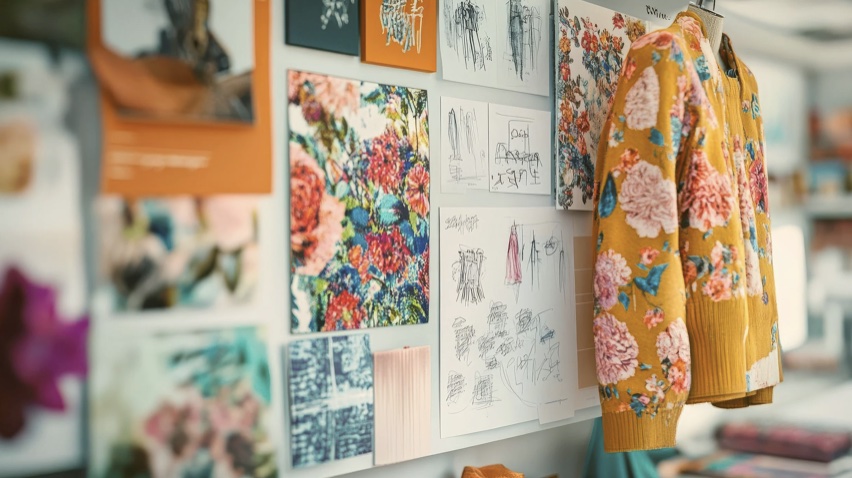
In a recent masterclass hosted by The Fashion Network, leading experts discussed the critical changes required in fashion-related supply chains, noting that in a post-pandemic world, it’s no longer a question of if your supply chain will face disruption, but when, Provided compliments of Debbie McKeegan, CEO of Texintel, the discussion provides actionable strategies to future proof operations. Read More
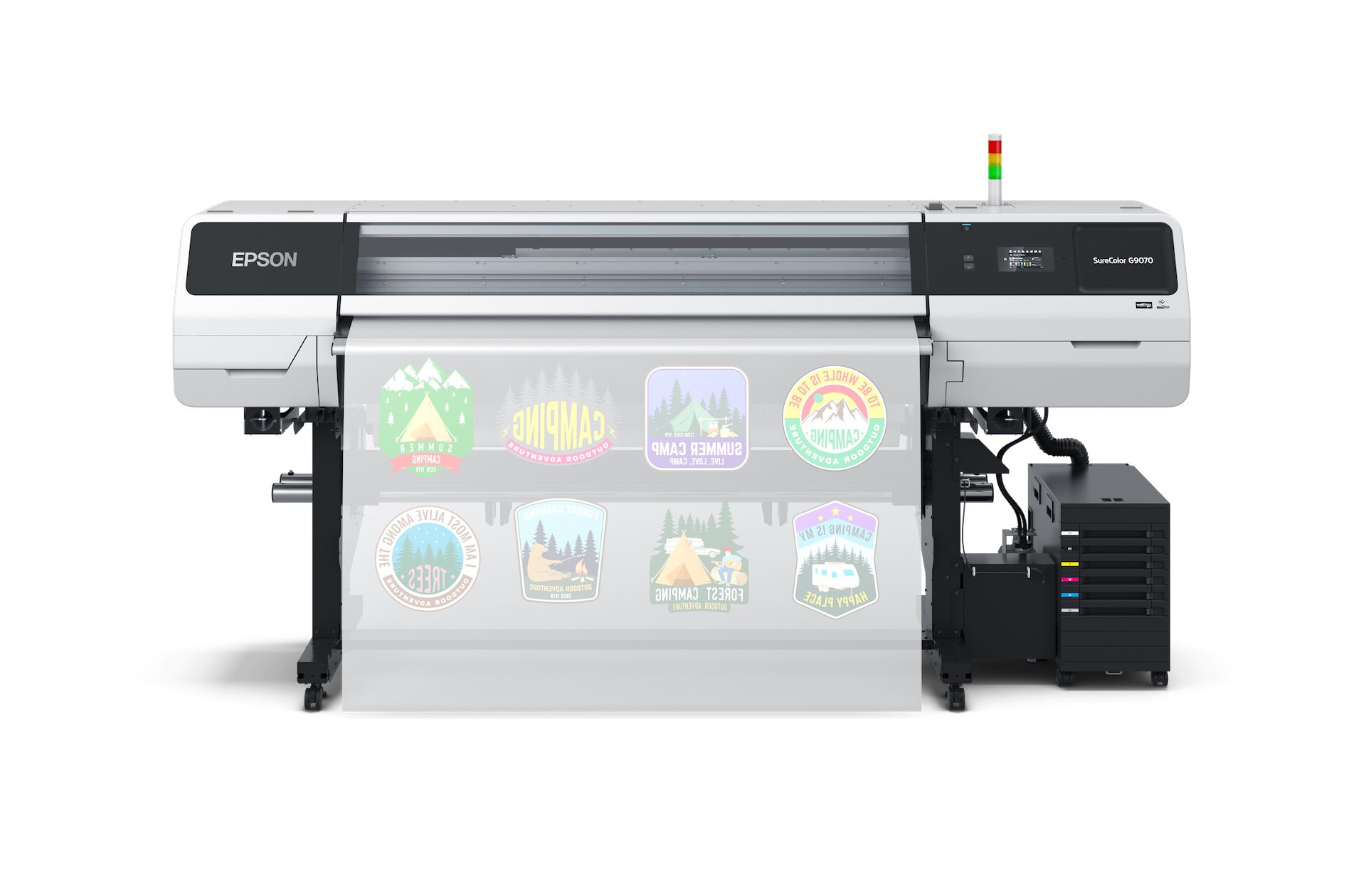
At the Impressions Expo in Long Beach CA, Epson announced an addition to its G-Series family of Direct-to-Film printers, the SureColor® G9070. WhatTheyThink spoke with product manager Paul Morales to get all the details. Read More
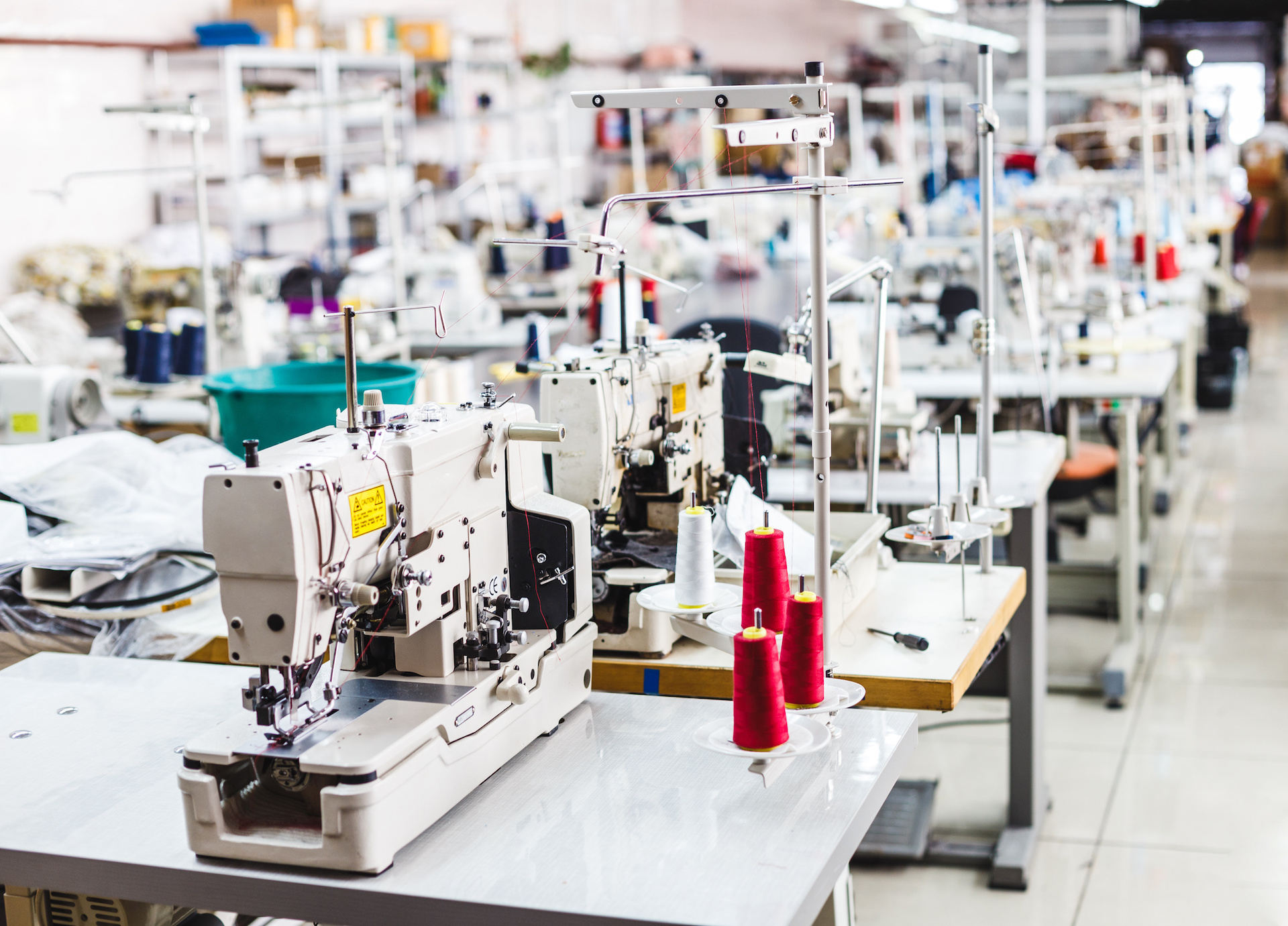
As the apparel manufacturing industry left the United States in the 70s and 80s in search of cheaper labor, it left the sewing talent we had in search of new careers, or moving on to retirement. Now we are trying to reclaim that talent pool in order to bring at least some of that manufacturing back here. Michael McDonald, President of SPESA, shares his thoughts on this challenge from the perspective of the suppliers to the industry. Read More
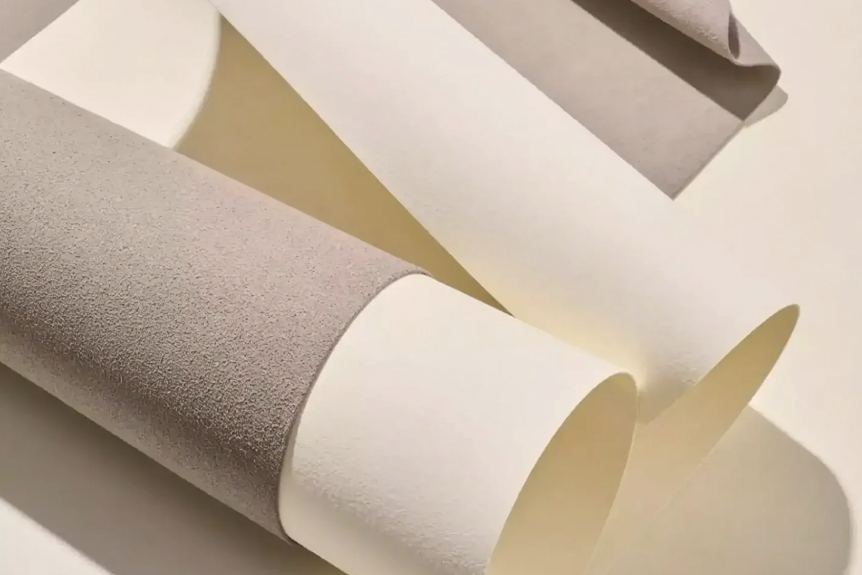
David Williamson of Modern Meadow provides insight on an important topic in this article, provided compliments of Debbie McKeegan, CEO of Texintel. While the textile and apparel industry has traditionally had a heavy reliance on traditional materials like polyester and cotton, these fibers come with a significant environmental cost. He discusses how bio-based fibers could mitigate these problems. Read More
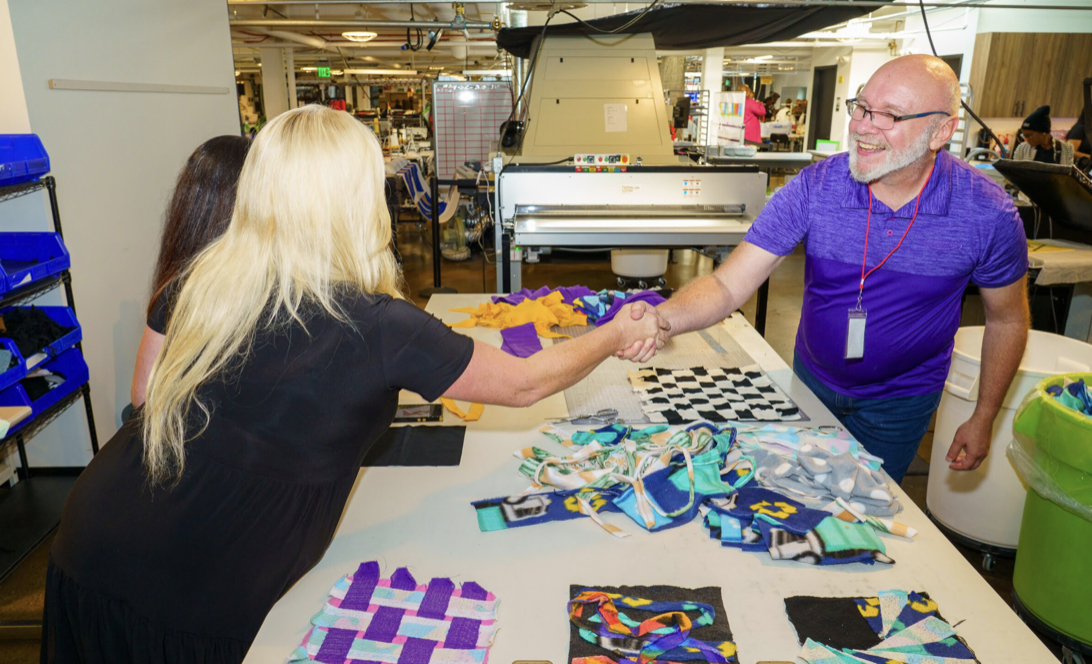
In what world does it make sense to send 30% of the products you produce directly to the landfill? I think most readers would agree that it doesn’t, but that’s exactly what’s happening in apparel—not only in the U.S., but around the globe. What’s the solution for the industry? Jennifer Guarino, President and CEO of the Industrial Sewing and Innovation Center (ISAIC), has some strong opinions! Read More

In this article penned by Shivam Gusain, founder at Decypher, he asks a good question: Is the fashion ecosystem really making significant environmental progress? What work has been done and what has not, the simplest and most important question which almost no one asks. The article is provided compliments of WhatTheyThink contributor Debbie McKeegan, CEO of Texintel. Read More
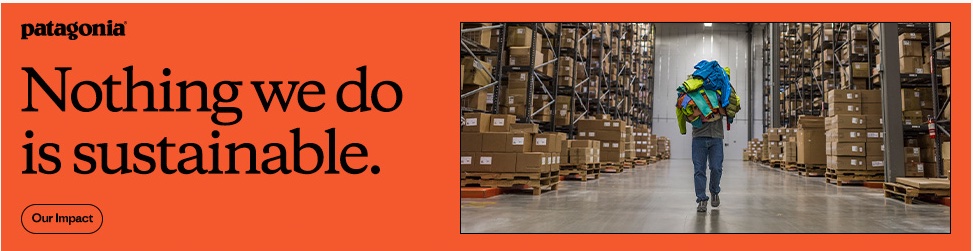
Patagonia published its first-ever sustainability report! Yes, the poster child for corporate sustainability has never published one before, and could be a playbook for others to follow. We’ll also discuss new developments that might bring true sustainability within reach for other corporations. Read More
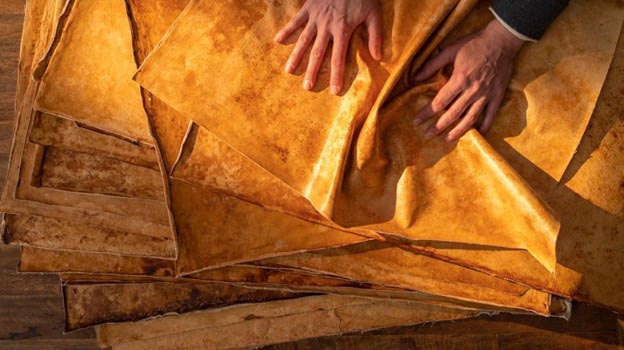
No, not that kind of magic! Rather, this article is about mushrooms as a magical replacement for traditional leather—more sustainable, and more flexible in terms of products and decoration. It’s been a while since we’ve written about this, and now for a significant update… Read More

Or maybe, Size Really Does Matter! The apparel industry is fragmented in many ways, not the least of which is sizing. Inconsistent sizing of apparel accounts for almost 20% of returned items, equating to $890 billion in costs to brands and retailers. In this article, textiles expert and WhatTheyThink contributor Debbie McKeegan explains the staggering cost of a poor fit and suggests what might be done about it. Read More

Due to the prevalence of fast fashion, many articles of clothing are mass produced but soon end up in landfills or incinerators. Fortunately, some of today’s brands are experimenting with more environmentally friendly practices. This article discusses the sustainability challenges that persist in the fashion industry and explores how modern printing and scanning techniques may help lead us to a more eco-friendly future. Read More
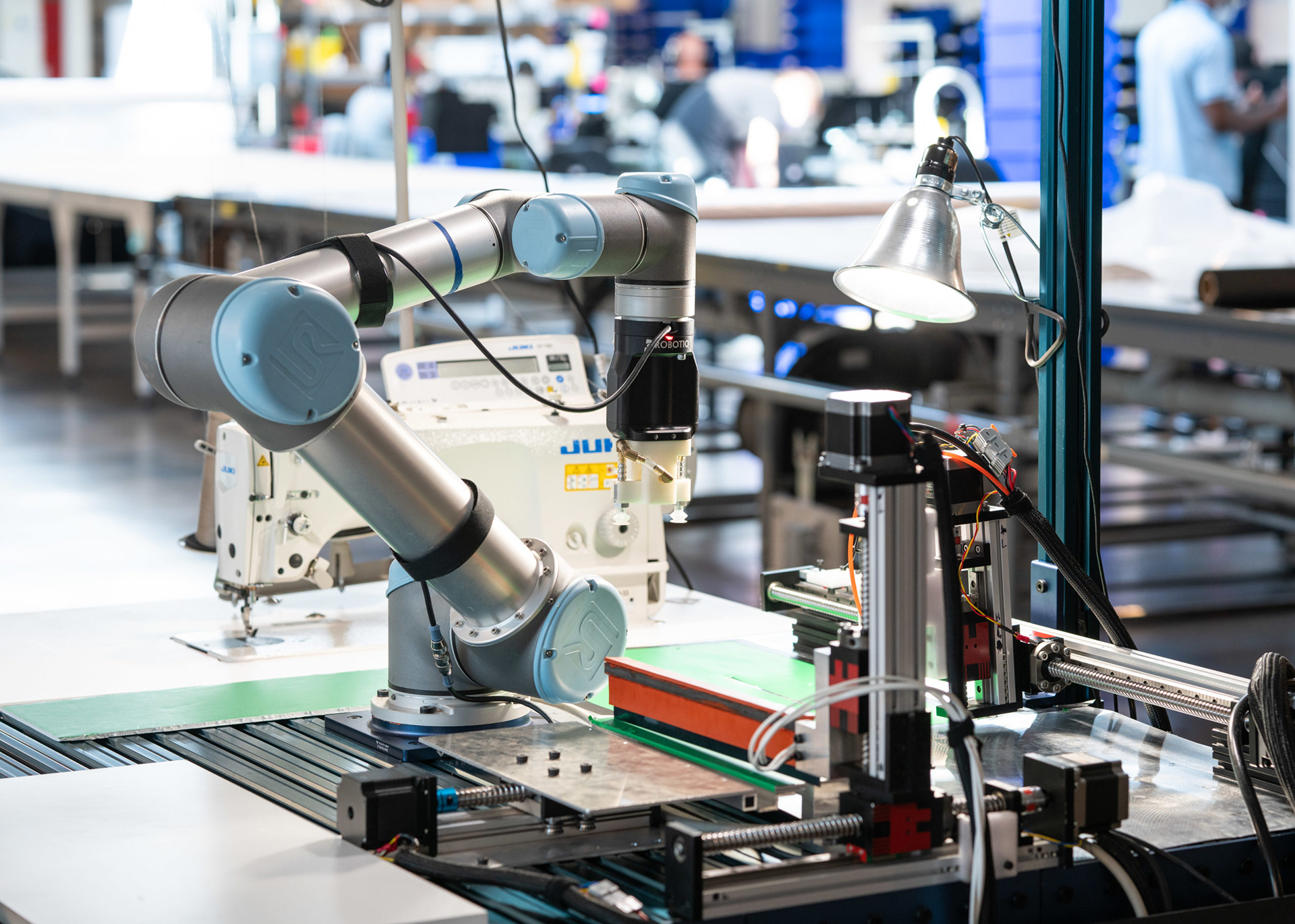
The textile and apparel industry is undergoing a significant digital transformation, driven by advancements across design, printing, cut-and-sew processes, and integrated software solutions. Cary Sherburne surveys the lay of the land. Read More

According to textiles expert and WhatTheyThink contributor Debbie McKeegan, one of the hottest debates underway in the fashion industry is whether its digital revolution is a threat to creativity or its greatest opportunity. In this article, she summarizes the debate on this topic that took place at a recent industry panel. Read More

Although it has long been associated with water pollution and excess waste, the textile printing industry is undergoing numerous changes to do its part in becoming more environmentally conscious. This article explores just some of the practices that are helping to transform textile printing in our modern world. Read More
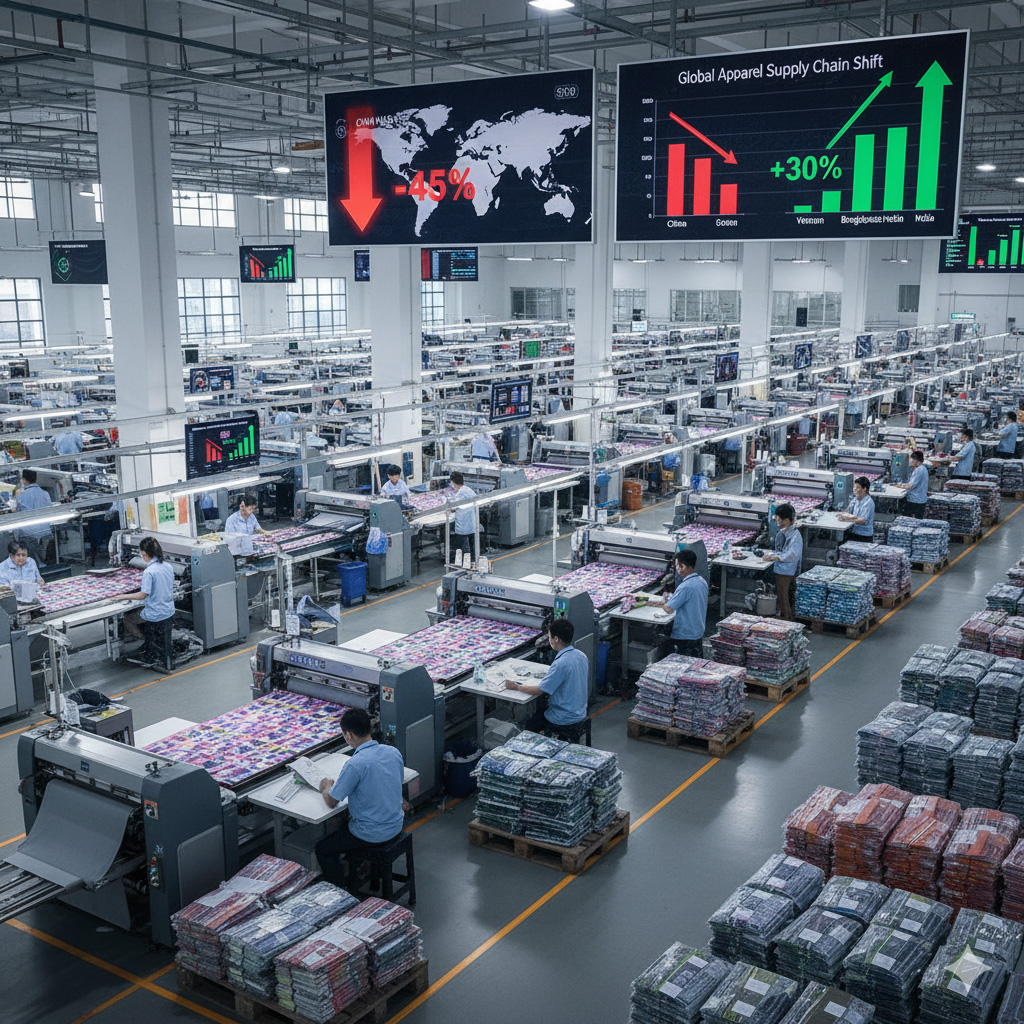
Among other things, 2025 is set to become the most uncertain year in recent memory relative to tariffs—which countries are affected, what percent each is assigned, and whether the tariffs, as assessed by the current administration, are even legal. This article looks into how the textiles and apparel industry has been impacted. Read More
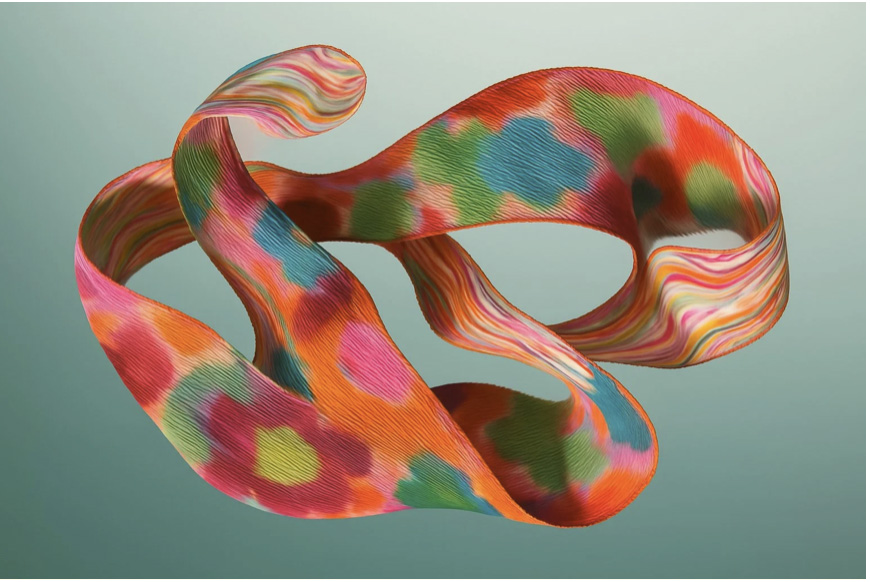
Is the rise of artificial intelligence a death knell for human creativity, or the dawn of a new, technologically-enhanced renaissance for artisans? In this article, textiles expert and WhatTheyThink contributor Debbie McKeegan explores that question and provides key takeaways derived from a Heimtextil survey, as we enter this chapter of human history. Read More

Looking for quality T-shirts that will last? Buyer beware! Price may not be the primary determining factor according to a recent study from the University of Leeds Institute of Textiles and Colour (LITAC). This article provided compliments of textiles expert and WhatTheyThink contributor Debbie McKeegan. Read More

Textiles expert and WhatTheyThink contributor Debbie McKeegan recently convened an expert panel to discuss and address the challenges and opportunities posed by the textile industry’s transformation while highlighting strategies for success in this evolving landscape. These insights reveal how cutting-edge technologies are revolutionizing everything from design conception to final production. Read More
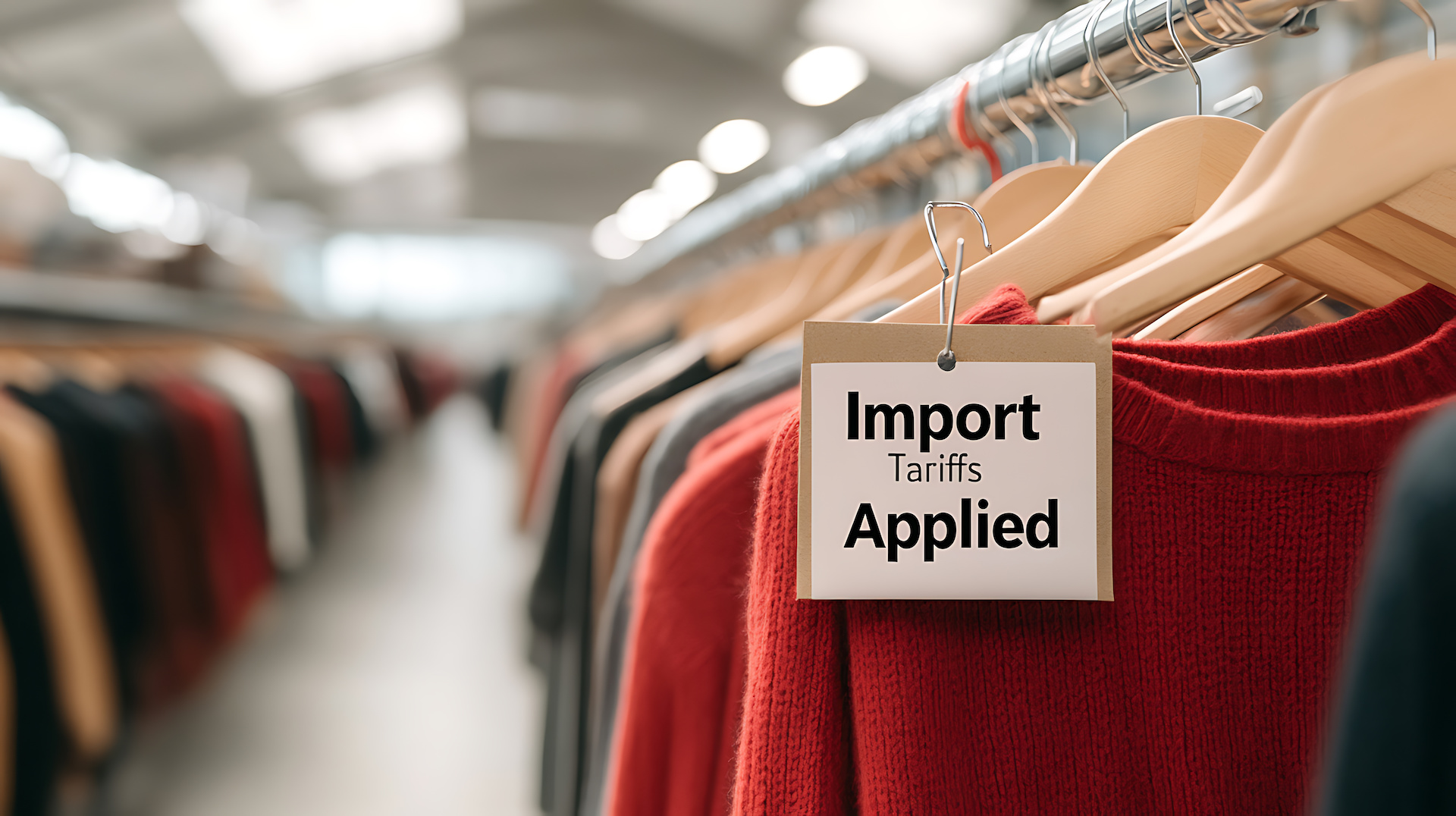
Although there are some efforts to reshore apparel manufacturing to the U.S., it’s far from reaching a meaningful scale. Meanwhile, supply chains are in a bit of disarray with tariffs and the associated uncertainty. Imports from China are falling off a cliff. Will that benefit other countries like the Dominican Republic and Mexico? Seems so. But the jury is still out, and Asian countries are still the primary exporters of apparel to the U.S. Read More

In this week's post compliments of textiles expert and WhatTheyThink contributor, Debbie McKeegan takes on fashion's obsession with volume and explains why that has created a dangerous pattern. Read More

Corporate climate pledges have become the ambient noise of our time. They flash across reports and websites like antivirus pop-ups on a machine already infected. The real malware is the logic that governs the system: delay action, externalize risk, and protect short-term performance at all costs. This, according to an article by Shivam Gusain, founder of Decypher, provided compliments of textiles expert and WhatTheyThink contributor Debbie McKeegan. He insists that every company should be obligated to include a carbon-adjusted profit and loss line within their quarterly and annual filings which would have a real impact on how markets (and boards and shareholders) perceive the value of the company. Read on! Read More

Arvind Limited, one of India’s largest textile manufacturers, is building what it calls a “near carbon neutral” wet processing facility, a part of the supply chain typically ignored by brands, underfunded by VCs, and misunderstood by climate advocates, as reported by Shivan Gusain, founder of Decypher, and provided compliments of textiles expert and WhatTheyThink contributor Debbie McKeegan. The numbers behind this factory make it look less like a sustainability initiative and more like a carbon abatement powerhouse. Read More
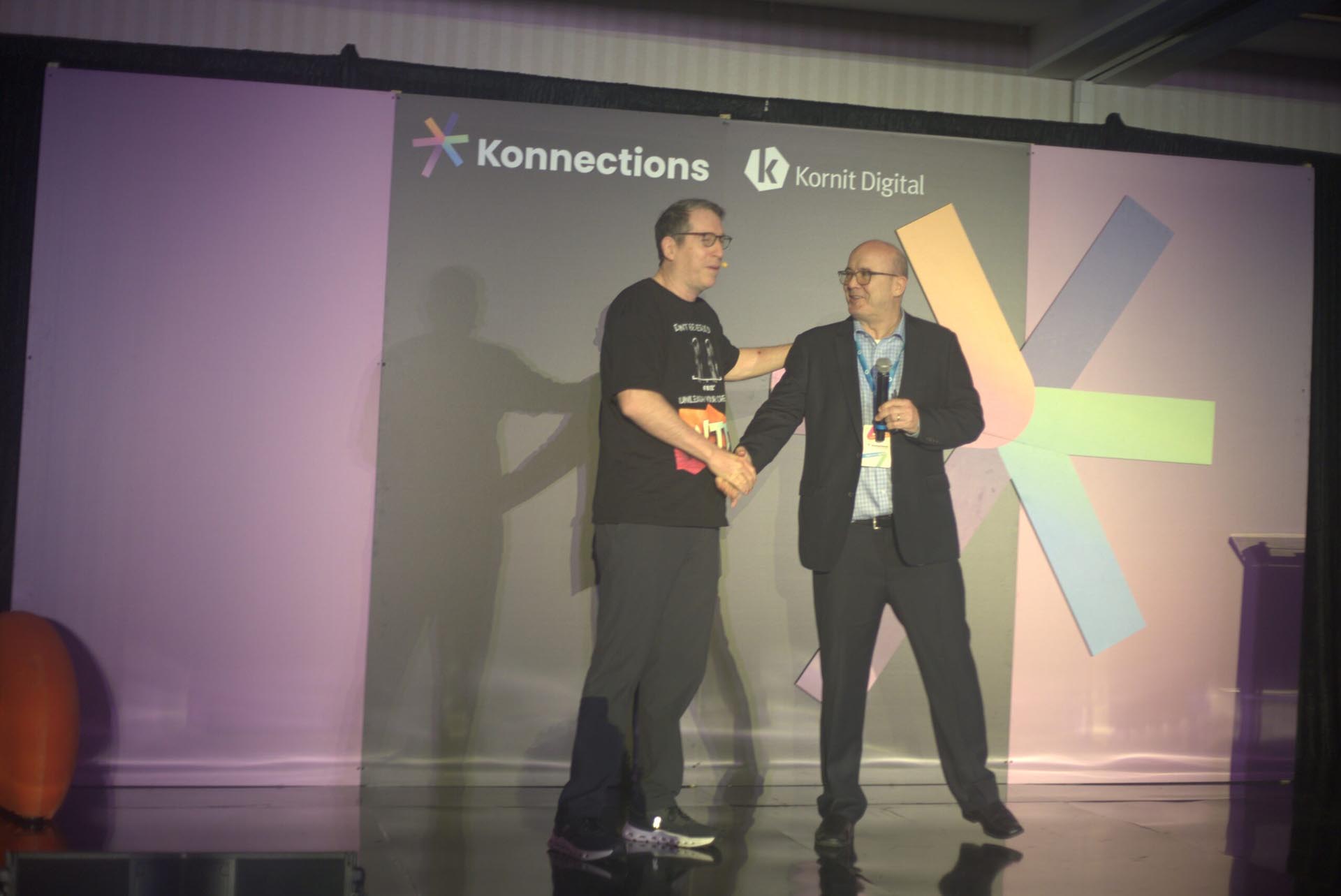
IDC Research Director Tim Greene was a bit ahead of the times when he conducted several multi-client and custom research studies on digital textile printing while he was at CAP Ventures/InfoTrends in 2014. Since those days, he sees dramatic progress and explains why. Read More
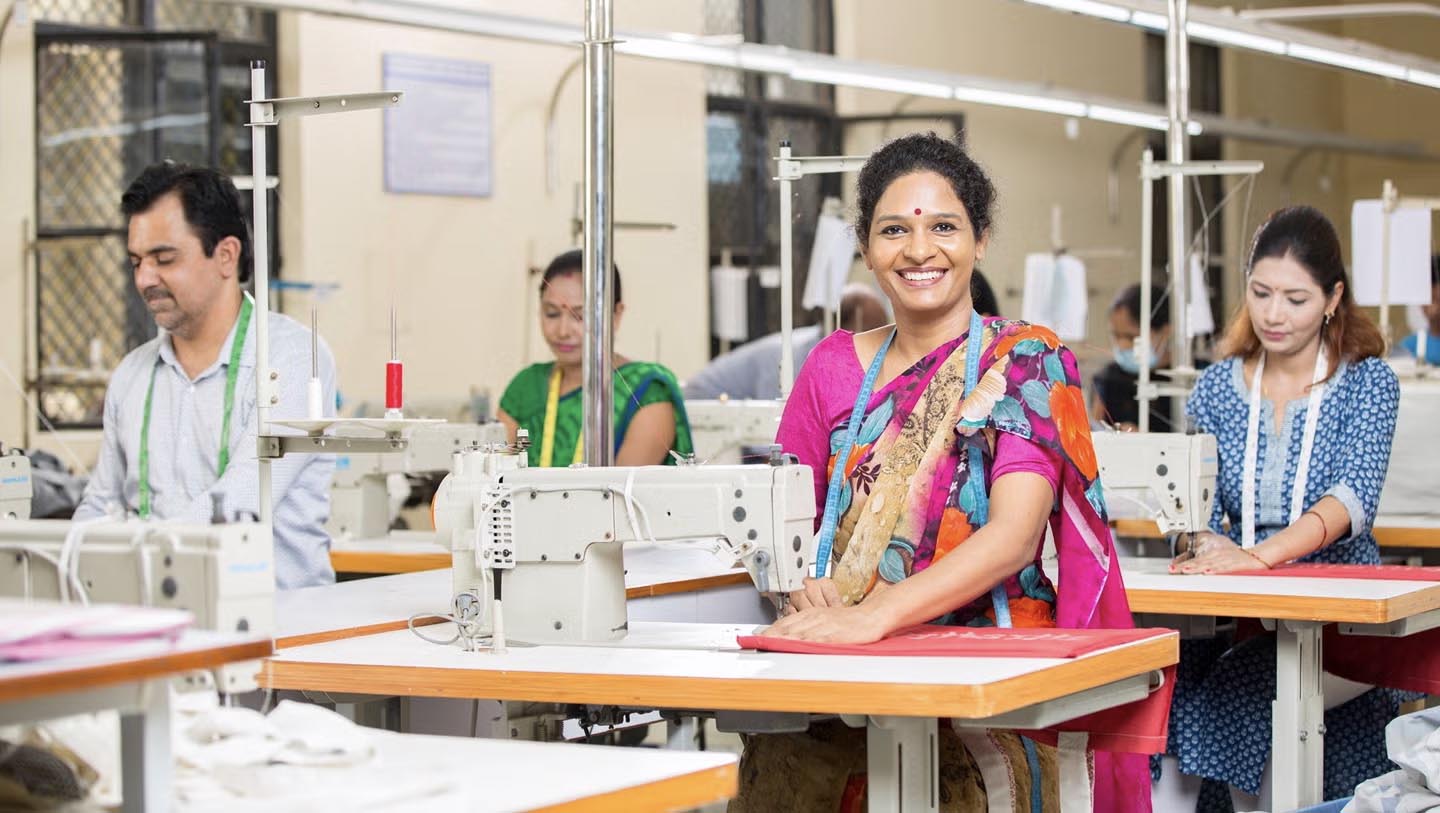
There’s been talk for years by textile industry stakeholders about making substantive changes to manufacturing to reduce greenhouse gas (GHG) emissions, but to quote a common saying, it seems like all hat and no cowboy—such limited progress has been made. But now a project between Fashion for Good and Arvind stands to drive needed change. Read More

This year's winners of the H&M Global Change Award are not just solving problems; they’re rethinking the systems behind them.. Read the full story compliments of textiles expert and WhatTheyThink contributor Debbie McKeegan. Read More
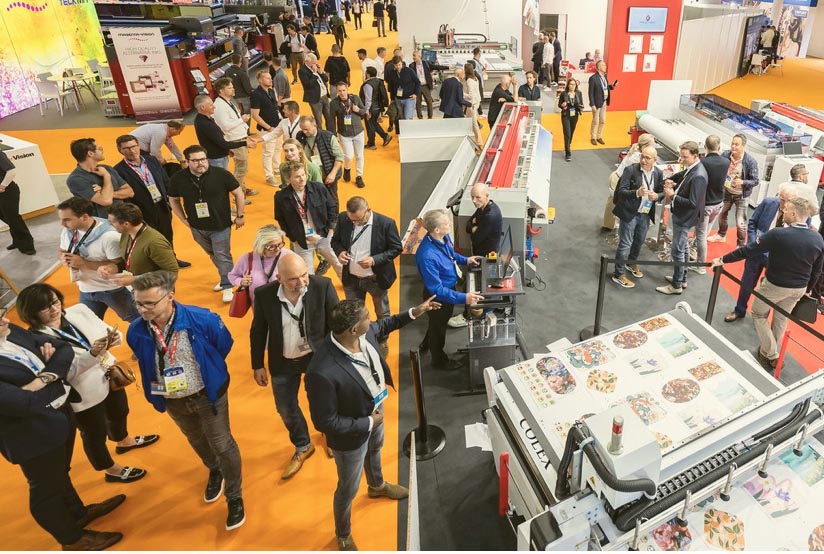
FESPA Textile Ambassador and WhatTheyThink contributor Debbie McKeegan reports that FESPA 2025 was a dynamic showcase, where innovation and application intertwine to push boundaries. Read More
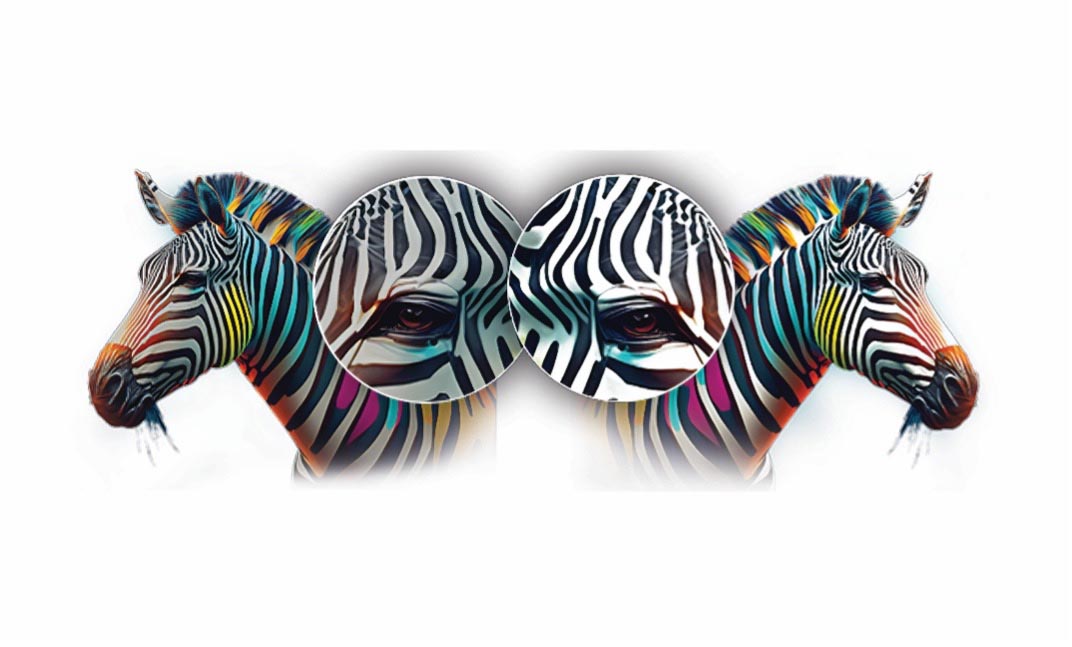
In this article, written and sponsored by Fiery, discover how Fiery is driving DTF innovation with its patented Single-Pass Underbase with Highlight technology. Built into Fiery Digital Factory software, the technology allows printers to intelligently separate and apply both the solid white underbase and the lighter highlight white ink in a single pass. The result is brighter, more detailed prints with greater speed, consistency, and efficiency—no media rewinding or extra hardware required. Read More
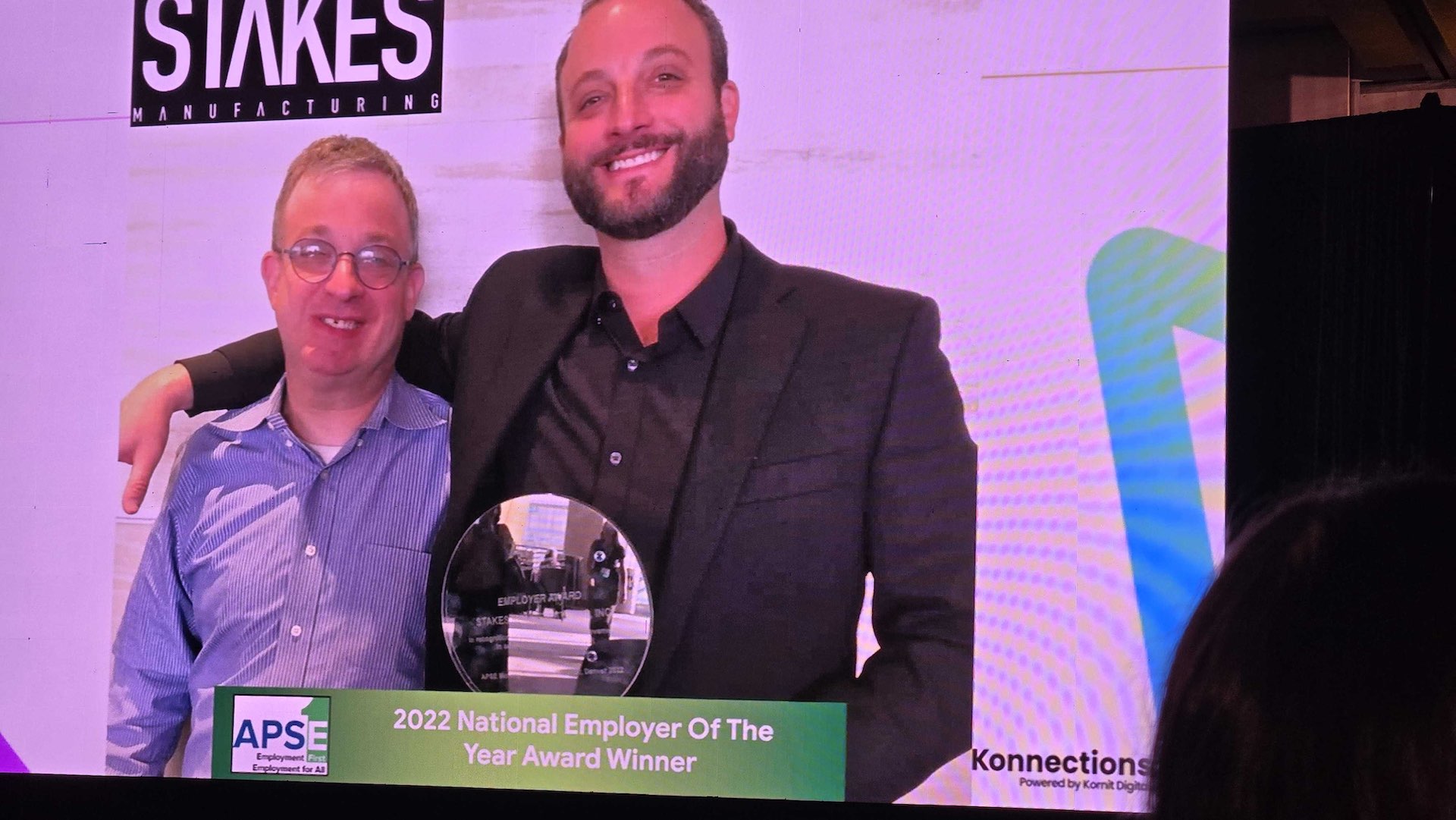
In my overview of Kornit Konnections, the recently held Kornit Digital users group, I mentioned a presentation by Stakes Manufacturing. The company’s unique approach to inclusivity deserves the more in-depth look this article presents. Read More
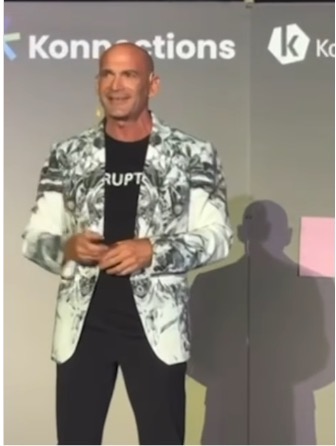
As Kornit’s customer base has grown, so has the value of a formalized user group. With the establishment of Kornit Konnections three years ago, the event has grown year over year, attracting 250 attendees for its Miami event at the end of April. We provide highlights from the event in this article. Read More
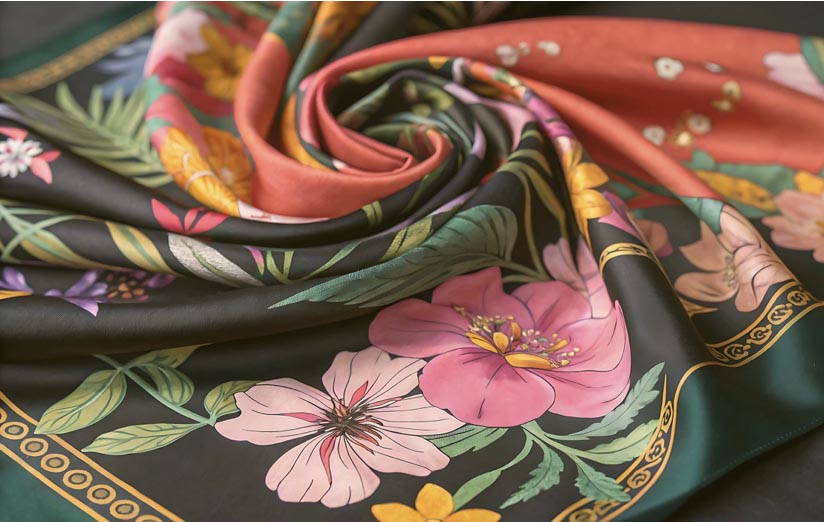
In this article, provided compliments of textiles expert and WhatTheyThink contributor Debbie McKeegan, Jos Notermans of The Note Consultancy B.V. (https://thenoteconsultancy.com/) provides an update on the status of pigment ink formulations introduced since ITMA 2023 as we prepare for ITMA 2027. Read More

The Sourcing Journal has released its 2025 Sustainability Report, and it is chock full of all of the latest sustainability news and challenges facing the textiles industry. If you are in the industry or a consumer who cares about the impact of your textile (apparel) purchases, it’s a must-read. We provide a brief overview here, focused mostly on recycling, but there’s lots more to be learned in the report! Read More

Microfibers are the bane of our existence—or one of them, anyway. In this article, compliments of textiles expert and WhatTheyThink contributor Debbie McKeegan, she highlights a new technology from Matter Industries that claims to be able to remove microfibers from the textile manufacturing process for the benefit of human and environmental health. Read More

To say that the whole tariff situation is tumultuous is an understatement. But whether or not you are in favor of them, there may be some hidden value. In this article, we discuss the potential impact tariffs could have on textile-related pollution, including the dreaded Fast Fashion. Read More
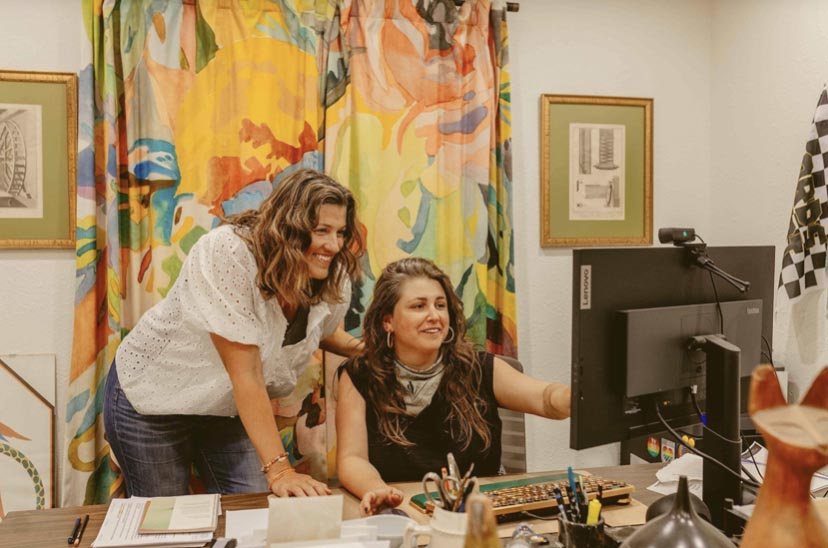
In this article, compliments of textiles expert and WhatTheyThink contributor Debbie McKeegan, she shares insight from Kathryn Sanders, the founder of Western Sensibility, based in Montana, offering a fascinating look at democratizing design. From crafting one-of-a-kind bespoke textiles to innovating sustainable printing techniques, her work embodies the marriage of “Art and Technology.” Read More
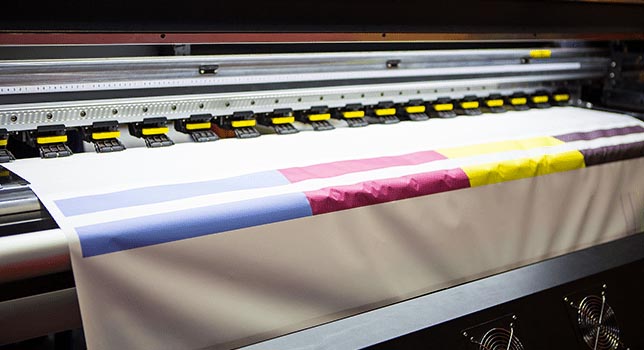
Demand for inkjet dye sublimation (dye sub) printing is again trending upwards. Almost 1.0 billion square meters (sqm) of extra output will be added to global totals by the end of the decade, opening new opportunities for print service providers, press OEMs, and consumables suppliers, according to Smithers’ latest report, “The Future of Dye Sublimation to 2029.” Read More
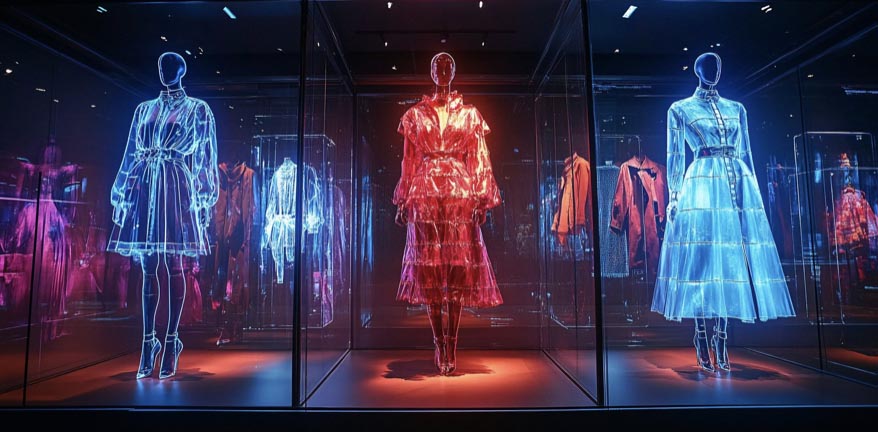
This article, provided compliments of textiles expert and WhatTheyThink contributor, shares her thoughts and key takeaways for fashion design and its future—as presented at the “Design2Futures” Summit held in Istanbul, 2025. One really important takeaway from Matthew Drinkwater, Head of the London College of Fashion Innovation Agency: “AI will not replace designers; rather, it will elevate their creative potential, allowing them to achieve outcomes they could never have imagined before.” Be sure to read the article for the full story! Read More
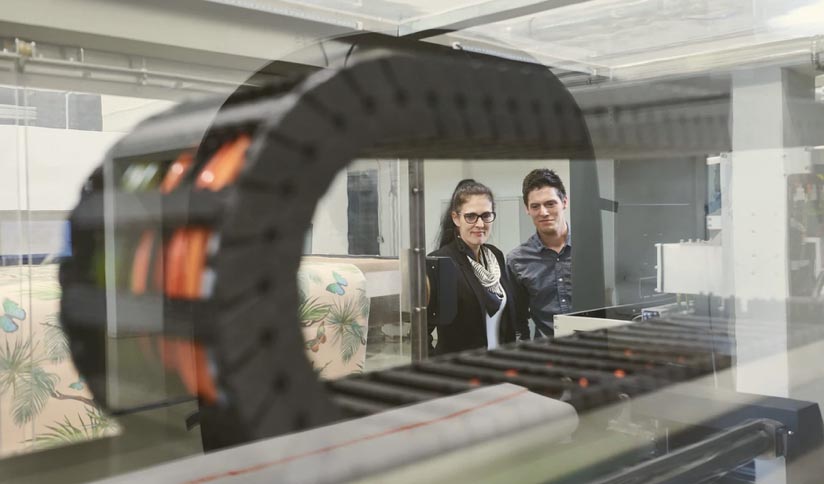
In this article, provided compliments of textiles expert and WhatTheyThink contributor Debbie McKeegan, SPGPrints’ Jos Notermans shares his thoughts about investing in digital fabric printing. He highlights the benefits of digital fabric printing and suggests a logical approach to adding this capability to your business! Read More
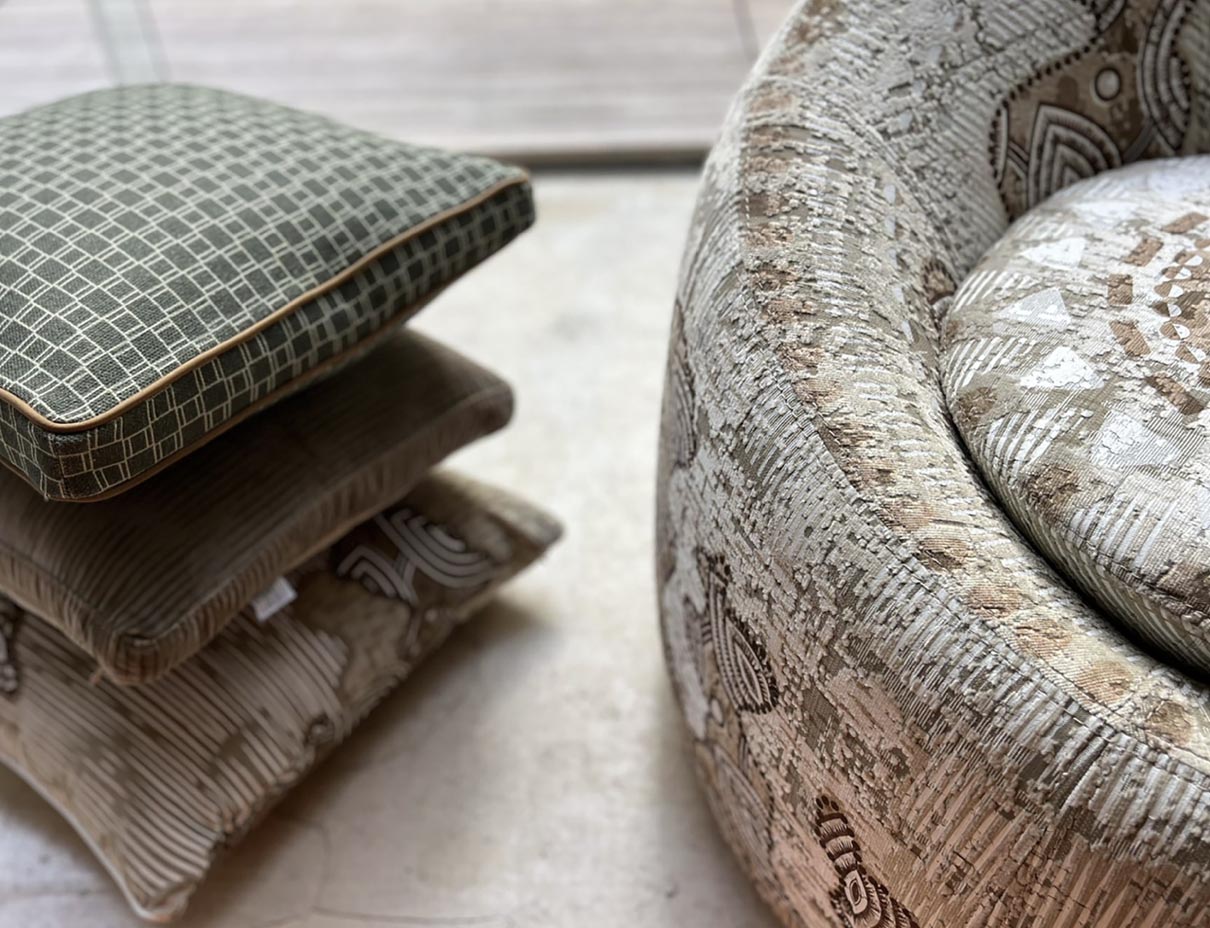
In this article, textiles expert and WhatTheyThink contributor Debbie McKeegan shares insights from a talk that Chris Govier, EVP of Strategic Growth & Marketing at Kornit Digital, gave at the recent Heimtextil show. He points out that the digital transformation in textile printing makes it easier than ever before to transition from supply and demand to demand and supply, as well as an array of other valuable insights. Read More
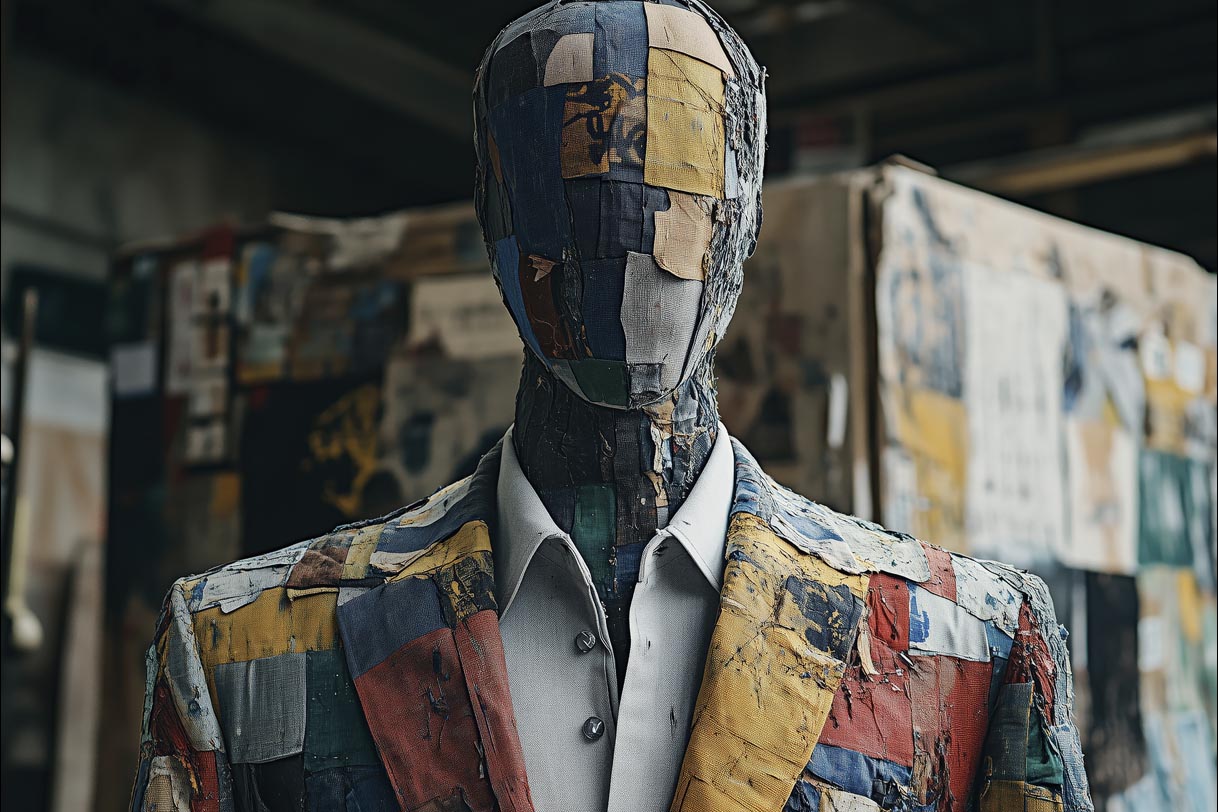
In this article, textiles expert and WhatTheyThink contributor Debbie McKeegan provides insight into the recent Circular Manufacturing Report, noting that the transition to a circular fashion and textile industry is no longer optional. A link to the full report is included, and we encourage you to read it! Read More

At a recent show in Chelsea, London, six graduates were chosen for their common commitment to sustainable design and production, spotlighting natural fibers, dyes, and biomaterials, with ways to cut waste, water, and energy, plus other innovative eco-friendly techniques at the very cutting edge of textiles today. They are our future! This story is provided compliments of textiles expert and WhatTheyThink contributor Debbie McKeegan. Read More
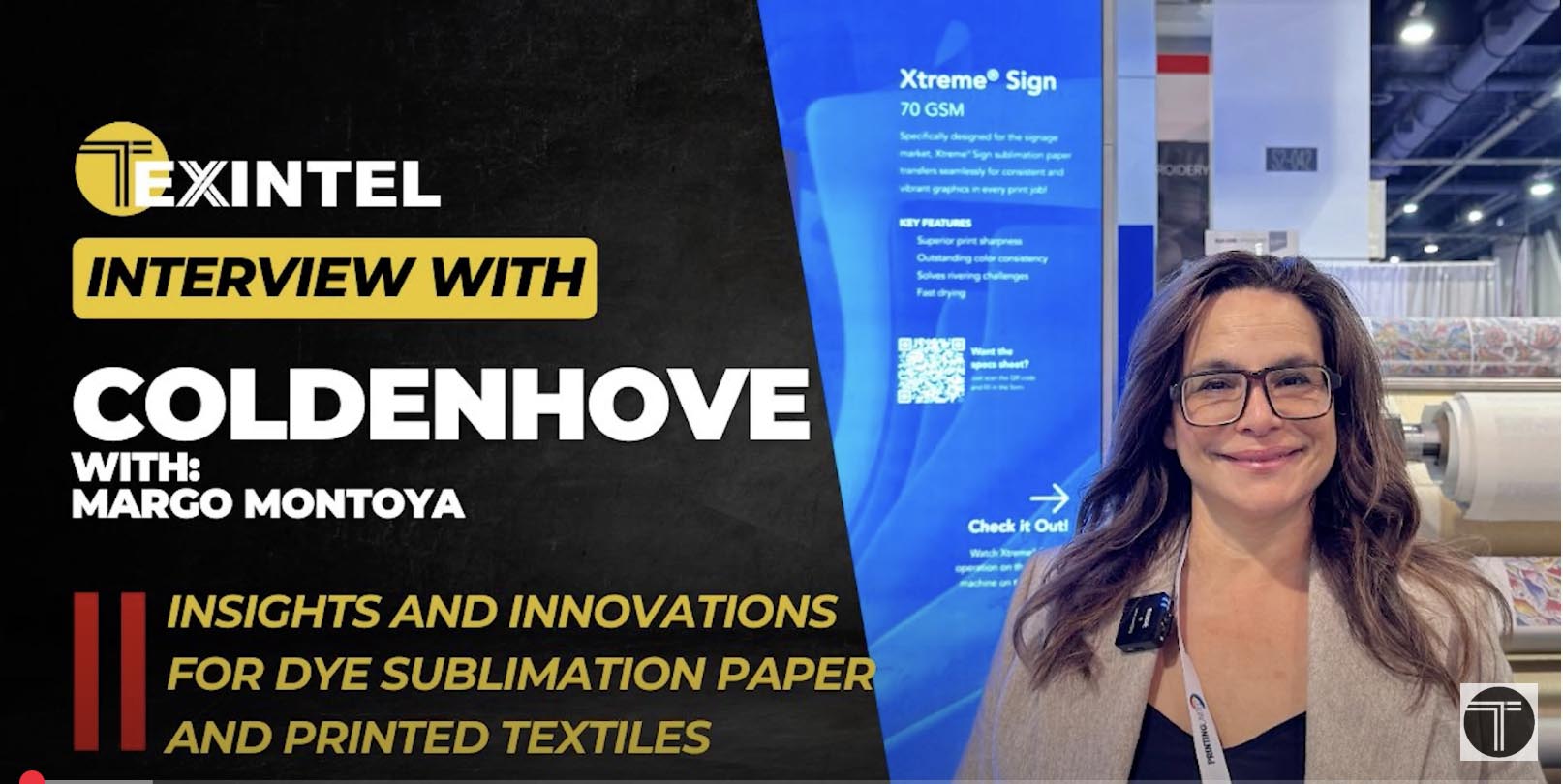
Texintel CEO Debbie McKeegan talks with Coldenhove’s Margo Montoya. At PRINTING United 2023, Coldenhove received feedback from soft signage customers seeking lighter grammage paper for dye sublimation and, in response, developed a high-performing, 100g paper that is highly absorbent and dries quickly. Read More
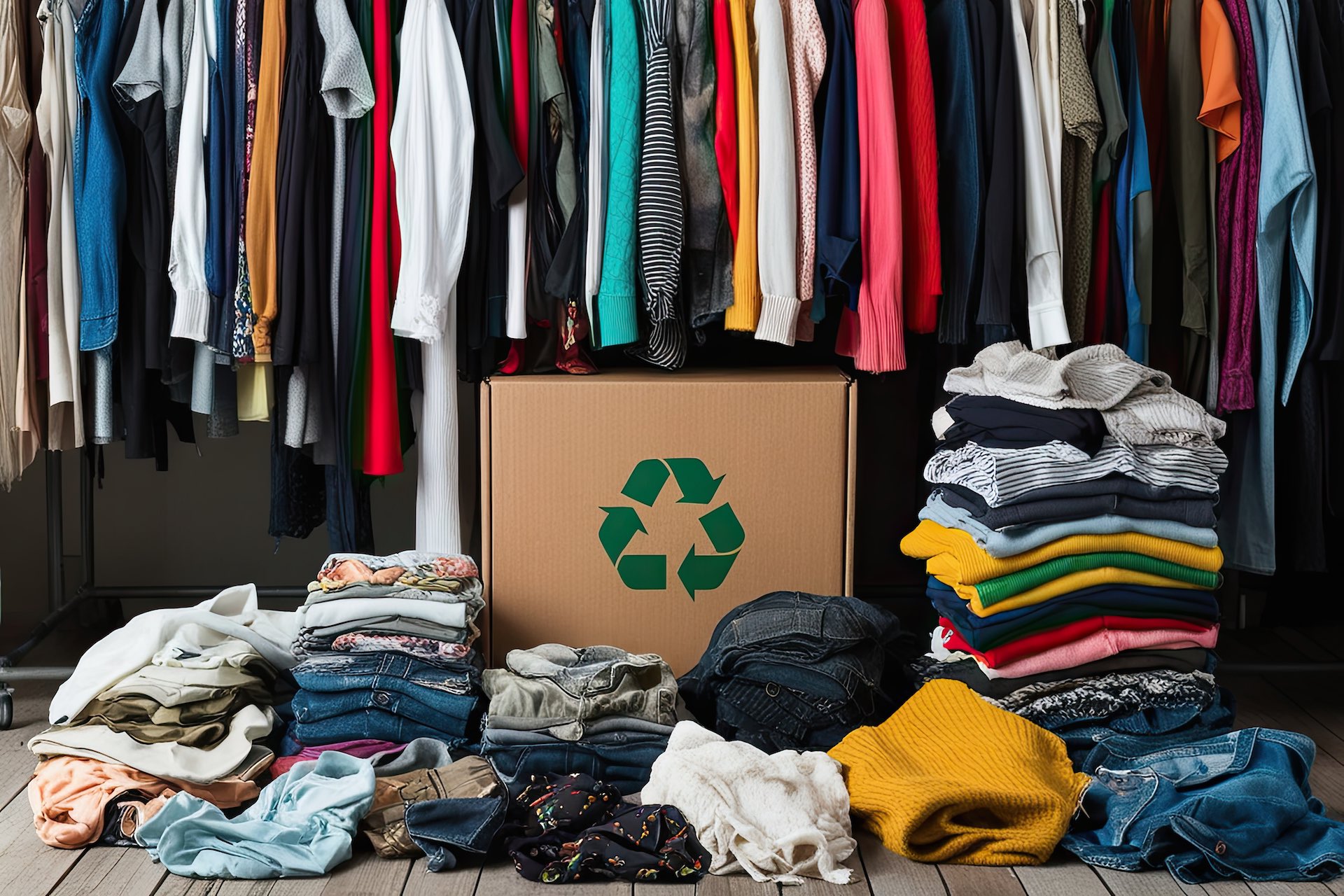
As we enter 2025, we also enter a time of growing climate-based trauma for Planet Earth. Both textiles and packaging contribute to these issues, and both are facing increasing regulatory actions designed to reduce their impact. In this article, we provide an overview of the climate situation, the actions being taken, and some hopeful signs for the future. Read More
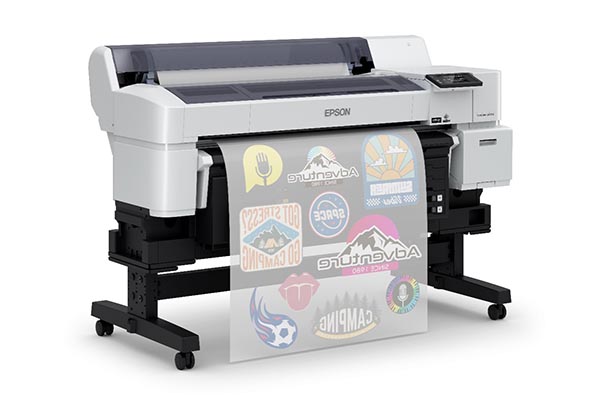
As more indication that the direct-to-film (DTF) printing market is continuing to grow, Epson today announced a new dedicated DTF transfer printer for garment decorators. While the company previously offered DTF options in hybrid direct-to-garment (DTG)/direct-to-film solutions, the new printer is dedicated to DTF technology. This article provides details on this new printer as well as insight into what it means for the market. Read More

Textiles expert and WhatTheyThink contributor Debbie McKeegan recently interviewed Frank Maeder, President of NedGraphics and Optitex, who shared insights that underscore the power of technology, partnerships, and innovation in the textile industry. Read More

Textiles expert and WhatTheyThink contributor Debbie McKeegan reports that Texintel has been invited to join the United Nations Fashion and Lifestyle Network. It reflects Texintel’s dedication to promoting sustainability in the fashion industry in support of Texintel's partners and community. Learn more. Read More
I recently listened to a very informative fireside chat hosted by the World Textile Information Network (WTIN) and wanted to share a summary for our readers who are interested in this segment. Content was presented by two Sun Chemical executives: Simon Daplyn, Manager, Product Marketing; and the company’s business leader for textiles, Edri Baggi. Read More

McKinsey has published its State of Fashion 2025 report: Navigating volatility towards a resilient and sustainable future. In this article, compliments of textiles expert and WhatTheyThink contributor Debbie McKeegan, she brings us highlights of the more than 100-page report, which can be downloaded via a link in the article. Read More

In this article, compliments of textiles expert and WhatTheyThink contributor Debbie McKeegan, she asks the question whether design can address some of the pressing problems affecting our planet. She highlights the work of some of the 24 Green Grads, recent graduates from UK Universities, linked by a common concern for the environment, that can help us have a more sustainable industry and a cleaner planet. Read More

In this article, compliments of textiles expert and WhatTheyThink contributor Debbie McKeegan, she highlights the recent Fashion Ecommerce Summit 2024 which took place in Manchester, UK. She notes that the ecommerce sector, including fashion, is poised on the brink of significant expansion and summarizes some of the interesting presentations delivered at the event. Read More
As the year comes to a close, we’re back on our soapbox about over-consumption, especially in fashion. Although we don’t mention fast fashion in this article, we are looking at you, Zara, Shein, and others who are pushing out low-quality, highly trendy stuff that usually ends up in the landfill. This article places a focus on several of the online resale platforms that make buying and selling fashion easy for consumers—even profitable—enabling a circular lifecycle and helping to reduce fashion’s horrendous climate impact. If you know of resale platforms we haven’t discussed here, please add them in the comments section, with a few words about how you have used them! Read More
Have you been thinking about getting into direct to film (DTF)? It’s certainly been a hot topic at shows this year! In this article, compliments of textiles expert and WhatTheyThink contributor Debbie McKeegan, you’ll find valuable insight, including how this technology is poised to disrupt Direct to Garment and screen printing for many applications. She also provides links to some of the suppliers to the industry who offer DTF solutions. Read More
As the world continues to prioritize sustainability and “green” practices, the textile industry is experiencing a significant transformation to meet eco-friendly standards and government regulations. This article explores what sustainability means for textile and apparel companies, and how digital printing is paving the way for a more sustainable future. Read More
California’s governor just signed into law a first-in-the-nation law requiring companies that make clothing, footwear, and textiles—including drapes, towels and bedding—to set up the nation’s first mandatory take-back program for unwanted clothes. This comes on the heels of a similar law in France, foreshadowing big changes for the industry and hopefully, benefits for the planet. Read More

As technological advancements redefine the status quo, it becomes essential for enterprises to not just adapt but anticipate the changes on the horizon. Ford Bowers, President and CEO of the PRINTING United Alliance, underscored this in a recent interview with Texintel CEO and WhatTheyThink contributor, Debbie McKeegan at PRINTING United in Las Vegas. Read More
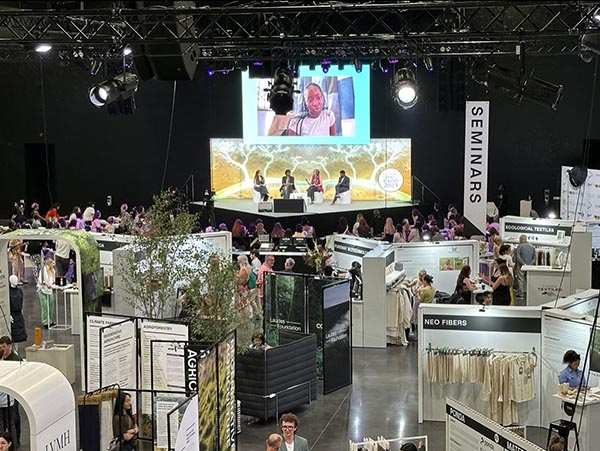
Future Fabrics Expo in the UK featured more than 10,000 different textiles and solutions on display for the fashion industry to exploit innovation in sustainable materials and the transition toward circularity. Read more in this article compliments of textiles expert and WhatTheyThink contributor Debbie McKeegan. Read More

Work at the ATLAS Institute at the University of Colorado Boulder is leveraging interdisciplinary research to develop new bio-based fibers that can be dissolved using heat at end of life, supporting disassembly and electronics recyclability in smart textiles, as well as to make textiles more sustainable and less reliant on petroleum-based feedstocks. Read More

Circularity in both textiles and packaging is getting more attention, and importantly, not just recyclability or using recycled materials, but creating a truly circular life cycle that begins with designing for next use. This article explores this concept and uses two companies—Patagonia and DS Smith—as examples of what’s possible to truly create a circular economy. Read More
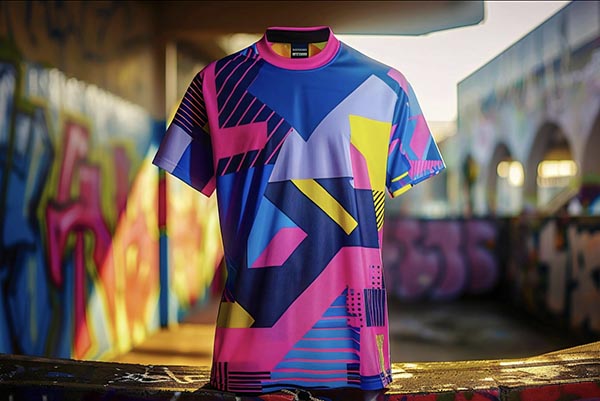
According to textiles expert and WhatTheyThink contributor Debbie McKeegan, rewiring the entire apparel supply chain is underway but progress is slow and painfully incremental—and must accelerate if the industry is to make positive environmental change. In this article, first published on Pixel to Parcel, McKeegan explains how smart manufacturing in the textile industry can help accelerate this much-needed transformation. Read More
We’ve been talking a great deal about the deleterious effects of fast fashion on our planet. Now we have a counterpoint to discuss—an effort in Congress to rein in fast fashion with the launch of the Slow Fashion Caucus. Plus, California is putting even more teeth into its recycling efforts with a proposed bill that establishes an Extended Producer Responsibility (EPR) program for recycling clothing and textile fibers. And France is proposing a Fast Fashion Tax and an EU ban on exporting used clothing. Read More

Looking for tools and solutions to increase efficiency and quality in textile printing? Look no further. Textiles expert and WhatTheyThink contributor Debbie McKeegan highlights nine software solutions that cater to the needs of digital textile print providers of all sizes, delivering tailored solutions to boost productivity, streamline workflows, and elevate profitability. Read More

In this article, written by Marwa Zamaray, European Climate Pact Ambassador, European Commission, and provided compliments of Debbie McKeegan, textiles expert and WhatTheyThink contributor, you’ll find an in-depth discussion of the EU’s new rulebook, in effect as of July 18, to make products more durable, reusable, repairable, and recyclable. The rules proposed under these rules will apply to all products placed on the EU market, whether produced inside or outside the EU. Take note if you are, or are planning to, sell your products in Europe! Read More
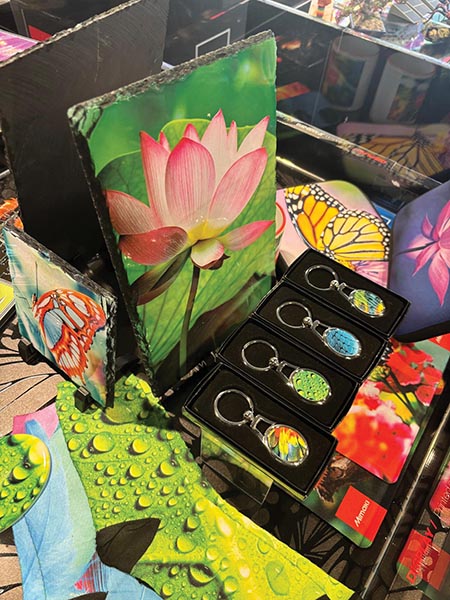
Pat McGrew reported from Mimaki’s drupa stand that combined décor art, wearable art, and 3D art. Read More
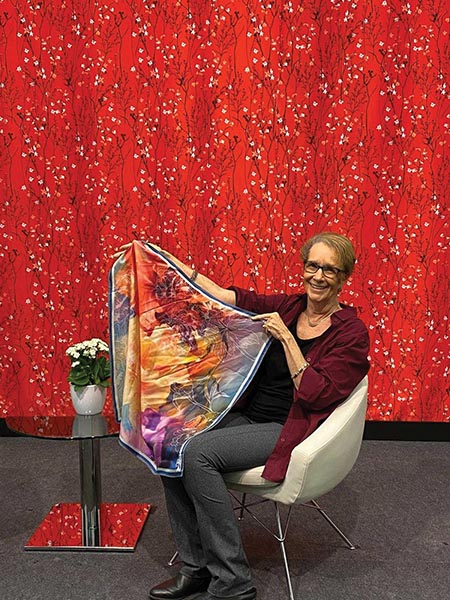
drupa has never been a big show for display graphics and signage, and while there were companies showing their wide-format printers, major announcements are usually reserved for the ISA Sign Expo, FESPA and/or PRINTING United. Richard Romano looks back at some solutions on display in Düsseldorf and what to look for in Las Vegas. Read More
We’ve been talking a great deal about the deleterious effects of Fast Fashion on our planet. Now we have a counterpoint to discuss—an effort in Congress to rein in fast fashion with the launch of the Slow Fashion Caucus. Plus, California is putting even more teeth into its recycling efforts with a proposed bill that establishes an Extended Producer Responsibility (EPR) program for recycling clothing and textile fibers. And France is proposing a Fast Fashion Tax and an EU ban on exporting used clothing. Read More

Colourama, a Polish textile printing firm, hosts a production volume of 12,000 to 15,000 linear meters of printed textile daily. Its diversified operations span an in-house design studio creating exclusive design collections for global distribution. Textile expert and WhatTheyThink contributor Debbie McKeegan explains more about the business and its road to success. Read More

Recently, textiles expert and WhatTheyThink contributor Debbie McKeegan hosted a round table discussion to explore the Fashion Biome with guests from various tiers of the supply chain. Central to the conversation was the urgent need for the adoption of sustainable technologies within the Fashion industry. Through a deep dive into environmental best practices, legislation impacts, supply chain transformation, and the promise of collaboration, the group outlined the future path fashion must tread. This important conversation is summarized here, and the article also contains a video link to the full round table discussion. Read More

We are a nation of consumers. Overconsumers in many cases. And it’s not good for the planet or your financial health… In this article, we highlight the “No-Buy Revolution” and discuss ways you can participate. Read More
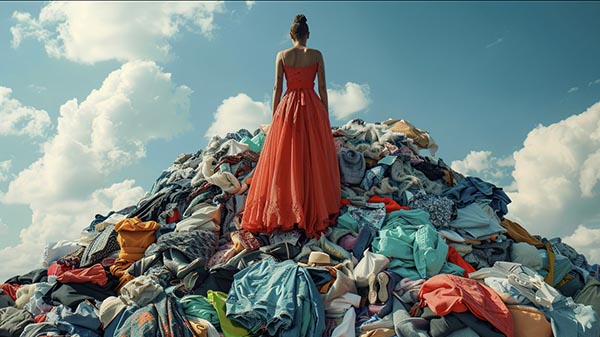
Today, we are sharing an article compliments of textiles expert and WhatTheyThink contributor Debbie McKeegan about a new report from the Ellen McArthur Foundation. The report states: “Policy alone cannot solve the problem of textile waste. Voluntary business action, including the establishment of voluntary EPR schemes, are key to accelerate progress.” McKeegan explains what EPR (extended producer responsibility) schemes are and why we need them as well as what is wrong with the current system. Read More
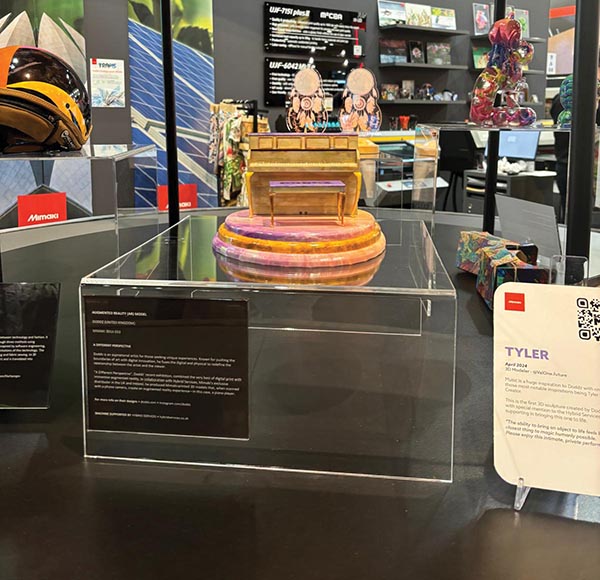
Danna Drion, General Manager Marketing & PM EMEA at Mimaki Europe B.V. went to users of the Mimaki solutions to find exhilarating examples of how artists use the versatility of Mimaki solutions to create décor art, wearable art, and 3D art. The results were on display at drupa 245. Read More

We read and hear a great deal about actions that are required to reduce carbon emissions, especially in the textiles and fashion industry. But there is little talk about how to actually do this. In this article, we explain the role accurate, real-time, standard data across the industry can play in actually uncovering the “hows” of reducing the industry’s unacceptable carbon footprint. Read More
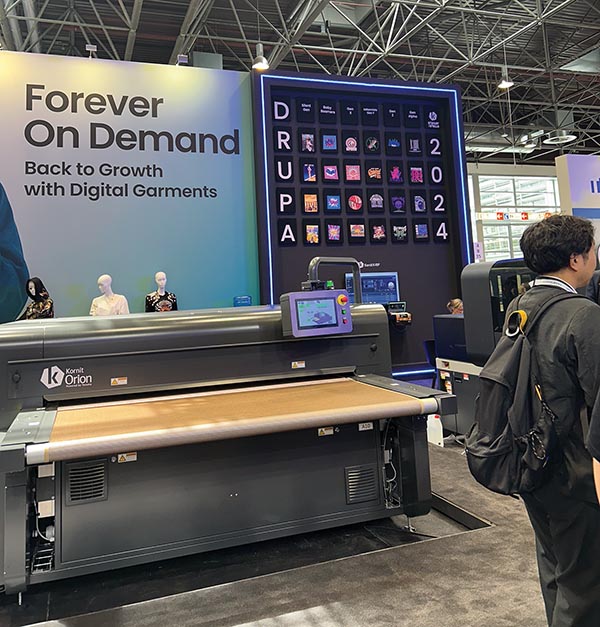
Kornit Digital believes that textile printing is now at the same stage where print on paper was 25 years ago: predominantly analog, but on the brink of a digital transformation. Patrick Henry looks at the compnay’s drupa 24 presence and its direct-to-garment and direct-to-fabric systems. Read More
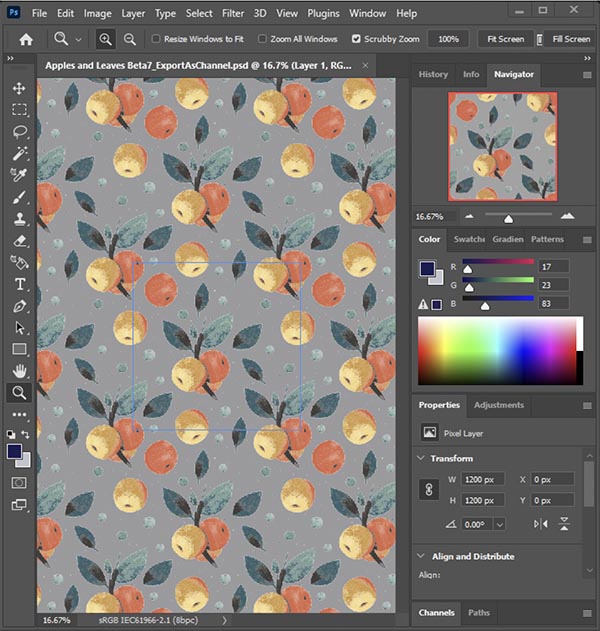
At drupa 24, Adobe was demonstrating how PDF can be used for textile production. David Zwang reports from drupa’s touchpoint textile display area. Read More

The 2024 Epson Design Awards honored outstanding creativity, unity, and progressive thinking in fashion design across the Benelux region. With inclusivity and diversity at the forefront, designers from various backgrounds converged to showcase their talents and ingenuity in a celebration of artistry and innovation. Debbie McKeegan looks at this year’s winners. Read More

Cary Sherburne speaks with Dr. Seshadri Ramkumar, professor in the Department of Environmental Toxicology and The Institute of Environmental and Human Health, Texas Tech University, about a unique approach to using AI to make textiles more sustainable. Read More
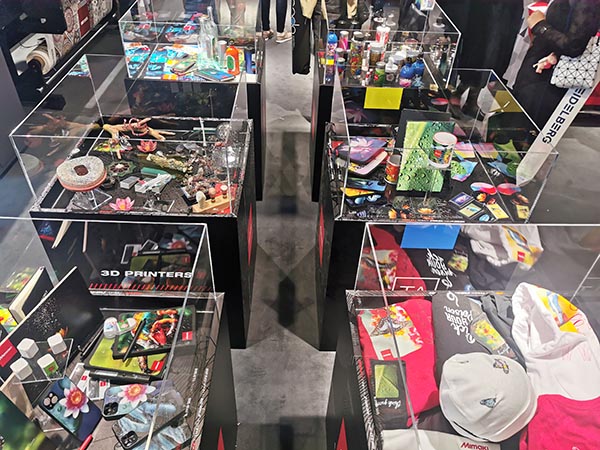
Mimaki is looking beyond the traditional paper-based print applications. Ralf Schlözer reports from Mimaki's drupa 24 press conference. Read More

Drupa 24, eight years in the making, opened yesterday to much excitement. European Section Editor Ralf Schlozer attended the opening ceremony. Read More
WhatTheyThink partnered with EFI to use EFI Reggiani digitally printed textiles to accent the professional video studio WhatTheyThink operated onsite at drupa 2024. Read More

In this article, textiles expert and WhatTheyThink contributor Debbie McKeegan shares insights she gained from Kristine Go, founder of Pattern Curator—a Print forecasting and design service concept based in New Jersey. This includes macro trends in fashion design, sustainability, and socioeconomic and technological trends. Read More

London Design Week 2024, held at the iconic Chelsea Harbour, is an event filled with innovative, fresh ideas for textiles, wallcoverings, lighting and flooring, furniture and beyond. It's a chance for designers to showcase their work to a broad audience and to especially feature sustainable designs. Debbie McKeegan, textiles expert and WhatTheyThink contributor, explains. Read More
Over the past couple of years, companies, governments, non-profits and individuals have made a lot of noise about achieving certain sustainability goals by 2030 (only six years away now) and Net Zero by 2050. How well are we doing? It’s a little shocking and scary! Read More
Monday, April 22 was the 54th occurrence of Earth Day. Now is a great time to reflect on the impact of one of the world’s most resource-intensive industries: Textiles. The textile industry is notorious for significant water consumption, waste, and CO2emissions. This article explores the need for a shift toward sustainability and a circular economy in the printed textile and decorated apparel industries. Read More

In part 2 of his coverage of the FESPA Global Print Expo, held in Amsterdam, the Netherlands, March 19–22, European section editor Ralf Schlözer rounds up some textile and direct-to-object product launches and announcements. Read More

FESPA Amsterdam 2024 displayed a marked emphasis on sustainability and eco-innovation, further highlighting a significant pivot in the industry’s trajectory. So says textiles expert and WhatTheyThink contributor Debbie McKeegan in this review of the technology on display at the show. Read More

It’s no secret that the fashion industry has multiple sustainability challenges. Fashion brands are aware of their unsustainable practices, and some are making substantial changes. But dramatic change will not be driven by the collective conscience of the fashion industry, but by consumers. Cary Sherburne explains how consumers can make more sustainable fashion choices. Read More

Décor printing is a growing part of the display graphics ecosystem and on Thursday, April 17, long-time industry consultant Debbie Nicholson offers commercial print businesses some tips on breaking into décor printing. Read More

In the ever-evolving landscape of digital textile printing technology, our industry has witnessed a transformative wave of automation. This shift towards automated processes has certainly revolutionized production, but it also drew intriguing parallels to ideas from the past. This article explores how an old episode of “The Twilight Zone” teaches a still-relevant lesson about automation and the future of manual labor. Read More
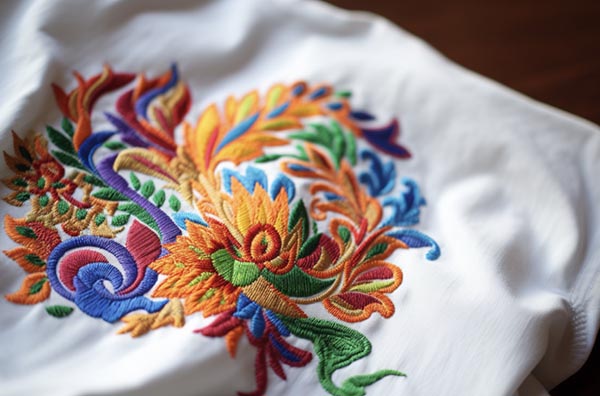
Many companies prefer the quality of embroidery for apparel and other items over various print technologies. But as logos and other decorations get more complicated, it can be difficult to reproduce them with conventional embroidery equipment. Enter Coloreel, on-demand dyeing of thread that enables production of even the most complex designs using a single embroidery head! In this article, provided compliments of textiles expert and WhatTheyThink contributor Debbie McKeegan, read the Print Logistic story as it proudly unveils this cutting-edge technology that is reshaping textile decoration. Read More
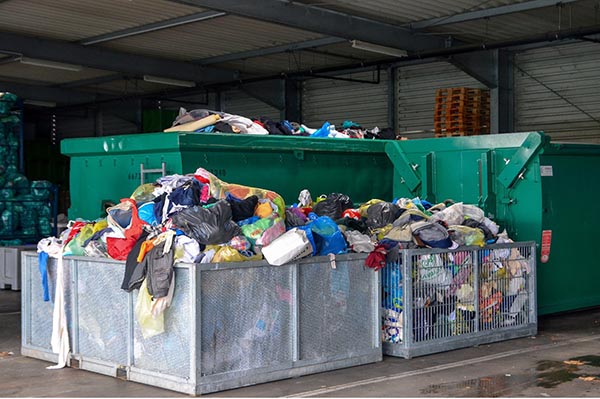
A bipartisan bill introduced in the U.S. Senate is designed to “establish a regional trade, investment, and people-to-people partnership of countries in the Western Hemisphere to stimulate growth and integration through viable long-term private sector development,” according to an article published in The Sourcing Journal. Perhaps its unique incentive-based approach, rather than the penalty-oriented regulatory compliance approach more often used in these types of legislation, will encourage brands and retailers to jump on board faster. This article outlines key elements of the bill, including both challenges and opportunities in terms of getting it signed into law and implemented. Read More
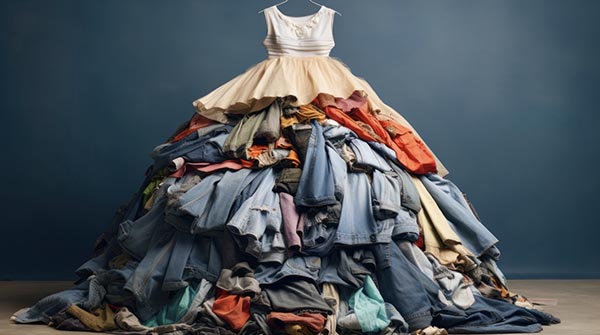
Currently, around 78% of post-consumer textile waste ends up either incinerated or in landfills. The European Union has taken steps to regulate textile waste. In this article, compliments of textiles expert and WhatTheyThink contributor Debbie McKeegan, the Texintel team documents how textile waste is adversely affecting the environment and the goal of the proposed regulations. Read More

It seems that digital printing for fashion has stalled somewhat, but on-demand printing is emerging as a game-changer in home décor. In this article, provided compliments of textiles expert and WhatTheyThink contributor Debbie McKeegan, the Texintel team shares insights gained from experts within the textile supply chain during Heimtextil, held in Frankfurt, Germany, in January. Read More

Print needs to wow but still look amazing as trends come and go. In this article, authored by Cheryl O’Meara of Print Pattern Archive and provided compliments of textiles expert and WhatTheyThink contributor Debbie McKeegan, O’Meara explains how Print Pattern Archive’s Hipstorical initiative, with designers and print teams, is contributing to a circular economy. As part of the initiative, the group leveraged generative artificial intelligence (gen AI), playing with ancient techniques like batik and drawing inspiration from its incredible archive. A world first in design mash up with analog and digital riding shotgun! A terrific example of how AI can springboard designers’ work, resulting in even more spectacular results in a shorter timeframe. Read More
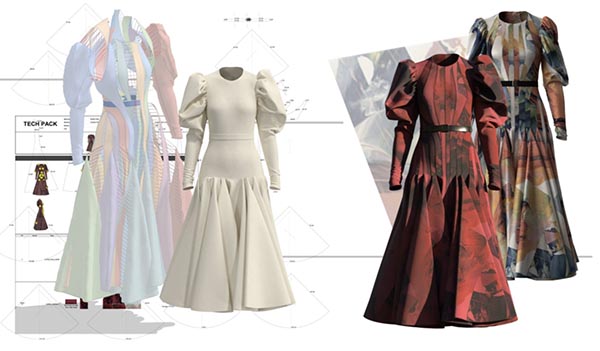
The fashion industry’s hesitant embrace of Digital Product Creation (DPC) and 3D technologies is a paradox, given the clear advantages they offer. While large conglomerates may dive headfirst into this digital renaissance, small to medium-sized enterprises (SMEs) often linger at the starting line, bogged down by a complex web of concerns and challenges. This article, compliments of textiles expert and WhatTheyThink contributor Debbie McKeegan, and written by Lui Larocheski, explains why there is a reluctance to change and how the barriers can be broken down to eliminate much of the harmful effect the fashion industry has on the environment. Read More

There has been much discussion about the damage caused by microplastic shedding during washing of synthetic fabrics. Much of the focus has been on trying to trap these microfibers prior to their entering our waterways. But now promising research out of the University of Toronto offers a potential alternative to prevent, or at least mitigate, shedding in the first place. Read More
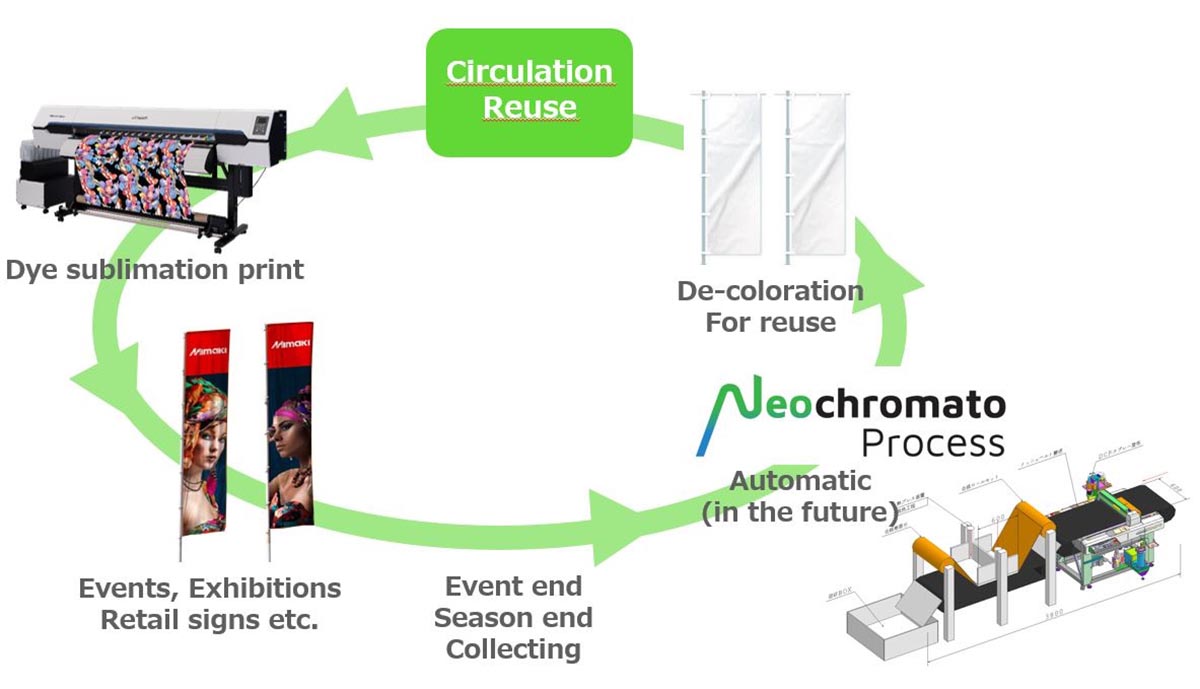
Cary Sherburne looks at Mimaki’s Neo Chromato Process, a pilot project that removes ink dye-sublimated onto textiles, and a project underway in India that uses an aerogel adsorbent modified with graphene to remove trace pollutants from wastewater. Read More

Was 2023 the year that digital fashion went out of style? This guest article, written by Dani Loftus of This Outfit Does Not Exist, is provided compliments of textiles expert and WhatTheyThink contributor Debbie McKeegan. Loftus notes that no matter how hard each player in our ecosystem worked, the past 12 months have seen the “hype” around Web3 fashion wane. And I myself have been wondering why the growth in digital fabric printing and other digital technologies in the world of textiles and apparel seem to have stalled when it seemed like there was so much potential, for the industry and the planet! Loftus provides a look at what went wrong. Read More

In a world where business dynamics are changing in so many industries, textiles is certainly not immune. In this interview with Fulvio Alvisi, President of the Italian Textile Designers Association, provided compliments of textiles expert and WhatTheyThink contributor Debbie McKeegan, he discusses both the opportunities and challenges for future textile designers. Read More

Did you know that most of what you buy online and ship back as a return ends up in the landfill? It’s too expensive for most companies or their reverse logistics operators to put them back up for sale, so they just ship them off to the landfill. In this space, we have written a great deal about the evil effects of Fast Fashion, and this is just another one. I hope after reading this article, you will take a serious look at your buying habits. The truth is, we as consumers hold the power. If we stop buying Fast Fashion, and if we discontinue the detrimental practice of bracketing shopping, we can make a huge difference. Don’t know what bracketing shopping is or if you are guilty of it? Read on! Read More

In her latest article, textiles expert and WhatTheyThink contributor Debbie McKeegan points out that global events and shifting consumer behaviors continue to upend traditional business models across the supply chain. Whether technical or strategic—the textile industry must adapt and invest to minimize risk and reap the commercial benefits of technology. Only then can it strategically meet market demands and adapt at speed to address shifting consumer behaviors. Sustainability, supply chain volatility, consumer preferences, artificial intelligence and localized economic instability are all factors she discusses here. Read More

Direct -to-Textile 3D empowers the creator economy and unleashes new commercial opportunities for customization and personalization, according to textiles expert and WhatTheyThink contributor Debbie McKeegan, as she explains in this article, first published on Pixel to Parcel and featuring fashion designer Yanky & Nataf. Read More

Direct-to-Garment and Direct-to-Film printing have become hot topics for businesses of all sizes. But to get the necessary quality and productivity for a successful small business, these printers were often out of reach from a cost perspective. The new Epson SureColor F1070 promises to change that—featuring CMYK+W, ease of use, and a sub-$10K price point. Read More

On-demand production has transformed many industries, although it has been slower to gain traction in textiles and apparel. Today, though, there are fewer barriers, the biggest being the mindsets and business models of brands and retailers. Cary Sherburne looks at some companies who are on the cutting-edge of on-demand textile production. Read More

Falmouth University’s Fashion & Textiles Institute teamed up with British charity and NGO WRAP to highlight the need to transform fashion industry practices. The event highlighted how future fashion industry designers, manufacturers, and producers can all play a role in accelerating the urgent changes needed in the fashion industry. Learn more in this interesting story provided compliments of textiles expert and WhatTheyThink contributor Debbie McKeegan. Read More

As we have written about in this space, digital dye-sublimation printing is an interesting option for textile decoration. Not only is the printing process more straightforward, requiring less hands-on work, but sublimation for textiles is also a more sustainable printing solution when compared to conventional fabric printing options. Find out more in this article provided compliments of textiles expert and WhatTheyThink contributor Debbie McKeegan, and authored by Anne de Brouwer of SPGPrints. Read More

As e-commerce growth retains its vertical assent, the web has spawned new territories and new technologies, each offering in their own way, significant economic opportunity for fashion designers and retailers. Not the least of these is manufacturing on demand, which is already a keystone in many other industries. In this article, compliments of textiles expert and WhatTheyThink contributor Debbie McKeegan, originally published on Pixel to Parcel, the road to a more sustainable fashion future, from design to production, is laid out. Read More

In this article, compliments of textiles expert and WhatTheyThink contributor Debbie McKeegan, Print Pattern Archive’s Cheryl O’Meara delves into the impact of AI including joys and ramifications for designers and directors. Still foggy on the whole AI thing? Be sure to read our explainer! Read More

Phygital, seamlessly bridging the gap between the digital realm and couture, is gaining steam as the analog-to-digital transformation in fashion continues its often painfully slow progress. This story, compliments of textiles expert and WhatTheyThink contributor Debbie McKeegan and written by Louis Laing of PhygitalTwin, explores how Republiqe (and no, that isn’t a typo!) isn’t merely a fashion brand but a daring disruptor reshaping the fashion landscape. Known for its sexiness, provocation, raw energy, and edginess, Republiqe’s collections consistently exude opulence. They represent an intersection of gaming and fashion in a unique way. Read more! Read More

When we write about sustainability in textiles, we are often talking about the manufacturing processes. But for true sustainability, we need to go back a step further to understand where the feed stocks are coming from. Senior editor Cary Sherburne looks at what progress has been made in sustainable agricultural processes. Read More
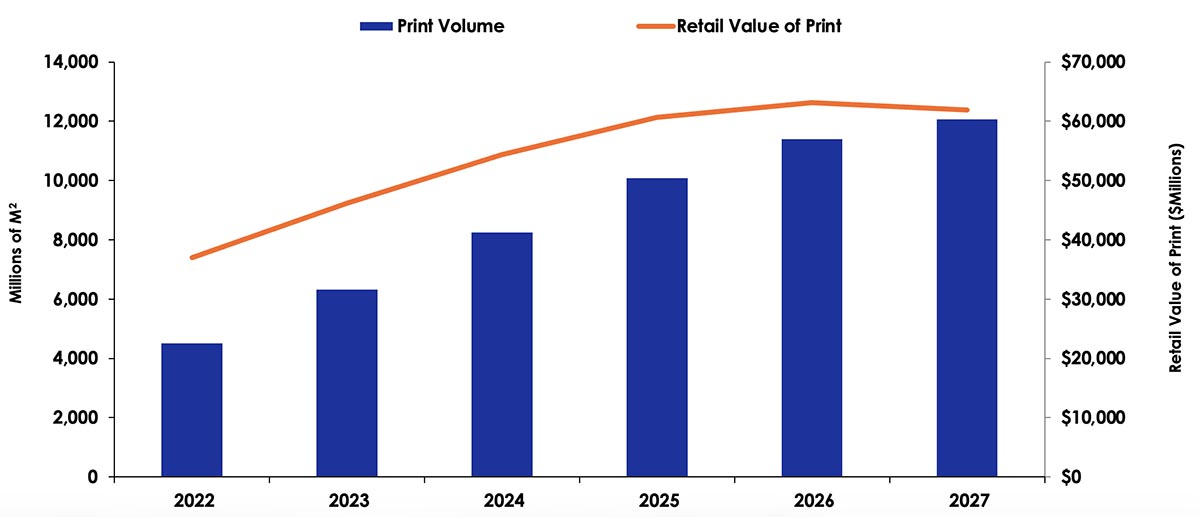
The first single-pass digital inkjet printer that was specifically designed to print textile fabrics came to market back in 2012, setting the stage for a new era of textile printing technologies. About a decade later, though, adoption of single-pass textile printers has been slow. This article cites recent forecast data from Keypoint Intelligence to consider what the future might hold and how single-pass textile devices can be brought to the next level. Read More
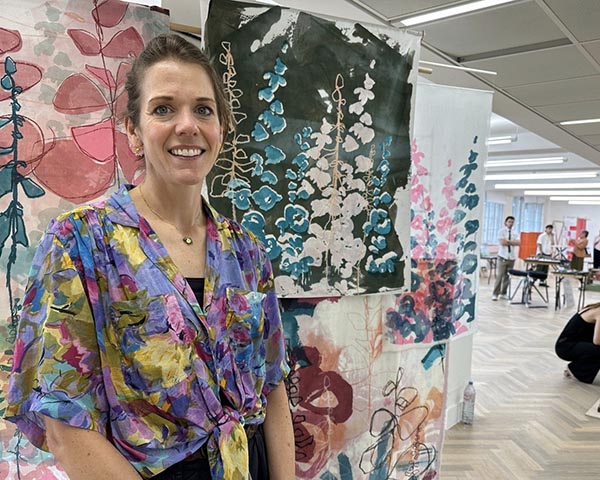
In this article, textiles expert and WhatTheyThink contributor brings us the latest news on the Green Grads program. Green Grads celebrates emerging talent from across the country (UK) and focuses on environmental balance and sustainability. It champions innovation, new ideas and concepts that encourage and deliver environmental change. It positions younger entrants into the textiles and apparel industry to present even more innovation in apparel design, helping the industry move towards a more sustainable future. Read More
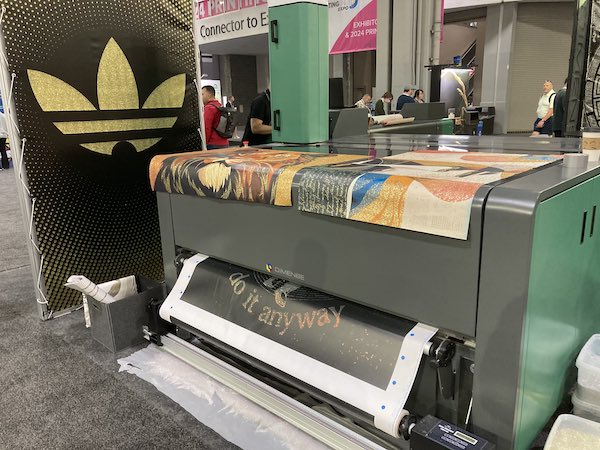
In this article, we round up some of the major press announcements made at last week’s PRINTING United Expo show, as well as some of the other wide-format technologies on display. Read More

In many parts of the developed world, re-shoring of the apparel industry is hindered by the lack of sewing talent. But the good news is that talented cut-and-sew shops are popping up all over North America and Europe. In this article, compliments of textiles expert and WhatTheyThink contributor Debbie McKeegan, she interviews the Founders of Print Logistics, a Polish provider of printed sewn apparel on demand. Read More

The legacy fashion and textile industry is complex and slow-moving. Offshoring, waste, and inefficiency are the rule, not the exception, and progress towards a more effective and sustainable model is still terribly slow as the industry remains pegged among the worst polluters in the world. In this article, compliments of Debbie McKeegan, textiles expert and WhatTheyThink contributor, Kornit’s Chris Govier outlines some of the reasons why the pace of change is so slow and highlights some of the governmental and other actions taking place or anticipated that could accelerate the necessary transformation. Read More

It seems that each and every day there is more alarming news about the state of Planet Earth. July, August and September were Earth’s hottest three months on record. This ups the ante for humans residing on Earth…we are running out of time to change course. And the textiles and apparel industry, in particular, has a lot of work to do. In this article, we take a look at two successful businesses, one for profit and one not for profit, that are working hard to keep textile products out of landfills, redirecting them to a second life, which in turn can reduce greenhouse gas emissions and consumption levels, if only by a little. We hope their stories will educate and inspire you, and that you, too, will take some action. Read More

The COVID pandemic laid bare the frailties of the global supply chain. There was much discussion in the textiles and apparel industry about how to mitigate the issues experienced when shipping product from Asia—included more consideration of reshoring or near-shoring to Latin America. Cary Sherburne looks at the post-COVID state of re- and near-shoring textiles production. Read More

Digital printing has been a boon for efforts to make textiles and apparel, including home decor, more sustainable. And with both businesses and consumers looking for interior decor options, customized wall coverings are gaining popularity as well. In this article, compliments of Debbie McKeegan, textiles expert and WhatTheyThink contributor, she profiles Italian company Emiliana Parati, based in the province of Cremona and in business for almost half a century, with a focus on how they have integrated digital printing into the mix. Read More
In the world of e-commerce, providing exceptional and personalized shopping experiences has become a must. Once, personalized offerings, intuitive user experience, and seamless returns were the hallmarks of a standout online store. Now, they are the expectations of modern consumers. In this space, we’ve written a great deal about personalized, customized and on-demand production of textiles and apparel to meet these consumer demands. In this article, compliments of textiles expert and WhatTheyThink contributor Debbie McKeegan, we take it a step further—giving consumers even more power to customize their own designs, and avoid the increasingly undesirable requirement to purchase mass-produced clothing. Read More

In recent months, we have seen a number of printer manufacturers jump into the digital direct-to-film (DTF) market, some with equipment dedicated to that application, and others hybrid DTF/DTG (direct-to-garment) solutions. Senior editor Cary Sherburne takes a look at the current lay of the land. Read More

Are you looking for ways to make your textile printing business more sustainable? Here are six ways to accomplish that, compliments of textiles expert and WhatTheyThink contributor Debbie McKeegan and Anne de Brouwer of SPGPrints. It starts with current state—calculating your environmental footprint with a lifecycle assessment. For many companies, transportation is a big part of carbon emissions, so that’s one to tackle early on: sourcing materials and producing product as close as possible to the point of need. And, of course, shifting as much of the production to digital and on-demand as possible will also make a big dent. Even with digital printing, consider which inks, fabrics, and pre- and post-processes use the least water. And examine your supply chain to ensure you are using the most reliable partners. Read the full article for more detail! Read More
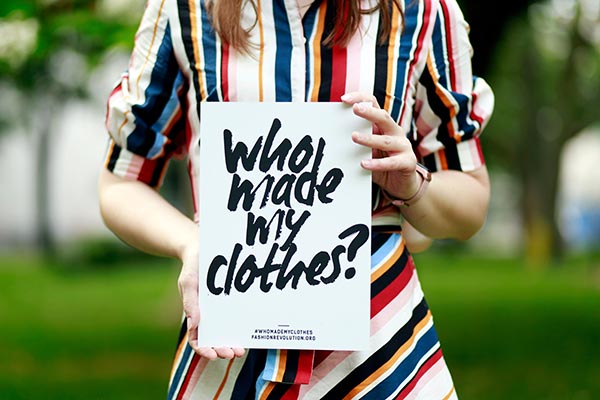
The fashion industry has been under fire for some time over its excessive carbon footprint and the pollution it generates. Now a new metric is being thrown into the mix: Traceability. In this article, we define traceability and cite several reports that paint a not-very-flattering picture of progress the industry is making. Read More

The Alpha generation (2013–2025) is acutely aware of the environmental crisis. Climate change will have catastrophic consequences within their lifetime. Influenced by their millennial parents, this generation will also soon have the power of purchase, and as such, their choices will increasingly inform and make a significant impact on the textile industry. They are born as eco-conscious consumers and will choose and actively source environmentally secure products. This is beginning to drive systemic change in the industry, as pointed out by Debbie McKeegan, textiles expert and WhatTheyThink contributor, in this article originally posted on the Pixel to Parcel blog. Read More

This article from Heather Kendle, Manager, Product Management, Epson Europe BV, provided compliments of textiles expert and WhatTheyThink contributor Debbie McKeegan, points out that the processes and materials at work in the fashion industry are fast approaching their expiration date. Japanese designer Yuima Nakazato has partnered with Epson to help accelerate the needed change for fashion to achieve a more sustainable future. This includes the benefits of newly developed dry fiber technology. Read More

The volume of returns of unwanted purchased goods has skyrocketed, especially for ecommerce retailers. In fact, the value of returns in 2021 was greater than the U.S. government spend on national defense! There are programs in place to help mitigate this wasteful practice, including aggressive actions by Amazon and others to help with landfill diversion. Read More
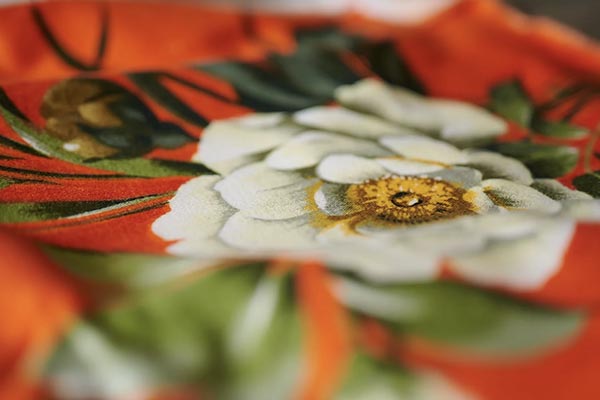
Vintage is in! Learn why certain vintage designs pass the test of time, and in fact, are growing even more popular. In this article, originally published in Print Pattern Archive and provided compliments of textiles expert and WhatTheyThink contributor Debbie McKeegan, Cheryl O'Meara shares her expertise in finding, identifying and making available unique and timeless vintage designs. Read More

As Earth continues to heat up, brands, retailers and consumers alike are looking for innovate cooling technologies for textiles and apparel, and there are a number of them already on the market. As we note in this article, however, this is very much a “buyer beware” market, as not all cooling fabrics appear to operate as promised. Read on to learn more. Read More

In this article, originally posted on the Pixel to Parcel blog and provided compliments of textiles expert and WhatTheyThink contributor Debbie McKeegan, the role of the next decade's designer is explained. As a creative, the designer must now onboard a deeper understanding of the product’s components, the manufacturing process, the data and information held within the supply chain, and the final product’s subsequent circularity in order to deliver a product with a defined and credible plan for end-of-life. This will soon be regulatory. Designers should be preparing today for this new focus. Read More

Mosquitos are the biggest killer on the planet, killing more than 725,000 people per year. That’s more than humans, snakes, dogs, and other creatures. But help is on the way. Researchers at North Carolina State University have done groundbreaking research on insect-proof textiles. Learn more! Read More
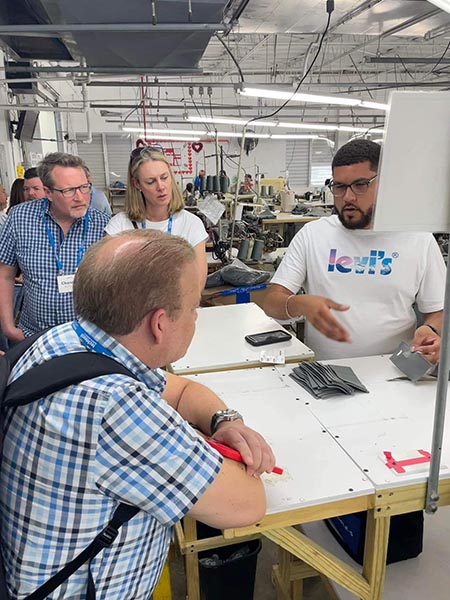
SPESA, the Sewn Products Equipment and Suppliers of the Americas, is an industry association that represents suppliers to the industry, and plays a key role in the ability to streamline supply chains, bring textiles work back to the Americas, find more ways to automate the sewing process, and attract new talent. Cary Sherburne talks with SPEA president Michael McDonald. Read More
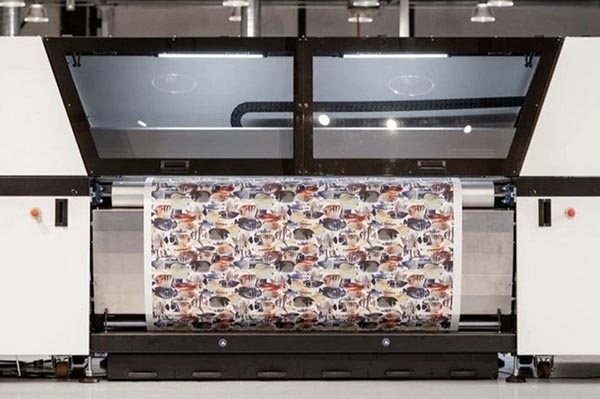
In this article, compliments of textiles expert and WhatTheyThink contributor Debbie McKeegan, she provides an update on digital textile printing via Future Markets research, and also explains why increased interest in custom home and interior décor is poised to further spur market growth for digital textile printing. Digital share for digital textile printing still hovers around 10% of all printed fabric. Read More
The latest developments in digital textile printing vastly reduce the factory footprint for technology while also reducing (if not removing altogether) the need for ancillary machinery. Wet-on-wet printing is widely recognized as one of the main facilitators in this simplification. WhatTheyThink contributor Debbie McKeegan takes a deep dive into wet-on-wet, one-step textile printing solutions. Read More

This article, complements of textiles expert and WhatTheyThink contributor Debbie McKeegan and the Pixel to Parcel blog, reports that ITMA 2023 in Milan marked a significant turning point for textile innovation, AI, and creativity. In fact, this article was created using AI, with search terms recycling, fashion, and environmental! It covers the need for the textiles and apparel industry to step up its action on reducing its environmental footprint and preparing for an onslaught of regulatory changes over the next few years. Read on! Read More

In a digital world, many expect color management to be an exact science, a simple and automatic function of the print process—simply place your on-demand order, and voila—your print arrives on time and just as you imagined it. But unfortunately, that’s far from true. In this article, complements of textiles expert and WhatTheyThink contributor Debbie McKeegan and the Pixel to Parcel blog, color management—and how to get it right, first time, every time—are explained. Read More
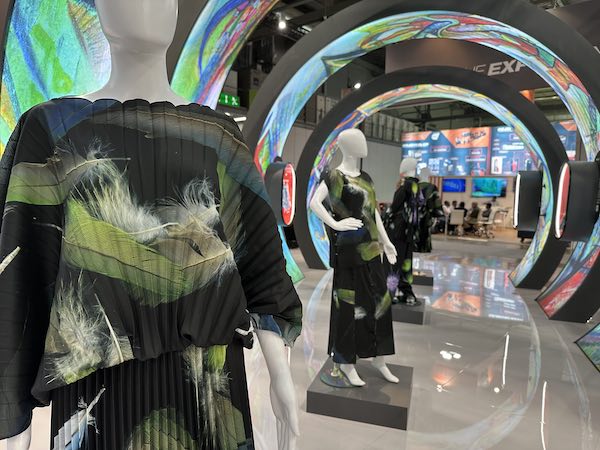
All hail the power of print, for ITMA didn’t disappoint. Packed with innovations at all levels, the show proved to be an incredible success. Visitor numbers reached 111,000 from an impressive 143 countries, and exhibitors peaked at 1,709 spread across an incredible 200,000 square meters of exhibition space. The venue was well organized, easy to reach, and well-serviced; and for those that exhibited and those that visited, was credited as a truly successful experience. Textiles expert and WhatTheyThink contributor Debbie McKeegan shares her perspective. Read More
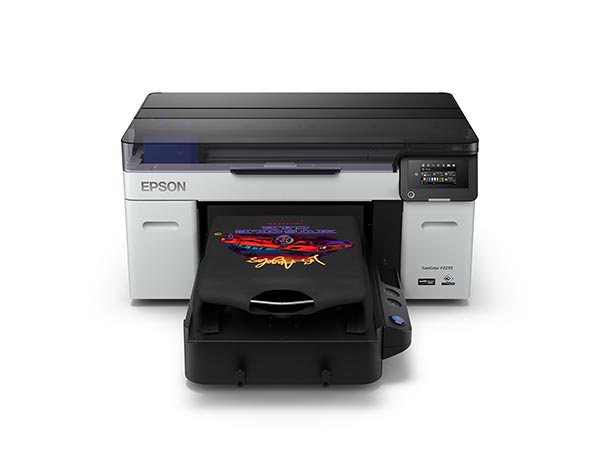
Epson has long been a leader in direct-to-garment printing. With the launch of the new SureColor F2270 to the North American market, Epson is bringing its third generation of this popular affordable mid-level direct-to-garment (DTG) platform to market with a number of enhancements that benefit quality and productivity, and have sustainability characteristics as well. We spoke with Epson’s Senior Product Manager, Tim Check, to learn more. Read More
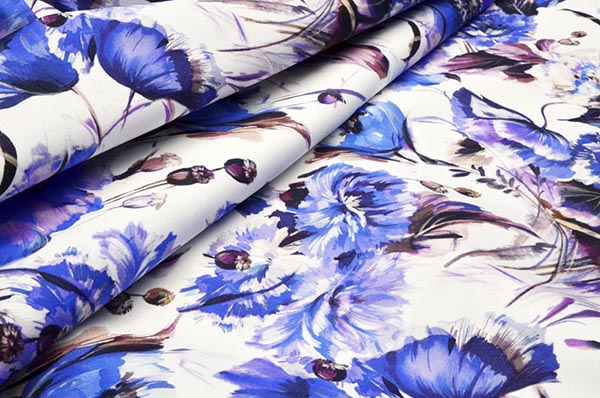
This guest article written by Jos Notermans of SGPrints, and brought to you compliments of textiles expert and WhatTheyThink contributor Debbie McKeegan, dives into some of the objections or concerns of textile printers who have not yet stepped into the digital world, and explains why they should be making the move to digital, sooner rather than later. Read More
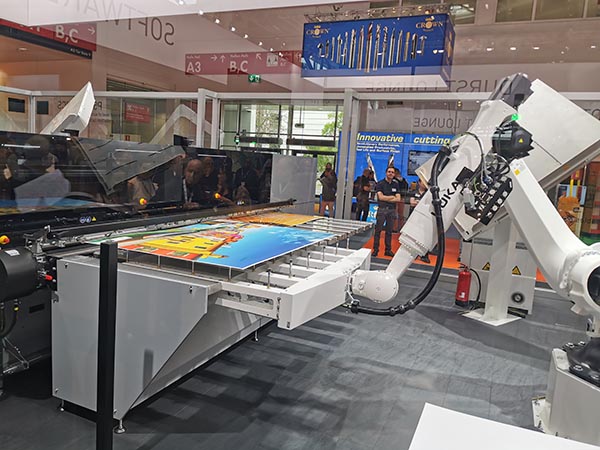
The FESPA Global Print Expo was held in Münich, Germany, May 23 to 26. WhatTheyThink European section editor Ralf Schlözer attended and identifies some highlights from the show. Read More
ITMA, the International Textile Machinery Association, opened the doors for its quadrennial show in Milan, running from June 8 to 14. Owned by CEMATEX and organized by ITMA, this edition is focused on “Transforming the World of Textiles.” For those of you in the printing industry who may not be familiar with ITMA, it’s the drupa of the textiles industry. In this article, we present some of the show highlights as of this writing. Stay tuned for more! Read More

Kyocera printheads are popular components in many digital textile printing systems. Now, Kyocera has applied that knowledge and expertise to its first digital textile printer, FOREARTH, making its first public appearance at ITMA in Milan. In this interview, Sho Taniguchi, Kyocera’s Deputy General Manager, IDP Business DevelopmentDivision, explains the strategy behind development of this system and why they believe it is beneficial to the textiles market. Read More
Levi’s turns 170 this year, but it’s not letting its age get in the way of its innovation. The company reports that it has allocated 25,000 hours to a team of in-house robots over the past year. These robots, though, are not replacing employees. Rather, they are making work more efficient and enjoyable by freeing employees from performing a number of often repetitive and tedious tasks, and making more time for them to focus on more strategic activities. And Levi’s isn’t alone in harnessing the power of robots to make work more efficient. Here’s a quick pre-ITMA view of robotics in textiles, with more to certainly come from the world’s largest textile industry trade show, this week in Milan. Read More
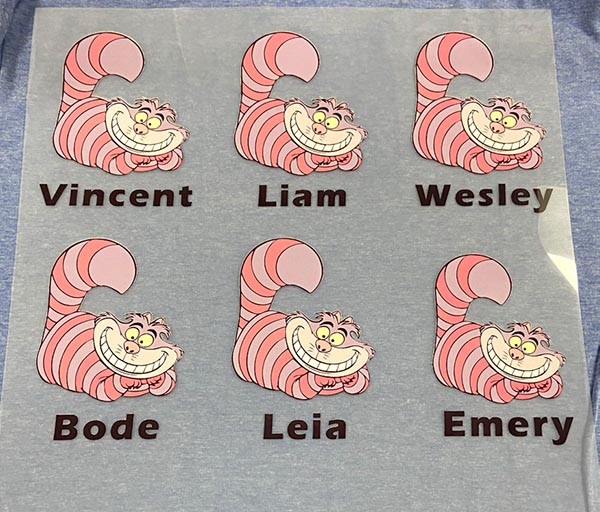
As commercial printers, in-plants, and sign and display graphics printers look for ways to expand their businesses and offer new products and services to their customers, expansion into the textiles industry looks like an interesting opportunity. Cary Sherburne explains how. Read More

From DTG & DTF to screen printing and from digital inks to consumables, the scope of innovation was evident to all attendees who showed great interest in the 70+ new product launches at FESPA. In this article, textiles expert and WhatTheyThink contributor Debbie McKeegan offers some highlights of the most notable unveilings that took place at this global show. Read More
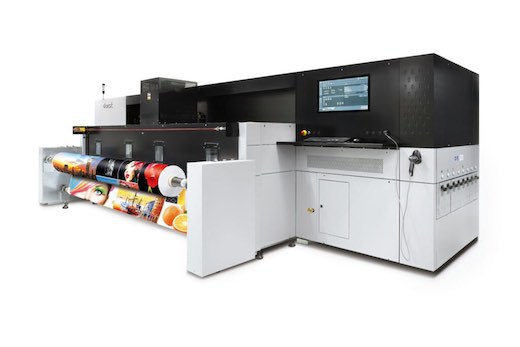
In this article, sponsored and written by Durst, learn about the Durst P5 TEX iSUB dye-sublimation printer. With a 3.3m width, the P5 TEX iSUB can print direct-to-fabric as well as on transfer papers, and offers Dual- and Multi-roll options. Read More

Simon Platts, CEO and Co-founder at RE-UP, has been a fashion industry practitioner for more than three decades and has the knowledge, experience and industry insight to successfully navigate change. In this article, compliments of textiles expert and WhatTheyThink contributor Debbie McKeegan, she and Simon discuss the systemic change required in the fashion industry and how it could be changed at warp speed through collaboration, transparency, and knowledge transfer. Read More

Dye sublimation continues to grow in popularity as a digital fabric printing technology. Critical to the quality of the print are the inks and transfer papers. In this article, textiles expert and WhatTheyThink contributor Debbie McKeegan reviews both. Read More

The Graphene Council recently hosted a webinar on the current state of the graphene market. Senior editor Cary Sherburne provides some highlights. Read More

Milan Design Week is the final event in a European trilogy of fashion extravaganzas, which also includes events in Paris and London. In this article, compliments of textiles expert and WhatTheyThink contributor Debbie McKeegan, she provides event highlights, including a new vision of fashion success designed to be both circular and strategic. Read More

DTF (direct-to-film) apparel printing is making a real impact on the decorated apparel market. Machine manufacturers now offer ever more successful industrial solutions for this growing technology that just a few years ago seemed to be the preserve of the small craft manufacturer. In a global market for DTG (direct-to-garment) printing that is predicted to reach nearly US$1.9 billion by 2032, the DTF process is gaining ground by the month—as it offers new and unique advantages to trade printers. Textiles expert and WhatTheyThink contributor Debbie McKeegan shares more information in this article. Read More

The global digital textile printing market size which was valued at US$2,669 million in 2022 is expected to expand at a compound annual growth rate (CAGR) of 14.4% from 2023 to 2030 when it will reach US$8,957 million according to Grand View Research, and the use of dye-sublimation technology continues to grow. In fact, Grandview Research also found that 52% of all digital printing used dye-sublimation inks, making it the largest ink type by usage in the digital textile print sector. Learn more in this informative article compliments of textiles expert and WhatTheyThink contributor Debbie McKeegan. Read More
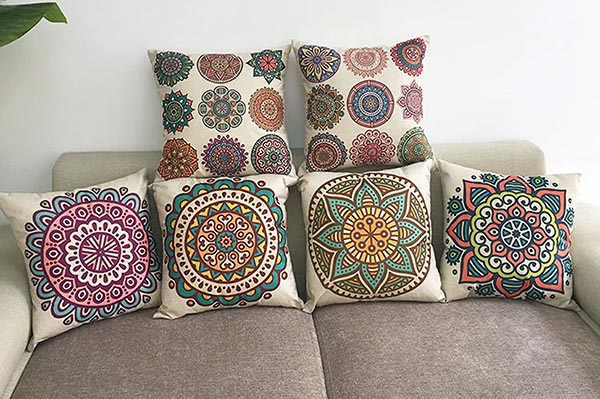
This article is the first in a series on inkjet for textile printing. It is intended for companies not currently involved in textile printing other than signage. The goal is to assist companies to evaluate, optimize and grow their businesses using inkjet with a focus on roll-to-roll inkjet textile printing, choosing the best technology and equipment fitting their specific needs. It’s essential to consider the production process and its distinct but related stages getting the best results from a digital textile printer. Read More

In its second year, the Decentraland Metaverse Fashion Week, held in late March, demonstrated the newest advancements in digital fashion with a theme of Future Heritage. It was a global virtual event with more than 60 iconic brands, digital fashion houses, artists and independent designers showcasing their latest creations, leveraging the latest digital technologies for a fully immersive experience. To learn more, be sure to read this fascinating article from textiles expert and WhatTheyThink contributor Debbie McKeegan. Read More
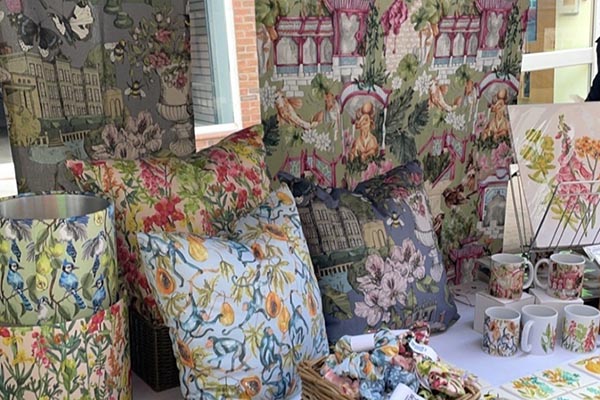
Today we are sharing another “Meet the Designer” story compliments of textiles expert and WhatTheyThink contributor Debbie McKeegan. Sarah Thorley is a recent graduate of Bolton University BA(Hons) Textiles and Surface Design and was recognized in the Green Grads-ECO STORIES Textile Challenge. Learn how Sarah is leveraging technology in developing her product range and how she is learning about commercial life in real time (as a solo designer) in a challenging marketplace with her Pink Tiger Design brand. Read More
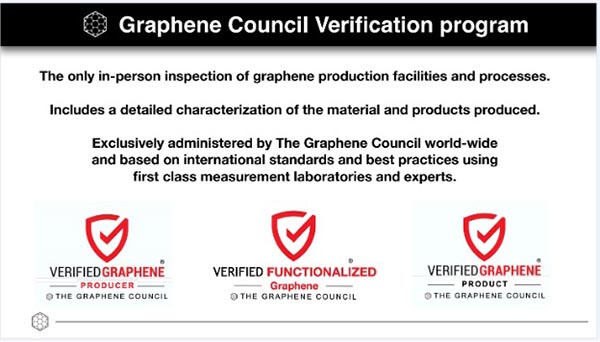
Graphene was discovered in 2004, has been described as a miracle material, and its discoverers were awarded the Nobel Prize in Physics in 2010 as a completely new material. We’ve written about graphene before, and usually there’s a graphene item in our weekly Friday Around the Web feature. But for more depth, this article reviews a recent study on products claiming graphene content and also encourages materials suppliers and manufacturers to do their due diligence and to seek certification that their materials and/or products actually include graphene. Spoiler alert: 80% of the products tested had no graphene content! Read More

Digital textile printing has grown more slowly than projected, but an emerging new business model perhaps promises a boost to that growth. In this new model, digital printing as a service, the digital print enterprise offers a managed virtual shop for the designer, where their designs and styles are presented online to the public, but where all the shop functions, comprising order handling, payment processing, digital printing, and drop-ship delivery are handled by the digital printer. Learn more about this trend in this article provided by textiles expert and WhatTheyThink contributor Debbie McKeegan. Read More

The fashion industry is in need of radical transformation in order to reduce its deleterious effect on the environment, including excessive wastewater, carbon emissions, impact on landfills, and more. In this article, we review a recent study produced by Aptean, which approaches the problem from the perspective of the value of an effective, purpose-built ERP, but we also note that the industry must go beyond that with a holistic view of the entire life cycle of its products in order to have any hope at all of meeting aggressive 2030, and even 2050, sustainability goals. Read More

Leeds Arts University graduate Estelle Pearce, who earned a Masters in Digital Fashion, was selected to showcase her work at Digital Fashion Week New York and London Fashion Week. She works in both physical and digital media and has more than 15 years’ experience in the fashion industry. In this interview, compliments of textiles expert and WhatTheyThink contributor Debbie McKeegan, we learn more about her work and how she utilizes technology to explore her creativity. Read More

After seeming to stall for some time, the digital textile industry is now projected to grow by 14.4% to 2030 according to Grand View Research. In this article, compliments of textiles expert and WhatTheyThink contributor Debbie McKeegan, we recap the research and why it is important to the industry and to the planet. The growth will be driven by the success of web-based on-demand business models—the urgency of the sustainability agenda—and the sheer economic efficiency of digital textile printing, according to the research. Read More

How much fungi do you expect to see in your future? There is a tremendous amount of research and development ongoing to develop various forms of fungi—including mushrooms and their “roots,” mycelium—into replacements for everything from meat to leather and more. Read on! Read More
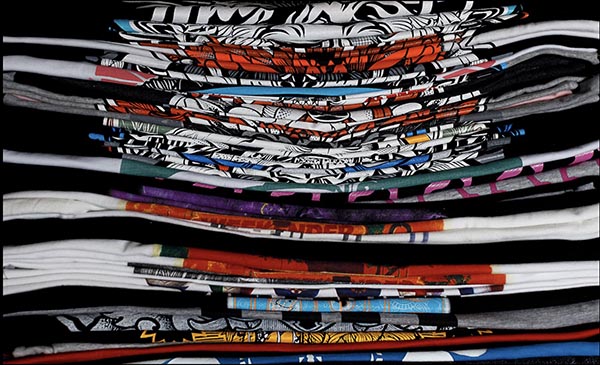
Stellar growth in the use of direct-to-garment (DTG) digital textile printing machinery continues to provide a unique and highly successful business model, gaining traction worldwide. As a technology built to deliver speed to market, it’s built for on-demand production and as such sustainable manufacturing—driving down inventory and production costs. In this article, provided by textiles expert and WhatTheyThink contributor Debbie McKeegan, you'll learn not only about DTG opportunities, but also the growing field of direct-to-film for garment printing. Read More
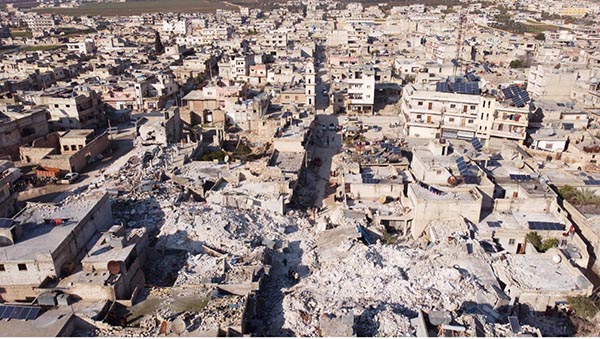
The earthquake in Turkey was a truly devastating event. The death toll is nearing 50,000, a toll that is expected to grow significant over the coming days and weeks, making it the worst disaster in the country’s modern history. The only good news is that, miraculously, rescue teams are still pulling survivors from the rubble, including three that were rescued 11 days after the event, which occurred on February 6. The Istanbul Fashion Connection was scheduled for February 8 to 11 in Istanbul. Hanna Abdulla, News Editor for Just Style, was in the country for the event. We share a few of her insights about how the industry is working to help during this crisis and some background on the textiles industry in Turkey. Read More

Japanese designer Yuima Nakazato chose Paris Fashion Week to launch his latest collection. He seeks to deliver garments that enhance the life of the wearer whilst seeking to improve the environmental impact of the fashion Industry and ultimately to democratize couture. His work symbolizes the reform of apparel—where design and materials combine to deliver a biophilic experience, nurturing the body and the planet simultaneously. Read More
As fashion week hits New York’s runways it's a good time to review the state of the industry and its progress...or not...toward a more sustainable future. Here we provide high level results from a research report produced by The Climate Board in partnership with Textile Exchange: “Friction Points in Fashion and Textiles: Removing Barriers and Accelerating Climate Action.” Read More
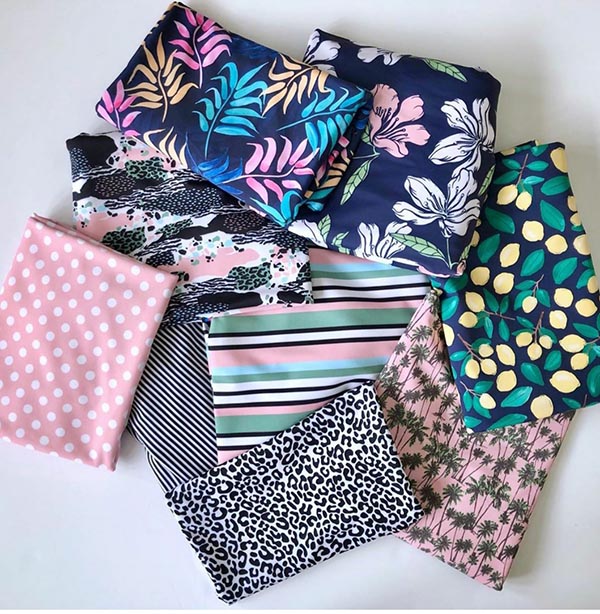
The textiles and apparel industry overall has seemingly made little progress toward stated sustainability goals, but there are bright spots that light the way to a more sustainable future for the industry. In researching this article, we spoke with three thought leaders in the industry who we hope will act as an inspiration to others, accelerating the industry transformation that must ultimately occur, including Adobe, Raspberry Creek Fabrics and Spoonflower. Read More
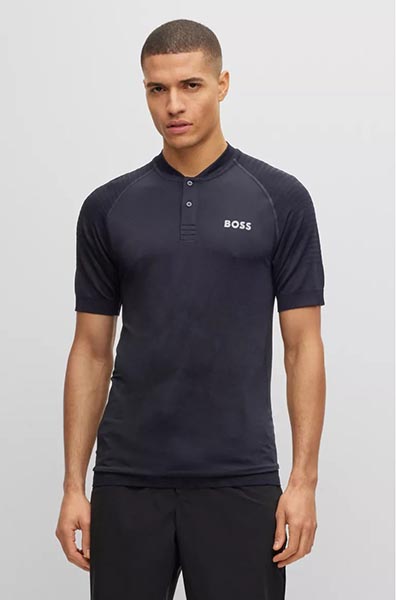
The U.S., for several years, has been trying to bring back manufacturing across the board, including textiles and apparel. The pandemic and the resulting supply chain crisis spurred more action toward this goal. But simply bringing back manufacturing and doing the same old things, only here in America, I don’t believe plays into the American ingenuity theme. That’s where new shoring comes in. Yes, bring back manufacturing. But do it in a way that is innovative, automated, sustainable, and yet competitive. For more details about new shoring, there is an excellent article available on “The Sourcing Journal” (subscription may be required). Read More
This video interview, conducted by and provided compliments of textiles expert and WhatTheyThink contributor Debbie McKeegan, discusses digital textile printing with Adele Genoni, senior vice president and general manager of EFI Reggiani. They discuss new printing technologies and Adele shares her insights on industry trends and how EFI Reggiani technology is evolving to fulfil market demands. Read More

There is no denying the negative impact the multi-trillion-dollar global fashion industry has had—and continues to have—on the planet. Some fashion brands are making honest and open efforts to reduce their carbon footprints; some are greenwashing; and some are simply doing nothing. Until consumers take a stand and drive Fast Fashion out of their wardrobes, not much is likely to change. But there is hope on the horizon, according to Paul Foulkes-Arellano of Circuthon Consulting. In this article, learn about Regenerative Fashion, benefit from Foulkes-Arellano’s deep insight, and think about how you can change your buying habits to help reduce fashion’s impact on the planet. Read More
Have you been wondering whatever happened to Adobe Textile Designer? In this article, compliments of textiles expert and WhatTheyThink contributor Debbie McKeegan, we learn what Aquarios, who is now licensing and further developing Adobe Textile Designer, has up their sleeves. It is also important to note that the software supports a PDF workflow, which can be more efficient than a workflow dependent on image files. Read More

One of the challenges for textiles and apparel with regard to its abysmal sustainability performance is weaning itself away from petro-based fibers, including polyester and polyester blends, which account for about 60% of garment fabrics today. We've written about a number of alternative natural fibers that could replace these detrimental fossil-based plastics. Most recently, seaweed has surfaced as a potentially viable alternative. Sound icky? It’s not. Be sure to read this article compliments of textiles expert and WhatTheyThink contributor Debbie McKeegan that describes the potential of AlgiKnit yarns to make a difference in sustainability for textiles and apparel. Read More

Last summer, we asked our readers, “Are you ready for the Gen Z work force?” As we enter 2023 and the balance between open jobs and available employees still has not balanced out, it’s time to revisit this topic again. Remember that Gen Zers will make up 25% of the workforce by 2025, when they will range in age from 13 to 28. They are a rich source of potential employees—now and for years to come. We thought it would be good to review what they are looking for, how to hire and retain them, as we enter 2023 with an economy this is still a bit chaotic. Read More

Events like Epson Design Awards are critical to helping new talent get recognized and established. It is this new talent that is the hope for our future. This year, the recipient was Megan van Engelen. In accepting the award, she said, “I really want to tell my story, and I think that’s more important than saying that the world is dying, because at this point, we need to show people how we can offer solutions and I think that’s what designers are for, and that we show people how we can be more sustainable.” Thanks to textiles expert and WhatTheyThink contributor Debbie McKeegan for sharing this story. Read More
We’re hearing more and more about demand for customized wallpaper—or at least there are more providers offering this solution, ranging from family-owned Raspberry Creek Fabrics to Shutterfly-owned Spoonflower. In this article, compliments of textiles expert and WhatTheyThink contributor Debbie McKeegan, Phil McMullin of Epson talks more about the trend. Read More
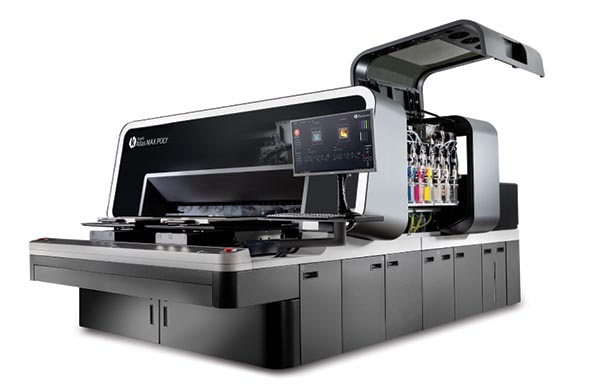
Textiles expert and WhatTheyThink contributor rounds up the textile and apparel technologies that were introduced and shown at PRINTING United. Read More

This was a year of recovery for textiles and apparel as supply chain issues began to settle a bit, and suppliers were back online after the pandemic. Consumers were also buying—both online and back in-stores, which is good news for brands. Senior Editor Cary Sherburne looks back at how the industry has slowly started to embrace sustainability and some of the initiatives to keep an eye on in 2023. Read More

Looking for an athletic garment that is both waterproof and breathable? With new developments from Polartec, that will become easier as its new Power Shield laminate is incorporated into garments expected to come to market in the fall of 2023. We spoke with Michael Cattanach, Polartec’s Global Product Director, to learn more. Read More
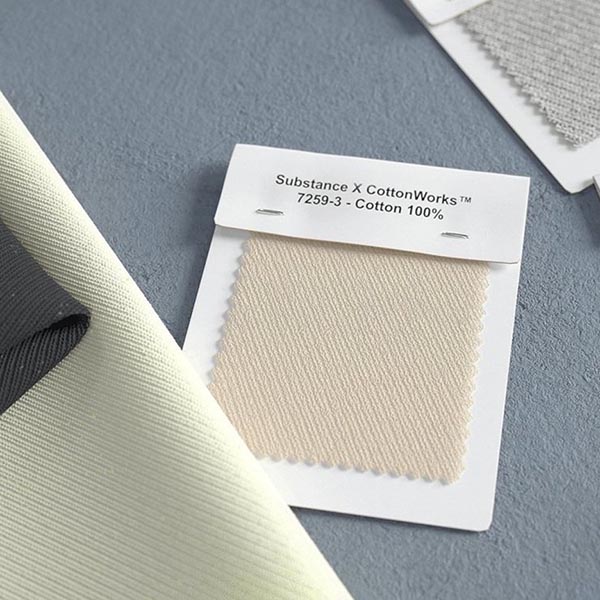
As we get back to in-person trade shows, suppliers to the textiles and apparel industry are proud to show off the latest innovations, assuring producers that despite the difficulties of the pandemic, supply chain and more in recent years, their development efforts continue. In this industry round-up, textiles expert and WhatTheyThink contributor Debbie McKeegan shares some of the latest innovations that are driving digitization across the supply chain. Read More
For some time now, we’ve been asking, “What’s in your closet?” This is in the context of making your lifestyle more sustainable as the world struggles with a growing climate crisis. While governments, NGOs, corporations, and others are working to improve sustainability and reduce their carbon footprint, it really will take all of us to get this done. Learn how serious reconsideration of your wardrobe can be a contributing factor. Read More
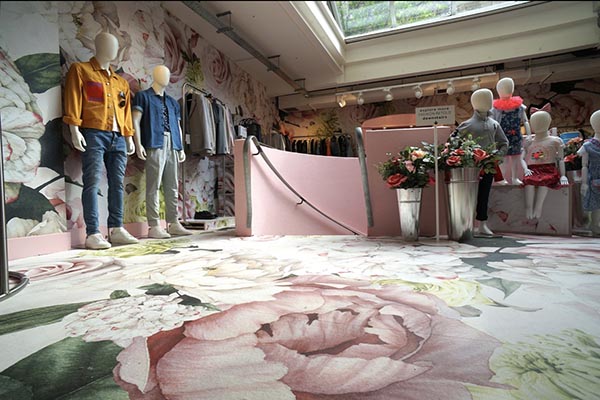
Andy Wilson, the owner of Kent UK based PressOn, a wide-format printing company, entered the print industry some 28 years ago and has been a disruptive force ever since. He has consistently questioned the norm to develop and deliver new products, applications, and commercial opportunities—often in challenging times. We share his story here, compliments of textiles expert and WhatTheyThink contributor Debbie McKeegan. Read More
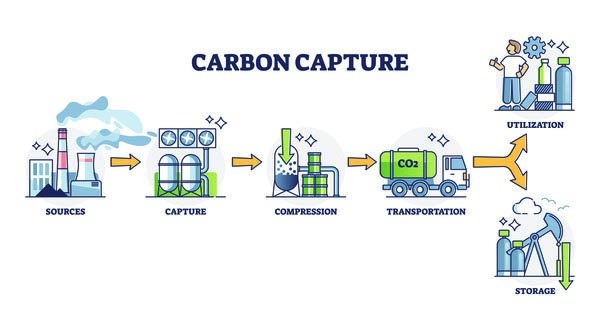
There is a lot of discussion around companies and governments reducing their carbon footprints, aiming toward carbon neutrality by some date, and changes they plan to make to accomplish these sustainability goals as part of the effort to bring the climate crisis under control. But little is being said about a companion approach: carbon capture and repurposing. This article defines carbon capture and presents its current technological state. Read More

The design of textiles now demands speed, accuracy and embedded data. The patterns we create are no longer single use, and in a digitized world, their final product form, material application, and flexibility must now be considered and often incorporated into the original artwork. WhatTheyThink contributor Debbie McKeegan looks at Aquario Textile Designer offers a comprehensive suite of professional apparel and textile design tools with which to prepare and perfect the origination and production of a textile pattern or product. Read More
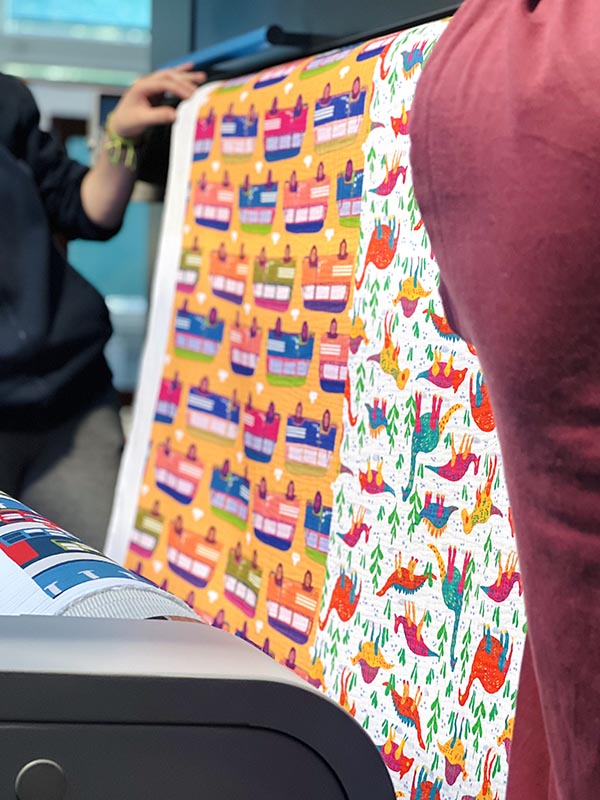
As the digitization of the textile industry accelerates, on-demand textile printer Caspar’s business model is built for a new decade of industrial manufacturing using smart technologies—they have equipped their smart factory with necessary tools for success. This interview, compliments of textiles expert and WhatTheyThink contributor Debbie McKeegan, tells the story. Read More
Richard Romano and David Zwang tag-team a look at, respectively, wide-format & textiles and labels & packaging at the PRINTING United Expo 2022. Read More

Printer manufacturer Epson and fashion innovator LABELEDBY are organizing once again this year the Epson Design Awards, scheduled for November 15th. In this article, compliments of textiles expert and WhatTheyThink contributor Debbie McKeegan, we take a look back at last year's winner as an example of what we can expect from the 2022 awards. Read More
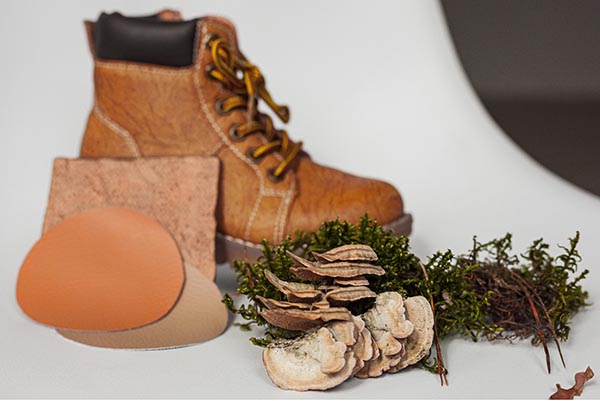
We’ve been writing about sustainability issues in textiles and apparel and some of the advances that are being made, as well as the barriers—addition to Fast Fashion being one of the latter. But we haven’t really addressed a big segment of the market: shoes. In this article, we delve into some of the advances that will make shoes more sustainable, and also caution our readers not to become over-consumers—of shoes or anything else! Read More

We’ve been writing a great deal about sustainability options for the textiles and apparel industry with the hope that brands and consumers will be inspired to change their wasteful behavior, including getting rid of the fast fashion concept in lieu of longer lasting, more sustainable apparel, use of non-petroleum materials, more local and on-demand production, and more. In today’s article, we take another look at some of the advances in more sustainable fiber that can reduce the industry’s dependence on fossil fuels. Read More
Textiles expert and WhatTheyThink contributor Debbie McKeegan does a great job of keeping up with the latest industry news especially as it relates to sustainability. We were pleased to read this post on her site, and thank her for allowing us to reprint it: The U.S. Climate Smart Cotton Program is another example of how textiles in North America, from field, to fiber, to fabric, is working to become more sustainable and this grant awarded by the USDA will help in establishing adoption of climate smart practices on more than one million acres of cotton. Actions like this will be key to more reshoring of textiles to North America. Read More

“Digitization” and “digitalization” sound similar, and it is common for people to confuse their meanings. Digitization focuses on the data required to objectively communicate product requirements, while digitalization is the process required to implement that workflow. ColorKarma’s Shoshana Burgett explains how the apparel industry needs both to successfully lower costs, speed product launches, and deliver sustainability targets. Read More
Sometimes—or maybe even most times—it seems like progress toward sustainability and a more circular life cycle moves at a snail’s pace. But behind the scenes, the industry’s suppliers are making amazing progress. Textiles expert and WhatTheyThink contributor Debbie McKeegan tracks many of these initiatives at Texintel’s Eco News. Here are some recent headlines. Read More

Graphene is a miracle material with the potential to revolutionize textiles. Senior editor Cary Sherburne takes a look at the current state of graphene-enhanced textiles. Read More

50+ participants in the GREEN GRADS program shared their ideas to help heal the planet. Each submitted a portfolio with patterns that reflect their environmental concerns and/or love of the natural world, taking into account eco-friendly textiles, dyes, and methods of production. Green Grads is a not-for-profit event, organized with goodwill and with all time given freely. Read the full story. Read More

In this space, and across many other industry spokespeople, the call for an end to fast fashion has been resonating loudly. But are the brands and retailers—and consumers—taking this call for a reduction in unnecessary consumption seriously? It seems not. Read More

One of the trends that emerged from the pandemic was an increased focus on décor -- home, office and otherwise. And that included a resurgence in interest in wallpaper. New technologies, including high quality production inkjet printing and equipment designed specifically to output short runs of customized wallpaper, have made it easier than ever before to produce bespoke wallpaper. And designers and producers alike are taking advantage of this trend. In this article, compliments of textiles expert and WhatTheyThink contributor Debbie McKeegan, we highlight the work of John Mark Watson of John Mark LTD as an inspiration to others. Read More
As we have been discussing in this space, graphene, a miracle material discovered in 2004, has begun to make inroads into the textiles industry, with a growing number of products that are graphene-enhanced, either with coatings, inks, or covalently bonded to the base fiber. We recently came across Czech-based GrapheneUP, who has added graphene-enhanced inks and coatings for textiles to their product mix. Read More

What's the latest advice for sign and display graphics operations that want to print soft signage more sustainably? In this article written by Ella Faulkner of Soyang Europe, provided compliments of textiles expert and WhatTheyThink contributor Debbie McKeegan, it is pointed out that public sector spaces are under ever-increasing pressure to offer a sustainable environment filled with sustainable products. So, too, are educational and health facilities. But the biggest market is found in retail where showing off green credentials is demanded by customers. The article explains what types of textile printing are greenest and technologies that can limit waste and reduce water and energy usage. Read More

Are we starting to see a resurgence in the US textiles and apparel market? In a recent article, we addressed some of the activity relative to localized cut-and-sew operations, the “last mile” for apparel manufacturing. In this article, we take a deeper dive into what Hodges International has done with Sparty Mill to help this resurgence along. Read More

As part of our ongoing series featuring the next generation of textile designers compliments of textiles expert and WhatTheyThink contributor Debbie McKeegan, we welcome you to read about Lily Elo. Her current project INTERFERENCE focuses on the phenomena of light interference creating an iridescent color spectrum. Read More
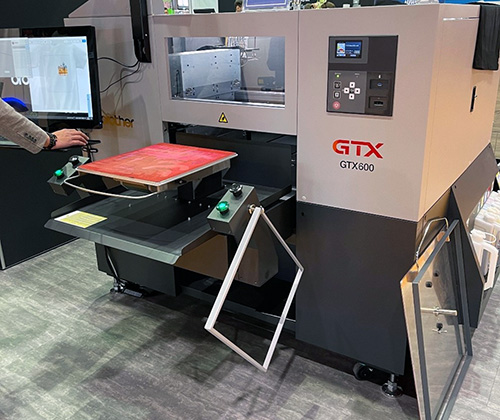
If you’ve been paying attention to some of this year’s new DTG printer launches, you may have noticed that the traditional gap between commercial and industrial printers appears to be closing. Today’s DTG devices are delivering faster printing speeds, better print accuracy, and more advanced technologies—all with a smaller footprint and a lower price tag. This article offers a brief overview of the devices that are blurring the lines between commercial and industrial printers. Read More
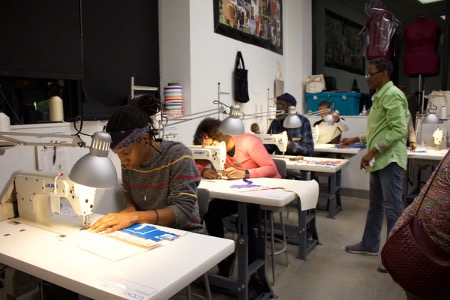
One of the key barriers to reshoring textiles and apparel has been the lack of sewing talent, the final mile, if you will, of localized apparel and home décor manufacturing. Recently we have seen a number of new cut-and-sew operations pop up across the nation, an encouraging sign for the future of the American textiles and apparel industry. Read More

In this space, we have had a great deal of discussion about sustainability, supply chain, and the need for dramatic change in the textiles and apparel industry. In today’s article, we look at some of the important research and journalistic organizations that are helping drive this change, the important role they play, and some of their upcoming events. Read More

Live events are back in play and here to stay! They support and connect the print community by providing a window of opportunity where networking and the transfer of knowledge go hand-in-hand. Textiles expert and WhatTheyThink contributor Debbie McKeegan talks with Jason Burroughs, Managing Director of Perfect Colours, about why their workshops offer the visitor such a valuable experience. Read More

Before the pandemic, I never dreamed I would be writing about supply chain so often. But then, before the pandemic things were different…or were they? The problems were there back then, but they were exacerbated and brought to the forefront due to pandemic-related issues. With all the supply chain noise, we wondered whether there would actually be meaningful solutions soon, and/or whether reshoring and digital production would be accelerated. A Forbes article on the topic sheds some light here. Read More

In this article, compliments of textiles expert and WhatTheyThink contributor Debbie McKeegan, we take a look at textile sustainability innovations and insights, with a focus on the supply chain, greenwashing, and truly sustainable initiatives. Read More

Greenwashing is rampant in the fashion industry, but there is growing scrutiny on this unethical practice. Will it be enough to reduce the tide of discarded clothing and other textile items that are burned or dumped in the landfill? Will we really get to any kind of circular life cycle for fashion? There are encouraging signs, but we are far from reaching any kind of critical mass. Read More

Design writer, curator, and photographer Barbara Chandler, who has been writing about design and decoration for more than 40 years, has documented the New Designers in Residence program at the Business Design Centre in Islington, UK. She has meticulously recorded their details in an ongoing commentary on Flickr and has a huge archive going back some 15 years. In this article, provided by textiles expert and WhatTheyThink contributor Debbie McKeegan, you will see and learn about the program and some of her favorite images. Read More
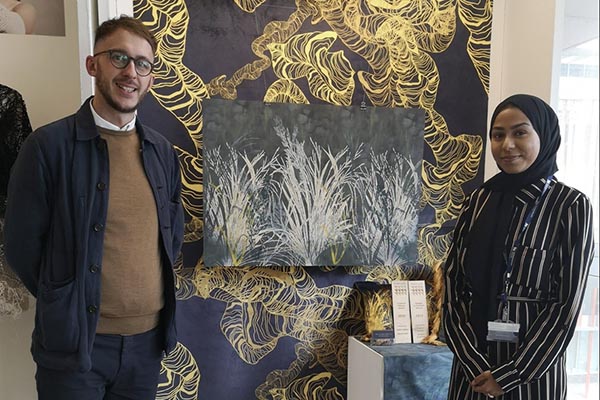
The textiles industry is blessed to have many young, innovative and creative designers entering the field. Maria Begum is just one example. She was recently awarded the Epson "Design in Context Award" for her work titled "The Floating Fields of Bangladesh," which combined dye sublimation printing and laser engraving to achieve stunning results. Thanks to textiles expert and WhatTheyThink contributor Debbie McKeegan for sharing this story with us. Read More
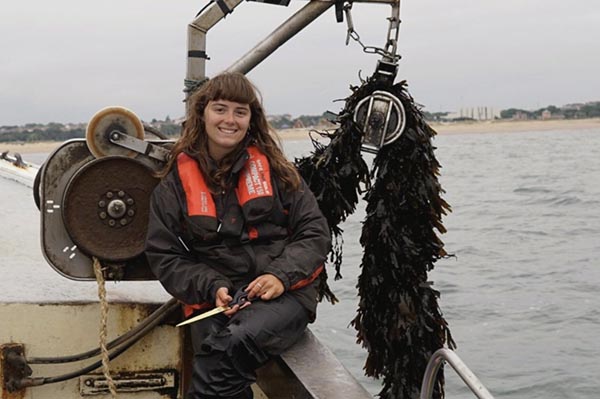
We all love bright colors in our garments and home decor, but much of this color comes from toxic dyes that have deleterious effects on the environment. We congratulate professionals like Phoebe Lewis, an industrial designer focusing on developing products that help restore marine ecosystems and coastal communities, for her work in creating natural dyes from seaweed that could replace some of those toxic alternatives. Read More

How vegan is vegan leather, and what is the future of this alternative to animal-based leather? In this article, we summarize the literature on the topic, including how damaging animal-based leather is to the environment, the different types of so-called vegan leather, and the future of truly 100% plant-based leather, an important element of a sustainable future. Read More

Home decor is a hot market, and wallpaper, which had fallen into disfavor over the years, is making a comeback, fueled largely by the high-quality, fast turn, customized wall covering products now enabled by digital printing solutions. Printer manufacturers like Xeikon are offering turnkey wall covering production solutions, and companies like Spoonflower see high demand for custom wall coverings from its maker community. In this article, complements of textiles expert and WhatTheyThink contributor Debbie McKeegan, PONGS Group explains how they use digitally printed wallcoverings to add drama, scope, and style to their designer kitchens. Read More

In this story, compliments of textiles expert and WhatTheyThink contributor Debbie McKeegan, five winners of the prestigious Central Saint Martins Maison/O Green Trail competition demonstrate how the next generation of textile professionals is working to address the climate emergency. Their submissions range from transformational garments to production methods that scale textile dyeing with bacteria and spatial design that supports reforestation. Read More

Utah-based Raspberry Creek Fabrics recently received a patent for unique web-to-print software for roll-to-roll fabric printing which automates the step-and-repeat process in a way that creates the smallest possible file, speeding the printing process. Senior editor Cary Sherburne talked to co-founder Justin Rammell about the process. Read More

Subscription services and fashion boxes for apparel—the ability for consumers to sign up for periodic boxes of personalized clothing selections—predated the pandemic, but arguably, these services prospered along with the rest of ecommerce as a result of retail closures, work-from-home, and a general concern with going out in public. Will that success carry forward as we enter the endemic stage of COVID? And how do these services rank from a sustainability perspective? Read More
Quite often errors only become visible once a textile design is printed on fabric. The printing machine is blamed most of the time for these errors, especially when the resolution is so high that every file error becomes visible when printed. In this article, provided compliments of textiles expert and WhatTheyThink contributor Debbie McKeegan, Jos Notermans of SPG Prints explains how to avoid these costly errors, beginning with proper design. Read More

Sourcing Journal recently conducted an in-person sustainability summit in New York titled “The Road to 2030.” Sourcing Journal Founder and president Edward Hertzman spoke with Senior Editor Cary Sherburne to explain why this summit was different from other sustainability events and why he is optimistic that substantial changes will occur in the industry by the time 2030 rolls around. Read More
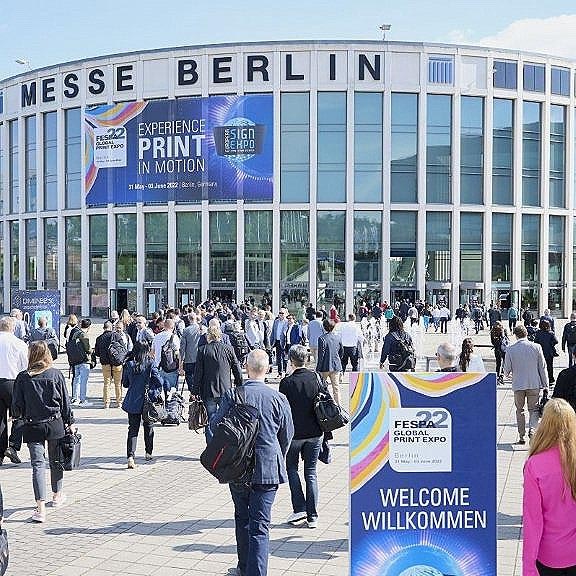
As the industry and the world returns to in-person events, the recent FESPA exhibition in Berlin is a good example of the pent-up energy after a long virtual experience induced by the pandemic. FESPA Global Print Expo 2022 brought the specialty print community together for four motivational days in Berlin (May 31 to June 3, 2022), in an atmosphere of overwhelming positivity that affirmed the industry’s readiness to bounce back from the challenges of the last two years. Read More

It is estimated that some 60% of apparel is made of petroleum-based polyester or polyester blends, but there are several initiatives underway to develop more sustainable fibers that are made from natural materials. Cary Sherburne looks at four of these new, cutting-edge fibers being developed for apparel. Read More
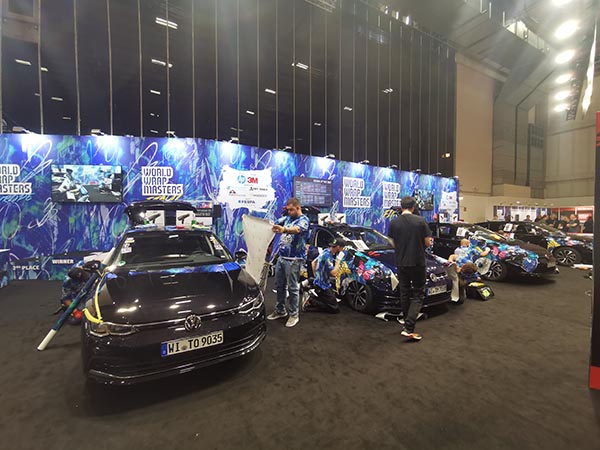
The FESPA Global Print Expo 2022 was held May 31 to June 3 in Berlin, Germany. European section editor Ralf Schlözer was there, and highlights some of the major announcements and offers his initial impressions of the event. Read More

Production inkjet is not new, but increasingly we are seeing it used in bespoke solutions that address many disparate manufacturing requirements. Importantly, this technology can also provide sustainable solutions. Read More

As so often happens, entrepreneurs in the textiles and apparel industry are driving change in the U.S. market. While digitally-driven businesses have not yet reached critical mass, there are good examples of companies that are taking advantage of new ways of working and doing business to build the businesses of the future. We’ll be discussing this in an upcoming WhatTheyThink webinar scheduled for July 20 at 1 pm ET! Read More
In this year’s third annual Technology Outlook, Richard Romano and Cary Sherburne look at new trends, technologies, and products in wide format and signage and textiles and apparel. Read More

Leading up to the UK’s Design Futures 2022 competition, textiles expert and WhatTheyThink contributor Debbie McKeegan spoke to one of the judges, designer Phoebe English. A dynamic thinker with a careful, considered approach, Phoebe is on an ever-evolving search to better her practices, making her the perfect judge for this year’s innovation challenge which is focused on design for circularity. Learn more about her advice to designer applicants. Read More

In this space, we have written a great deal about how the digital transformation is proceeding in the world of textiles and apparel. Mostly we have looked at supply chain, including the digital technologies that make reshoring more viable and production of textiles and apparel more sustainable. In this article, we take a look at how the fashion industry is jumping on the NFT bandwagon, generating an amazing amount of revenue, and, they hope, more customer loyalty. Read More
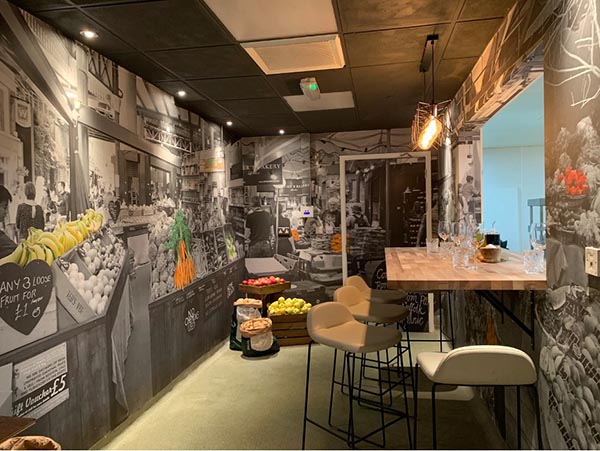
Last week we wrote about British home decor firm Gillian Arnold leveraging digital printing to bring production of wall coverings in house. This week, we share another wall covering success story that started with digital production of 200 square meters of wall covering by Digital Space for Marriott Hotels. Read More
ColorKarma’s Shoshana Burgett reports from Texprocess Americas, the theme of which was “Sell Then Make,” and identifies the five trends shifting the apparel industry, Read More
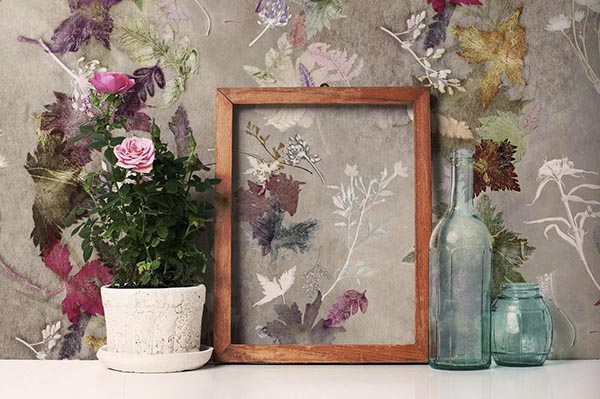
This British design house adopted digital heat transfer dye sublimation printing for on-demand manufacturing of home decor. Now they have turned their attention to wallpaper, bringing production in house with latex printing. The success they have achieved makes them a role model for a production process for sustainable home decor that gives creatives more flexibility than ever before. Read More
When the pandemic hit in 2020, to keep business flowing, many printers seized the opportunity to step into the wide-format space, producing pandemic-related signage, floor graphics, and face shields. Fast-forward to 2022 and these wide-format heroes find themselves facing a new set of issues—all threatening its continued growth. Contributor Joanne Gore looks at these new challenges. Read More
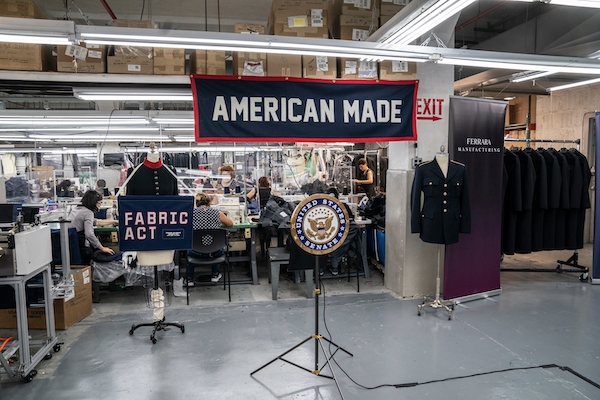
Several U.S. Senators are sponsoring the FABRIC Act to drive protections for garment workers in the U.S. and encourage more reshoring of the industry. This article explains why it is important, how it can benefit the industry and the environment, and encourages outreach to your own Senator to express your support. The legislation has already received the support of various stakeholders in the fashion industry, including designers, manufacturers, and industry bodies. Read More
At UK-based Imageco, sustainability is a key focus. When the current owner took over, he brought with him his passion for a more sustainable future and took steps to improve the company’s sustainability profile. Today, Imageco provides their customers with affordable, versatile products that are manufactured using a responsible production process, sustainable materials, and best practices wherever possible. Read the full story. Read More

There is so much hype around fashion trends—the more different trends that can be hyped, the more fashion that gets sold, I suppose. But it’s not only bad for our individual pocketbooks, it’s devastating for the environment! In this article, we cite two other must-read articles that point out why we should not be following every transitory TikTok trend that comes our way. Read More

The FESPA Global Print Expo 2022 will take place from May 31 to June 3, 2022, at the Messe Berlin in Germany. The event is Europe’s leading exhibition for screen, wide-format, and textile printing. WhatTheyThink spoke with Michael Ryan, Head of Global Development & FESPA GPE, FESPA, to preview the show and some prevailing trends and applications attendees can expect to see in Berlin. Read More

The British Fashion Council announced that Saul Nash is the recipient of the Queen Elizabeth II Award for British Design. The Award was presented by the Duchess of Cambridge on behalf of Her Majesty The Queen in this Platinum Jubilee year. The Queen Elizabeth II Award for British Design was initiated in recognition of the role the fashion industry plays in society and diplomacy and to spotlight young designers who are talented and making a difference to society through either sustainable practices or community engagement. Read More
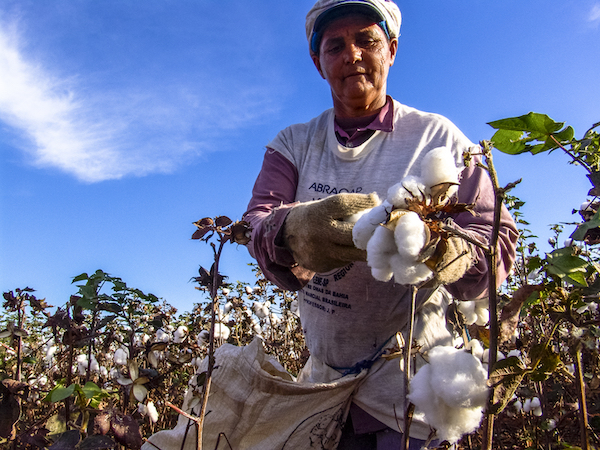
Sustainability seems to be the latest buzzword to grab hold of the business community, and I hate to even call it that due to its importance to the future of our world. But when companies talk about sustainability, are they truly looking at the whole picture, or just a part? And can they even affect the whole picture? Organizations such as the Responsible Sourcing Network and others are dedicated to giving brands and retailers broader insight into just exactly how sustainable they are. Read More

When you want to create an authentic replica of one of the most famous and treasured historic artifacts ever discovered, where do you turn? If you are the curators of the Shroud of Turin, you turn to EFI Reggiani. Heidi Tolliver-Walker looks at this unique printing project. Read More

Another sign of the growth in customized interior décor is the increased interest in using white ink in producing higher quality and more diverse interior décor products. This includes such applications and materials as signage and graphics, window displays, wallpapers, vinyl, glass, wood, aluminum, cork and even printed leather to name just a few options. Participants in a recent HP sponsored webinar discuss how the addition of white ink has helped them successfully expanded their businesses and product portfolios. Read More
Many in the textiles and apparel industry struggle to find enough workers, as there is a lack of skilled workers in North America due to the outsourcing to Asia and other parts of the world that began in the 1970s. As brands have become interested in reshoring at least some of the production, how do they find those workers? Cary Sherburne talks to a few of the organizations that are working to grow the textiles and apparel presence in North America. Read More
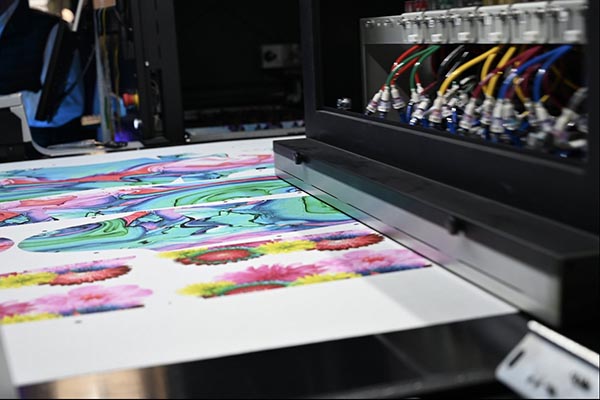
When we talk of nearshore or close proximity production, there is always an unspoken truth: sewn manufacturing (or CMT to those within the industry) and its local availability. Once printed, textiles are almost always cut and sewn into a final product. Supply chain challenges of the last two years have exposed a sewn skills gap, and further highlighted a significant lack of manufacturing knowledge readily available in the UK (and other developed countries), making the reshoring of sewn goods in any volume a difficult proposition. This initiative is designed not only to incorporate more digital printing into apparel production but also to harness existing sewing skills in the UK and train sewists on the latest technology. There also lessons here for US apparel production. It’s a good example for other regions, such as North America, to follow. Read More
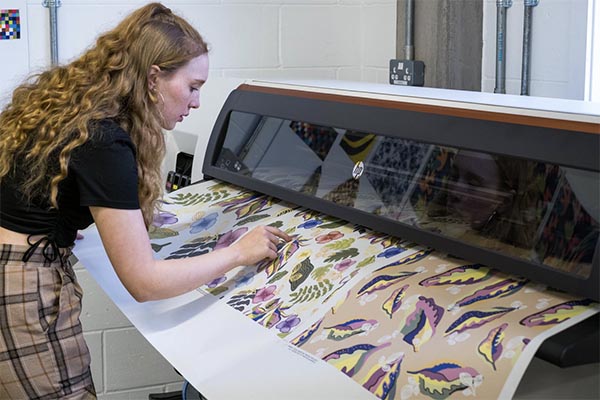
A critical factor in the future of textiles and apparel is the education of new talent in the world’s fashion and design schools. Increasingly, these schools are bringing in digital technologies, including digital textile printing, to prepare their students for the changing world they will be entering. Cardiff School of Art and Design is one of the schools that is doing just that, as explained in this article compliments of textiles expert and WhatTheyThink contributor Debbie McKeegan. Read More

In this space, we have written about the damage Fast Fashion—the creation of inexpensive garments that are often worn once or twice and then tossed—does to the environment. Now let’s take it a step further and expand the concept to Fossil Fashion—clothing made with petroleum-based feedstocks, estimated at more than 60% of today’s production—and how the fashion industry is hiding behind so-called sustainability initiatives that are actually not sustainable at all. Read More

In this article, textiles expert and WhatTheyThink contributor Debbie McKeegan shares a summary of a recent webinar with a panel discussion about how the business of interior decor has changed, the influence of digital textile printing, and the value of a printing system that includes white ink. Read More
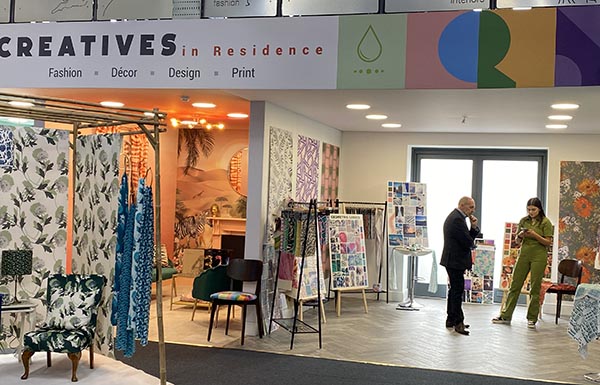
A little over six months ago, four young graduates joined the “Creatives in Residence” project based at the CMYUK demonstration facility in Shrewsbury. After a difficult two years with little access to their university facilities from 2020-2021 the CIRL initiative presented a unique opportunity to explore digital manufacturing technologies and build their commercial knowledge. In this article, textiles expert and WhatTheyThink contributor Debbie McKeegan summarizes the results of the initiative. Read More
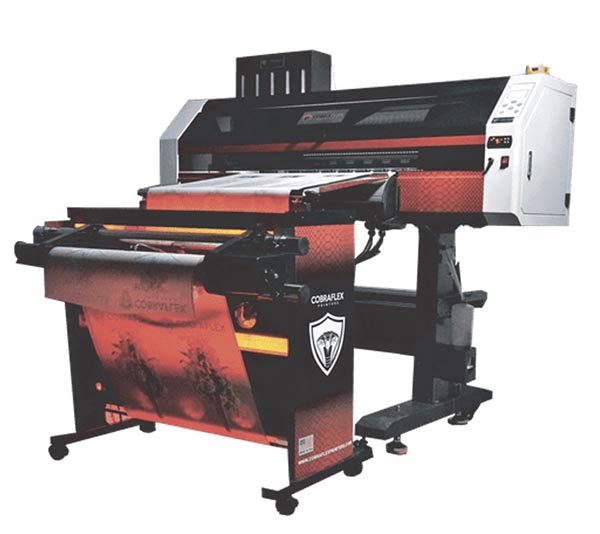
Direct-to-film (DTF) printing is a transfer technology that enables users to print designs onto polyethylene terephthalate (PET) film using water-based pigment inks. This article offers an overview of this up-and-coming technology and also explores how it compares to other printing techniques. Read More

It seems that everything is accelerating these days, and the apparel business is not immune. Digital technologies help brands address both acceleration and changing trends while giving designers more freedom and agility to create. In this article, textiles expert and WhatTheyThink contributor Debbie McKeegan explains. Read More
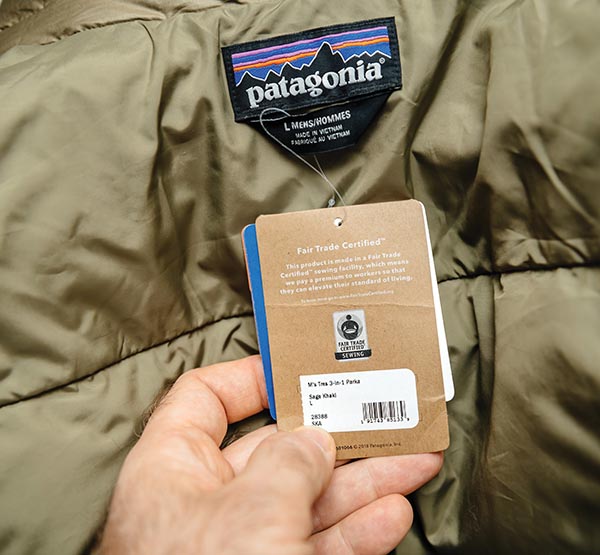
There is hope for improved sustainability in textiles and apparel, but it is not without its challenges. Cary Sherburne explains how a major need is to get a handle on how to make the supply chain more sustainable—but the efforts to establish take-back programs and find ways to recycle, resell and upcycle garments are not trivial either and present options for all of us to participate in this important effort. Read More

Cary Sherburne talks to Mike Scrutton, director of print technology and strategy at Adobe, and Ray Cheydleur, printing and imaging portfolio manager for X-Rite/Pantone, about the similarities and differences between color management for commercial print and for textiles, and some best practices for textile-based color management. Read More

Robots and cobots are increasingly being used in a variety of manufacturing and warehousing operations, but they have not yet made their way at scale into apparel manufacturing. Do you have one in your home or business? I do. Three actually. Here we talk about how robots and cobots are being used today, and give an example of an apparel factory that is leveraging robots for increased accuracy and efficiency. Read More

Textiles expert and WhatTheyThink contributor Debbie McKeegan shares the story of Dubai fashion designer Michael Cinco, who has turned to digital textile printing to create truly amazing designs. Read More

We've been pushing in this space to remove the concept and strategy of fast fashion from our minds and hearts and the way forward for brands. It is an unsustainable and destructive path for the industry and the earth. This piece, authored by Printful and provided compliments of textiles expert and WhatTheyThink contributor Debbie McKeegan, provides compelling arguments that reinforce that message. Read More
If you are not immersed in the world of graphic design, and perhaps even if you are, you may not realize the suite of Corel solutions is still quite popular. Founded in 1985 by Michael Cowpland, with its first product, CorelDRAW, a vector-based illustration program designed to bundle with desktop publishing systems, being released in 1989. Today, CorelDRAW is a vector graphics editor developed and marketed by Corel Corporation. It is also the name of the Corel graphics suite, which includes the bitmap image editor Corel Photo-Paint as well as other graphics-related programs. And now the company points to suite as a solution for textile and apparel design, according to this article provided compliments of textiles expert and WhatTheyThink contributor Debbie McKeegan. Read More

There’s a lot of talk about a broken supply chain for the textiles and apparel industry. But what’s actually being done to fix it? And what happens if we don’t? Last fall, the Sourcing Journal hosted a Sourcing Summit that addressed these issues. Some excerpts are included in this article, along with a link to the full report, well worth reviewing if you have any supply chain concerns at all! Read More

As we move towards a sustainable future, each and every product we consume has an environmental impact. Every choice that we make as designers and printers matters and collectively, we can make a significant contribution to the environmental impact of the products we create across all commercial sectors. Together we can drive effective change for a sustainable future. So says Wilbert van der Lans, Strategy Director at Make Sense, in a presentation he delivered as part of HP’s Sustainable Impact Series. Learn more. Read More

With many of us barely beginning to understand what is meant by Industry 4.0, we’re now moving on to Industry 5.0! Acceleration is certainly a factor in today’s business and industrial environment. In this article, we define both Industry 4.0 and Industry 5.0, and provide examples of how the textiles and apparel industry in North America can accelerate along with the market trends. Read More
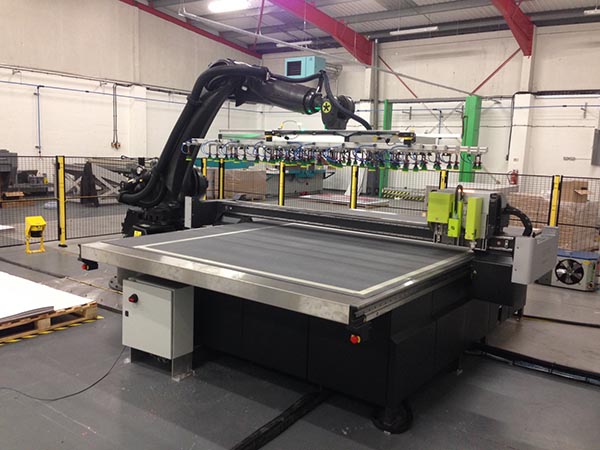
It took some time, but automation is gradually creeping into wide-format printing, especially on the flatbed side. A templated approach to projects, software, and even robotics are bringing new efficiencies to wide-format workflows. Read More

As part of an ongoing series featuring designers in the world of textiles and apparel, textiles expert and WhatTheyThink contributor Debbie McKeegan interviewed Design Pool founder Kristen Dettoni. Founded in 2019, Design Pool is an online business that combines licensing of Kristen's fabric designs with a program linking designers with printers that can do a quality job of producing according to design intent. Learn more about Design Pool and Kristen's award-winning Cryptology designs, the latest addition to her portfolio of designs. Read More
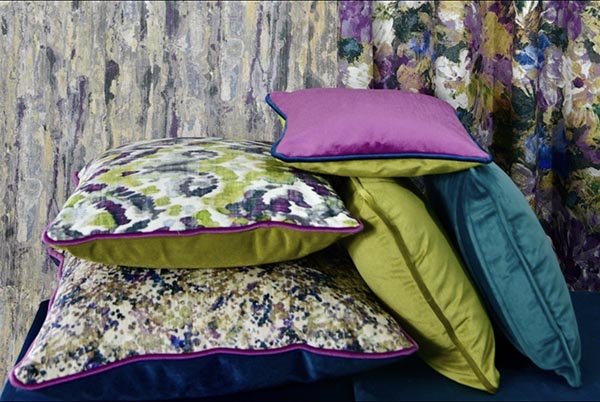
As digital technologies have evolved, their ease of use and affordability continue to drive the digital disruption of the home furnishings marketplace. In this article, compliments of textiles expert and WhatTheyThink contributor Debbie McKeegan, we learn how British firm Art of the Loom has leveraged digital technologies to evolve its offerings over time. The family has been involved in textiles since 1815! Read More
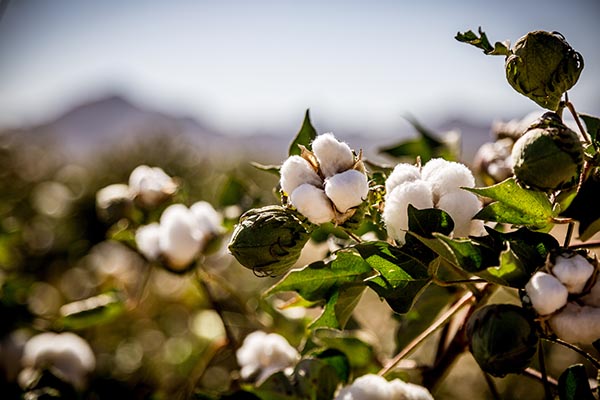
In today’s world, we are inundated with misinformation and disinformation, and it is a constant daily battle to separate the wheat from the chaff, the truth from fake news. This is not limited to politics and healthcare. It’s also a factor in how the fashion industry—in cotton in particular—is portrayed. This article is a summary of a recent report by Transformers Foundation highlighting common myths about cotton. We recommend reading the full report and/or listening to a recent Supima webinar for the entire story. Read More
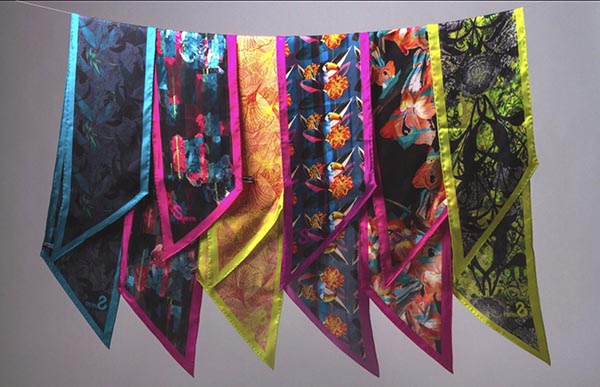
As part of our continuing “meet the designer” series, compliments of textiles expert and WhatTheyThink contributor Debbie McKeegan, we introduce you to Lucy Swann, who has been designing beautiful surface patterns for the fashion industry for many years. She talks about her journey, how the industry has changed over the years, and her diversification efforts. Read More

Digital textile printing is starting to gain steam in the contract furnishing marketplace! Find out how this development is benefiting Mallion & Knowles! Our thanks to textiles expert Debbie McKeegan for sharing this story. Read More
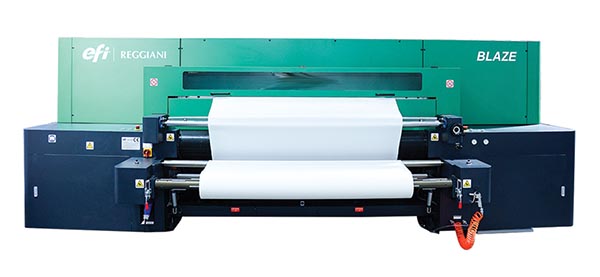
Cary Sherburne recently spoke with Adele Genoni, senior vice president and general manager at EFI Reggiani, to get the latest information on what the company has been up to. Despite the pandemic, it doesn’t seem that R&D efforts have slowed down, with three new products announced in just the past few months. Read More

Graphene, a much-touted miracle material, was only discovered in 2004. Since then, it has permeated many different industries with products and solutions that deliver improved performance or new and innovative capabilities. Now, just a short time after its discovery, it’s beginning to make its way into consumer-level products. Is there some graphene in your future? Let’s take a look! Read More

Choosing to purchase their own machinery and not to outsource the manufacture of their products will give the husband-and-wife team at The African Print Company absolute control of their supply chain as they gear up the business, removing the requirement for keeping inventory on hand. And importantly, giving them the freedom to listen to their consumers and create the designs and products that their loyal customers love. They intend to implement customized manufacture and on-demand production from day one. Read More

There has been significant focus on improving sustainability in the textiles and apparel industry, and that concern for the planet is also affecting what customers are demanding in signs & display graphics, especially looking for more sustainable soft signage. What type of textile printing is greenest, and what can be done to reduce waste? These are just two of the topics addressed in this article provided by Ella Faulkner of Soyang Europe, compliments of Texinel. Read More

We all love our jeans, but consumers are increasingly becoming aware of the massive environmental impact of the denim dyeing process—chemistry, water usage, potential pollution of water sources, and so on. But there are encouraging developments underway in the world of more sustainable denim. We explore a few of them here. Read More

Want to find out what constitutes the Best in British Hospitality Product Design? Textiles expert and WhatTheyThink contributor Debbie McKeegan is anxious to share! She interviews the team at this year's award winner, The Monkey Puzzle Tree. Cool name. Even cooler designs! Read More

The fashion and textiles industry is one of the world’s worst offenders when it comes to impact on climate. There’s lots of talk from brands about how they will reduce this impact, but it’s not as straightforward as it may seem. To truly drive change, there are many friction points across the entire supply chain that need to be aggressively addressed. We discuss a few of them in this article. Read More
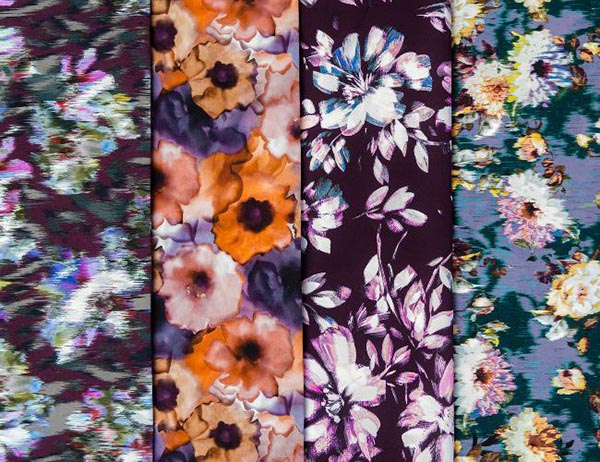
When we talk about digital print for fabrics, we are often dealing with woven fabrics. But digital print can be used with knitted fabrics as well, as demonstrated by the success of Eurojersey in introducing digitally printed knit collections. The company, based in Italy, has been around for nearly 70 years and continues to lead the market in technical fabric innovation and sustainable sourcing. With its digitally printed Sensitive® Fabrics, the company uses digital printing to give the fabric a different appearance and different properties compared to its plain color products. Learn more. Read More

As the world continues to struggle with the climate change crisis, methane emissions have been tagged as a key contributor that needs to be mitigated. And cows are being targeted as a key contributor to these greenhouse gas emission levels. Do we eliminate cows completely? Or are there other solutions? This article dives into those issues. Read More
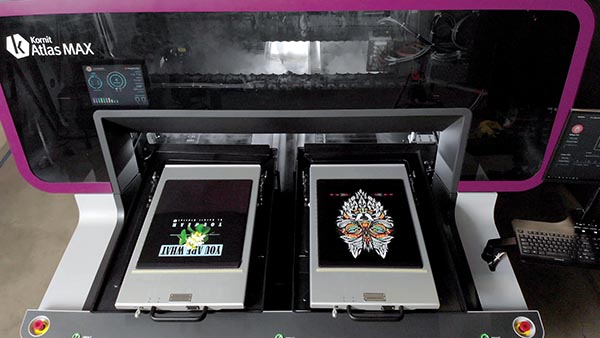
Kornit Digital showed a 118% year-over-year revenue increase for the second quarter of 2021. The company also has shifted its strategy a bit and made a couple of acquisitions that reflect this shift. In this Executive Q&A, Chief Marketing Officer Omer Kulka shares insight about Kornit’s strategic focus and the state of the industry at large. Read More

We talk a great deal about on-demand manufacturing in textiles and apparel, but it takes more than talk. Los Angeles Fashion Week may have been a tipping point between talk and action, according to on-demand apparel manufacturer Kirby Best. Why? Take a look at this article compliments of WhatTheyThink contributor and textiles expert Debbie McKeegan that demonstrates what can be done with digital technologies to change the way we think about—and produce—fashion. Read More
We always talk about the fact that the textiles industry is the world’s second largest polluter. Raising this awareness is helpful, but only if companies take the initiative to change the way they operate to reduce pollution, water and energy use, shipping, and transport, all while treating workers well and providing a living wage. In this article, we document some of those initiatives that can act as a template for others to follow. Read More
Proper fabric preparation can maximize the intensity and brilliance of the printed colors and control how the ink spreads on the fabric, optimizing printing definition and delivering a better-looking end product to delight brands and consumers. As brands and designers increasingly look for ways to use cellulosic fibers such as cotton and viscose, Huntsman Textile Effects offers good advice in this article provided compliments of Texintel. Read More

You might be surprised at the volume and type of textiles being used in today’s vehicles—including woven, knitted, and nonwovens. Cary Sherburne takes nonwoven fabrics for a test drive, and identifies business opportunities—perhaps not so much in mass manufacturing of automobiles, but in customization of vehicles, which is growing in popularity. Read More

In this piece, textiles expert and WhatTheyThink contributor Debbie McKeegan interviews Dutch designer Irene Van Ophoven about her journey to establishing her own design studio, including how digital technologies have enhanced her ability to create innovative, stunning designs. Read More
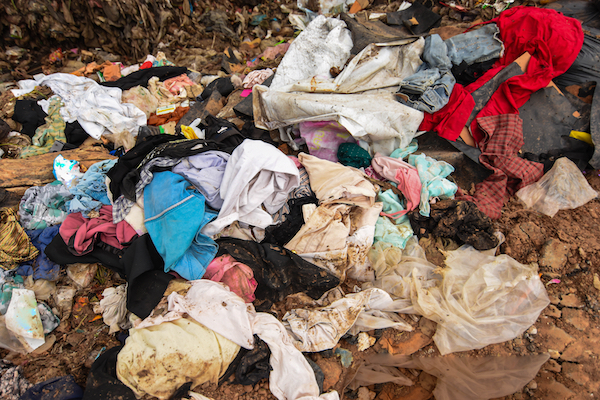
Among the many sustainability issues the textiles and apparel industry is facing, textile waste in landfills is near the top of the list. In this article, we talk with Ben Grossman about SwagCycle, his attempt to give back with a goal of landfill divergence for textile-based products, contributing to a reduced footprint and increased circularity. Read More

As more companies in the textile and apparel industry look to digital printing for more efficiency and a smaller environmental footprint, it can be confusing to determine exactly where digital textile printing fits. In this guest post from SPGPrints, compliments of Debbie McKeegan and Texintel, Jos Notermans highlights seven different factors that help with that decision process. Read More

As we have been discussing in this space, attracting new talent to the textiles and apparel industry is a key challenge. The industry is quite different than it was 40 years ago! Yet it still has a reputation from those days. UK firm CMYUK is making a contribution with its Creatives In Residence program. In addition to winners learning with hands-on experience at the firm, anyone can join the learning virtually. We need more programs like this! Meet the winners and learn more about the program. Read More
As we look ahead to the upcoming COP26—UN Climate Change Conference of the Parties—in November, it’s a good time to take a look at some of the developments in textiles that will help the industry move forward in a more sustainable fashion. Just Style hosted a COP26 apparel panel discussion to explore these moves and we summarize here. Read More

Sustainability is a hot topic in textiles and apparel. One move that is set to help reduce the carbon footprint for the industry is reshoring—producing goods closer to the point of need—which reduces transportation costs and can include establishment of microfactories utilizing digital rather than the often more wasteful analog manufacturing processes. Find out how and why Poland is leading the reshoring charge in Europe in this guest article provided compliments of textiles expert and WhatTheyThink contributor Debbie McKeegan. Read More

In the fashion industry, it's been like long-distance runners who have time to finish the marathon. But now they realize they need a sprint. In this article, written by Yoram Burg of Embodee and provided courtesy of Debbie McKeegan, textiles expert and WhatTheyThink contributor, the role that 3D can play in fashion, beyond simply design, is explored and explained. Read More
The pandemic placed stress on most industries, but arguably one of the most affected was the sewn products industry, which was already facing challenges pre-pandemic. In a recent interview, Senior Editor Cary Sherburne discussed the state of the sewn products industry with SPESA President Michael McDonald and steps that could be taken to ameliorate those challenges. Read More
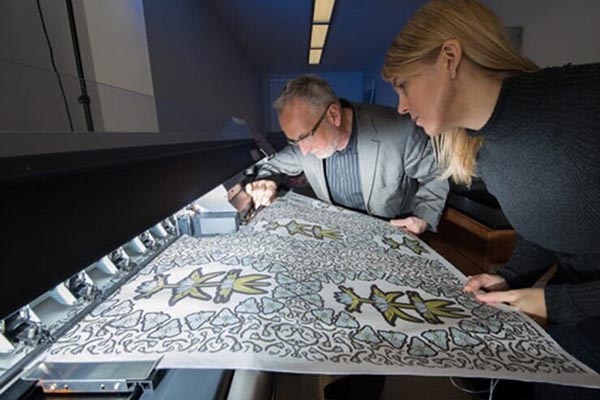
Thanks to textiles expert and WhatTheyThink contributor Debbie McKeegan, and Tim Phillips of IMI Europe and Catenary Solutions for this informative article that explains the drivers behind the transformation underway in the textiles industry with respect to industrial digital textile printing. Read More

Despite the constraints of the pandemic, manufacturers of digital direct-to-fabric printing solutions have been hard at work bring innovative solutions to a market which is already bouncing back. In this article, textiles expert and WhatTheyThink contributor Debbie McKeegan highlights the most important developments and product launches in this growth area. Read More

Back in 2015, the United Nations adopted an aggressive sustainability agenda with 17 Sustainable Development Goals (SDGs) that aim to improve health and education, reduce inequality, and spur economic growth—all while tackling climate change and working to preserve the environment. Participation is voluntary and adoption has been sporadic. That led WRAP, a global sustainability charity to establish Textiles 2030, also voluntary, but aiming to transform the way the UK supplies, uses and disposes of clothing and textiles over the next 10 years. Is this a framework the textiles industry in other countries can adopt? Read More
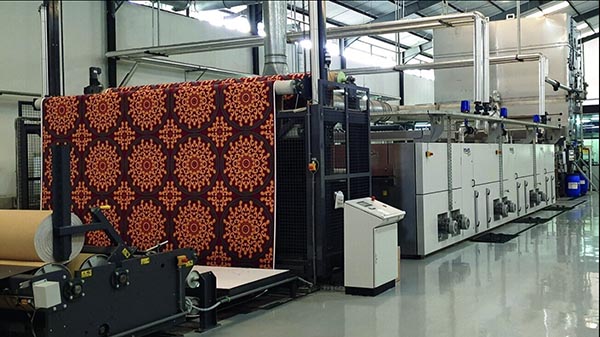
Last month, we ran a long article about the pros, cons, and challenges of carpet printing. In this article, textiles expert and WhatTheyThink contributor Debbie McKeegan interviews the CEO of Zimmer, a pioneer in innovative technologies for screen and digital printing (including carpet), coating, dyeing, steaming, and technical textiles. Read More
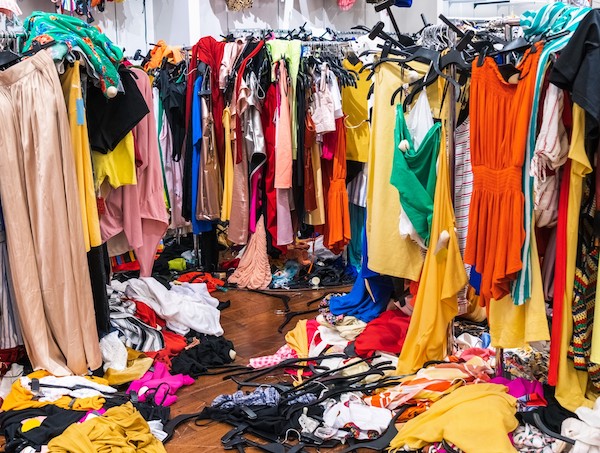
Are you a prosumer or do you know one? Or is it even a term you are familiar with? This article explains who prosumers are and the impact they can have and are having on the fashion industry, as well as how each of us can play a role as well in helping move the fashion industry to a more sustainable future. Read More

When The Fabricant was founded in 2018, digital fashion barely existed as a concept, and the idea of a digital atelier crafting couture for the non-physical environment? Forget it. Micky LaRosse, Head of Content & Strategy with Fabricant, says the trouble with creating something utterly new is the complete lack of reference points to guide your path. He offers advice to others pursuing this path in this article provided by Texintel. Read More

According to the U.S. Labor Department, more than 4 million Americans quit their jobs in April, a record high, and even more plan to do so as we exit the pandemic. If people are quitting due to boredom or unhappiness but still want to work, where will they look? And how can the textiles and apparel industry, which has long struggled to attract new talent, generate interest among those looking for something new? Read More
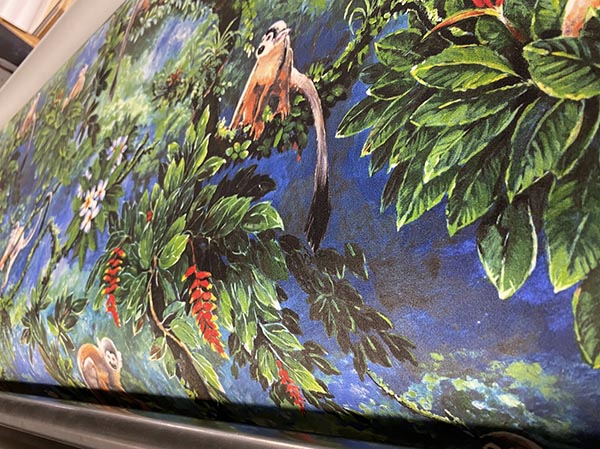
Manchester Print Services in the UK is one of a growing number of companies driving new business models in the textiles industry, including digital production of interior décor, as well as specialized textile printing for events, exhibitions, and retail display. Read More

With so much emphasis being placed on customization of interior and home décor enabled by digital printing technologies, can we even customize our carpets now? Textiles expert and WhatTheyThink contributor Debbie McKeegan shares this Texintel guest post by Bob Balings of Bob Mats B.V., which highlights different carpet printing technologies and their pros and cons, with lots of great advice about selecting the right technology for your work. Read More
We’ve been speculating about how the textiles and apparel industry will come out of the pandemic—how much will change, how quickly, and how much will remain the same? To help with this thought process, the School of Industrial and Labor Relations at Cornell University has published a study entitled "Repeat, Repair or Renegotiate? The Post-COVID Future of the Apparel Industry." We summarize the results in this article. Read More

One of the critical needs in the textiles and apparel industry is attracting new talent. CMYUK is helping address this need by launching a worldwide competition to recognize emerging talent. Its “Creatives in Residence” program will give two young surface designers and one talented videographer an outstanding opportunity to undertake a six-month placement at CMYUK’s advanced digital training and demonstration facility in Shrewsbury in the UK. While this might seem UK-centric, it is a worldwide opportunity. If you know a talented young person that would like to participate, please let them know about this opportunity! Learn more... Read More

Throughout history, silk has been recognized as one of the most, if not the most, exquisite and luxurious fabrics available. Now fabric printers are having huge success with digital printing of this glorious textile. In this article, textile expert and WhatTheyThink contributor Debbie McKeegan shares an example from Italian firm Mantero. Read More

We’ve written a great deal about sustainability—or the lack thereof—in textiles and apparel on this site. In this article, we highlight some of the less discussed but equally important textile finishing technology that is driving sustainability in the industry Read More

Fashion week on film? Richard Quinn unveiled this unique approach to debuting a new collection at the recent AW21 collection at the Electric Theatre, London. Is this a sign of what's to come from other designers? It would seem it is partly the result of the many things we have learned about virtual events and digital technology during the pandemic. Read More
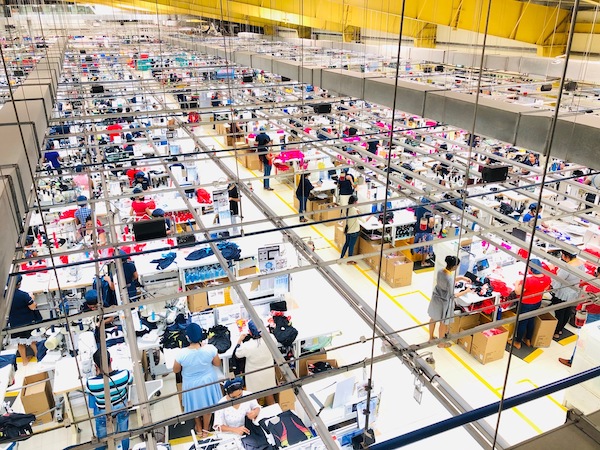
New players are introducing new technologies for textile and apparel production and are poised to up-end the industry. Upheavals in the supply chain and rapidly changing consumer demands are starting to increase a sense of urgency, and more brands are looking seriously at how to effectively work on-demand or made-to-order manufacturing into their go-to-market processes. Read More

In his inaugural submission to WhatTheyThink, Keypoint Intelligence’s Carl Doty contemplates new beginnings and future opportunities for growth in the printing industry. Read More

It has never been more important to shine a light on the achievements of students graduating with expertise in the textiles and fashion industry. Like many other industries, finding new talent is difficult. Textiles expert and WhatTheyThink contributor Debbie McKeegan shares the story of one award-winning graduate we hope will be an inspiration to future generations of students who might consider careers in textiles and apparel. Read More

Variable-temperature graphics installation. Vaccine site graphics. Outside art exhibits. Home décor. Superbowl graphics from the Before Times. In this photo gallery, we highlight some recent projects that users have produced using a variety of consumables types, from labels, to vinyls, to fabrics. Read More

Direct-to-consumer retail for apparel, once the domain of upstarts, is now being more seriously pursued by larger brands, a move that has been accelerated by the pandemic. What does this mean for brands and retail? Is another upheaval coming? Read More
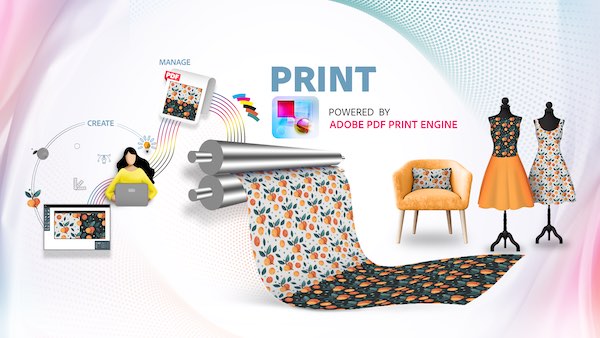
Adobe announced a creative alliance with Aquario Design and NedGraphics, two elements of the textiles portfolio of FOG Software Group, a division of Constellation Software. The alliance was announced by Adobe’s Mike Scrutton at the Smithers Digital Textile Printing conference underway in Arizona. Read More
The textile manufacturing industry is on the cusp of dramatic change, driven by increased focus on restructuring fragile supply chains and growing consumer demand for more sustainable practices. Learn why heat transfer dye sublimation fabric printing can help meet these challenges by enabling responsive on-demand production of textile-based products. Read More
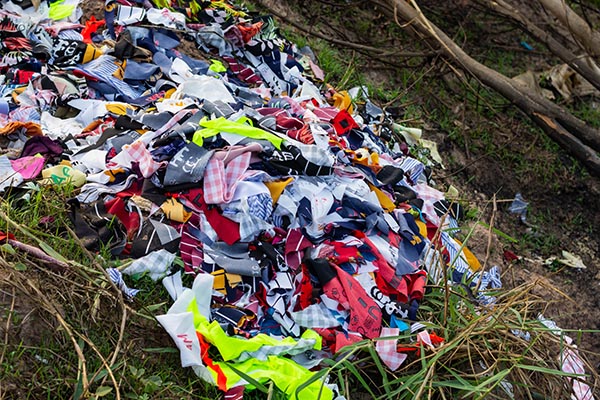
The pandemic has placed increased focus on supply chain issues in textiles and apparel, but a lot of this has been figuring out how to manufacture the same items more efficiently, especially Fast Fashion. But underneath it all, there is a burgeoning interest in better ways to extend the life of existing textile and apparel items—from reuse and recycling to upcycling. Will this be the next big thing for the industry, and how will it adapt? Read More

Digital pigment technologies have helped shape the customization culture that is prevalent among many of today’s online shoppers, and this technology is now making its way into textile DTF (direct-to-fabric). This article explores how pigment solutions are helping to fuel a revolution among textile printers. Read More

Much of the discussion around the benefits of digital textile printing have focused on apparel, and its associated development and manufacturing processes as well as its supply chain issues. In this article, textiles expert and WhatTheyThink contributor Debbie McKeegan points out that home décor is also a high growth opportunity for digital textile printing and other forms of inkjet printing, including wall coverings. Read More
As things start to return to normal, conference organizers are looking for creative ways to reengage with their audiences. In the case of Smithers Digital Textile Printing U.S. (and its sister conference, Digital Print for Packaging U.S.), they have chosen to adopt a hybrid virtual/in-person model for both presenters and attendees. Read More

There is a lot of focus on digital textile printing for apparel, but another great market opportunity for digital textile printing is interior décor. In this article, textiles expert and WhatTheyThink contributor Debbie McKeegan talks with Terry Raghunath, Business Development Manager for Printed Decorative Applications based at HP Barcelona, about market trends and how HP focuses its development efforts to meet them. Read More

In its first in-person trade show appearance since the pandemic began, EFI Reggiani displayed its dedication to ongoing innovation for textiles, even during this difficult time. Three new products were announced at ITMA Asia in Shanghai last Friday, as well as ink manufacturing capabilities in Asia and updates to the EFI Reggiani BOLT. Read the full story. Read More

Upcycling has become an important element of the circular economy, and furniture is no exception. Learn how this creative team is using digitally printed fabric to increase their ability to upcycle furniture and more! Read More

As we begin to see the end of the pandemic (we hope), we wonder what things will look like on the other end. WTIN recently conducted a very informative webinar that touches on this topic and more. Worth a view! This article contains a summary of key information provided. Read More

With the growing interest in and functionality of pigment inks for digital textile printing, you might wonder why one would still use acid inks. Textiles expert and WhatTheyThink contributor Debbie McKeegan explains. Read More
The Direct-to-Garment (DTG) business is booming. During the pandemic, businesses with online ordering capabilities explored new ways to add new solutions or capacity to their portfolios, and DTG was one of the key ways to do so. Learn more. Read More
We recently suggested that the Fast Fashion trend should come to an end sooner rather than later, especially in today’s more sustainability-conscious environment and increased focus on solving climate change issues around the globe. In this article, we share insights from recent UBS and other research supporting this position and suggesting what happens if consumers cut back on fast fashion. Read More
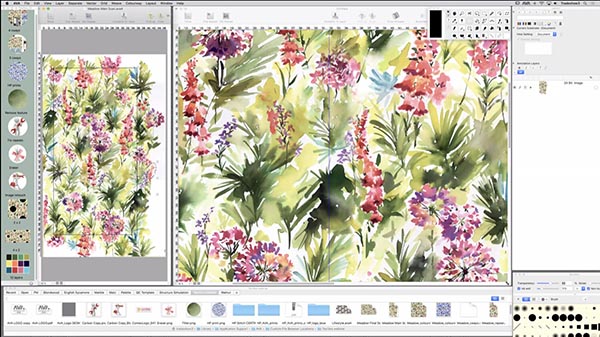
As digital workflow increasingly makes its way into the textiles & apparel supply chain, how do you simplify the complex process that carries a creative piece of artwork through print production? That’s the question that Debbie McKeegan, textiles expert and WhatTheyThink contributor, addresses in this article. Read More
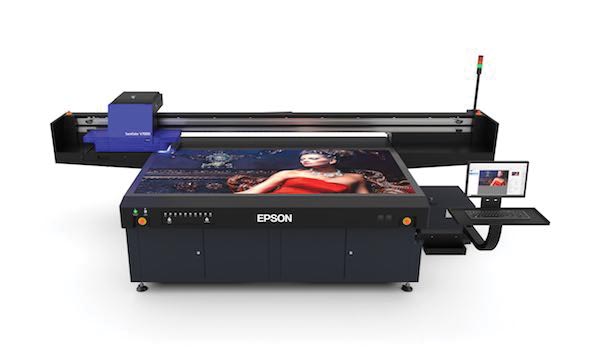
As part of our preview of next week’s Technology Outlook Week, Richard Romano and Cary Sherburne look at the latest trends and technologies in wide-format printing, signage, and textiles. Read More

In this week’s article from textile expert and WhatTheyThink contributor Debbie McKeegan, we get an inside look at how Kirath Ghundoo, the Queen of Geometric Wallcoverings, has leveraged technology to build her own brand and a thriving business. Read More
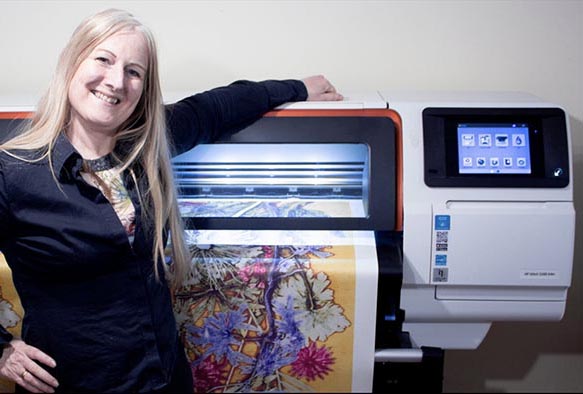
Designers are increasingly selling their designs directly to consumers for a variety of fabric-based applications. WhatTheyThink contributor and textiles expert Debbie McKeegan highlights the successes artist Gillian Arnold has had with this approach using the HP Stitch digital textile printer. Read More
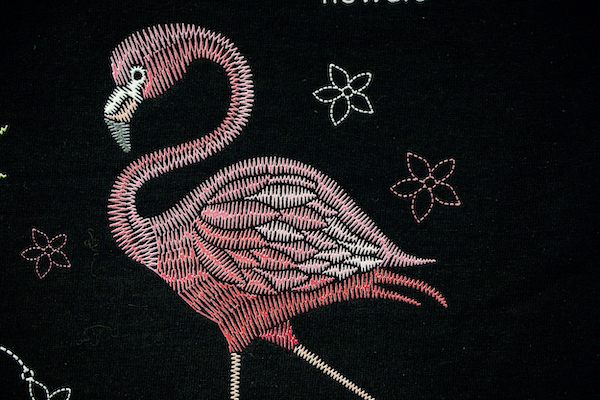
Kornit recently upped its direct-to-garment (DTG) game with announcement of the Kornit Atlas MAX printer, incorporating new technology that allows much more detail to be printed on garments than before. MAX technology is expected to be available for direct-to-fabric printing in the future. Read More
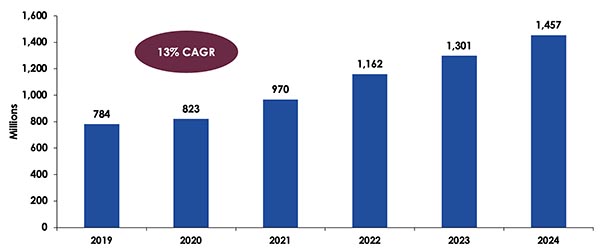
COVID-19 fueled a surge in ecommerce, leading to increased demand for digitally printed garments. This article offers a brief discussion about the changing dynamics of consumer buying habits, explores why the pandemic accelerated digital print on-demand, and considers how supply chain and GTM strategies will be forever changed as a result. Read More

The latest trend in the analog-to-digital transformation underway in textiles is creating home and other decor on demand. In this article, WhatTheyThink contributor and textiles expert Debbie McKeegan shares how Epson's developments in pigment inks are transforming home decorating. Read More

The best way to figure out how to deploy technology to accelerate adoption of emerging trends is to use it yourself in a real-life operation. That’s exactly what software and services company Ziel is doing. Learn how the company is leveraging its own on-demand apparel manufacturing platform to develop industry-changing solutions for those wishing to implement a sustainable, on-demand manufacturing model for their businesses. Read More

There has been increased focus on reshoring manufacturing from Asia to Europe and the Americas, perhaps accelerated by the recent Suez Canal debacle. But as many experts have pointed out, including those cited in this article, written by Guy Alroy of Early.Vision, the new jobs that result from reshoring efforts cannot be using the same processes. They must be a more technology based on-demand model that is more sustainable as well. Read More
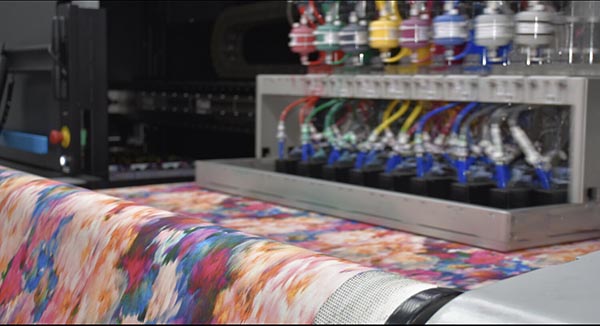
Is Rialto’s growth a sign of the times? The UK-based digital textile printer thinks so. The company prints millions of meters of dye-sublimation prints onto polyester bases but is also investing in the future with technologies that can print digitally onto a wider array of fabric types. Read More
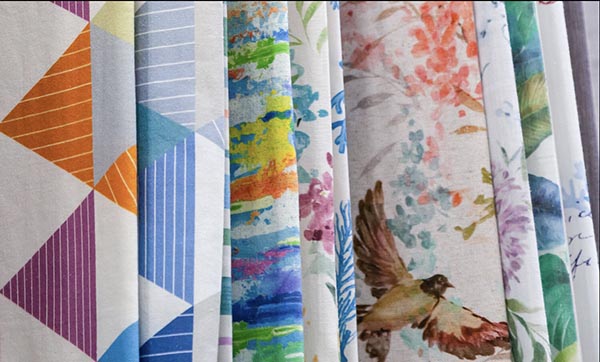
COVID-19 has accelerated the sustainability agenda, and implementing these various initiatives across highly complex supply chains will take a great deal of dexterity and commitment—but there can be no going back. Read what textiles expert and WhatTheyThink contributor Debbie McKeegan has to say about the emergence of more sustainable fibers for textiles. Read More
Sustainability is a hot topic in the textiles and apparel industry, as well it should be. Discussions have heated up even more as a result of the pandemic and the associated supply chain difficulties it has presented for the industry. Expect to see increased use of the terms recycling, upcycling, and even return of rentals as the industry works to adjust to a wide range of new realities. Lenzing Tencel is a good example of the type of environmental stewardship that is needed to make the industry more sustainable. Other examples are included in this article as well—and there are many more in the works or already in the market. Read More
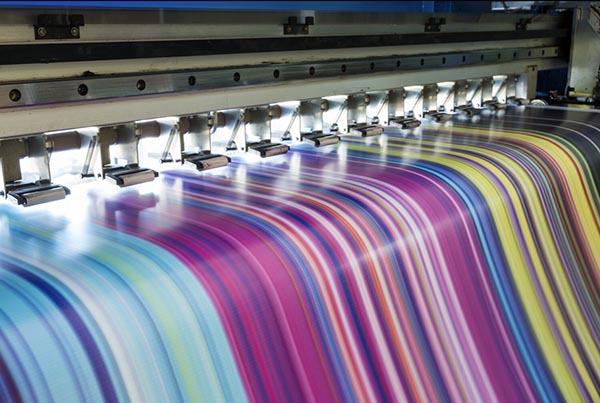
Digital technologies deliver sustainable production at any scale. As we move forward into the next decade, we move into a new era of digital textile production and the technologies that enable change. Textiles expert and WhatTheyThink contributor Debbie McKeegan outlines a few of the latest developments in roll-to-roll digital textile printing. Read More
Fast fashion became a thing around the turn of this century. It’s the process of churning out low-quality, you could even say disposable, clothing to take advantage of every passing fad and trend. But in this writer’s humble opinion, this has to stop! We are choking our oceans and landfills with junk clothes. Can we put more focus on quality and durability? Just sayin’. Read More
Working with top-end designers to create exclusive short runs means the fabrics printed at Forest Digital are not contributing to the “cheap-throw-away fashion” landfill that is so damaging to our world. In fact, we should be eliminating the term “fast fashion” from our vocabulary and our practices! Learn more about what this leading producer is doing to bring more sustainability to the industry. Read More

Cary Sherburne talks with Christoph Gamper, CEO of Durst, and Christian Harder, Vice President of Sales, about the current state of their business, which segments were performing better than others, and how the company was helping customers to innovate, even during this pandemic, including holding virtual demonstrations, introducing new products, and more. Read More

One of the key components of the digital textile printing ecosphere is inks—and increasingly, sustainable inks. In this article, textiles expert and WhatTheyThink contributor Debbie McKeegan reviews the latest developments in ink technology for digital textile printing. Read More
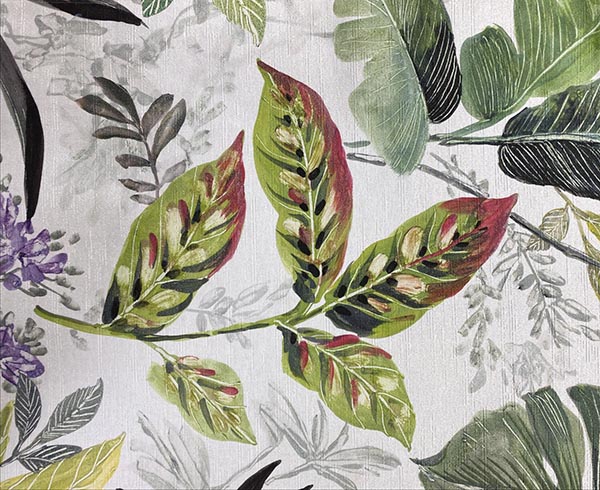
Textiles expert and WhatTheyThink contributor Debbie McKeegan says the biggest driver of change in the textile industry is its past history. Now exposed as the second largest polluter of our planet, the conventional textile industry needs to clean up its legacy production processes and evolve. Greendrop of Italy is doing just that. Read More
In a recent TexProcess/TechTextil webinar, panelists discussed what is happening with respect to the textiles and apparel supply chain, especially what has been accelerated by the pandemic. Has there been a sourcing shift? Is there a balance shift between Western and Asian sources? What key elements do brands and suppliers need to address to bring about needed systemic change? How many are even capable of driving systemic change? These were some of the questions and issues discussed in this very interesting session. Read More

Imageco is on a mission to greater sustainability, driven by their own sustainability concerns and customer demand. In this article, textiles expert and WhatTheyThink contributor Debbie McKeegan explains how the company is pursuing these goals with the latest HP Latex technology. Read More
A push toward a more sustainable textiles and apparel industry is underway, largely driven by consumer demand, and, to some extent, by brands who are working to restructure their supply chains post-pandemic. Key considerations include not only the adoption of more digital technologies, about which we have written extensively, but also the further development of fabrics created from bio-based materials, and a significant change in consumer behavior with respect to their wardrobes. Learn more about the pros and cons of bio-based materials, some of the emerging developments, and behavior changes that can reduce your personal textiles-based environmental impact. Read More

Over the centuries, fine art and textile design have always been close companions. Today's textile designers can take advantage of a number of outstanding archives of vintage designs that can act as inspiration, or be licensed for use. Textiles expert and WhatTheyThink contributor Debbie McKeegan highlights a few. Read More
Textiles expert and WhatTheyThink contributor Debbie McKeegan recently attended a very interesting session on the possibilities digital print offers for home décor. Presenters included a variety of industry experts with excellent insight. The piece also includes links to replays in case the reader wants to hear directly from the experts. Read More

Sustainability is moving to the top of the to-do list in textiles and apparel as we as we enter a new decade and beyond. Sometimes it seems like not much has changed, but in this informative article, textiles expert and WhatTheyThink contributor Debbie McKeegan lists many of the sustainability achievements we saw in 2020. Read More

As Industry 4.0 takes greater hold on the textiles and apparel industry, it is estimated that more than 25% of all work activities will be displaced by automation by 2030. But what does this mean for textile designers? Surely a robot can’t replace a designer! Designers have already moved from paintbrush to pixel, and while they won’t be replaced by robots, their roles will surely change. Read what textiles expert and WhatTheyThink Contributor Debbie McKeegan has to say on the topic! Read More

Poshmark (ticker: POSH) shares entered the public market last week, with shares soaring nearly 142%, opening at $97.50 and hitting a high of $104.98, with a Thursday close at $101.50, making it up 141.7%. This kind of feels like the 90s dot-com boom. Will it lead to a bust? The Poshmark CEO thinks not. Read More
If you are a designer working in a larger organization, you probably have access to formal color standards. But there are a growing number of freelancers starting their own businesses, and creating color standards that ensure what gets printed carries out your design intent is not a trivial process. Textiles expert and WhatTheyThink contributor Debbie Mckeegan rides to the rescue with a free color chart to get you on your way. Read More

A recent report from McKinsey stated that 58% of fashion executives expected that assortment planning was a key area for 2021. The direct result means “less is more,” holding less stock and replenishing at speed in-tune with data and sales analytics. But how do they get that done? It means overcoming decades of doing things a certain way, and we all know that change is difficult. Further driving the need to make these changes are increased focus on sustainability and the need to restructure supply chains. These can be accomplished by, among other things, simplifying fabric printing, and as textiles expert and WhatTheyThink contributor Debbie McKeegan points out in this article, that requires increased use of digital technologies across the board. Read More
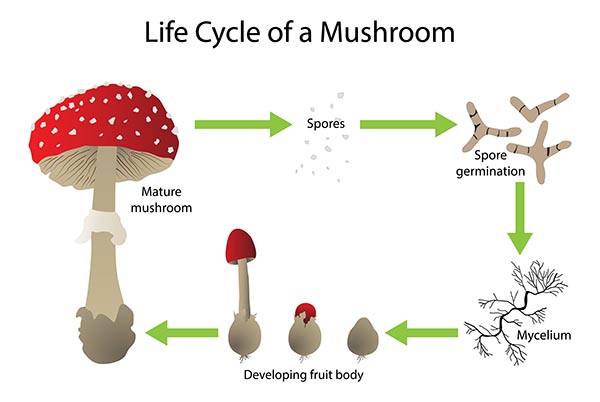
If you are interested in textiles and how they are woven through human history (pun intended), The Fabric of Civilization: How Textiles Made the World is a well-written and very informative history of how fabrics have been part of human history from the beginning. In this article, we take a look at silk—not it’s history so much, but at where it might go from here. Read More

How do you switch an entire industry to sustainable technologies and increased profitability? It’s been done in the past, of course, but never on the scale of the multi-trillion-dollar textiles and apparel industry. While it may seem impossible to turn this large ship in a new direction, the past year has caused some significant shifts to happen. Here’s what textiles expert and WhatTheyThink contributor Debbie McKeegan has to say about this shift and what it may mean for the future. Read More

Cary Sherburne talks to Diana Wyman, Executive Vice President at the American Association of Textile Chemists and Colorists (AATCC), about the state of the association, the occasion of its 100-year anniversary, and its upcoming plans. Read More

The COVID crisis laid bare the weaknesses and fragility of the textiles supply chain, and brought to the fore a renewed interest in and need for digital textile production and more environmentally sustainable practices. Cary Sherburne takes a look back at the year in textiles. Read More
As was the case with so many events this year, the Digital Textile Printing Conference, hosted by AATCC and the PRINTING United Alliance, was held virtually over two days. The inability to meet in person didn’t stop these organizations, their speakers, and attendees from spending quality time reviewing the latest trends and looking ahead to 2021 and beyond. Read More
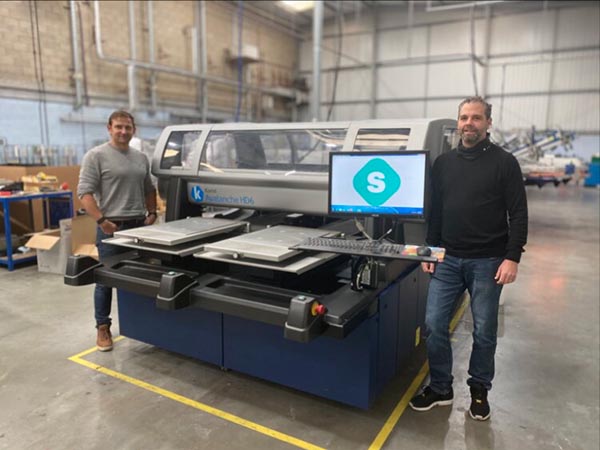
UK-based Screenworks is accelerating its growth by blending screen printing with digital printing, including investments in tools and solutions to enable production of a catalog of protective, antiviral, promotional, workwear, and day-to-day wear products and accessories. Read more from textiles expert and WhatTheyThink contributor Debbie McKeegan. Read More

Cary Sherburne talks to EFI’s Frank Mallozzi about the launch of the second-generation Nozomi digital corrugated press, its trade event plans, and winning an InterTech Award for the EFI Reggiani BOLT digital textile printer. Read More
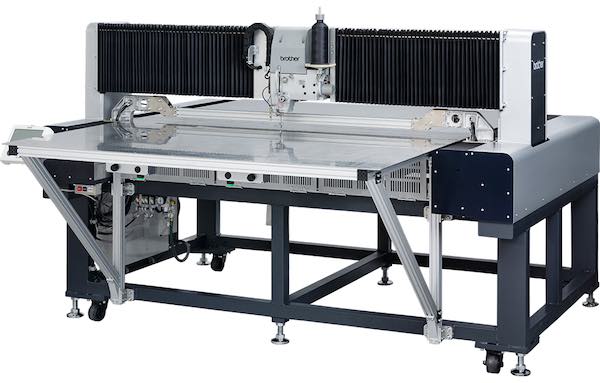
Manufacturing automation in textiles and apparel is moving ahead apace, accelerated by advances in digital technology. But the remaining “last mile,” sewing, continues to be a barrier to reshoring of apparel manufacturing on a large scale. This article explores some of the efforts underway to automate sewing and what impact that could have on the future of apparel manufacturing in North America and Europe. Read More

Looking for a growth opportunity? Look no further than the digital textile industry. A recent report from Allied Market Research predicts that digital textile printing will grow by over 230% by 2025. This is at least partly driven by a reduction in the cost of digital textile inks. Read what textiles expert and WhatTheyThink contributor Debbie McKeegan has to say about this opportunity. Read More
As we wrap up 2020, let’s take a few minutes to look back over what has been a difficult year and highlight a bright spot for the textiles and apparel industry: increased efforts to reinvent the textiles and apparel supply chain, which has been hard hit by the pandemic and the resulting economic disruptions. Inside that effort is an increased focus on sustainability from both establish brands and suppliers and new emerging players. Read More

Sourcing fabrics is a complex field, and finding sustainable textiles is not as easy as it sounds. It’s much easier for the large vertical brand than it is for the smaller-volume printer. All of which is further complicated by the variance in digital textile printing applications. Textiles expert Debbie McKeegan offers strategies on how to build knowledge and seek new partnerships and stakeholders. Read More
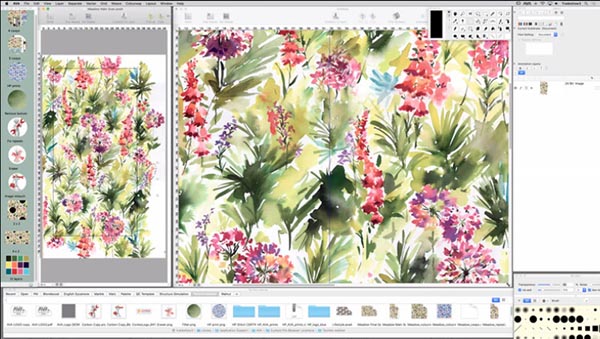
From the outside, digital textile printing can look like a plug-and-play operation; but for the specialist practitioner, the commercial reality is often quite different … until now. Textiles expert and WhatTheyThink contributor Debbie McKeegan shares insight into some of the technology advances that can make the process easier without sacrificing quality and accuracy. Read More

There is no question 2020 has been an unusual year across the board, and especially in the textiles and apparel industry. As the year comes to a close, be sure to attend the 2020 Edition of AATCC and PRINTING United Alliance’s Digital Textile Printing 2020 conference, packed full of the information you need to finalize your plans for a successful 2021 and beyond. Check out the details. Read More
One thing the pandemic has boosted is online shopping. And one application that is experiencing terrific growth is direct-to-garment printing, allowing consumers to personalize their T-shirts and other items. Guest contributor Peter Wright, Managing Director of Amaya Ltd., shares more information. Read More
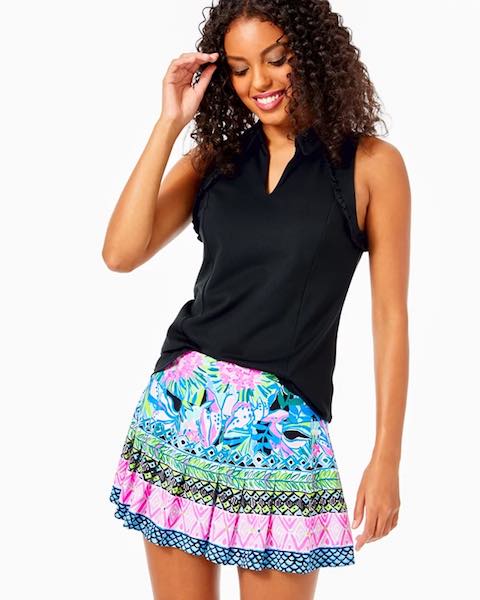
The story of how Lilly Pulitzer got started as a fashion designer is fascinating, and so is the story of how the company has leveraged digital printing technologies to streamline its workflow and unleash increased design creativity. Senior Editor Cary Sherburne spoke with Margaret Getty, Lilly Pulitzer Senior Associate for Woven Fabric and Trim, to learn more. Read More
UK-based Bolton School of Arts, School of Textiles and Surface Design, has worked closely with its graduates to help them find new ways to overcome the pandemic hurdles. In this article by textiles expert and WhatTheyThink contributor Debbie McKeegan, several of its award-winning graduates are featured. Read More
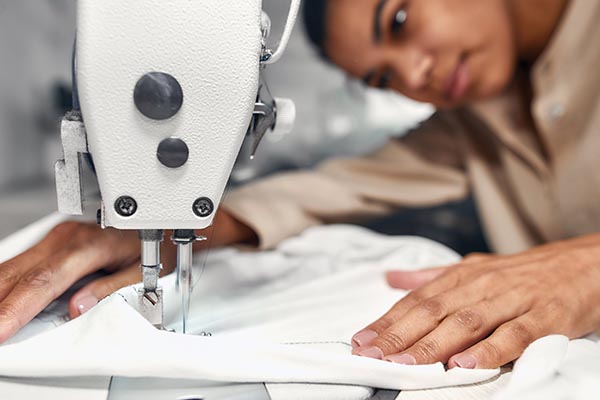
Fashion and apparel brands are trying to reshore textile production, but the finishing part of the process is proving challenging: cut-and-sew. Automation has its limitations, and skilled sewists are hard to come by domestically. Cary Sherburne looks into some of the solutions to these challenges. Read More
Even before the pandemic, there was lots of discussion about how the textiles and apparel industry needed to re-examine its supply chain both for increased efficiencies and to reduce the industry’s environmental footprint. Has the pandemic accelerated this? Learn more. Read More

It’s always exciting and rewarding to view the launch of new careers in fashion design. In this week’s article, we share the story of recent graduate Amelia Hughes and her hopes for the future in an interview conducted by textiles expert and WhatTheyThink contributor Debbie McKeegan. Read More
The COVID-19 crisis has upended the fashion industry, but it has also given the industry an unprecedented opportunity to reinvent itself for the better. Texintel CEO Debbie McKeegan discusses the supply chain, sustainability, and the impact of digital technologies on textile production. Read More
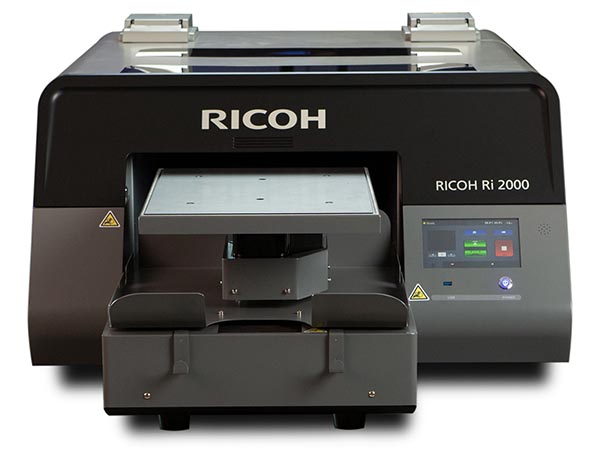
Back in early 2016, Ricoh acquired AnaJet, a leader at the time in direct-to-garment (DTG) printing. Since that time, the company has continued to develop its DTG portfolio, recently adding a new, more productive printer to its line. We spoke with Deputy General Manager for Ricoh’s Industry Print Business, Christian Compera, to learn more. Read More

In order to reduce the ecological footprint of textile printing, a lifecycle assessment of the entire printing process is essential. In this SPGPrints guest article first published on Texintel.com, Jos Notermans talks about how digital technologies can improve the sustainability position of the textiles industry and reduce the environmental footprint of textile printing. Read More

In order to achieve the change required in the textiles and apparel industry, brands and manufacturers must be able to deliver product diversity at any scale – a new generation of agile manufacturing. While this clearly requires the adoption of digital technologies, like other industries moving along the analog-to-digital continuum, it doesn’t mean that analog technologies are going away. Read this insightful piece by textiles expert and WhatTheyThink contributor Debbie McKeegan. Read More

Thanks to James Andres from S&S Activewear for contributing this week’s textiles article. Streetwear is a style of casual clothing which became global in the 1990s. The COVID-19 pandemic and increased work from home models have also increased demand for more casual clothing. Andres talks about how streetwear has contributed to art, creativity and philanthropy and profiles the response of four streetwear brands. Read More

Amazon has revolutionized retail sales and personalized/customized service. Now it looks like the company is taking it to the next level with the addition of a massive digital textile printing investment as part of its luxury stores where Amazon Prime customers can buy a wide range of top luxury fashion labels. This is part of Amazon’s Climate Friendly Pledge, helping customers make sustainable and eco-friendly purchasing decisions. Read more. Read More
The American Association of Textile Chemists and Colorists (AATCC) has a robust program of educational webinars. Most recently, the organization has sponsored a series of three important sessions related to testing and standards for PPE, especially important during this COVID-19 pandemic which shows no signs of ending. Of particular interest to our readers is a Duke University research project that developed a low-cost method for testing the efficacy of facemasks. Read More
Meet New York Textile Designer Elizabeth Halpern. She started out studying architecture but switched gears to work in the New York fashion district. In this Texintel interview, Halpern shares the story of her journey from architecture to fashion to life as an independent designer. What has inspired her and what is her biggest takeaway from her work in the fashion industry. Find out more! Read More
Spoonflower was a pioneer in the field of on-demand textile printing and production. As the rest of the industry races to catch up, new CEO Michael Jones is aiming to take Spoonflower to the next level. Cary Sherburne talks with Jones and senior vice president of research and development Kerry King about their vision for the future. Read More
The textiles industry is a huge polluter. Although there are many sustainability initiatives at play, there is still more that can be done. Just ask multidisciplinary researcher Roya Aghighi. She’d like you to reimagine your wardrobe as living things. Find out what that means! Read More

One of the ways the textiles and apparel industry is starting to adjust to the stresses exposed by the pandemic is to accelerate adoption of digital technologies. But what is the appetite for change, really? Textiles expert and WhatTheyThink contributor Debbie McKeegan shares her insights. Read More
Guest contributor Michael McDonald, president of SPESA, provides an update of how the association has been helping its members in the sewn products industry cope with the COVID-19 pandemic, and what its updated roster of events looks like. Read More

This article by textile expert and WhatTheyThink contributor Debbie McKeegan was originally published on Which PLM. In it, she notes the fashion industry is broken, not a surprise to anyone who has been following it, and suggests where we can go from here and why it might not transform as quickly as we would wish. Read More

What’s driving customization in the textile manufacturing sector, and why do we need to redefine fast fashion production? These questions are answered by textiles expert and WhatTheyThink contributor Debbie McKeegan, who offers a look at Fashion Enter, an ethical, sustainable business that manufactures sewn products and which has embraced digitization and continue to invest in the future. Read More

Did you know that St. Louis, Mo., was a fashion hub from the turn of the 20th century until the end of World War II? Now there are significant efforts to reestablish the city’s fashion prominence, led by the Saint Louis Fashion Fund. We spoke with co-founder Susan Sherman, and the CEO of high-tech knitting manufacturer Evolution St. Louis, Jon Lewis, to learn how their initiatives are progressing. Read More
There has been a great deal of discussion here and elsewhere about how the pandemic has accelerated efforts to restructure the textiles and apparel supply chain, resulting in both companies exiting China for destinations such as Vietnam and India, as well as reshoring of textiles and apparel in the US and Europe facilitated by the growing availability of digital technologies that enable new ways to design, manufacture and distribute textiles and apparel. This article contains a review of a report from the Ellen MacArthur Foundation: “A New Textiles Economy: Redesigning Fashion’s Future.” Well worth reading in full! Read More
Kornit is expanding its digital capabilities through the acquisition of Custom Gateway, positioning itself to offer a complete end-to-end digital production process. Textiles expert Debbie McKeegan explains. Read More
Epson’s new SureColor F10070 sports new features and capabilities, sure to help spur growth in digital textile fabric printing. Cary Sherburne takes a look at this new printer. Read More
“Bespoke” means custom-made and designed to a particular requirement. Local-to-local, bespoke, organized, and automated manufacturing is not without its challenges, but post-pandemic, it may be a better option than relying on a single global provider. ColorKarma’s Shoshana Burgett explains all about bespoke manufacturing and the role of design. Read More
In light of the global pandemic, increased attention is being paid to antimicrobial coatings for fabrics. Formerly reserved for medical and healthcare interiors, these fabrics are now in demand across multiple segments. Read More
As digital textile printing continues to gain steam in light of a needed supply chain restructuring for the industry, it can be confusing, especially for new entrants to the field, which ink is best for each fabric type and application. Textiles expert and Texintel CEO Debbie McKeegan explains the differences between five different digital textile printing ink sets. Read More
We’ve been following some of the research on graphene for some time now. Developments and innovations are continuing, especially in the European Union. Here we review the EU Graphene Flagship Initiative and some of the developments related to the textiles and apparel industry, including how graphene can affect advances in wearables. Read More
As the global pandemic crisis has evolved, the print community has sprung into action, converting capacity freed up by declining demand to production of personal protective equipment (PPE) for first-line workers and average citizens. This includes, of course, face masks, which has turned into big business. Read about one example of how a supplier has provided tools to make production of these life-saving masks easier. Read More
Do you know how much water it takes to make a single pair of jeans? The answer will likely shock you. In this article, Senior Editor Cary Sherburne explores how a commitment to zero-waste fashion—and some emerging technologies—can save precious water and protect our planet yet still let us enjoy those comfortable jeans and other fashion items. Read More
As machine manufacturers increasingly add hybrid functions to textile solutions, production costs go down while throughput goes up; in fact, the EFI Reggiani BOLT can produce more than 5,400 linear meters per hour and can include two analog stations for embellishments such as metallics. These speeds and the accompanying functionality rival traditional analog solutions and have a hugely smaller environmental footprint. Learn more. Read More
This feature rounds up some of the highlights of our Technology Outlook article and webinar series specific to wide-format, signage, and textiles and apparel, offering up some product releases and trends from the first half of 2020. Read More
What will the fashion industry look like post-COVID? It is broken in so many ways, and has been for some time, with the disruption of the pandemic laying bare the weaknesses and the fragility of the global supply chain. Check out this summary of the discussion at the Kornit Digital Live Talks event, titled “Business Unusual,” featuring Achim Berg, Global Senior Partner at McKinsey & Company. Read More
Most people understand there is a benefit to wearing a cloth mask to help reduce the spread of the coronavirus. But with so many mask types available, how do you choose the most effective type? Senior Editor Cary Sherburne digs into the latest research on this topic. Read More
Based on a conversation with experienced buyer Steve Brown and Kornit’s Omer Kulka, textiles expert Debbie McKeegan digs into the impact of data on creative fashion. As the industry’s most valuable currency, data, when used correctly, has the power to transform the industry and paves the way to greater transparency within the supply chain. Read More
Diana Rammell wanted better fitting clothes but was disappointed in the selection of fabrics she could find. So she took matters into her own hands, founding Raspberry Creek Fabrics in 2010 to create more compelling fabric designs. When her dreams got a little out of control, her attorney husband, Justin, stepped in to help. Today, the company produces some 40,000 yards of custom fabrics every month and continues to grow. Read More
Textiles expert Debbie McKeegan asks why it takes a pandemic to change the fashion industry, which has long been recognized as the world’s second largest polluter. Perhaps change is on the way, with manufacturers forced to re-examine fragile supply chains. Still, a lot will depend on changing consumer demands! Read More
As we proceed into the second half of 2020, Cary Sherburne rounds up some of the top textile and apparel trends we have seen thus far this year. Read More
Earlier this month was World Environment Day, founded by the United Nations in 1974. It’s a good time to step back and re-examine how the textile industry, the world’s second largest polluter, can make changes to become more sustainable. Textiles expert Debbie McKeegan notes that sustainability can’t be a luxury item; it has to be an essential element. Read More
How much of the post-pandemic “new normal” will involve on-demand manufacturing for textile-based products? Already we are hearing from on-demand manufacturers that their businesses are seeing increased demand, both due to the pandemic-related supply chain disruption and a general move in the industry to more efficiency, less waste, and more sustainability. In this story, we provide examples of how an on-demand manufacturer is helping both startups and brands achieve these goals. Read More
What can we expect in the textiles and apparel industry post-COVID-19 and what might the new normal look like? Will there be more room for micro-brands? Will consumers shift focus to more sustainable solutions? Textile expert Debbie McKeegan addresses these and other questions. Read More
The COVID-19 pandemic has laid bare the fragility of the global supply chain for textiles and apparel. This is driving brands and retailers to give more thoughtful consideration to how they can streamline that supply chain, bringing production closer to the point of use and eliminating at least some of the inventory risk inherent in the current process. In this article, we explore the role of the digital front end (DFE or RIP) for digital textile printers in making this a viable alternative to the current offshore bulk manufacturing of printed textiles and apparel. Read More
There is growing demand for customized home décor as well as sustainable fabric solutions. Textile expert Debbie McKeegan explores five sustainable furnishing fabrics and why it is important to choose eco-friendly textiles. Read More
With more than 1.8 million design options in its library, and with the availability of easy-to-use mask kits, Spoonflower and its designer community have responded in force to the need for masks, making more than 150,000 non-medical-grade fabric masks. Senior Editor Cary Sherburne spoke with Michael Jones, Spoonflower’s new CEO, and Kerry King, Senior Vice President of R&D, to learn more about this outstanding response and to get an update on what’s new at Spoonflower. Read More
The British Fashion Council and the CFDA both call for the industry to slow down, adopt sustainable practice and reject over consumption. It’s a big ask, and many in the industry want this change, the reality may be that “fast fashion” has created a consumer neurosis within retail and that will take some undoing. Read the full article Read More
Since it appears that masks will be part of our wardrobe for the foreseeable future, we continue to look for unique yet functional mask solutions and the companies that are converting their manufacturing operations to help address this critical need. We wrote about Tailored Industry last year, and recently heard they were knitting masks, so we checked in to get more detail. Read More
Debbie McKeegan has a conversation with Thimo Schwenzfeier, the Show Director of Neonyt and Director of Marketing Communications for Messe Frankfurt, about sustainability in the fashion industry, and how demand for sustainable fashion will only accelerate post-COVID. Read More
Hear from a university student about why she chose a career path in interiors, what drove her university choice, and what some of her biggest challenges have been as she develops new designs and collections. Read More
It’s been almost two years since we wrote about the work that Advanced Functional Fabrics of America (AFFOA) is doing to develop functional fiber computing solutions that will likely be the basis for moving us into Industry 5.0. Seems like we don’t even have Industry 4.0 under our belts, but technology does move fast these days! We spoke with the AFFOA team, including CEO Alexander (Sasha) Stolyarov, Chief Marketing Officer Eric Spackey, Senior Director of Business Development Natasha Spackey, and Chief Technology Officer Jason Cox, to get an update on what has transpired in the past two years. Read More
Digital printing technologies have enabled a wide range of entrepreneurs to get into the industry, something that was more difficult before. An example is Cotton Bee Fabrics in Poland, which has leveraged Mimaki printing technology to transform a side hustle into a viable business. Read More
What was once a specialty niche for wide-format print service providers now is a “must-have technology” for producing more mainstream applications. WhatTheyThink contributor Mark Vruno looks at the current state of, and best practices for, soft signage. Read More
In light of event cancellations during the pandemic, many companies are turning to virtual events to get their news out. Mimaki held a virtual press event recently, packed with industry news and announcing a five-week Virtual Print Festival to keep the industry informed and ready to move forward. We tuned in to learn more. Read More
In a changed world, will we see more functional fabrics that include such things as antiviral and antibacterial capabilities? Fashion and textile expert Debbie McKeegan thinks so. She discusses the future of smart textiles in the context of PPE, wearables, and protective clothing for fashion, sportswear, interiors, and hospitality. Read More
As the textiles and apparel industry works to improve supply chain management and reduce its environmental footprint, many view pigment inks as the Holy Grail—print on any fabric, no need for pre- or post-treatment in many cases. What’s not to like? The hand feel, that’s what. Here’s what Kornit is doing to address that issue. Read More
The COVID-19 pandemic offers an opportunity for the Fashion Industry to seize the moment and radically reset an aged, inappropriate business model. Textile expert and WhatTheyThink contributor Debbie McKeegan shares insight from the Fashinnovation worldwide talks, conducted virtually via Zoom on April 20 and 22, 2020. Read More
PrintFactory offers a RIP-based workflow for wide format printers in a Software-as-a-Service (SaaS) model. The company has about 17,000 active installations, supports more than 2,000 physical devices, and has about 40 employees. Find out more. Read More
Textile mills continue to work toward delivering more eco-friendly fabrics to the market. A case in point is Premier Digital Textiles, which has expanded its environmentally certified textiles collection, a collection with the provenance that the consumer now demands. Read More
As consumers increasingly turn to online shopping, brands and retailers are looking for ways to enhance the customer experience and to reduce product returns when the product the consumer receives doesn’t fit or otherwise doesn’t meet expectations. Volumental has an answer for shoe retailers and brands. Read More
Global demand for T-shirts continues to grow with direct-to-garment printing being the top technology choice for decorating them with an annual double-digit growth rate projected. Learn why pigment inks are key to maintaining—and even accelerating—this growth rate. Read More
One of the more popular means of digitally printing to fabrics is heat transfer dye sublimation where images are printed on a sublimation transfer paper and then processed through a heating unit (calender) to sublimate the image into fabric. Until now, this process has been limited to polyester or polyester blends. Neenah Coldenhove is addressing this shortfall with its new digital transfer paper for natural fibers. Read More
The COVID-19 pandemic has revealed significant shortcomings in today’s supply chain structure. As companies look to reconfigure their supply base, do they also nee to think about radically restructuring manufacturing processes? This thoughtful piece from textiles industry expert Debbie McKeegan addresses that issue. Read More
A growing number of companies are popping up in North America that offer custom apparel produced on demand. This is an important supply chain shift, both from an environmental and economic perspective as weaknesses in global supply chains have increasingly come to the forefront. Not everything, of course, can be produced on demand. But companies like California-based Equipe are demonstrating that local production is not only feasible, but a viable alterative for a growing variety of apparel and home décor items. Read More
One thing about a crisis like the COVID-19 pandemic is that it can bring people together to come up with creative ways to help. We are starting to hear stories about how players in the textiles and apparel industry are doing just that, converting operations to the production of much-needed masks and other PPE, and we wanted to share these inspiring stories with you. Read More
We have a new word for you: “printfullness”! A digital state of mind and machine that is spawning the next industrial revolution. It’s a growth of design, process, production and demand. Learn more! Read More
The continued evolution of digital technologies, including printing, for textile-based products has opened the door to more reshoring of manufacturing as well as on-demand production, ease of customization and more. Florida-based Catalyst Fabric Solutions is taking advantage of all of these trends for business growth. Read More
Designers are quickly becoming aware of the new opportunities offered by digital technologies for the fashion and home décor industries. In this article, we focus in on Jie Ren and his Fashion Collections, reflecting a new era of fashion manufacturing. Read More
We all love our blue jeans. They are comfortable, often stylish, but what about their impact on the environment? What if you could have a pair of jeans with an almost indistinguishable look on the outside, but silky soft on the inside, with a 97% water footprint reduction? Sound impossible? With new fabric printing technologies, it’s totally achievable. Read what Dalton Cheng of Intech has to say on this subject and more. Read More
Expect to see accelerating developments in smart textiles through 2020 and beyond. A few of the more recent developments are explained in this article by Senior Editor Cary Sherburne, who is keeping tabs on this market segment and the exciting news coming out almost daily. Be sure to check out WhatTheyThink’s Around the Web every Friday for additional smart textile news. Read More
There have been many advances in ink sets for digital textile printing over the last several years. Are you up to date with the latest information? This article will give you insight into five ink types available, how they work, and which fabric types they are suited for. Read More
With the growing share of digital print for textiles, software and workflow can often be more critical than the printing engine itself. In this article, we provide information about software RIPs and their role in the digital fabric printing process. Read More
As the market for wearable technology continues to evolve, UK-based Dresscode has taken a unique approach with CashCuff, the world’s first smart payment shirt. See what founder and CEO Andy Boothman has to say about the origin of the company and its strategy for the future. Read More
The push and pull between creatives and production professionals occurs in just about every industry, including textiles. Creatives want bold designs that enhance their portfolios and bring beauty to the world. Production folks just want something that they can produce! Helping bridge that gap is the topic of today’s article by WhatTheyThink contributor and textiles expert Debbie McKeegan. Read More
To pang-wangle is to live or go along cheerfully in spite of minor misfortunes. That’s exactly what Jennifer John is doing with her Pang Wangle fashion business, creating sustainable fashion ideal for hot, buggy climates such as is experienced in her home state of Louisiana. We spoke to Jennifer to learn more about her background, her growing business, and the challenges she faced finding just the exact right fabric for her unique creations. Read More
At the recent EFI Connect 2020 conference, Lynn Smith from The Sourcing Group spoke on the customer panel, sharing The Sourcing Group’s unique story. We followed up with her afterward to get more details on this print-related Business Process Optimization (BPO) company. Read More
As the world’s second largest polluter, the textiles and apparel industry has placed a huge focus on improving supply chain management to reduce its environmental footprint. WhatTheyThink contributor and textiles expert Debbie McKeegan talks about how digital textile printing can be a key to this effort, unlocking the supply chain while offering speed and sustainability. Read More
You can’t attend any textiles and apparel events or speak with industry professionals without the subject of workforce challenges arising. Senior Editor Cary Sherburne spoke with Marilyn McNeil-Morin about the Fashion Exchange program at Toronto’s George Brown College that has programs in place to help address these issues. Read More
At last month’s AATCC/SGIA Digital Textile Printing Conference 4.0, I had the pleasure of meeting Jonathan Tio and his brother Patrick of California-based Prima-Tex. His active and informed participation in the conference discussions were an inspiration, and he agreed to a subsequent interview for this article. Read More
Any time textile professionals gather, color management is always a topic of discussion. It becomes even more complex when introducing digital fabric printing into the mix. WhatTheyThink contributor and textiles expert Debbie McKeegan shares insights on achieving the perfect print. Read More
At the AATCC/SGIA Digital Textile Printing Conference 4.0 last December, one of the high points was a presentation by Kathy Phillips, Vice President of Design/Trend at Springs Creative, a show-and-tell that highlighted the company’s rich history in textiles, beginning with the founding of the Fort Mill Manufacturing Company in 1887 by Samuel Elliot White. We talked with Phillips to get more detail on this fascinating story to share with our readers. Read More
If you grew up, as I did, watching Captain Kangaroo, you’ll remember Mr. Green Jeans. These days, Green Jeans has an entirely different meaning, and San Francisco/Hong Kong based unspun set out to define the category. Read More
In the printed textiles market, pigment inks are a hot topic due to their ability to print brilliant colors on a wide variety of fabrics, often without pre-treatment. WhatTheyThink contributor and textiles expert Debbie McKeegan explains why. Read More
For the fourth straight year, AATCC and SGIA joined forces to bring the Digital Textile Printing Conference to the industry, a forum that addressed pressing issues and provided nearly 140 attendees with the ability to learn, network, and provide feedback that will help the associations continue to meet the needs of an evolving industry. Read More
The Maker movement continues to grow around the globe. In this post, WhatTheyThink contributor and textiles expert Debbie McKeegan outlines how digital technologies are spurring even further growth and opportunity in the UK market. These trends are relevant to North America as well, enabling creative individuals, designers, and artisans to build their own unique businesses and together generate a vibrant craft Industry in ever increasing numbers. Read More
At the recent SPESA Executive Conference, I had the pleasure of meeting Sarah Krasley of Shimmy, a company that provides training for garment workers using gamification (to make it more engaging) and artificial intelligence for localization, among other things. With automation increasingly expected to eliminate jobs in the textiles and other industries, upskilling of these workers is a critical investment in our future—and theirs. Read More
For decades, digital printing for the fashion, décor, industrial, and graphics industry was relegated to sampling and short-run printing. With the advantages of innovative inkjet technology, the industry is now addressing the demand for environmentally responsible output, innovative designs, and the need to improve supply chain operation. This article examines the latest textile industry trends and the dynamics of digital innovations on this massive industry supply chain, and looks at innovations in design and digital print, as well as cutting and sewing of textile-based products. Read More
Spandex, Lycra, elastane: Whatever would we do without these stretchy, comfortable fabrics. And digital textile printing adds even more flexibility to what can be done with them. Textiles guru Debbie McKeegan explains. Read More
Cary Sherburne looks at how print businesses can profit from offering heat-transfer dye-sublimation services, including textile-based products, as well as mugs, metallic substrates, and more. Read More
The Digital Textile Printing Conference 4.0, jointly presented by AATCC and SGIA, is a great way to wrap up a year full of dynamic change for the industry. It’s a full agenda designed to address the needs of everyone, from those that need a primer on digital textile printing, to those looking to expand their digital footprint, to developers who want to bring to market solutions closely attuned to existing and emerging market needs. Read More
BOBST has been providing solutions to the printing and packaging industries for four generations, and more recently has added digital textile printing to the mix. Cary Sherburne talks with CEO Jean-Pascal Bobst. Read More
As the textiles and apparel industry continues to take heat for its highly negative impact on the environment, some companies are taking creative approaches to not only creating sustainable garments, but pushing the industry to take more aggressive steps toward carbon-neutral operation. Sheep, Inc., is one of those companies. Read More
Digital textile printing is being used for more than apparel. Interior design is a hot market as well! Textiles guru and WhatTheyThink contributor Debbie McKeegan explores the effect of digital printing on an industry with many similarities to that of fashion: the interiors sector, including wall coverings. Read More
OnPoint Manufacturing has been looking for a digital textile printing solution that could keep up with the rest of its manufacturing process for some time. The company has determined that the new Kornit Presto digital textile printer fits the bill. Senior Editor Cary Sherburne spoke with Chairman Kirby Best to learn why. Read More
As ink and machine prices tumble, with print speeds and quality increasing at an astonishing rate, there’s a huge opportunity for the digital print community to take advantage of new business opportunities, according to textiles guru and WhatTheyThink contributor Debbie McKeegan. Read the stats! Read More
Last week, Senior Editor Cary Sherburne had the pleasure of attending the Executive Conference sponsored by the Sewn Products Equipment and Suppliers of the Americas (SPESA) in New Orleans. This was the first major event planned by the new staff, led by Michael McDonald, President, and by all accounts, it was a huge success. Read More
As we continue to look into the cannabis-related market, including how cannabis-related products are being used in apparel—more specifically, activewear—and the special packaging requirements the market has, we took time out to speak to Christopher Lackner of Mile High Labs in Colorado to gain an understanding of how the hemp plant is processed to deliver CBD-based materials for the market. Read More
Textiles guru and WhatTheyThink contributor Debbie McKeegan shares her thoughts about fashion on subscription—a new business model for the eco-conscious consumer. Today’s new shopping generation of digital nomads is quite comfortable ordering fashion online, and they idea of renting fashion holds a lot of appeal. Learn more. Read More
When you think about digital textile printers and where they might be installed, your first thought isn’t a photo lab. But that’s exactly where the first North American HP Stitch S1000 production model went. Senior Editor Cary Sherburne spoke with Mark Lane, co-owner of American Color Imaging (ACI), to learn how this printer will fit into its overall business model. Read More
Fashion Designer Mary Katrantzou embraced digital textile printing in 2008 and has already become known as the Queen of Digital Print. Textiles guru and WhatTheyThink contributor Debbie McKeegan shares the story of her meteoric rise. Read More
As PRINTING United approaches, we checked in with SGIA’s Ray Weiss, Director of Digital Print Programs, to better understand what textiles and apparel solutions will be at this expanded show, and to get his advice on how commercial printers, display graphics companies, or other attendees interested in gaining a foothold in this dynamic market can most effectively get the information they need at the show. Read More
As a proponent of the various benefits of cannabidiol (CBD), Senior Editor Cary Sherburne was intrigued to learn about Acabada’s CBD-infused activewear. She spoke with co-founder and CEO of Acabada, Seth Baum, to learn more. Watch for the March 2020 issue of Printing News for more information on all things cannabis, from definitions to sourcing CBD to unique packaging requirements and more. Read More
Join us in welcoming textiles guru Debbie McKeegan as a WhatTheyThink contributor! In this article, she weighs in on a hot topic in apparel—can we re-fashion fashion to use recycled polyester by 2030, and should we? She provides good insight into what polyester is and how it can be efficiently recycled—even polyester blends! Read More
Funxion was founded about a year ago as a spin-out from North Carolina State University’s Wilson College of Textiles, where its founders obtained their Ph.Ds. The company is focused on building out a platform for smart wearables that can be adapted to various use cases. Senior Editor Cary Sherburne spoke with Dr. Raj Bhakta, co-founder and CEO, to learn more. Read More
Web-to-print has become well-entrenched in commercial printing, and same on-demand production model is now making its way into the textiles and apparel industry. Cary Sherburne talks to Steve Smith, founder of DPInnovations, about the company’s Web2Fabric, a set of tools that can be modularly configured to meet the needs of individual companies. Read More
Last week, Senior Editor Cary Sherburne tuned in to an interesting WTIN webinar, Smart Textiles for Fashion, Entertainment, and Lifestyle. She summarizes some of the key points here, but recommends that industry professionals interested in smart textiles review the entire free webinar. Read More
World Textile Information Network (WTIN) has released its latest data regarding worldwide digital printing of textiles and we recap some of that information here. Read More
The topic of technical textiles can be a bit geeky. But there are always new and interesting developments in this area. Take P&G’s new smart diapers, or the protective lava suit for geologists from the University of Missouri working in volcanic areas, for example. Senior Editor Cary Sherburne digs into these topics and more. Read More
Lectra offers solutions that give fashion, automotive, and furniture companies the means to embark on the Industry 4.0 journey. Its recent acquisition of data company Retviews is another arrow in the company’s quiver. We spoke with Maximilien Abadie, Chief Strategy Officer for Lectra, to learn more. Read More
As part of our coverage of textiles and apparel, we look for interesting developments, both in the more conventional textiles and apparel market as it transitions to a more digital approach, as well as developments in technical textiles. In this article, we present the work being done at the MIT Media Lab to use knitting to embed conductive fibers in fabric in order to add functionality. Read More
In the textiles and apparel industry, color management has historically been a given. Now with the introduction of digital textile printing into the mix, new color management challenges have arisen. In this article, Senior Editor Cary Sherburne takes a look at the current state of color management in the textiles and apparel industry, and where it goes from here. Read More
Digital technologies, innovation and sustainability were key elements that drew a great deal of attention at the recent ITMA 2019 show in Barcelona. In this second ITMA article, Senior Editor Cary Sherburne highlights some of the advances she noticed during the show. This just scratches the surface of ITMA announcements but provides a feel for the speed with which the industry is adopting digital technologies that affect the entire supply chain. Read More
ITMA 2019 Textile and Garment Technology Exhibition, the world’s largest trade fair for the textiles industry, is taking place in Barcelona from June 20 to 26. For our printing industry readers, this is like the drupa of textiles. Here are some of the highlights from the show, with a focus on how companies are addressing the growing need for an ecosystem approach to digital textile printing. Read More
Once again, market research firm SmithersPira hosted Digital Print Week, with two conferences back to back: Digital Print for Packaging U.S. and Digital Textile Printing U.S. WhatTheyThink Senior Editor Cary Sherburne attended both sessions. The WhatTheyThink team also captured some great video content during the conferences, which will be run on the site over the next few weeks. Read More
Adobe, Datacolor, and Color Solutions International (CSI), have teamed up to continue the enhancement of Adobe Textile Designer for Photoshop by making it easier for designers to seamlessly capture inspiration colors, sending them directly into Photoshop. Adobe’s Mike Scrutton explains the details. Read More
FESPA 2019 in Munich was, by all accounts, its most successful show yet. The WhatTheyThink team walked all six halls, attended lots of press events, and did video interviews with a number of exhibitors that will be running over the next few weeks. Here are our key takeaways from the show. Read More
Spunlace nonwovens have a compelling commercial future in expanding end-uses—including adult and infant wipes, home care, and industrial applications—according to the latest research from Smithers Pira. Read More
FESPA Munich was an amazing show. If you didn’t attend this year, you should definitely consider attending next year in March in Madrid. There is something for everyone, regardless of which segment of the industry in which you play. Of particular note are the special features FESPA has organized to add to its educational value. Senior Editor Cary Sherburne reviews them here. Read More
In the world of interior design, finding the exact fabric needed for a commercial or residential interior design project can be difficult. But why not have the exact fabrics you need, designed and printed on demand in the exact quantity you need? That’s the concept behind Design Pool. Read More
FESPA 2019 attracted attendees on a global scale under the theme of an “Explosion of Possibilities.” In partnership with Keypoint Intelligence – InfoTrends, the event’s organizers collected feedback from the 2018 Print Census research to determine key areas of focus for the 2019 event. Read More
As consumers look to ecommerce for more and more of their purchasing, the fashion industry has a growing issue with costly returns—largely because items don’t fit as expected. Dresslife works with fashion brands and retailers, enabling them to offer a better customer experience and has launched a mobile app. We spoke with Dresslife’s marketing manager, Yvonne Georgi, to learn more. Read More
Digital has become a viable method for printing a variety of fabric applications, and the technology is now extending its reach into the direct-to-garment (DTG) market. This article offers a brief discussion about the growth in DTG printing and discusses some key trends for the commercial and industrial printing sectors. Read More
Six months ago, we reported on Adobe’s Project Paras, a public beta of an addition to Photoshop CC that made it easier for textile and apparel designers to do their work. We checked in with Mike Scrutton, Director of Print Technology and Strategy for Adobe, to get an update. Read More
On Friday, EFI announced yet another acquisition, this time Turkish company BDR Boya Kimya, a leading manufacturer of reactive inkjet inks for industrial digital textile printing. We spoke with Adele Genoni, EFI Reggiani’s Vice President and General Manager, to get the inside scoop on this acquisition. While we had her on the line, we also asked for an update on EFI BOLT, the world’s fastest digital textile printer. Read More
Back in early 2018, we spoke with Mike Horsten, then Business Manager for Large Format Professional EMEA at HP, about HP’s potential plans for entering the digital textile printing market. Now, more than a year later, HP has made its first announcements, launching the HP Stitch series of textile printers. The company held a media briefing to discuss its strategy. Read More
Up until about 25 years ago, knitwear manufacturing was a big deal in Brooklyn. But since then, much of it has moved offshore. Tailored Industry is looking to revitalize knitwear manufacturing in Brooklyn using proprietary on-demand software and 3D full-garment knitting technology. Read More
A press release from EFI Monday morning caught the industry by surprise. The company announced a definitive agreement to be acquired by an affiliate of Siris Capital Group LLC. Senior Editor Cary Sherburne spoke with CEO Bill Muir and CFO Marc Olin to get some background on the announcement. Read More
Are you a supplier to the sewn products industry? If so, are you a member of SPESA? And if you are not, this article from Senior Editor Cary Sherburne lays out why you should be. SPESA’s President Michael McDonald shares his thoughts on the association’s role in promoting and supporting the sewn products industry from the supplier’s perspective. Read More
At TechTextil North America, Senior Editor Cary Sherburne stopped by the Cotton, Inc., booth to learn what’s new with this staple fiber (pardon the pun) and was amazed at all the uses cotton is being put to these days. It’s not just for T-shirts anymore! Read More
Printed textiles are rapidly replacing vinyl and rigid materials for signage, and Tempe, Ariz.’s Next Level Signs has leapt into so-called “soft signage.” Founder Mark Baldwin has launched a sister company Windigo Signs to offer a robust, custom-made, and weather-resistant alternative for outdoor soft signage mounting. Read More
The Fashion Institute of Technology and OnPoint Manufacturing yesterday announced a new development in fashion design that will enable more entrepreneurism to occur in this market. Unique.Fashion is a unique web portal for designers and buyers that is set to transform how fashion is marketed and produced. Senior Editor Cary Sherburne spoke with OnPoint Chairman Kirby Best to learn more. Read More
We recently wrote about graphene as a miracle product. At TechTextil 2019, Senior Editor Cary Sherburne was able to see graphene in action, courtesy of Kyorene. In this story, she speaks with Matt Reid, the company’s director of sales, about current and future strategies of the business, and how he expects to see graphene impact the textiles market. Read More
While the retail and apparel industries are moving to more digital technologies and processes, many observers still believe we are in the infancy of the analog-to-digital transformation the industry will ultimately need to undergo. Senior Editor Cary Sherburne recently spoke to a digital advocate to gain insight into the industry’s progress. Kelly Price, Director of Business Development for consulting firm ArcherGrey, made some interesting observations. Read More
Techtextil North America was a success by any measure. The show, which moved from Chicago to Raleigh N.C., drew more than 3,000 textile and apparel professionals and included an impressive symposium program. Cary Sherburne provides a quick summary. Read More
InPrint USA heads to Louisville, Ky., to showcase the latest opportunities for commercial printers in the fast-growing area(s) of industrial printing. Richard Romano offers a preview, and talks with InPrint co-founder Frazer Chesterman about the show and industrial printing. Read More