Premium Commentary & Analysis
When we talk about digital print for fabrics, we are often dealing with woven fabrics. But digital print can be used with knitted fabrics as well, as demonstrated by the success of Eurojersey in introducing digitally printed knit collections. The company, based in Italy, has been around for nearly 70 years and continues to lead the market in technical fabric innovation and sustainable sourcing. With its digitally printed Sensitive® Fabrics, the company uses digital printing to give the fabric a different appearance and different properties compared to its plain color products. Learn more.
Thursday, December 02, 2021
Continue reading your article
with a WhatTheyThink membership.
Less than $4/week.
Get unlimited access to in-depth commentary and analysis covering the latest trends, emerging technologies, operational strategies, and key events across every segment of today's printing industry.
Stay informed. Stay competitive. Stay ahead.Debbie McKeegan is the CEO of TexIntel. As a multi-disciplinary creative and renowned digital print pioneer, she holds over 25 years’ experience within the Textile manufacturing industry. An award winning Textile designer, and lifetime manufacturer of printed products for Fashion and Interiors, she has a unique insight that combines creativity with a deep knowledge of traditional manufacturing process and the essential application of disruptive digital technologies.
TexIntel is an Expert Resource that provides independent, authoritative, realtime advice to some of the most innovative creatives and emerging companies in the Home Decor, Fashion, Manufacturing, Digital Print, and Textile Technology Industries. https://www.texintel.com

10 Things PSPs Should Consider Before Adopting Robotics: What You Need to Know to Begin the Journey
Why Highly Targeted Communications Make Digital Print Essential to Modern Marketing
Wide Format in 2026: How Technology Is Reshaping Competitive Advantage
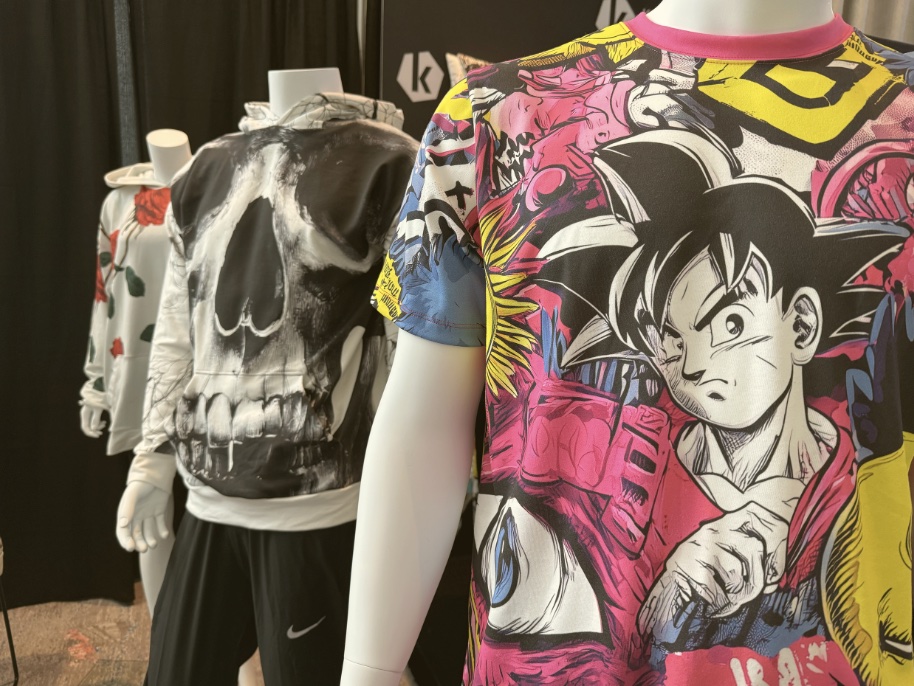
The textile market’s demand for agility, sustainability, and personalized merchandise at any volume, is forcing manufacturers to rethink their entire production lines. Digital technology offers the fundamental operating system for efficient, profitable production. In this article, textiles expert and WhatTheyThink contributor Debbie McKeegan reports on what industry leaders had to say about this at the recent Kornit Konnections 2026 in Hollywood, Fla. Read More
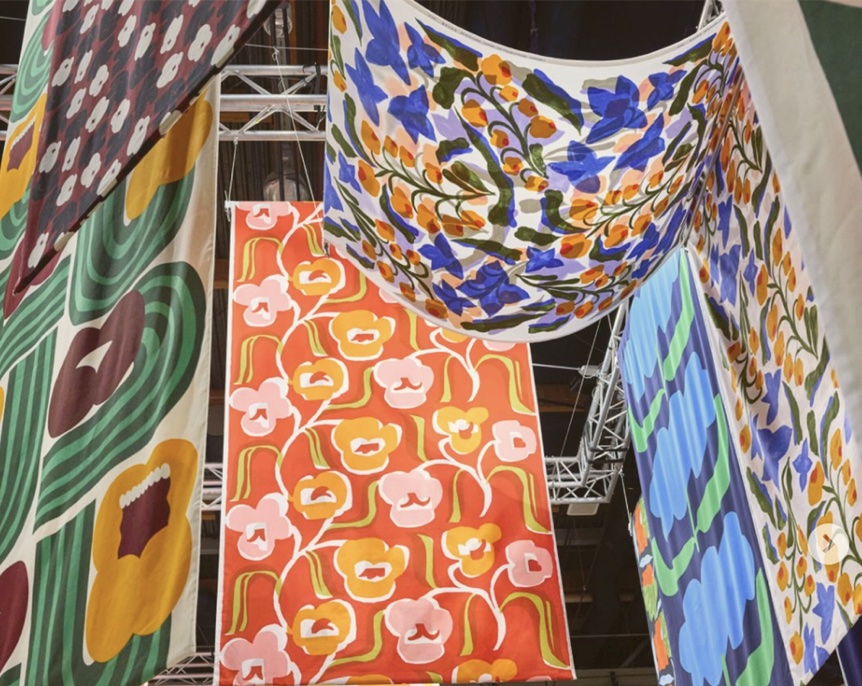
How does a fashion brand founded in 1951 leverage its legacy as a springboard for growth, innovation, and responsible production, without ever diluting what makes it? This great story, compliments of textiles expert and WhatTheyThink contributor Debbie McKeegan, is worth a read! Read More

According to textiles expert and WhatTheyThink contributor Debbie McKeegan, we are currently witnessing the single greatest shift in information retrieval since the invention of the search engine. The internet, once a library of blue links, is rapidly transforming into an oracle of direct answers. The challenge now is not how to use AI to do more—but to use AI to matter more. Read More

Have you ever wondered if your interior is toxic? The industry is known for its use of toxic chemicals, unfortunately. Perhaps there's a way to create healthier homes while eliminating toxic chemicals from interior design. This article, provided compliments of Texintel CEO Debbie McKeegan tackles that possibility. Read More
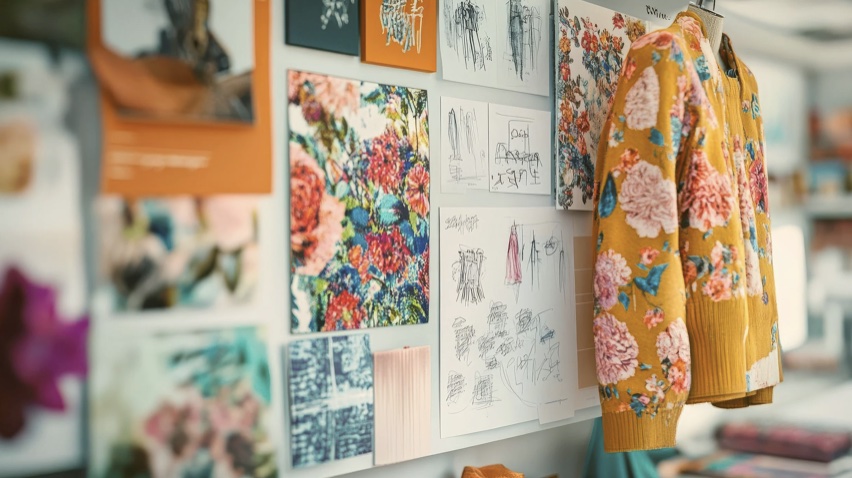
In a recent masterclass hosted by The Fashion Network, leading experts discussed the critical changes required in fashion-related supply chains, noting that in a post-pandemic world, it’s no longer a question of if your supply chain will face disruption, but when, Provided compliments of Debbie McKeegan, CEO of Texintel, the discussion provides actionable strategies to future proof operations. Read More