WhatTheyThink

Premium Commentary & Analysis

The FABRIC Act Would Support Better Working Conditions, More Reshoring, in Garment Industry

Several U.S. Senators are sponsoring the FABRIC Act to drive protections for garment workers in the U.S. and encourage more reshoring of the industry. This article explains why it is important, how it can benefit the industry and the environment, and encourages outreach to your own Senator to express your support. The legislation has already received the support of various stakeholders in the fashion industry, including designers, manufacturers, and industry bodies.

Monday, May 23, 2022

In this year’s Technology Outlook Webinar for Wide Format & Signage and Textiles, we touched on some of the initiatives that are in place to ensure better working conditions and fair pay for garment workers, including Fashion Revolution and the Responsible Sourcing Network with its Yarn Ethically & Sustainably Sourced (YESS) pilot project. It’s no secret that garment workers have not been treated equitably in many countries. And there have been a number of tragedies as a result of their treatment. For example, 146 garment workers died in the Triangle Shirtwaist Factory fire in 1911 because the doors to the stairwells and exits were locked. More recently, a garment factory fire in Bangladesh (2012) resulted in at least 112 deaths, and a Bangladesh garment factory collapse (2013) killed more than 1,100 workers, the clothing industry’s worst ever industrial accident. And many in between.

In the United States, we tend to think “that couldn’t happen here,” and 1911 was a long time ago. But according to Senators Kirsten Gillibrand, Cory Booker, Bernie Sanders, and Elizabeth Warren, there still are too many instances of garment workers being treated unfairly and put at risk, even in the United States. That’s why they have introduced the Fashioning Accountability and Building Real Institutional Change—a.k.a. FABRIC—Act, a bill that seeks to eradicate the piece-rate system for all garment employees in the United States, introduce new transparency measures, incentivize reshoring and create a domestic garment manufacturing grant program. This follows on the heels of the California Garment Worker Protection Act that strengthens protections for garment workers and sets up an enforcement agency to hold manufacturers accountable, as well as the proposed Fashion Act proposed by a New York coalition aiming to hold major brands accountable for their social and environmental impact.

According to recent industry data supporting passage of the California Act, “Los Angeles has the highest concentration of garment industry workers in the country. Largely located south and east of downtown, some 2,000 manufacturers employ more than 40,000 people—mostly immigrant women—who spend 10 to 12 hours a day cutting, sewing, and dyeing clothing—from designer jeans to ‘fast fashion’ runway knockoffs.” Prior to the Act being passed, most of these workers were paid by the piece and earned as little as “$.03 per assembly operation (ex, setting a seam, trimming a blouse), which is entirely too low to ever enable a worker to earn the minimum wage per hour. What’s worse, workers often report they do not even know what they will earn from hour to hour and week to week, as rates are set and changed by employers, and it is common for employers to reduce already promised piece rates.  Not only does utilizing the piece rate enable—and even justify—sub-minimum wage, but it also creates unsafe working conditions, as garment workers are constantly racing against the clock to complete as many items as possible. The piece rate impedes workers’ ability to take breaks, which would be unpaid under this system, to sanitize workstations or wash their hands, critical hygiene needed to stem the spread of COVID-19,” according to GarmentWorkersAct.org.


Continue reading your article
with a WhatTheyThink membership.

WhatTheyThink Annual Membership

Less than $4/week.

Get unlimited access to in-depth commentary and analysis covering the latest trends, emerging technologies, operational strategies, and key events across every segment of today's printing industry.

Stay informed. Stay competitive. Stay ahead.
WhatTheyThink Day Pass

$5 for 24 hours

Unlimited access to all of WhatTheyThink. Get your Day Pass

Already a member?
Sign In

About Cary Sherburne

Cary Sherburne is a well-known author, journalist and marketing consultant whose practice is focused on marketing communications strategies for the printing and publishing industries.

Cary Sherburne is available for speaking engagements and consulting projects. To get more information contact us.

Please offer your feedback to Cary. She can be reached at [email protected].

Recent Articles from Cary Sherburne

U.S. Hemp Goes International

U.S. Hemp Goes International

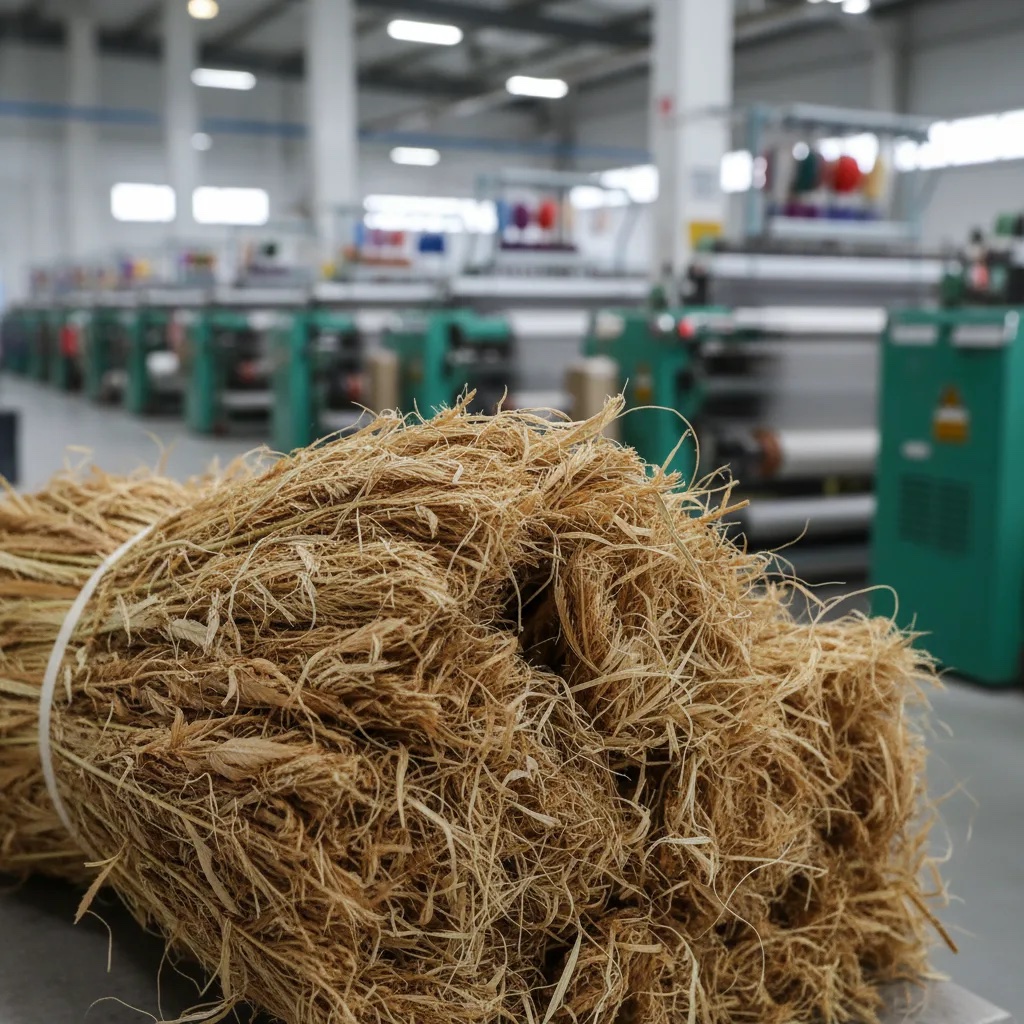
While the U.S. domestic textile industry is struggling to grow, the U.S. farming industry could play an important role in making textiles more sustainable with arrangements such as the recently announced deal for Panda Biotech to provide U.S. grown hemp fibers to the Indian textile market. Read More

Strategic Planning Spurs Growth at AlphaGraphics Kansas City

Strategic Planning Spurs Growth at AlphaGraphics Kansas City

When Haley Haar took over AlphaGraphics in Kansas City, the business generated about $600,000 annually. Today, she has led the company in a growth path approaching $2 million in annual revenues through careful strategic planning and a deep understanding of customer needs and requirements. Read More
Tariffs and Textiles: Will They Help Bring Back U.S. textile Manufacturing?

Tariffs and Textiles: Will They Help Bring Back U.S. textile Manufacturing?

So supposedly, a goal of U.S. tariffs on products imported from other countries, including textiles, apparel, and footwear, was to incentivize bringing manufacturing back to the States. Of course, setting up a new factory takes time and money; it doesn’t happen overnight. But it seems that producers had other ideas…the results may surprise you. Read More


Textile Turmoil: What’s the Latest in the World of Textiles?

Textile Turmoil: What’s the Latest in the World of Textiles?

Nothing better demonstrates the turmoil the textiles and apparel industry is going through than two news items I received in my inbox, basically back to back, stating that the U.S. is holding its own while Europe is losing steam. What else is going on in the industry today? We dive into that here. Read More

Monadnock Introduces Recyclable Alternative to Vinyl for Retail Signage

Monadnock Introduces Recyclable Alternative to Vinyl for Retail Signage

For its entire 207-year history, Monadnock Paper Mills has taken sustainability to heart. As a privately-owned paper mill, the owners live near the mill and take protection of the environment seriously. Most recently, the company has introduced a new, sustainable alternative to vinyl for retail signage, Ultra Hide PC 100 Blockout Poster. In part two of this two-part video, Julie Brannen explains. Read More