Image courtesy of Texintel
FESPA 2025 proved to be more than just a meeting point for industry leaders.
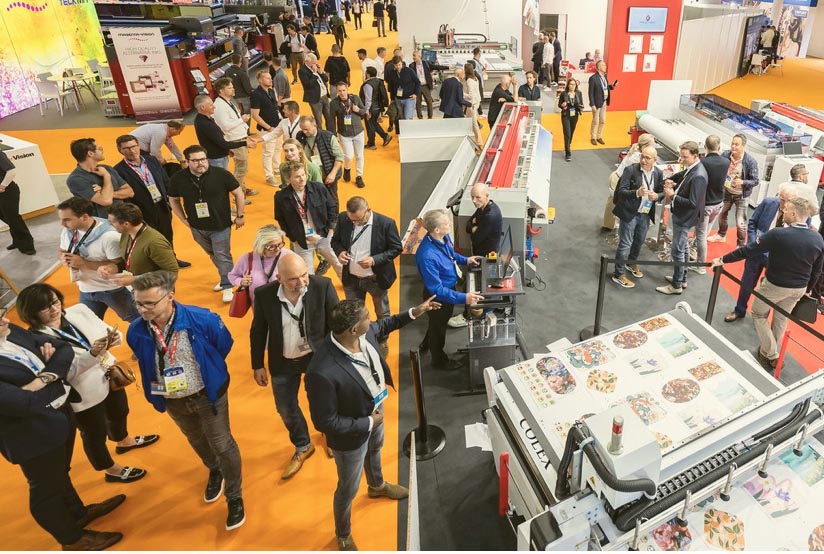
The FESPA Global Print Expo 2025, held in vibrant Berlin, stood as a testament to the ongoing innovation within the print and signage industries. Over four days, exhibitors from around the world showcased cutting-edge technologies, sustainable practices, and trend-driving solutions.
With over 14,306 unique attendees from 126 countries, 40% of visitors planned to purchase within 12 months of the exhibition, and 71% of visitors were Managing Directors, CEOs, owners, or managers. With a combined spending power of approximately €2.9 billion, it is clear that FESPA remains a powerhouse for collaborating, networking, and sharing knowledge in the global print community.
This review from the Texintel editorial team will give you the pulse of the event, spotlighting the key trends, notable innovations, and insights on what the near future holds for the print industry. Whether you’re a seasoned industry professional or a newcomer looking for opportunities, these takeaways will help guide your strategy in the year ahead.
Staying Ahead of the Curve
From textiles to wide-format printing, the fair highlighted significant developments in printing technologies aimed at improving productivity, sustainability, and customization. Exhibitors consistently echoed themes of efficiency, creativity, and eco-consciousness in their innovations.
Folker Stachetzki, Marketing Manager at Brother Germany, commented, “FESPA is where we showcase our solutions to an engaged international audience. Visitors don’t just see; they experience. They see machines in action, feel the output, and share their insights. This feedback loop is invaluable, both for us and for the end-user.”
“At FESPA, our solutions are focused on current and emerging market needs in packaging, textiles, and other applications, including innovative touch screen technology to streamline creation of textile and packaging applications,” added Todd Zimmerman, EFI’s Chief Revenue Officer. “We also demonstrated a wide range of printers designed to help sign and display producers grow their businesses with new capabilities and revenue streams.
The demand for personalization, streamlined manufacturing processes, and high-quality results were key aspects mentioned by many producers. Meanwhile, figures like Christian Harder, Vice President of Sales at Durst Group AG, highlighted FESPA as the place for partnerships and forward-thinking discussions. He remarked, “FESPA 2025 is not just about new products for us. It’s about showcasing our technological ambition. We are rethinking professional print production—with the most reliable printing systems on the market, a connected software architecture, a clear focus on automation, true efficiency, and resource-saving processes. ‘Made in Durst’ stands for integrated solutions with responsibility: for our customers, their competitiveness, and our environment.”
Key Trends Making Waves
Sustainability Is No Longer Optional: The print industry continues to adapt to the growing call for sustainable practices. From eco-friendly inks to recyclable materials, sustainability feels less like a trend and more like a baseline expectation. Innovations presented at FESPA 2025 included Epson’s development of a silk-like fiber made from discarded cotton, demonstrating not only their technological print capabilities but also the growing importance of circular economy practices in textiles.
Many exhibitors highlighted how their technologies reduce waste and enhance printed production efficiency. For instance, Coldenhove showcased its Xtreme Sports 70GSM sublimation paper that marries enhanced efficiency with reduced material waste.
Personalization at Scale: 2025 is poised to be the year of mass personalization. Since its successful 2023 launch, the Personalisation Experience platform at FESPA has shed light on how printers can cater to a market increasingly driven by customized products. From single-run prints to entirely bespoke creations, brands are leveraging innovations in hardware and software to deliver tailored experiences.
Mimaki, a key innovator in digital print, backed this trend by supporting exhibitions exploring personalization opportunities, blending art and commerce through advanced customization technologies.
Smart Automation: Automation technologies designed to optimize production processes were in the spotlight. Several exhibitors demonstrated machinery and software capable of not only streamlining workflows but also resolving previously time-intensive challenges. For example, Antigro Designer’s award-winning web-to-print software allows small teams to achieve stunning results with efficiency once reserved for enterprise-level operations.
With its emerging dominance, automation continues to position itself as a critical driver of profitability and scalability for businesses of all sizes.
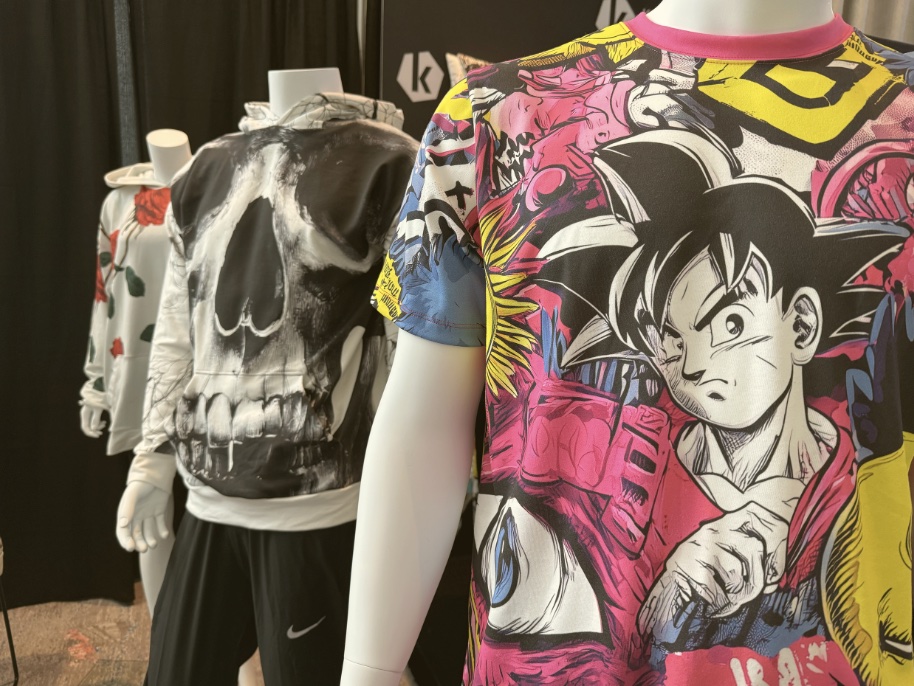
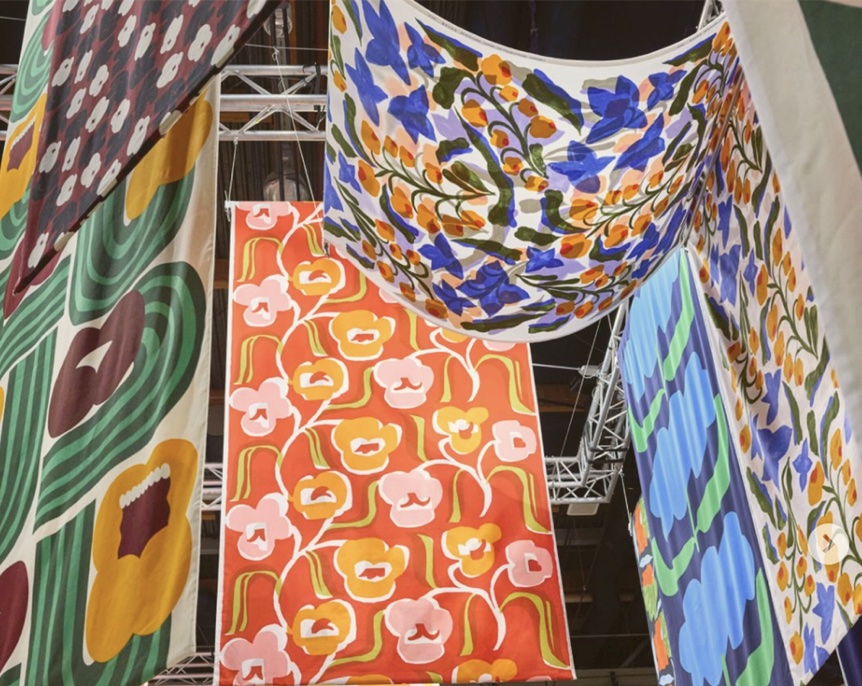
Textile Printing Innovation: Another dominant trend was the evolution of textile printing technologies, particularly toward printed sustainable fibers, on-demand production, and advanced finishing processes. Exhibitors like UFABRIK, which launched their textiles into the European market, spoke about how the industry is moving toward higher customization and eco-consciousness.
Robin East of UFABRIK shared, “Our consignment service offers unique flexibility, making it ideal for clients of all sizes. Educating the market through platforms like FESPA ensures these solutions reach the right people.”
Innovations and Collaborations Make Progress
Epson and Fiery Partnership: A new benchmark was set with Epson and Fiery’s alliance, combining cutting-edge hardware with robust color management software. Their immersive demonstrations showed attendees how to deliver unparalleled consistency and flexibility across different media types.
Adobe’s PDF Print Engine 7: Adobe’s PDF Print Engine 7 represented a major breakthrough in print workflow technology, emphasizing precision and efficiency. This latest iteration showcased advanced rendering capabilities, enabling smoother gradients, enhanced transparency handling, and support for the most complex design elements. It also improves transparencies, enabling operators to take advantage of the full capability of printers that have more than just four colors – a capability that is not yet represented in the PDF standard, but is on its way to going there. Its integration into multiple platforms reaffirms Adobe’s commitment to optimizing print performance for even the most demanding production environments.
HKRITA and Regenerative Fibres: HKRITA, alongside Epson, unveiled regenerated fibers made from highly specific waste materials, echoing the adoption of circularity in the fashion industry. Not only do innovations like these inspire a more sustainable future, but they also open niche markets for conscientious brands.
Knowledge Transfer and Industry Insights at the FESPA SmartHUB
The FESPA Smart Hub Conference served as an intellectual focal point of the event, offering attendees unparalleled insights into the latest trends, challenges, and advancements in the print and graphics industry. Featuring expert-led sessions, panel discussions, and forward-thinking workshops, the conference emphasized the necessity of adaptability and innovation in an increasingly competitive market. From sustainability strategies to the integration of AI technologies, the Smart Hub provided actionable knowledge for professionals seeking to future-proof their businesses.
The atmosphere at FESPA 2025 was overwhelmingly positive, underpinned by a forward-thinking optimism about the future of print. Exhibitors and visitors alike left with a renewed sense that technology, creativity, and collaboration can overcome challenges, foster growth, and seize commercial opportunities.
For businesses looking to innovate and grow, the key takeaways from this event serve as a roadmap for staying competitive:
- Invest in Sustainability: Eco-conscious practices are no longer a preference but an expectation. Evaluate your operations and consider investing in sustainable materials and waste-reducing technologies.
- Prioritize Personalization: Customers are looking for unique products that reflect their individuality. Equip your processes with tools that allow customization at scale.
- Automate and Optimize: Streamlined workflows lead to reduced costs and quicker turnaround times. Look at software and equipment designed for smart automation.
- Leverage Textile Innovations: Stay informed on trends in textile printing and adapt to emerging consumer demands for more ethical and innovative fabrics.
FESPA 2025 proved to be more than just a meeting point for industry leaders. It was a dynamic showcase of how innovation and application intertwine to push boundaries. With personalization and automation shaping the future and sustainability at its core, the print industry is poised to move into 2026 with purpose and confidence. Stay innovative, and stay competitive.
Next Up: FESPA 2026 Barcelona—A Hub of Creativity and Progress
The next edition of FESPA will convene industry professionals in vibrant Barcelona, a city celebrated for its fusion of art, culture, and innovation. Scheduled for May 19–22, 2026, this global event promises to be a significant milestone in the print and signage sector. With an anticipated number of exhibitors and attendees surpassing previous records, FESPA 2026 is set to spotlight the latest technological advancements, sustainable practices, and emerging trends driving the future of print.
The event will serve as a vital platform for exploring innovations in textile printing, large-format graphics, and adaptive printing, alongside workshops, seminars, and live demonstrations designed to inspire and educate. Attendees can expect to gain valuable insights into new methodologies, connect with thought leaders, and build strategic partnerships that will redefine their operational capabilities.