WhatTheyThink

Premium Commentary & Analysis

New in Technical Textiles: Smart Diapers, Lava Suits, and More

The topic of technical textiles can be a bit geeky. But there are always new and interesting developments in this area. Take P&G’s new smart diapers, or the protective lava suit for geologists from the University of Missouri working in volcanic areas, for example. Senior Editor Cary Sherburne digs into these topics and more.

Monday, August 05, 2019

I don’t have a small child, but if I did, I’m not so sure I’d want my kid’s diapers talking to me! But that’s just what Procter & Gamble has introduced with its Lumi, an all-in-one connected system that includes two activity sensors (presumably reusable) for diapers, a Logitech camera to be used as a Wi-Fi baby monitor and an app that integrates it all. No, the camera is not in the diapers, which was my first thought…rather, it is meant to be a sophisticated baby monitor for the nursery. This is certainly not new. What is new is the way it is packaged into a whole system. Lumi is not expected to be on the market until fall, and pricing has not yet been announced, but likely the diapers themselves will be comparable in price to other Pampers offerings. What’s different is a wider blue wetness strip on the outside of the diaper that allows the sensor to notify parents—via the Android or Apple app—that the diaper is wet. The sensor can also monitor sleep patterns. And the app also lets parents enter other data, such as feeding times and more, tracking data that can be helpful in establishing routines and for visits to the pediatrician. So from a technical textiles perspective, the difference here is the wider wetness strip, and other improvements that P&G has made to diapers over time. But the coolness of it has to do with the entire integrated system.

Other companies are moving into this lucrative market as well. Huggies will be offering Monit that includes a Bluetooth sensor attaching to the outside of the diaper. It actually senses dirty, as well as wet, diapers (Lumi only deals with wetness). It can also track sleeping patterns, and is already available in Korea and Japan, with launch in North America soon. While this solution doesn’t appear to be linked to an app or a camera, it will offer a subscription service, making it easier for parents and more profitable for the company.

This wouldn’t be my cup of tea, but geologists are doing important work at volcanic sites and need protective clothing. This is where Abby Romine, a graduate student in the Department of Textile and Apparel Management at the University of Missouri, comes in. If you are working around an active volcano, it can get pretty hot—1,300 to 2,000 degrees Fahrenheit. So you obviously need protective clothing. But you would like it to be not only protective, but comfortable. Romine developed breathable gear with lightweight fabric that is breathable and doesn’t restrict movement. It’s also functional with all the pockets, clips and other gizmos geologists need when working in this volatile environment. Oh, and it’s flame and abrasion resistant, a must-have for lava workers. According to an article published by the University:


Continue reading your article
with a WhatTheyThink membership.

WhatTheyThink Annual Membership

Less than $4/week.

Get unlimited access to in-depth commentary and analysis covering the latest trends, emerging technologies, operational strategies, and key events across every segment of today's printing industry.

Stay informed. Stay competitive. Stay ahead.
WhatTheyThink Day Pass

$5 for 24 hours

Unlimited access to all of WhatTheyThink. Get your Day Pass

Already a member?
Sign In

About Cary Sherburne

Cary Sherburne is a well-known author, journalist and marketing consultant whose practice is focused on marketing communications strategies for the printing and publishing industries.

Cary Sherburne is available for speaking engagements and consulting projects. To get more information contact us.

Please offer your feedback to Cary. She can be reached at [email protected].

Recent Articles from Cary Sherburne

Toby Weiss Leaving Fiery After 17 years

Toby Weiss Leaving Fiery After 17 years

After 17 years with Fiery, culminating in his role as CEO, Toby Weiss is leaving the company to take on the role of CEO at Securonix, with the task of scaling the next era of AI-Powered security operations. In this interview. Toby shares some of his favorite experiences at Fiery as well as some of the challenges. While this move might seem unusual, Toby explains that he joined Fiery from the cybersecurity industry and is looking forward to get back into it, although he will miss Fiery and its people and customers, and our industry will certainly miss him! Read More
Haley Haar’s Strategic Vision Results in Business Growth

Haley Haar’s Strategic Vision Results in Business Growth

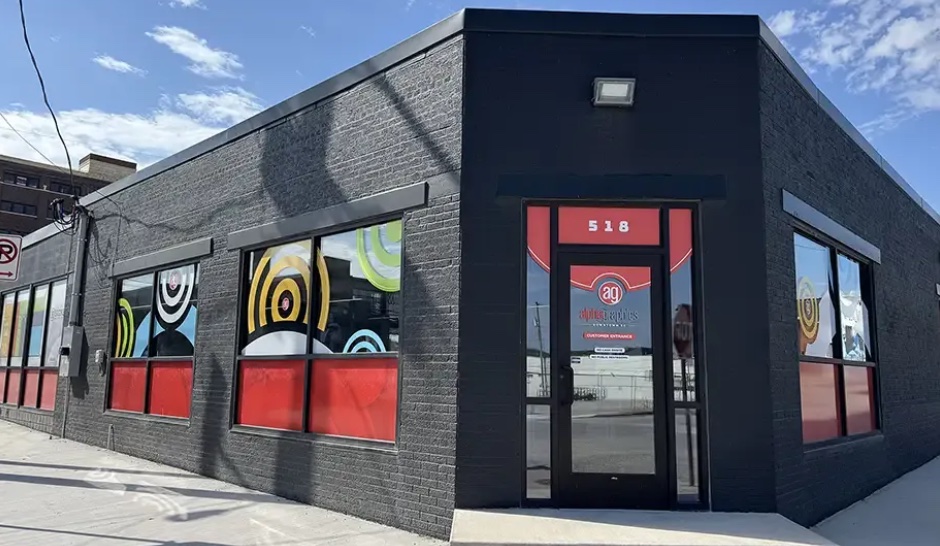
In a recent interview, Haley Haar, Owner/President of AlphaGraphics Kansas City, explained how she brought the Kansas City center from about $450,000 in annual revenues to nearly $2 million through strategic planning and a deep understanding of customer needs and requirements. Read More
U.S. Hemp Goes International

U.S. Hemp Goes International

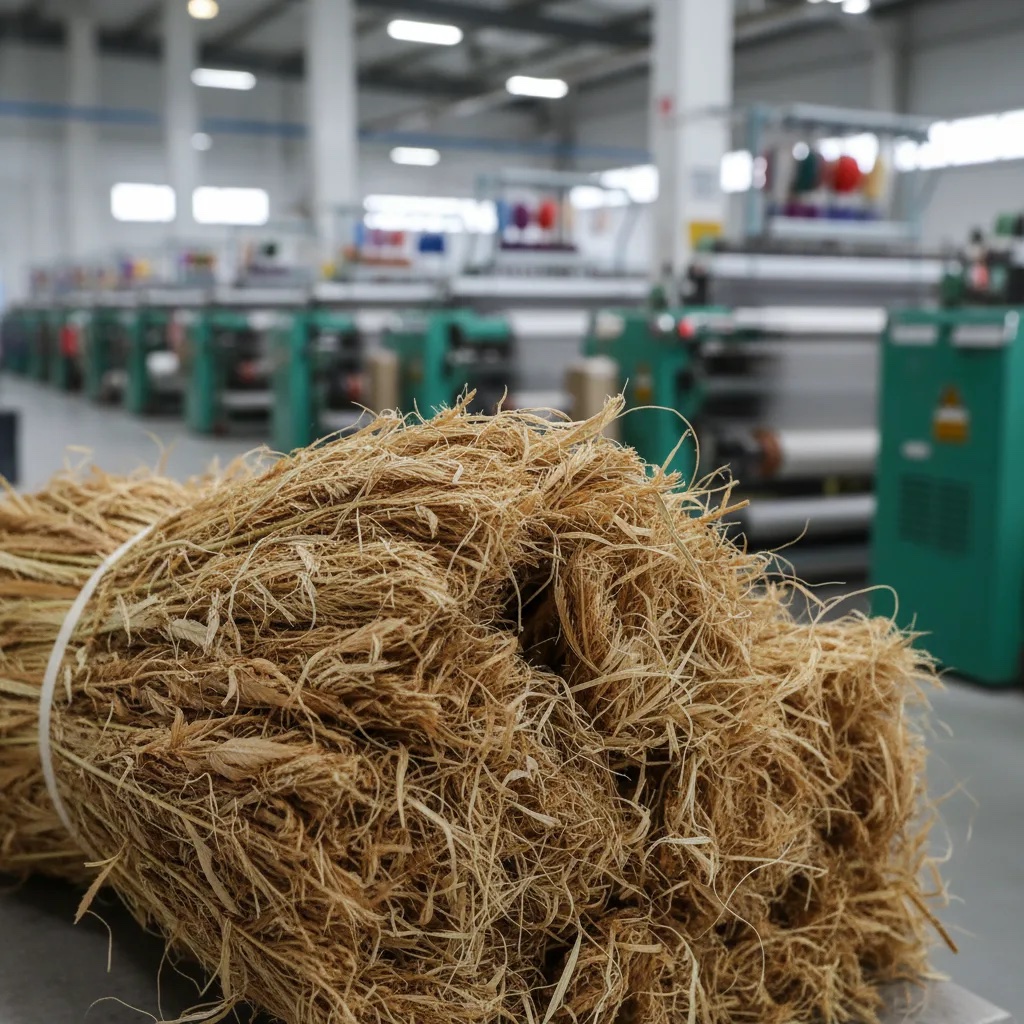
While the U.S. domestic textile industry is struggling to grow, the U.S. farming industry could play an important role in making textiles more sustainable with arrangements such as the recently announced deal for Panda Biotech to provide U.S. grown hemp fibers to the Indian textile market. Read More

Strategic Planning Spurs Growth at AlphaGraphics Kansas City

Strategic Planning Spurs Growth at AlphaGraphics Kansas City

When Haley Haar took over AlphaGraphics in Kansas City, the business generated about $600,000 annually. Today, she has led the company in a growth path approaching $2 million in annual revenues through careful strategic planning and a deep understanding of customer needs and requirements. Read More
Tariffs and Textiles: Will They Help Bring Back U.S. textile Manufacturing?

Tariffs and Textiles: Will They Help Bring Back U.S. textile Manufacturing?

So supposedly, a goal of U.S. tariffs on products imported from other countries, including textiles, apparel, and footwear, was to incentivize bringing manufacturing back to the States. Of course, setting up a new factory takes time and money; it doesn’t happen overnight. But it seems that producers had other ideas…the results may surprise you. Read More