Is your brand’s sizing strategy fit for purpose? It’s a question every apparel executive should be asking.
For too long, the industry has operated under a fragmented and often outdated understanding of the human form. We’ve created garments in silos, hoping for the best, while dealing with the consequences of getting it wrong: mountains of returns, damaged customer loyalty, and a catastrophic environmental footprint.
The truth is, inconsistent sizing isn’t just an inconvenience; it’s a multi-billion-dollar crisis. The era of guesswork is over. To survive and thrive, brands must embrace a data-driven, standardized approach to fit, turning a point of friction into a competitive advantage.
The Staggering Cost of a Poor Fit
The scale of the problem is alarming. Inconsistent fit is the number one reason for apparel returns. According to a 2023 report from Coresight Research, a staggering 53% of all apparel returns are due to size and fit issues.
Globally, the value of returned goods is astronomical. The National Retail Federation reported that in 2024, 16.9% of all purchases were returned, equating to a mind-boggling $890 billion. That isn’t just a number on a spreadsheet; it represents wasted resources, lost revenue, and a logistical nightmare.
When a customer orders three sizes of the same item to find one that fits, the environmental and financial costs multiply. Each return journey emits carbon, consumes packaging, and requires manual processing. Worse still, many returned items, particularly from fast-fashion brands, never make it back to the shelf. They are instead destined for landfill, contributing to the industry’s already immense waste problem.
Beyond the immediate financial and environmental impact, poor sizing erodes the most valuable asset a brand has: customer trust. A customer who repeatedly struggles to find their size will eventually give up and take their business elsewhere. Brand loyalty is built on a foundation of reliability and consistency; and when it comes to apparel, that starts with a predictable fit.
A World of Difference: The Geographic Reality of Size
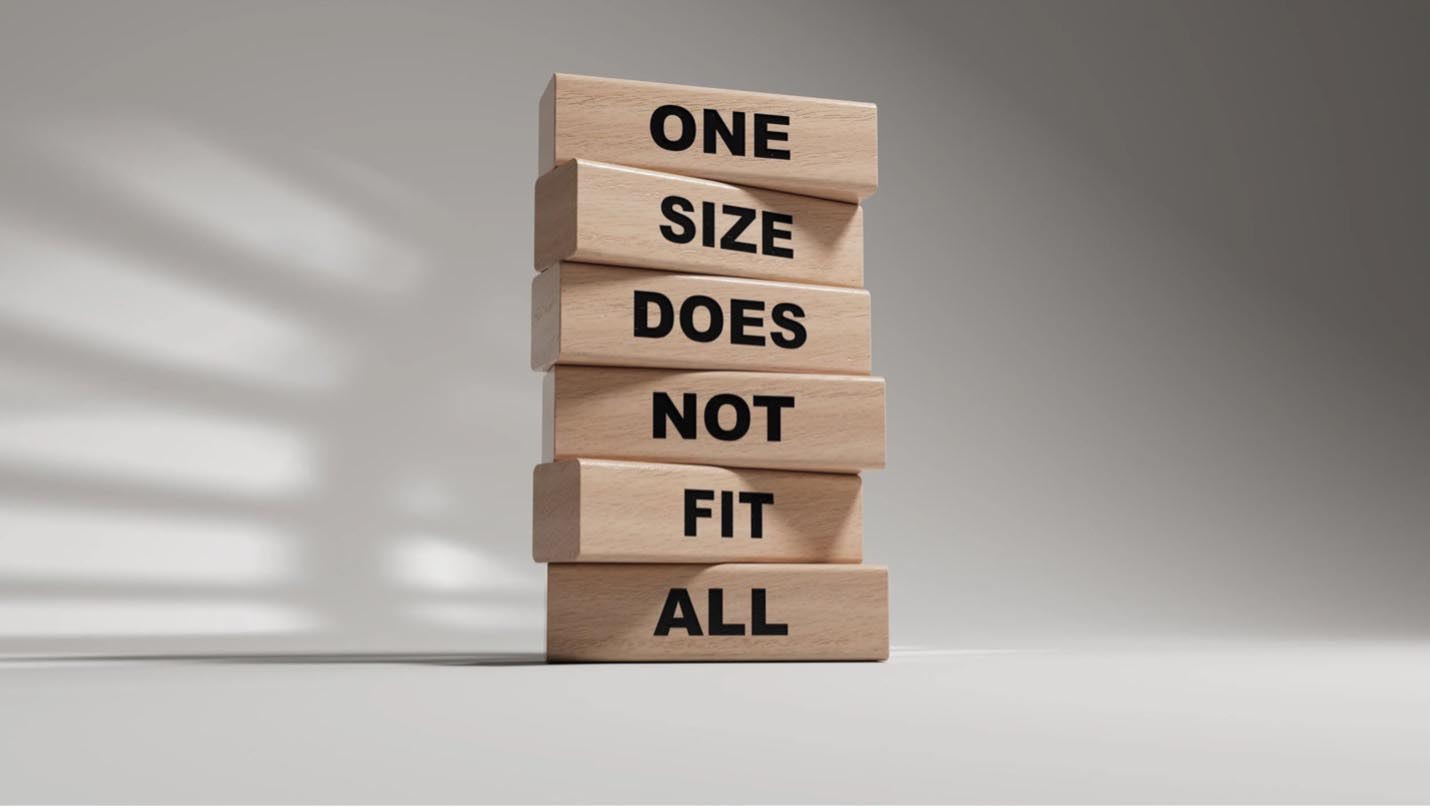
A key reason for this widespread failure is the industry’s historical reliance on outdated and geographically limited data. A “medium” in Milan is not the same as a “medium” in Mumbai, yet many global brands continue to apply a one-size-fits-all approach to their international markets.
Human bodies are beautifully diverse, shaped by genetics, diet, and lifestyle. This diversity isn’t random; it follows clear demographic and geographic patterns. For example, Alvanon’s recent work in developing the Alvanon Standard for India, using data from the landmark India Size Project, highlighted significant differences from global norms. They found unique body shapes and a broader variance in stature across different regions of the country.
A brand shipping a standard European fit to the Indian market without adaptation is setting itself up for failure. They will face high return rates and the added cost of in-store tailoring—a common practice that eats into margins. By ignoring these regional realities, brands are not only failing their customers but also missing huge opportunities for market penetration and growth. Understanding and catering to these differences isn’t just good practice; it’s smart business.
Breaking the Silos: A Call for a Shared Standard
So, what is the solution? The answer lies in collaboration and standardization across the entire supply chain. For too long, designers, pattern makers, manufacturers, and retailers have worked in disconnected silos, each with their own interpretation of size and fit. This lack of a common language is the root cause of the inconsistency that plagues the industry.
We need a single source of truth.
By establishing and adopting a core body standard, a brand creates a consistent foundation for every stage of product development. This standard, built on robust demographic data, ensures that whether a garment is being designed in a 3D program, cut in a factory, or displayed on an e-commerce site, everyone is working from the same playbook.
This unified approach offers transformative benefits:
- Efficiency: Digital design and 3D prototyping become infinitely more accurate when based on a true-to-life body standard. This accelerates time-to-market and drastically reduces the need for physical samples, saving time, money, and materials.
- Sustainability: Getting the fit right the first time means fewer returns, less waste, and a smaller carbon footprint. Brands like Bershka (an Inditex brand), who, after implementing the YourFit virtual try-on service in partnership with 3DLOOK, saw a 10% reduction in returns in 2024, saving millions and preventing tons of waste.
- Customer Loyalty: When customers know they can trust a brand’s sizing, they buy with confidence. This builds the lasting relationships that are the bedrock of sustainable growth.
The Future is Fit-Focused
The apparel industry is at a crossroads. We can either continue down the wasteful and inefficient path of the past, or we can embrace a future where data, technology, and collaboration combine to solve one of our oldest and most expensive problems.
Creating a consistent and accurate sizing strategy is no longer “nice-to-have”; it is a commercial imperative.
The tools and data are now available to make this a reality. It’s time for brands to stop working in silos and start building a supply chain where information is shared openly and standards are upheld rigorously. Only then can we create garments that truly fit our customers, reduce our environmental impact, and build a more sustainable and profitable future for the industry.