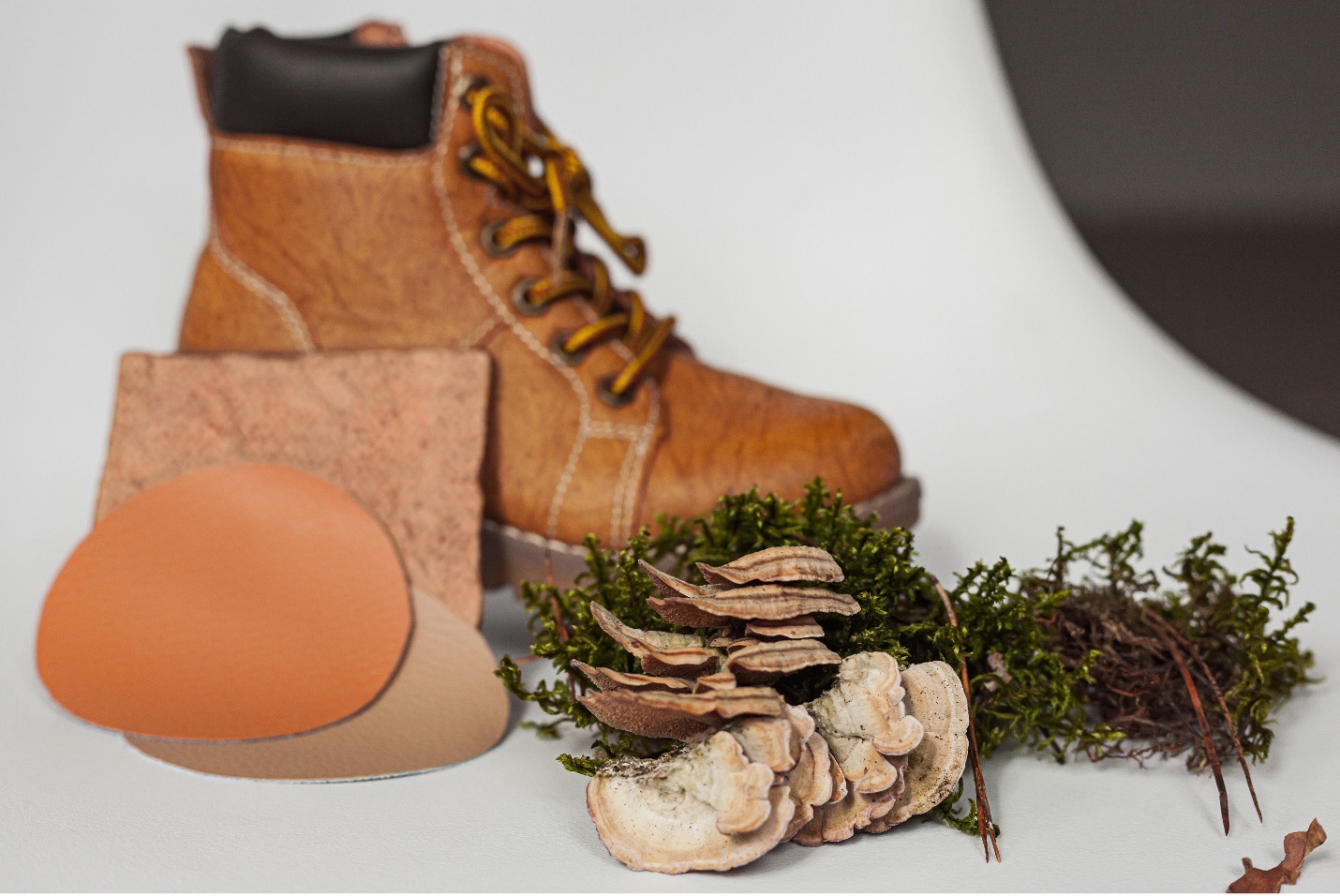
Back in 2022, we wrote about sustainability in the textiles industry, including the emergence of vegan leather created from mushrooms; more specifically, from mycelium, fast-growing mushroom “roots.” We noted, “[with] mushroom leather, brands can do even more with it than they can with natural leather without the immense ecological impact of the traditional leather-making process, from pastures and cattle feed to a wide range of toxic chemicals used in the tanning process.”
MycoWorks was and continues to be a key provider of this innovative alternative. But according to The Sourcing Journal, “MycoWorks is shifting focus. The biomaterials technology company will stop growing mycelium and begin processing it instead.” Why, you might ask.
MycoWorks was creating Reishi, a mycelium-based mushroom leather grown in sheets, like a hide. Earlier this year, the company collaborated with Igualada, a Spanish tannery, to create Rei-Tanning technology, which enhances the Reishi sheets’ performance and consistency. According to a letter from the company, ReiTan delivers an improvement in strength of four to five times. This is important, since earlier versions were not “a drop-in replacement for cow or calf hides,” since it had a lower tear strength and delivered less performance in other ways as well.
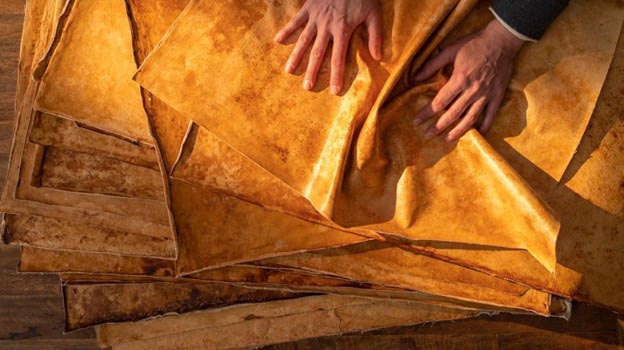
Image sourced from The Sourcing Journal
Another advantage of this development was the ability to use the technology with any mycelium, not just that grown by MycoWorks. They say it “can be applied not only to the network of a dozen leather tanneries that [they] currently collaborate with but also to any leather tannery in the world, improving the quality and speed to market of all mycelium leather.”
With that in mind, MycoWorks is shifting its business model from growing mycelium to sourcing and tanning mycelium. And the company hopes that being able to source mycelium rather than growing it itself will help it scale faster…lack of scale has been a barrier to adoption of mushroom leather, although many luxury and design brands have been experimenting with it. These include Hermès, Stella McCartney, Adidas, Lululemon, Calvin Klein, and Gucci, among others. On the furniture front, Ligne Roset and Anomalia Studio have been working with the alternative, and Cadillac unveiled a concept car that uses mycelium leather instead of traditional leather.
This is a pretty major development for the industry, if it can truly scale as promised. Mycellium is fast and easy to grow and harvest. By moving to a sourcing model, MycoWorks believes it can scale quickly. And magical mushroom leather is much less damaging to the environment than cowhide—and the toxic processes required to tan cowhide. Fingers crossed that we start seeing more mushroom leather on the market, not only in luxury brands, but in everyday brands as well!