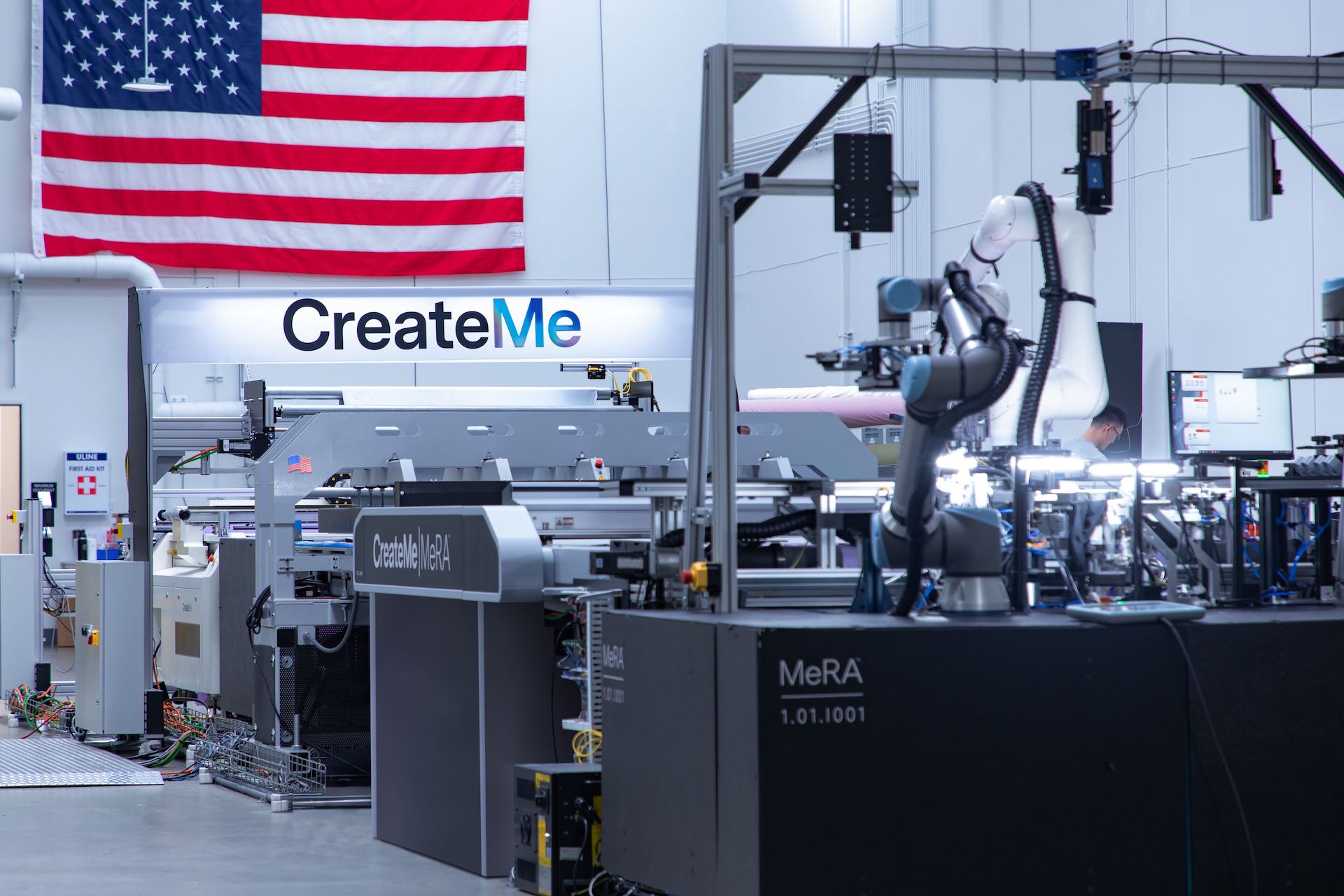
CreateMe, in partnership with Avalo AI and Laguna Fabrics, launched Seed to System, a first-of-its-kind infrastructure connecting fragments of the apparel supply chain into one end-to-end U.S.-based system: from Texas cotton fields to California factory floors. Hear about this innovative initiative from CreateMe CEO Cam Myers. Read More
In this article from the Printing & Manufacturing Journal, Nessan Cleary reports from FESPA on Durst’s recent activities surrounding automation, and a dedication to the textile printing market. Read More
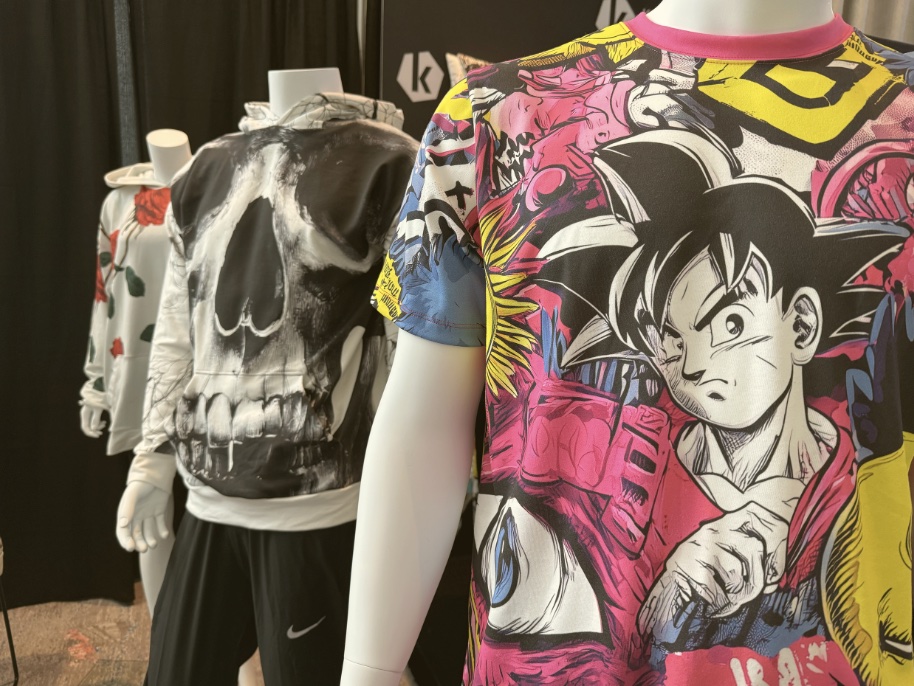
The textile market’s demand for agility, sustainability, and personalized merchandise at any volume, is forcing manufacturers to rethink their entire production lines. Digital technology offers the fundamental operating system for efficient, profitable production. In this article, textiles expert and WhatTheyThink contributor Debbie McKeegan reports on what industry leaders had to say about this at the recent Kornit Konnections 2026 in Hollywood, Fla. Read More
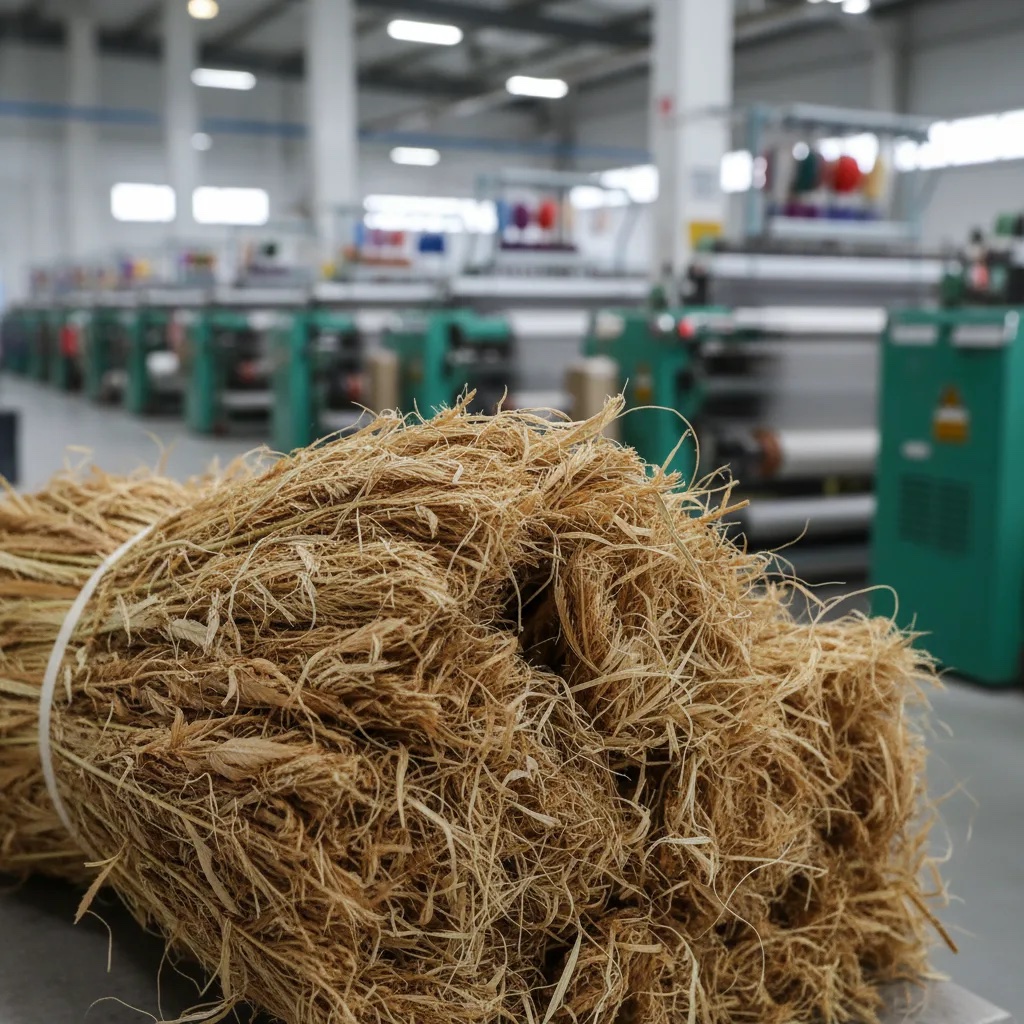
While the U.S. domestic textile industry is struggling to grow, the U.S. farming industry could play an important role in making textiles more sustainable with arrangements such as the recently announced deal for Panda Biotech to provide U.S. grown hemp fibers to the Indian textile market. Read More
CreateMe, in partnership with Avalo AI and Laguna Fabrics, launched Seed to System, a first-of-its-kind infrastructure connecting fragments of the apparel supply chain into one end-to-end U.S.-based system: from Texas cotton fields to California factory floors. Hear about this innovative initiative from CreateMe CEO Cam Myers. Read More
In this article from the Printing & Manufacturing Journal, Nessan Cleary reports from FESPA on Durst’s recent activities surrounding automation, and a dedication to the textile printing market. Read More
The textile market’s demand for agility, sustainability, and personalized merchandise at any volume, is forcing manufacturers to rethink their entire production lines. Digital technology offers the fundamental operating system for efficient, profitable production. In this article, textiles expert and WhatTheyThink contributor Debbie McKeegan reports on what industry leaders had to say about this at the recent Kornit Konnections 2026 in Hollywood, Fla. Read More
While the U.S. domestic textile industry is struggling to grow, the U.S. farming industry could play an important role in making textiles more sustainable with arrangements such as the recently announced deal for Panda Biotech to provide U.S. grown hemp fibers to the Indian textile market. Read More
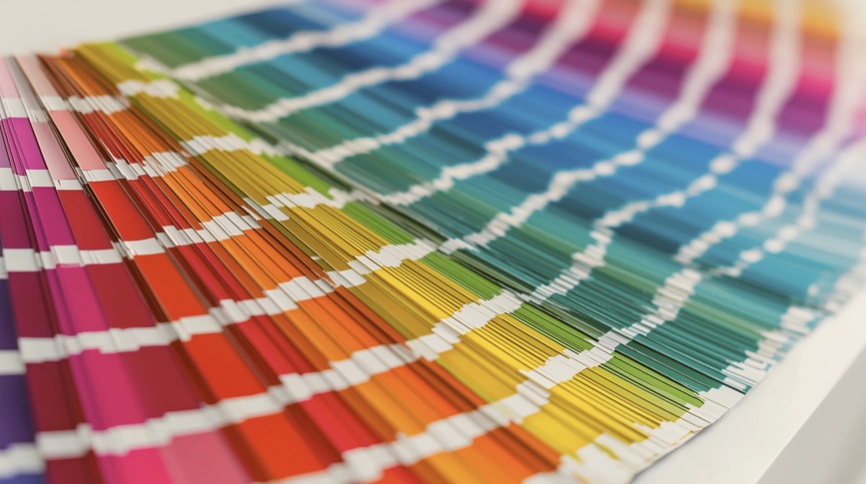
In this article, compliments of textiles expert and WhatTheyThink contributor Debbie McKeegan, graphic arts expert Lou Prestia outlines how viewing printed output, whether on paper, textiles, or other media, under the correct lighting can make a difference between customer acceptance and rejection, streamlining production times and reducing waste. Read More

So supposedly, a goal of U.S. tariffs on products imported from other countries, including textiles, apparel, and footwear, was to incentivize bringing manufacturing back to the States. Of course, setting up a new factory takes time and money; it doesn’t happen overnight. But it seems that producers had other ideas…the results may surprise you. Read More

Nothing better demonstrates the turmoil the textiles and apparel industry is going through than two news items I received in my inbox, basically back to back, stating that the U.S. is holding its own while Europe is losing steam. What else is going on in the industry today? We dive into that here. Read More
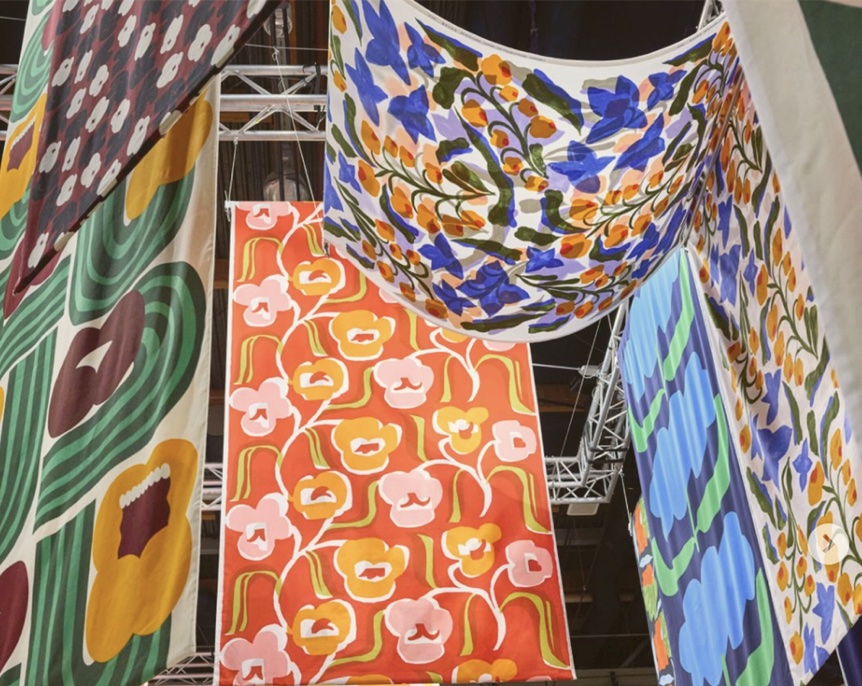
How does a fashion brand founded in 1951 leverage its legacy as a springboard for growth, innovation, and responsible production, without ever diluting what makes it? This great story, compliments of textiles expert and WhatTheyThink contributor Debbie McKeegan, is worth a read! Read More
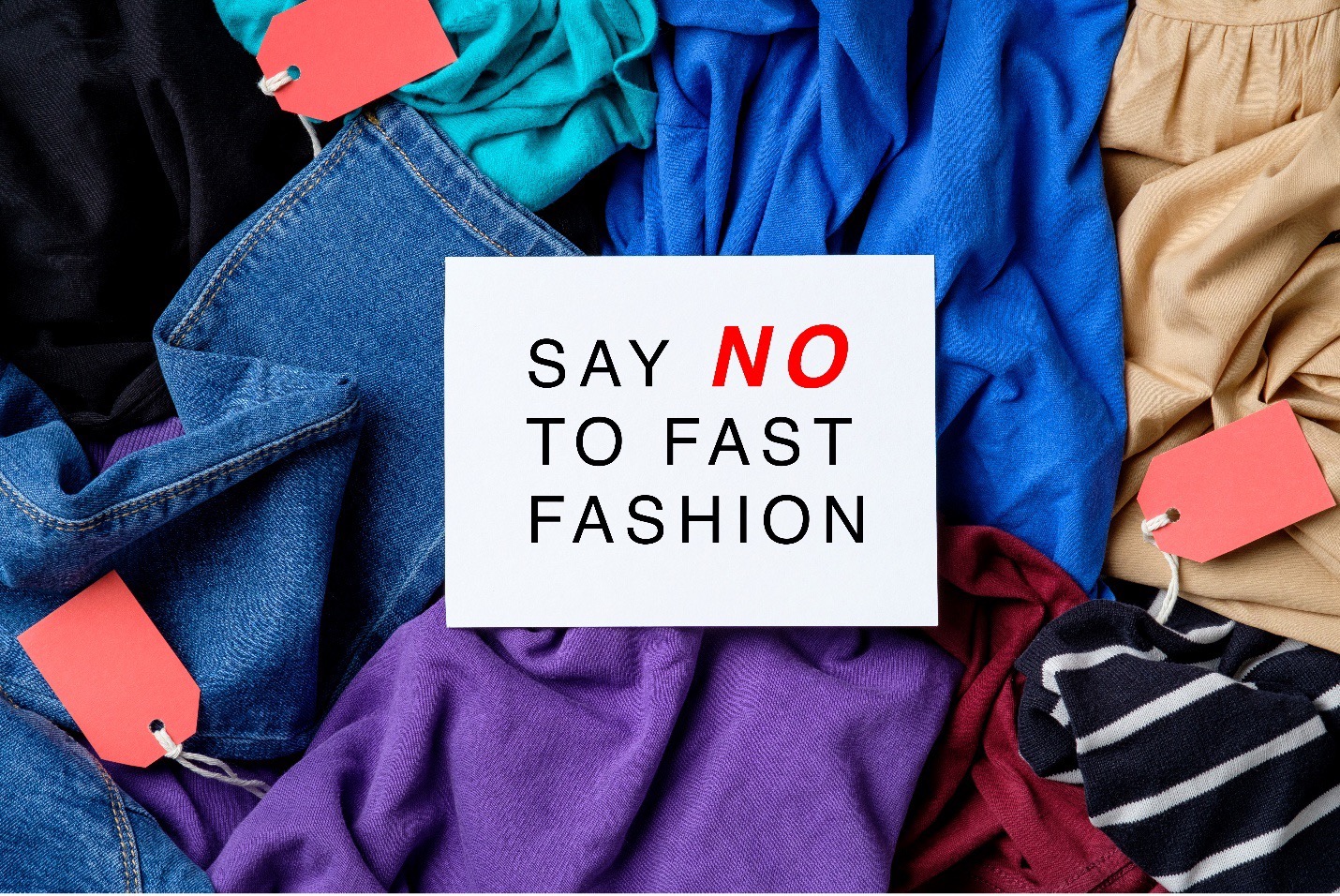
A recent article in Apparel DECODED caught Cary Sherburne's attention. It notes that the second-hand apparel market is growing, and highlighted Vinted as an example. In this article, she takes a look at the market, recent changes, and projections for growth among key players. Read More

About a year ago, we provided an update on Digital Product Passports. While the news on this topic has been somewhat quiet, a recent article published by GlobalData caught my eye—the launch of the world’s first China-EU Digital Product Passport (DPP) for a textile product! Read More

According to textiles expert and WhatTheyThink contributor Debbie McKeegan, we are currently witnessing the single greatest shift in information retrieval since the invention of the search engine. The internet, once a library of blue links, is rapidly transforming into an oracle of direct answers. The challenge now is not how to use AI to do more—but to use AI to matter more. Read More
The Graphene Council, now renamed as The Advanced Carbons Council, has been a key source of information about graphene, often called a miracle material. As graphene, which was discovered in 2004, has matured and is less of a niche material, this expansion of the group’s focus signified by its renaming creates a unique entity, as explained by its Executive Director, Terrance Barkan, in this interview. Read More
The water footprint of a single pair of jeans is surprisingly high, primarily because of the "thirsty" nature of cotton and the intensive chemical washes required to get that classic denim look. Plus cotton growing requires a lot of pesticides and herbicides. Is hemp a possible cotton replacement? Fashion for Good believes so. Read More
Focus on textile recycling has increased around the globe. More than 80% of clothing waste is discarded in landfills. Reju, a leader in textile recycling, is opening a plant in Rochester, N.Y. Is this the start of scaling up textile recycling in North America, which has lagged behind Europe and other parts of the world? Read More
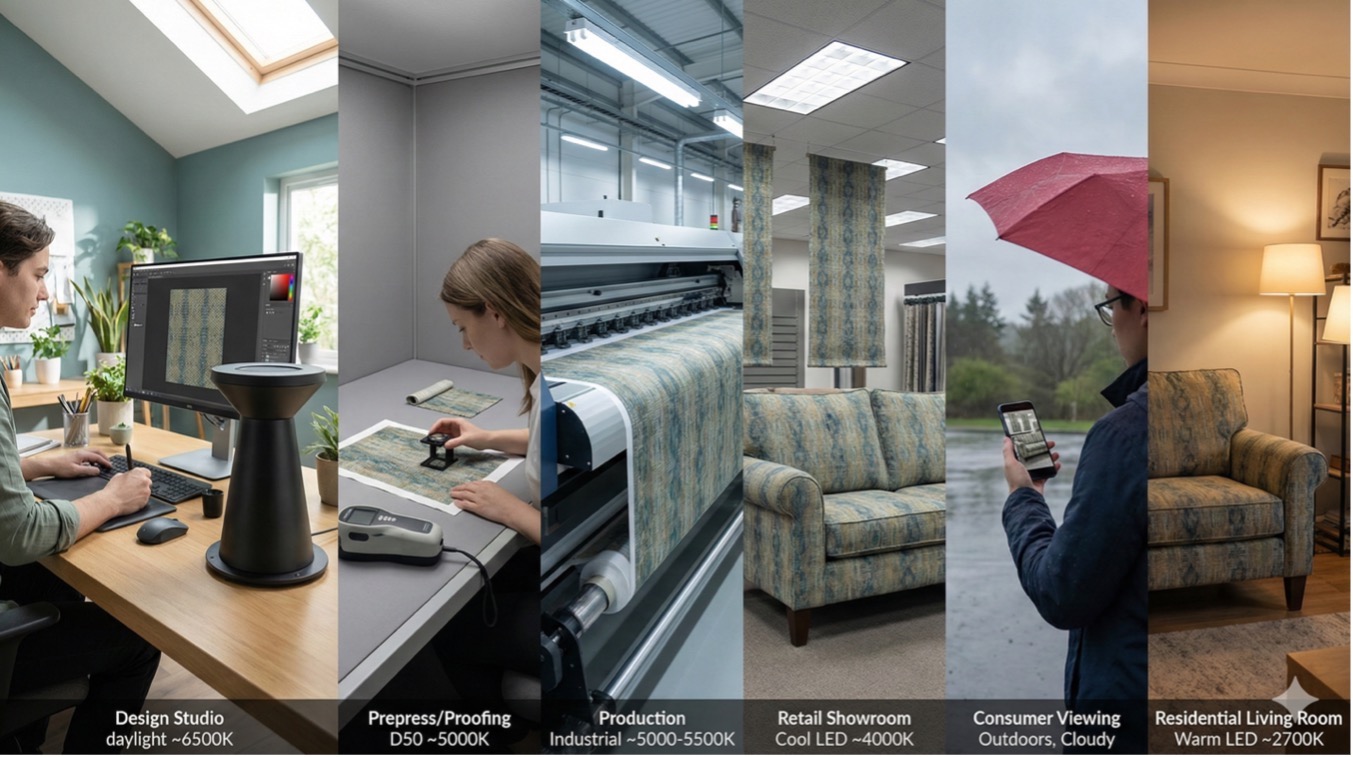
Upstream file problems, standards-based appearance governance, and what can go wrong between design and installation across materials, processes, sites, and seasons. Read More

We’ve been following the progress of wearables since beginning our formal coverage of textiles and apparel in 2018, and it is amazing the progress that is being made. This article highlights two examples that demonstrate that progress. Read More

Have you ever wondered if your interior is toxic? The industry is known for its use of toxic chemicals, unfortunately. Perhaps there's a way to create healthier homes while eliminating toxic chemicals from interior design. This article, provided compliments of Texintel CEO Debbie McKeegan tackles that possibility. Read More
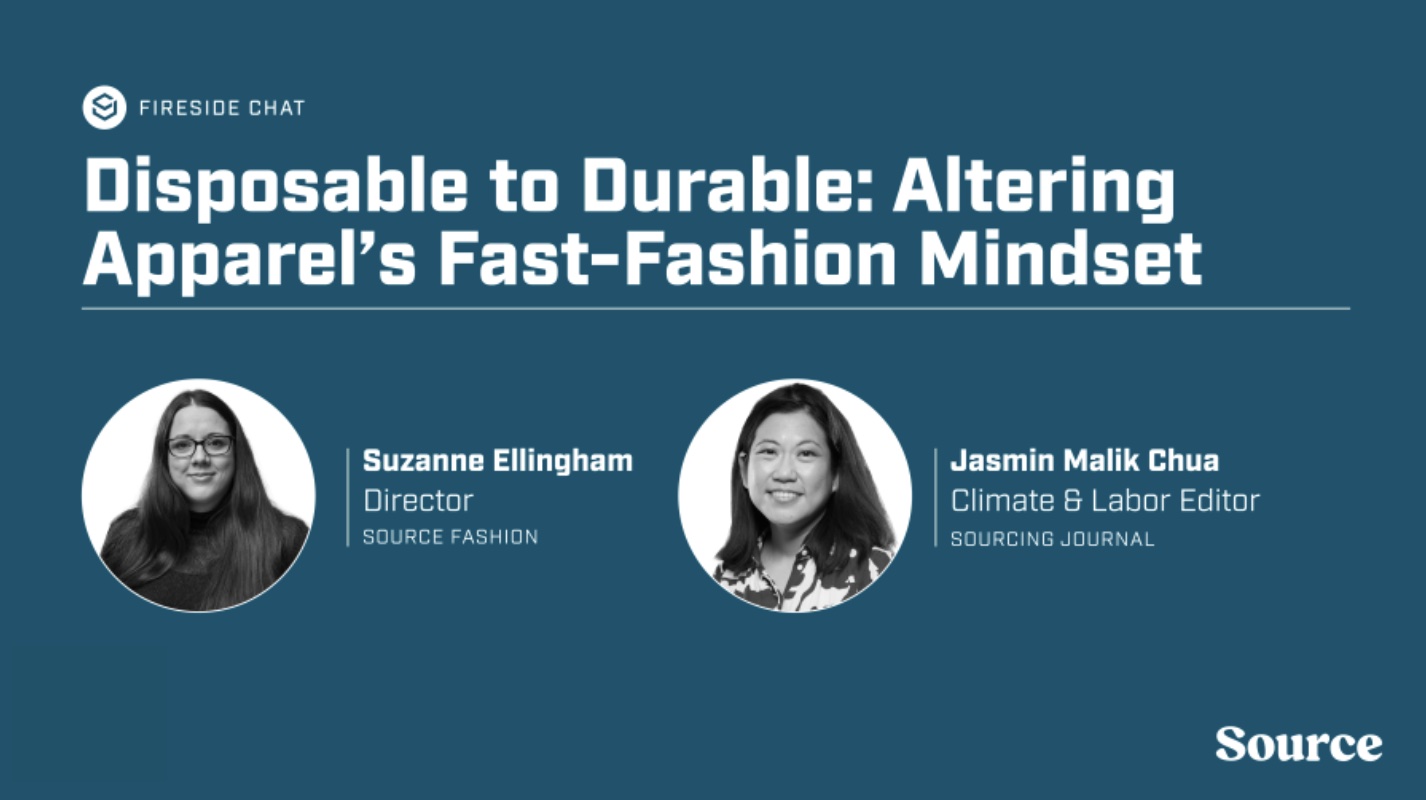
Can the fashion industry make the move from disposable to durable, reducing volumes but maintaining profitability? A recent Sourcing Journal fireside chat made the case that it is not only possible, but necessary. Read More
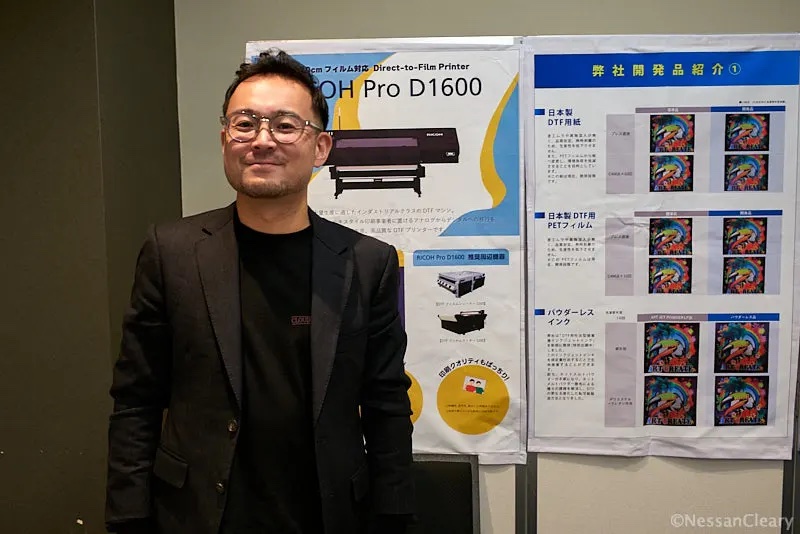
One of the issues holding back further development of direct-to-film (DtF) textile printing is that current solutions rely on applying a powder on top of the still wet ink. In this article from the Printing & Manufacturing Journal, Nessan Cleary explains how vendors are working on powderless solutions—with Matsui ahead of the pack at this stage. Read More
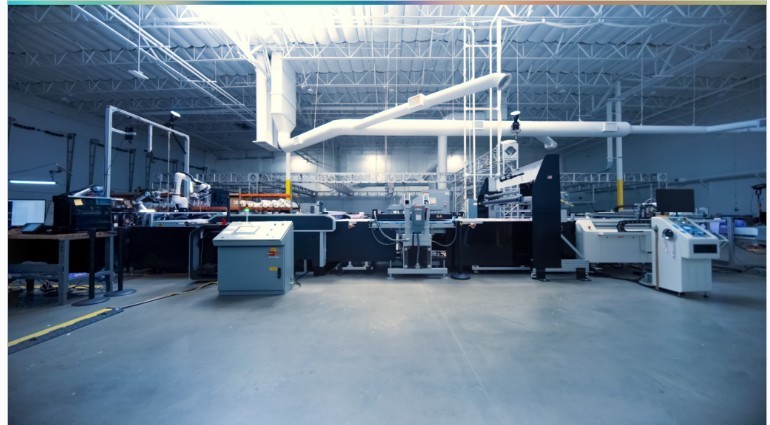
Efforts to return apparel manufacturing back to the U.S. at scale has been stymied by the lack of sewing talent at scale. CreateMe’s Founder and CEO Cam Myers explains how bonding technology—using adhesives—can replace thread for some garment applications. This could be a game-changer for reshoring. Read More
In a recent masterclass hosted by The Fashion Network, leading experts discussed the critical changes required in fashion-related supply chains, noting that in a post-pandemic world, it’s no longer a question of if your supply chain will face disruption, but when, Provided compliments of Debbie McKeegan, CEO of Texintel, the discussion provides actionable strategies to future proof operations. Read More
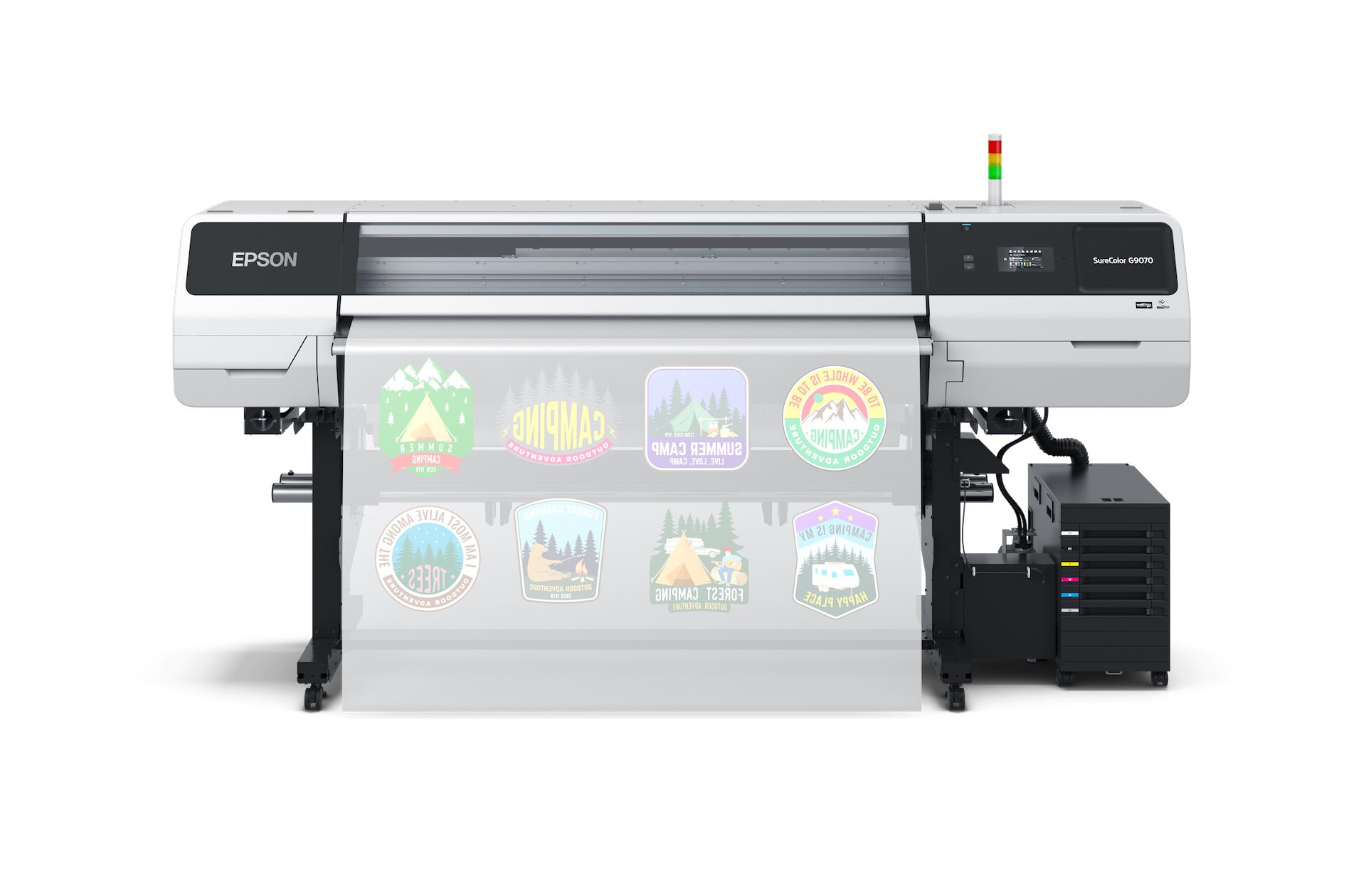
At the Impressions Expo in Long Beach CA, Epson announced an addition to its G-Series family of Direct-to-Film printers, the SureColor® G9070. WhatTheyThink spoke with product manager Paul Morales to get all the details. Read More
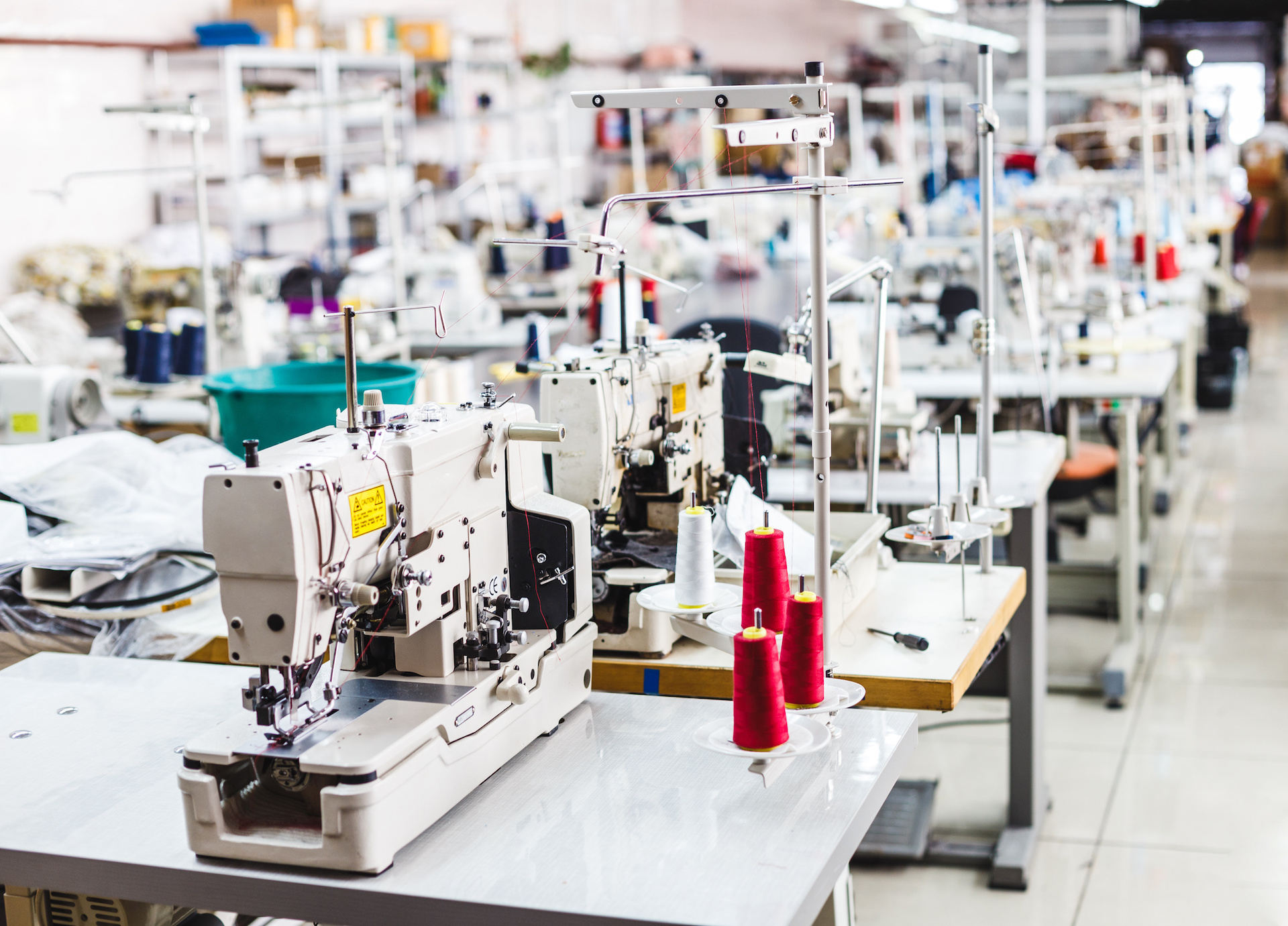
As the apparel manufacturing industry left the United States in the 70s and 80s in search of cheaper labor, it left the sewing talent we had in search of new careers, or moving on to retirement. Now we are trying to reclaim that talent pool in order to bring at least some of that manufacturing back here. Michael McDonald, President of SPESA, shares his thoughts on this challenge from the perspective of the suppliers to the industry. Read More
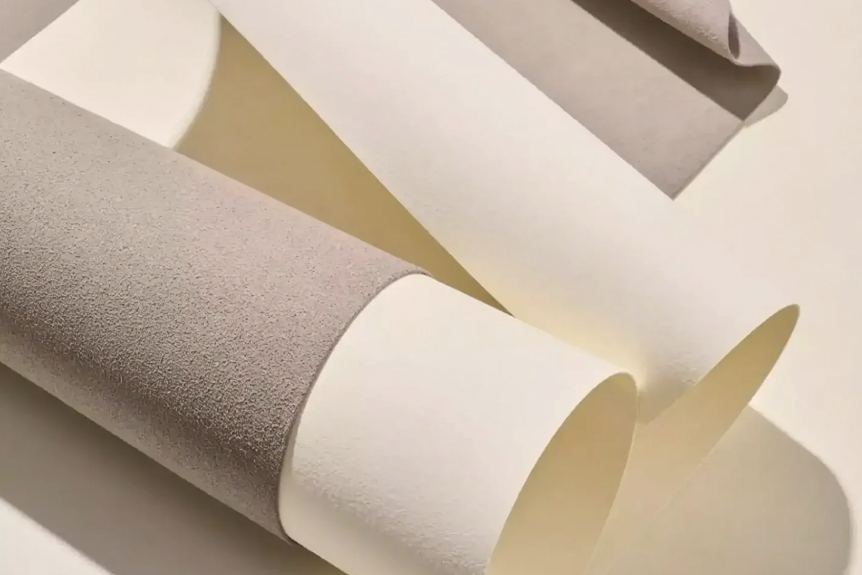
David Williamson of Modern Meadow provides insight on an important topic in this article, provided compliments of Debbie McKeegan, CEO of Texintel. While the textile and apparel industry has traditionally had a heavy reliance on traditional materials like polyester and cotton, these fibers come with a significant environmental cost. He discusses how bio-based fibers could mitigate these problems. Read More
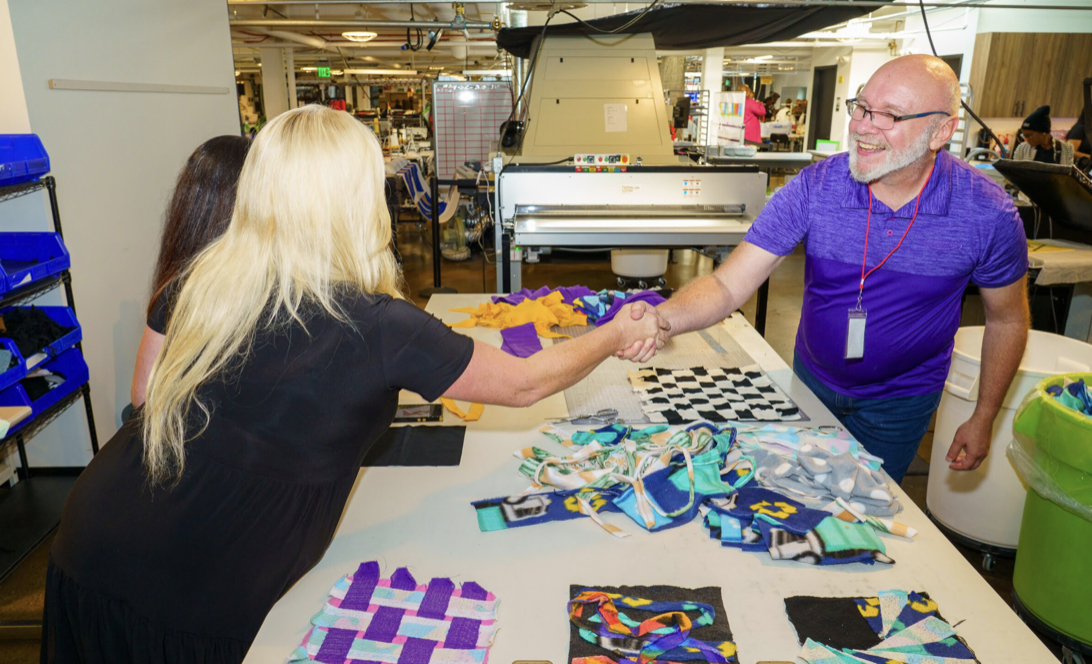
In what world does it make sense to send 30% of the products you produce directly to the landfill? I think most readers would agree that it doesn’t, but that’s exactly what’s happening in apparel—not only in the U.S., but around the globe. What’s the solution for the industry? Jennifer Guarino, President and CEO of the Industrial Sewing and Innovation Center (ISAIC), has some strong opinions! Read More

Brits snap up tickets to see the Bayeux Tapestry. The Pittsburgh Post-Gazette just got its existence renewed. What is the best clothing to wear to keep cool? Probably not leather made from Tyrannosaurus rex cells. Aw, shucks, we missed it: July 16 was “AI Appreciation Day.” A group of Italian students constructed the world’s largest paper airplane. The age-old problem of justifying calligraphic text, like Arabic. A laser-induced graphene sensor enables dopamine detection in tears. A hospital for…houseplants? The first robot to appear in a movie. An electronic nose that can detect food spoilage, food-borne pathogens, and allergens. Welcome to WhatTheyThink’s weekly miscellany. Read More