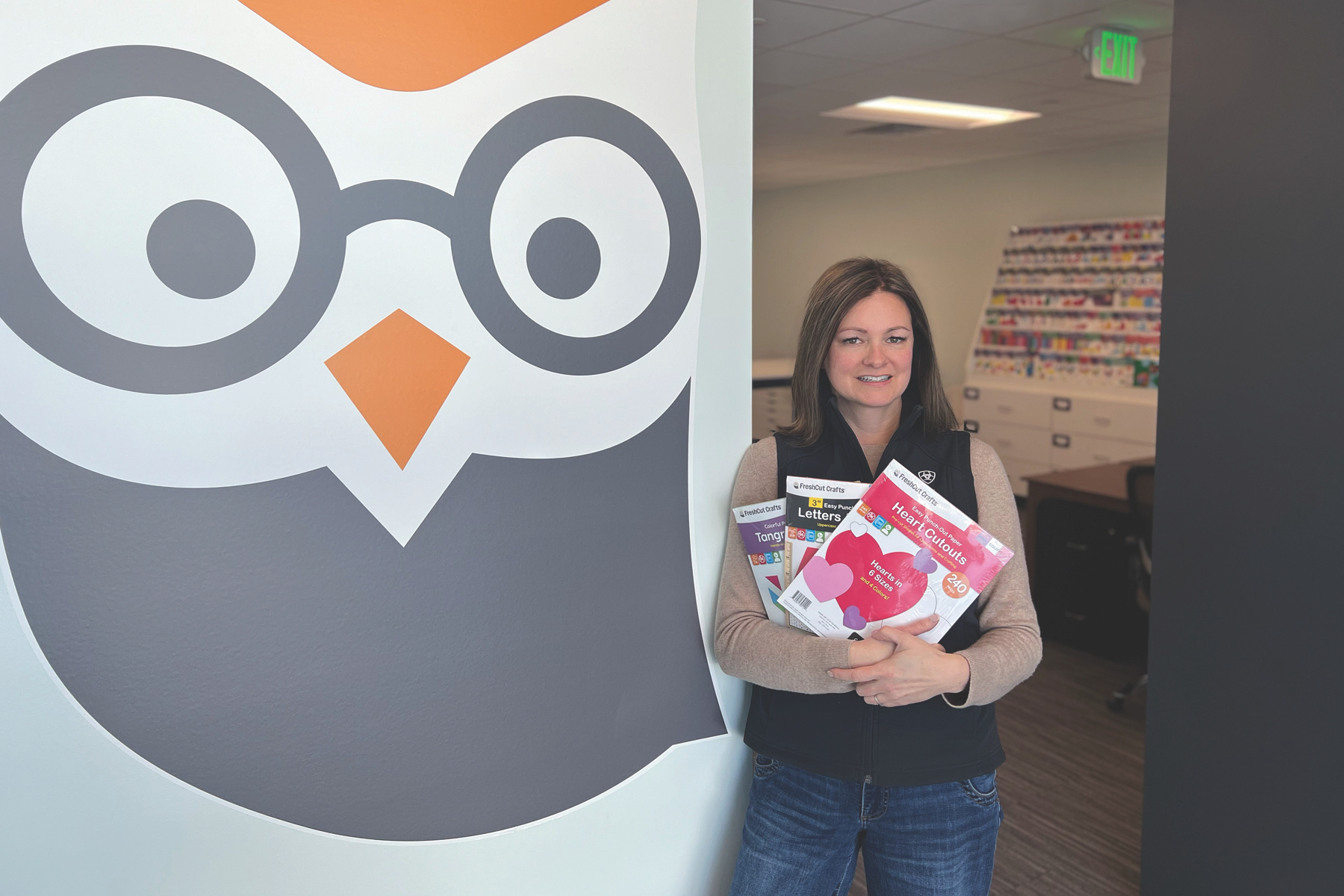
Trish Witkowski at her FreshCut Crafts facility in Sparks, Md.
Two years ago, I quietly posted my last video on the Foldfactory YouTube Channel. I didn’t know it would be my last until the following week when I couldn’t get myself to shoot another one. Gave myself a week and tried to rally again. Nothing. Tried the following week. Nope. I had officially hit peak burnout.
I didn’t get there overnight. It had been coming ever since I hit the 500th episode of Fold of the Week. Something about that number made me question everything. I kept the series going for a few more years to 661 episodes, because I had a loyal and enthusiastic audience, great sponsors, and I always felt good about the work I was putting out into the universe—but 15 years of a weekly video series is a long time. I was tired.
The interesting thing about creating your own content is that as long as your obligations have been met, you can…just…stop. I disappeared from the spotlight like Homer Simpson in that meme where he fades into the shrub. But what most people don’t know is that I also left because I had somewhere exciting to go.
The Beginning of an Idea
Sometimes business ideas happen by accident, and that was my situation. About 13 years ago, when our kids were in primary school, I would do little paper projects with them at home, usually cute pop-up cards and other creative things. They would then ask me to come into their classroom and do the projects with their friends. Fun!
I would agree to do it and then buy all the materials and prep the crafts. Cutting was the biggest issue to deal with, because a room full of young kids all at different levels of skill and needing to share scissors and cut accurately (while I tried to hold everyone’s attention) was impossible. Everything needed to be cut ahead of time. It took hours of work to prep a 10–15 minute craft for a group of kids. However, when I brought my pre-cut crafts to the classroom, everyone had a blast. The kids were begging for more, the teachers wanted to know where I got everything, and everyone was successful in completing their craft.
It was nice to be a superstar for my kids, but I found myself dreading their next ask. That’s when my print industry background kicked in. Could I send out for laser cutting? Do I get a CNC cutter to make the process quicker? How can I do this better and faster?
From Hobby to Business
Over time, what was more of a hobby turned into a sleepy little side hustle out of the house. I called it FreshCut Crafts, and our specialty was cutting shapes into a sheet of colorful card stock and leaving just enough paper attached so that the shapes stayed neatly in the sheet but were still very easy to punch out. Sounds simple, but it took a lot of experimentation to get it just right.
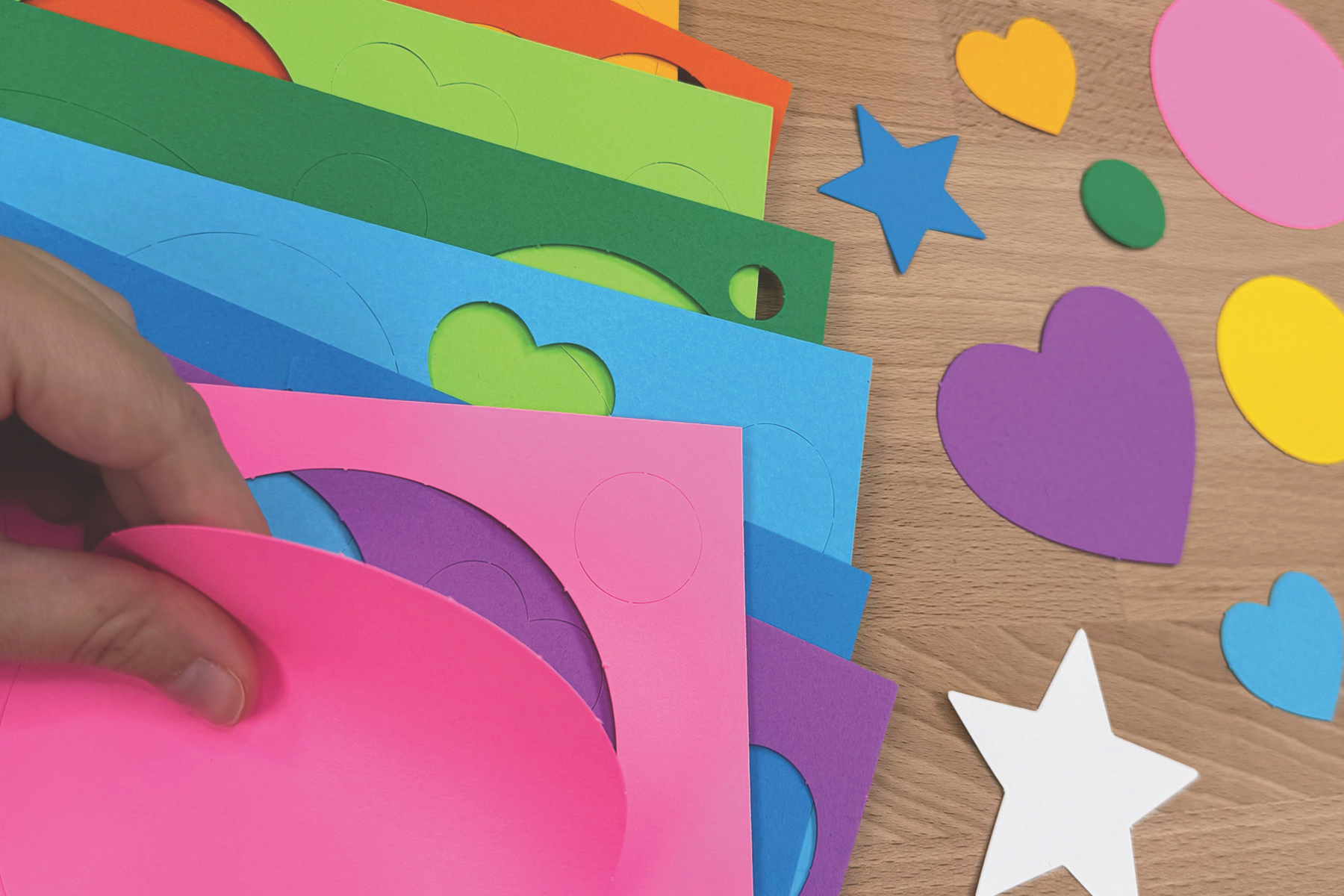
The pre-cut shapes are engineered to stay in the sheet, while remaining easy to punch out for all ages and abilities.
I won’t bore everyone with the details of my disastrous early product lines, the failed folded card ideas, the character kits that were too fussy and impossible to produce at scale, and the trial and error of developing affordable and standardized packaging. I failed at Facebook. I failed at selling to brick-and-mortar mom-and-pop shops. I failed and failed, but when people saw and interacted with the products, they loved them, so I slowly kept going.
In the early days of the business, I was obsessively trying to invent things—the cutest sloth craft, the coolest card project. I was stuck in the doom loop of trying to compete on subjective things, like color trends and cuteness. It wasn’t working for me, so I decided to do an experiment. What if I just made something practical that people are already buying? Could I compete with the big brands? Could unsexy products actually be the win? I decided on a set of punch out alphabet letters in bright colors and some basic learning shapes and put them on Amazon. After a couple of weeks, finally…sales! A few units a day, but it started a chain of continued sales every day, and the goal became not to break the chain.
Sales were a good thing, but that led to a new problem. It was too hard to make the products in any significant quantity. I tried outsourcing laser-cut versions of the shape sheets. They were nice, but expensive and impractical as a solution for a value-priced consumer craft product. I bought a tabletop drag knife cutter and cut one sheet at a time. I tried roller presses that were a complete disaster. Finally, I landed on rotary die-cutting, starting with a manual rotary cutter—it was slow, but it worked well.
I wanted to try die cutting much earlier in the process, but dies are a financial commitment, and my product line was not locked in yet. In fact, I had a graveyard of failed products, which shook my confidence. There was a critical time period where a lot of my products were unproven—so do I tough it out with digital cutting until the product is a solid seller, or do I believe in the product (and the data) enough to invest thousands up front in the flexible metal dies? It was a lot to think about. However, the strategic switch to making practical pre-cut shapes and letter products gave me the confidence boost I needed to convert production over to dies.
Kill It or Kill It
At this point in the story, nine years(!) had gone by, we were deep into the pandemic and our kids were stuck at home every day. With a full house, FreshCut Crafts became a nuisance, with paper reams stacked in the hallway and boxes of product and machines taking up space. It was great to have the room to run the business from the house while keeping the overhead super low, but the trade-off was living space. Cheap operating costs also allowed me to frequently take my foot off the gas without consequence—and that, my friends, is how nine years can slide by. For the first time, I felt real pressure to get this business solidly off the ground and out of the house.
We called a family meeting and told the kids that we were going to do something about FreshCut Crafts. We launched the “Kill it or kill it” initiative. I told everyone that I gave myself 12 months to increase sales enough to support moving the business out of the house (kill it!), and if I could not do that, I agreed to accept failure, get rid of the business and we’d take our house back (kill it). I’ll skip right to the good part: it ultimately took a focused 18 months of building a new product line of pre-cut letters and shapes for the classroom and aggressively scaling on Amazon by learning how to sell on the platform. I’m proud to say that FreshCut Crafts moved out of the house in 2023!
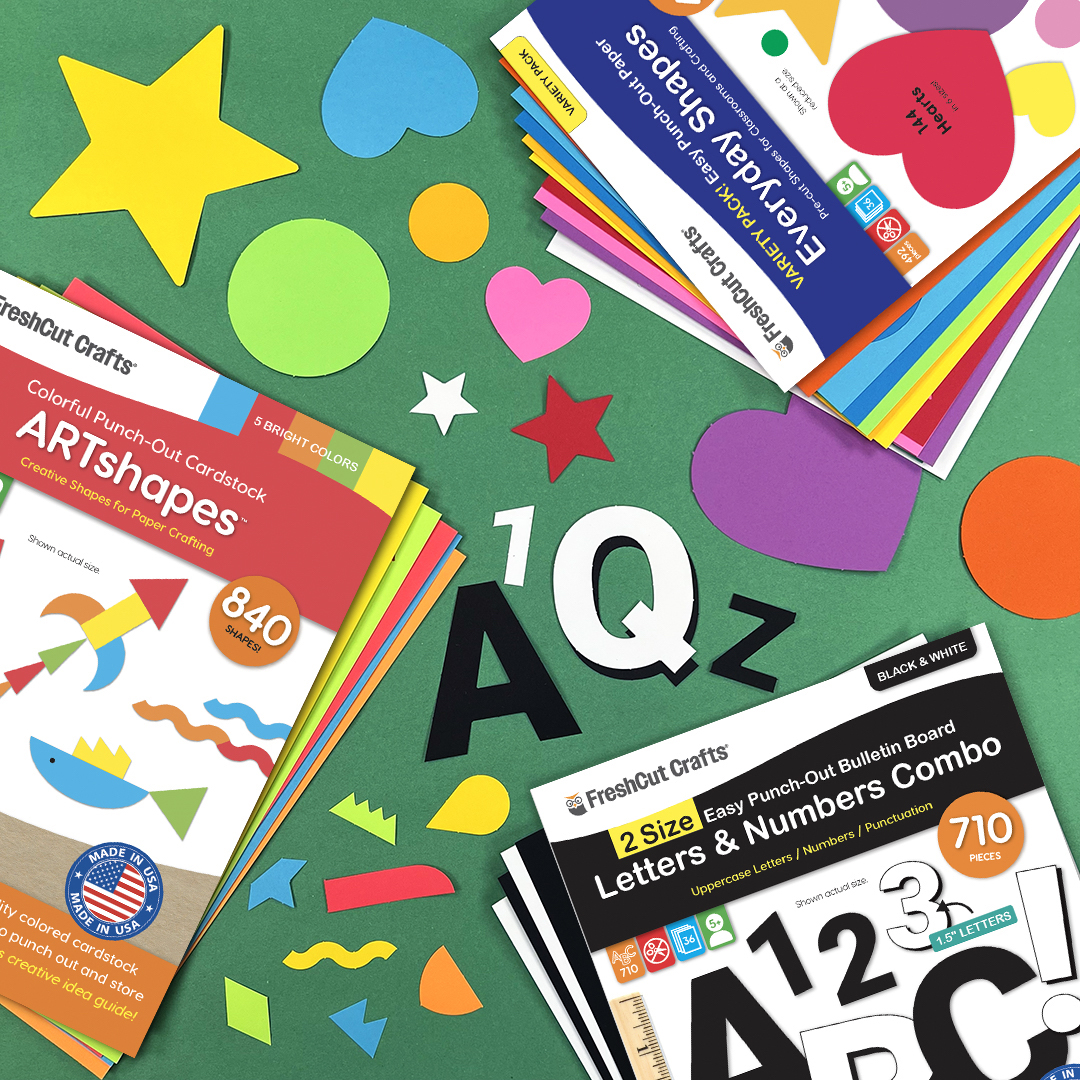
Popular designs from the FreshCut Crafts product line.
As the craft business was ramping up, I found myself excited and engaged in the new challenge, and working almost exclusively on designing products and growing the business, which left less time and energy for Fold of the Week. Looking back, the timing really was perfect. As I was beginning to consider ending my video series, my next career path became abundantly clear.
Getting Into a Groove
One of my favorite things about owning a small-but-growing manufacturing company has been the opportunity to be on the client side of the print industry. People who I’ve worked with or met at events, people who loyally watched my show, and who sponsored me over the years at Foldfactory have become valued suppliers that I work with for paper and equipment and materials.
I also get to use my marketing and design expertise every day, and I put a lot of the advice I’ve given everyone else directly into practice on my own business.
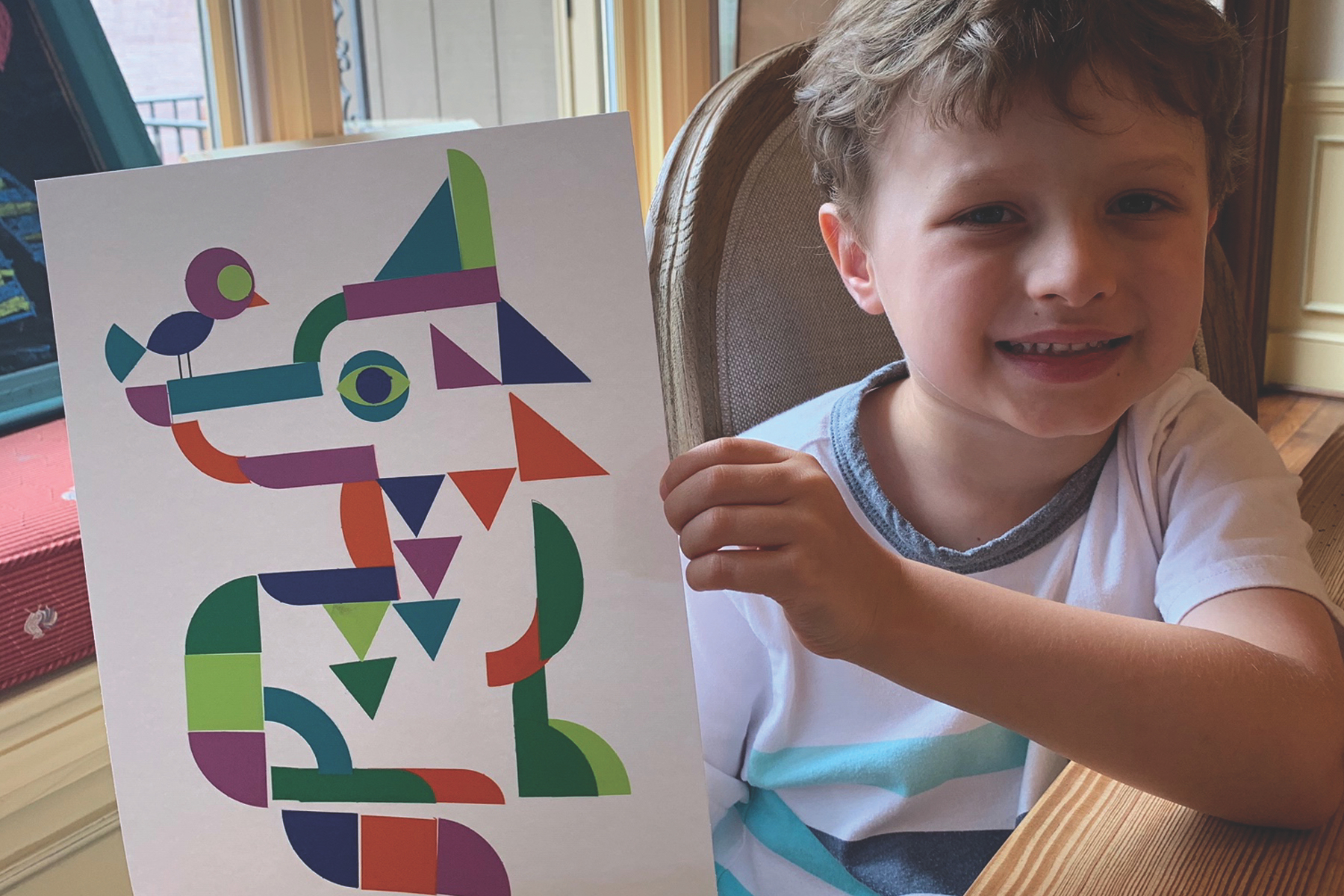
Kids enjoy working independently with the shapes. This child followed a design using the ARTshapes product from FreshCut Crafts.
One of the most rewarding things has been raising the kids in the company. They inspired it, lived among it, worked the booth at small trade shows, packed product by hand, and enjoyed the satisfaction of watching every last box, material, and machine leave the house for good. Where the business once was is now a fun game and media room that we all can enjoy.
Our kids are now in their late teens and work for FreshCut Crafts when their schedules allow. They help with photo and video content for product listings and social media, execute back-end product and competitive research, ship direct orders, and help with product development. They get full access to the inner workings of the business. More importantly, they both understand what it really takes to turn an idea into a product and evolve it into something that actually sells and grows into a sustainable business. We believe the early exposure to the business had led them both to pursue business degrees in college.
Along the way, I’ve learned that it doesn’t matter what I want to sell, what matters is what people want to buy. So, make what sells and what you feel good about making every day—and that’s what we do at FreshCut Crafts. Our commitment to US materials, labor and manufacturing sets us apart, along with a proprietary equipment setup, beautiful colors and designs, and a highly standardized product format. It’s fun to come to work every day. It’s amazing, and it’s misery, and it’s stressful, and it’s exciting. The ground shifts under your feet, you make mistakes, you have big wins, then the rules change, and you just keep going.
Finding Joy in the Flexibility
Although I’ve been less visible these days, I haven’t left the print industry at all—I’m still actively involved in direct mail research and have been using that work to develop a five-part direct mail webinar series for Sappi. Also, Foldfactory.com and all the content at the Foldfactory YouTube channel is still free and accessible, and my Designer Folds collection is doing very well at Smartpress. I’ll also be speaking at FSEAPrint Embellishment Conference in June. I’m just super choosy these days with my projects and enjoying the new challenges and the flexibility of this stage in my life and career.
If you’d like to learn more about FreshCut Crafts, visit freshcutcrafts.com. You can search us on Amazon and other e-commerce platforms, too.
Many of the shapes are sold to educators for bulletin boards, classroom and seasonal décor. This bulletin board design uses three-inch letters, Music Note Cutouts and Handprint Cutouts from FreshCut Crafts.