Premium Commentary & Analysis
New research from Smithers Pira highlights the future growth potential and technical challenges for printing food packaging, and how these will be realized against a backdrop of tighter focus on safety and environmental performance.
Tuesday, August 14, 2018
Continue reading your article
with a WhatTheyThink membership.
Less than $4/week.
Get unlimited access to in-depth commentary and analysis covering the latest trends, emerging technologies, operational strategies, and key events across every segment of today's printing industry.
Stay informed. Stay competitive. Stay ahead.
10 Things PSPs Should Consider Before Adopting Robotics: What You Need to Know to Begin the Journey
Why Highly Targeted Communications Make Digital Print Essential to Modern Marketing
Wide Format in 2026: How Technology Is Reshaping Competitive Advantage
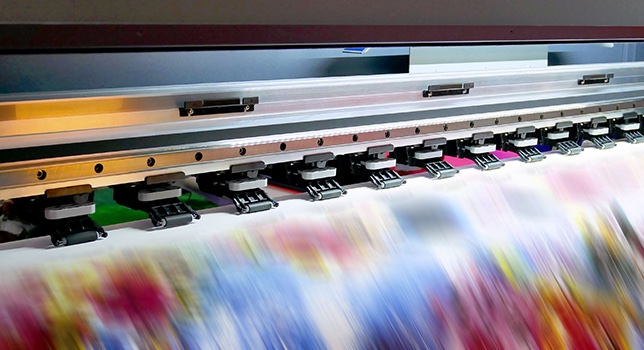
The inkjet printing industry is in one of its most consequential periods of transformation, with the graphic and packaging market now valued at over $101 billion and output growing at nearly 9.4% CAGR. To make sense of what is driving that growth and where the market is heading, Smithers analyst Jon Harper Smith identifies the forces reshaping the competitive landscape. Read More
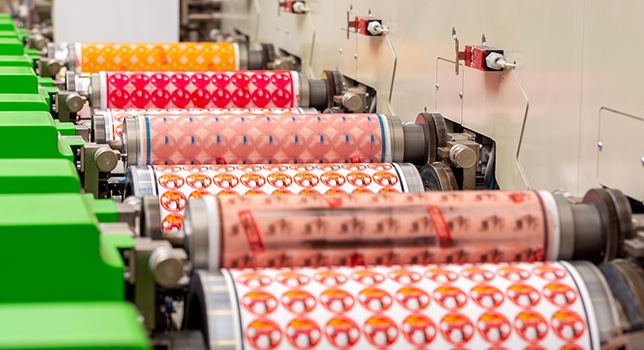
Two printing giants, one shifting landscape. Sean Smyth, consultant and analyst at Smithers, breaks down the technology trends, growth markets, and competitive pressures reshaping the industry to 2030. Read More
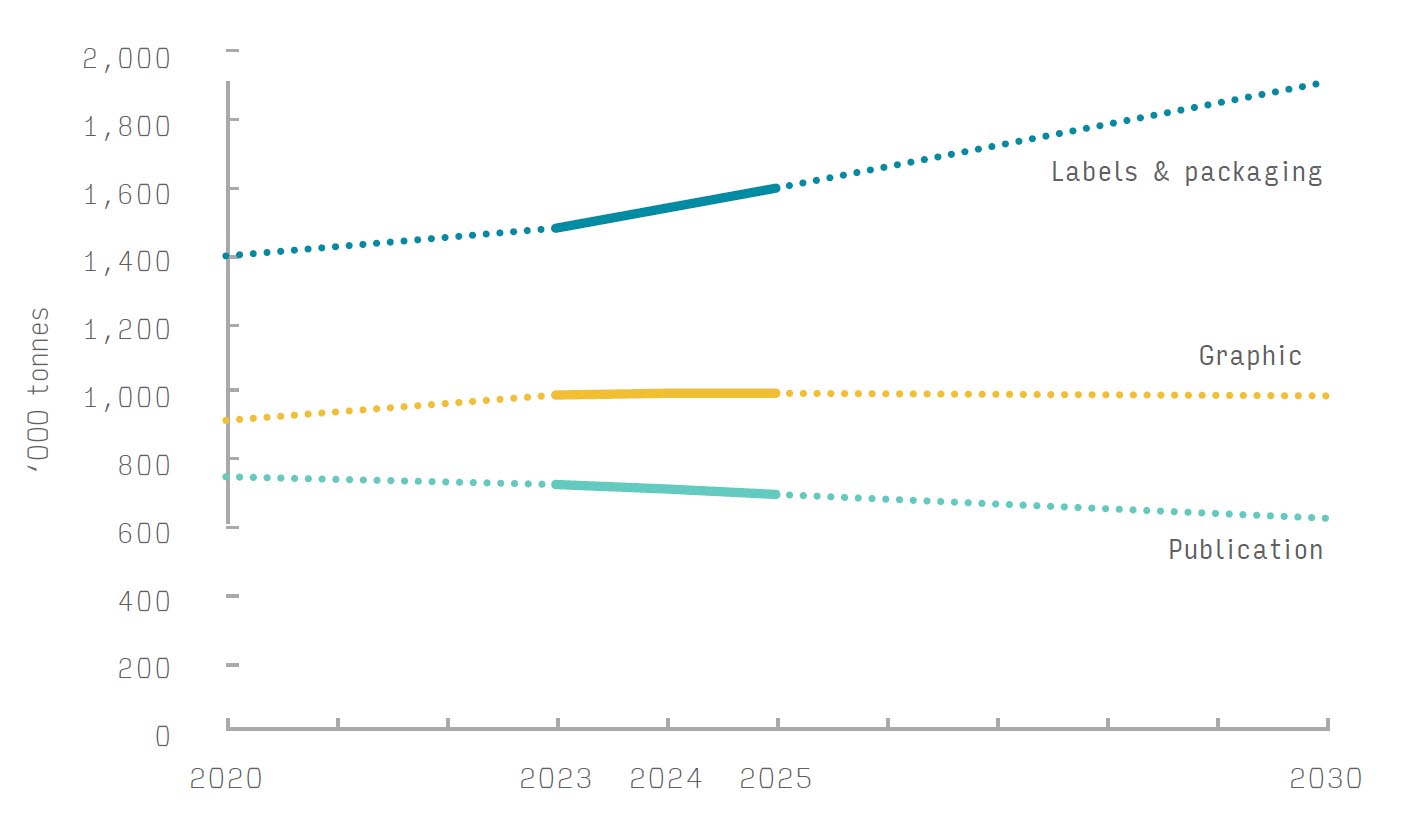
Demand for inks used in commercial graphics, publication, packaging, and label printing will reach 3.3 million metric tons in 2025, with a value of $35.8 billion according to the new Smithers market report, “The Future of Global Ink Markets to 2030.” Read More
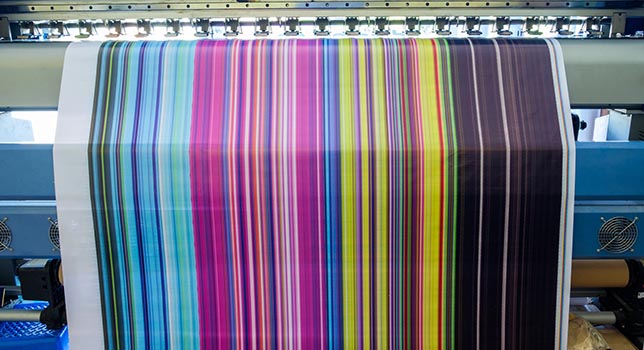
Mainstream applications for screen printing have a weak outlook, but the technology will continue to be profitable for functional and industrial applications, such as electronics, promotional items, and apparel, according to new forecasting from Smithers. Read More
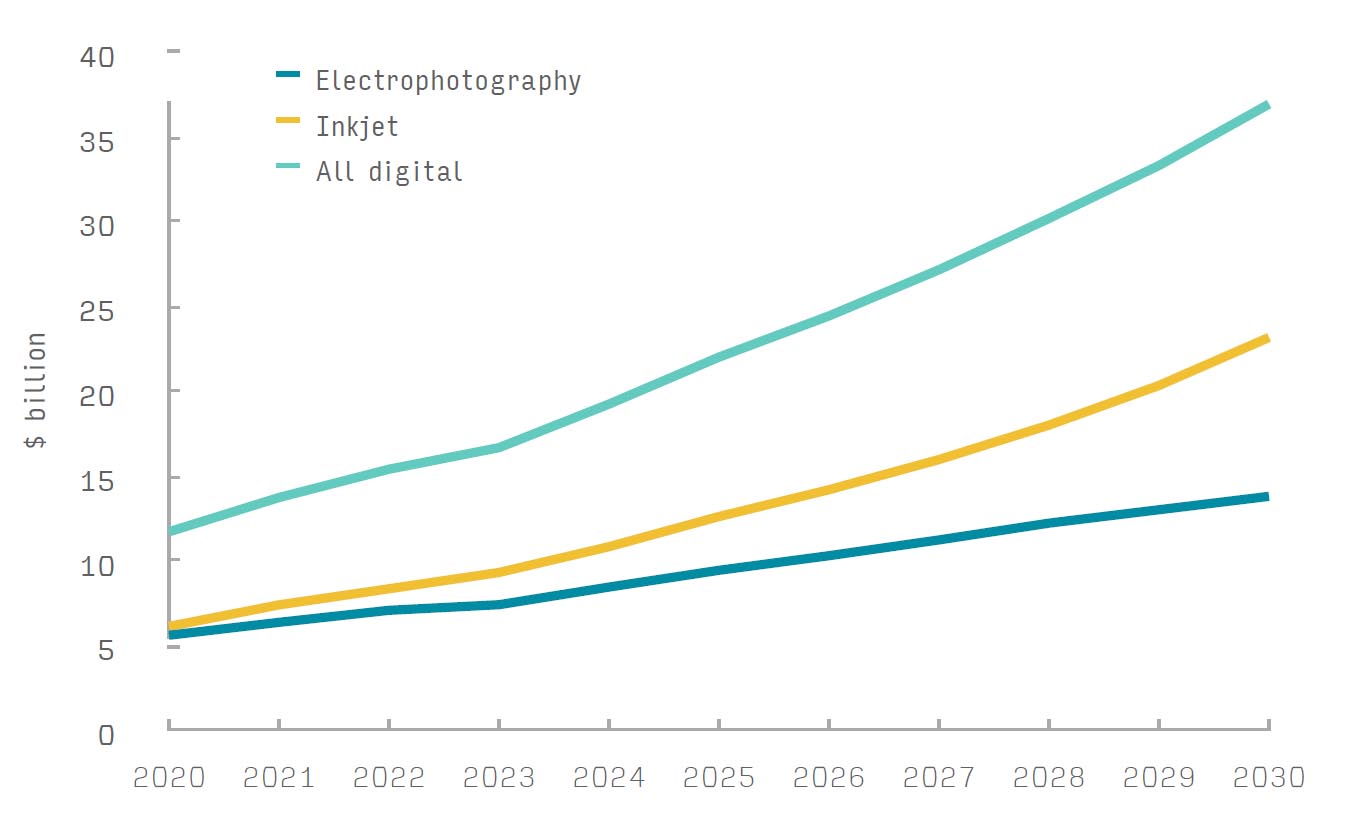
The latest study from Smithers—“The Future of Digital Print for Packaging to 2030”—shows that there is room for digital production processes to expand into printing corrugated, folding carton, flexible, and rigid plastic packaging, offering greater customization, faster turnaround, and less waste, and with a print quality that increasingly matches those of established analog systems. Read More