Paper Late
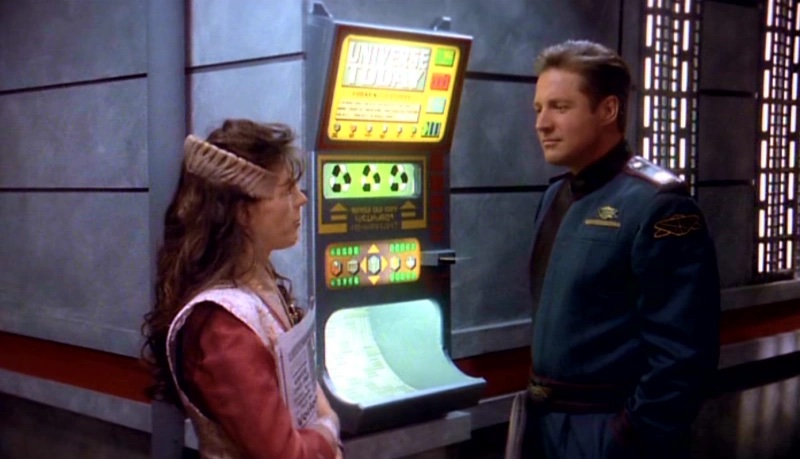
In an episode of the great 1990s science-fiction series Babylon 5, set on a space station in the mid-2200s, two main characters access a kiosk that dispenses print editions of the daily newspaper Universe Today. They specify via voice command the sections and topics they’re interested in, and the kiosk generates a custom-printed newspaper on-the-fly. The device also recycles previous editions. The episode (“Divided Loyalties,” which originally aired on October 11, 1995) was made before digital printing—let alone production inkjet—had hit the industry, but a highly versioned and customized newspaper is perfectly enabled by production inkjet technology. It’s nice to know that at least one version of the future still features print.
We mention this because Glasgow-based Newspaper Club is an on-demand newspaper printer that lets users customize and print their own papers. Now, via Print magazine, Newspaper Club has partnered with type foundry abcD8 to create a custom typeface called NC HEADLINE, a type family inspired by the visual history of newspapers.
The project began where all good type stories should: in the archives. The teams dug through historic newspaper references and materials from London’s St Bride Foundation, home to one of the world’s most significant collections dedicated to printing and typographic history. Rather than simply recreating the past, they used it as a starting point.
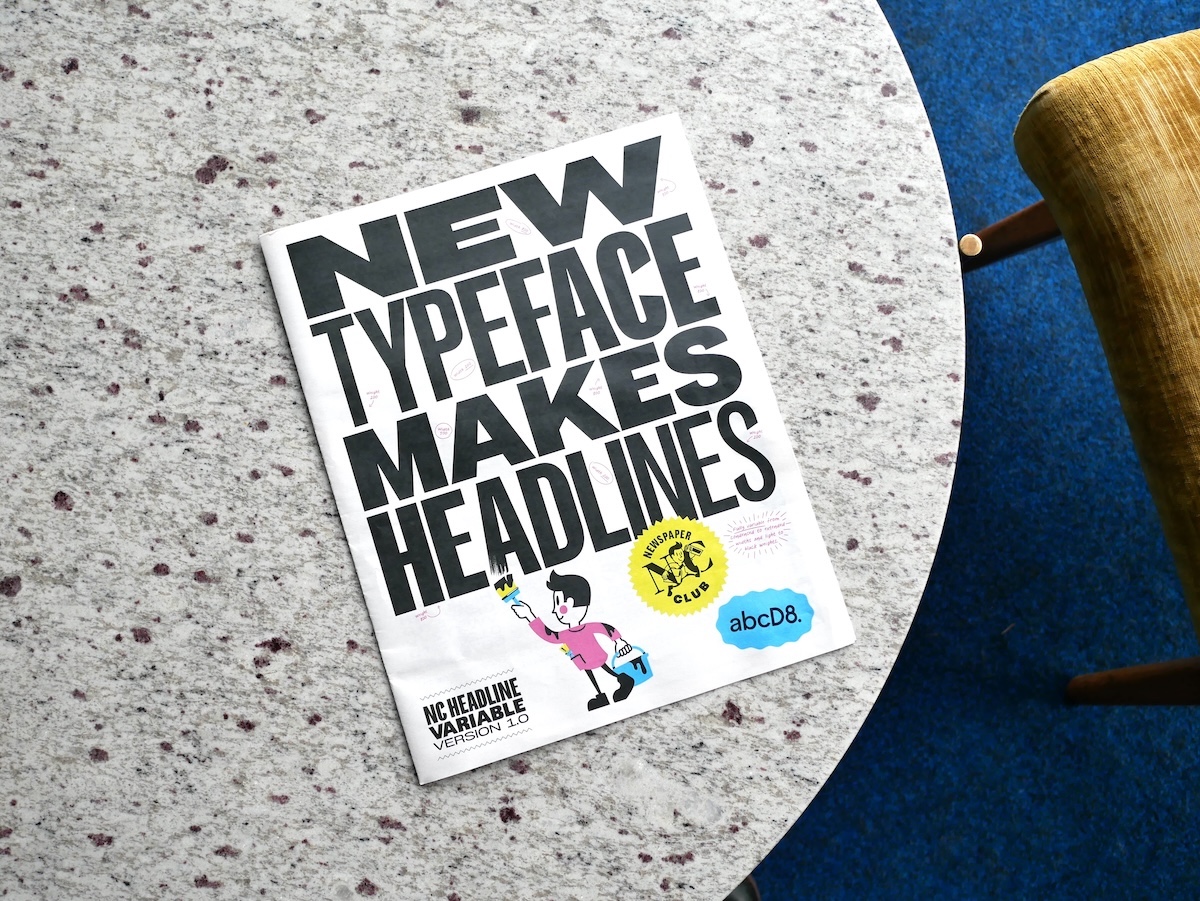
What makes the project particularly fitting is that Newspaper Club isn’t just another print company trying to look vintage. Since launching in 2009, the company has printed more than 40 million newspapers for everyone from independent publishers and students to brands like Adobe, Spotify, and Pentagram. Newspapers are their medium, so creating a typeface rooted in newspaper culture feels less like branding and more like a homecoming.
MAD Men
Those of us of a certain age grew up with MAD magazine, and we were quite surprised to realize that it is still being published. Indeed, they recently published their 600th issue. Says Boing Boing:
It's quite a milestone for a publication that started in 1952 as a comic book, and as a way for Harvey Kurtzman to write humor for EC Comics, instead of the research-heavy, time-consuming war comics he'd been writing. It became one of the most influential forces in American humor of the 20th century.
The milestone issue had a cover drawn by longtime MAD artist Sergio Aragonés, who first started with MAD in 1963. (He is best known for the recurring “Spy vs. Spy” feature.)
Ye Olde English
Some people subscribe to a “word of the day” service that emails a new English word every day, the goal being to increase one’s vocabulary. However, we find that a more interesting option is “Wordhord: Old English Word of the Day.” Old English was of course the predominant form of English spoken and written from the 5th century to about the 12th century.

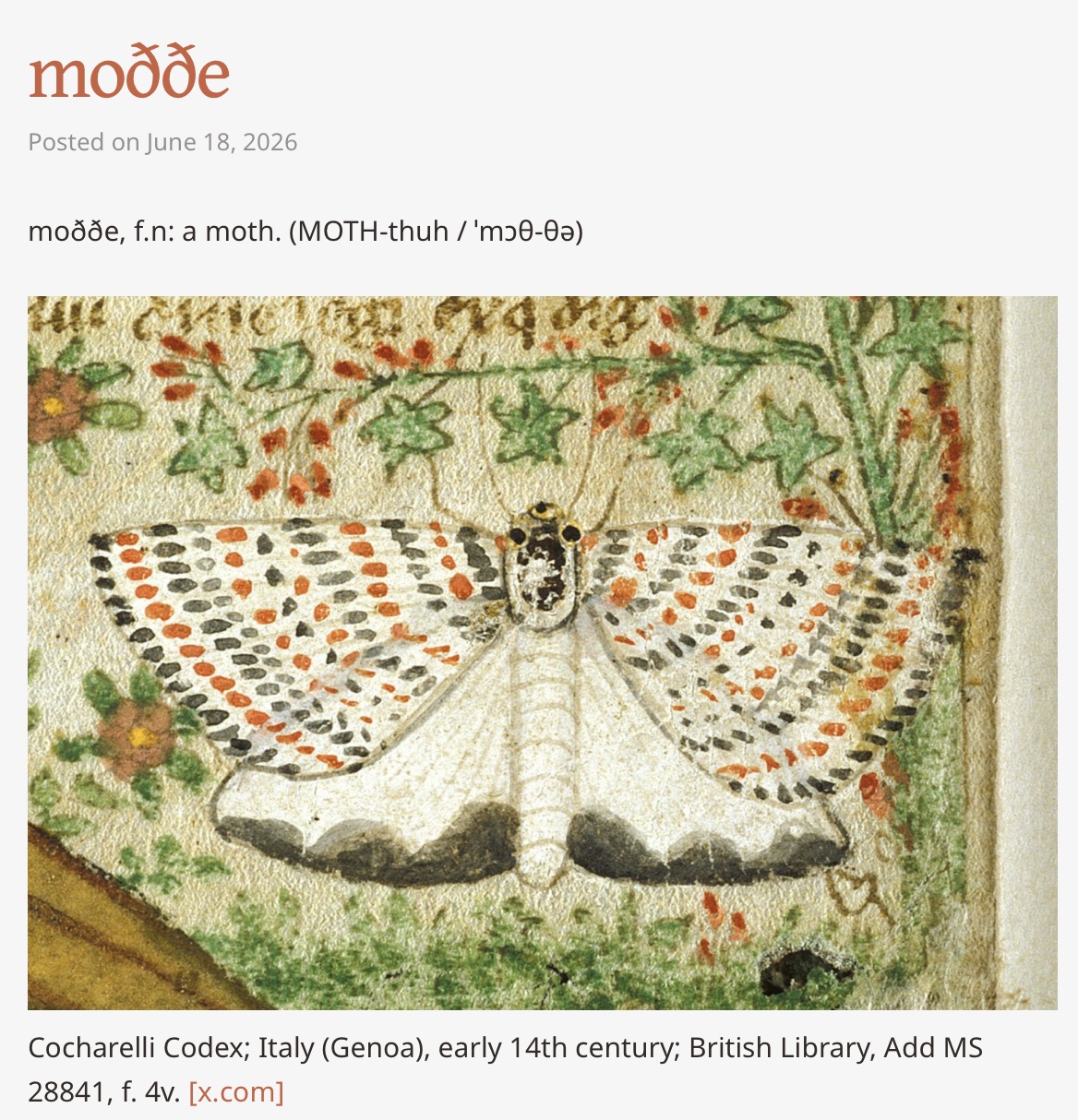
See how many you can work into daily conversation!
Venus on the Halfshell
Does the name “Simonetta Vespucci” ring a bell? If you are at all familiar with Sandro Botticelli’s ~1485 painting “The Birth of Venus,” she was the model for Venus.
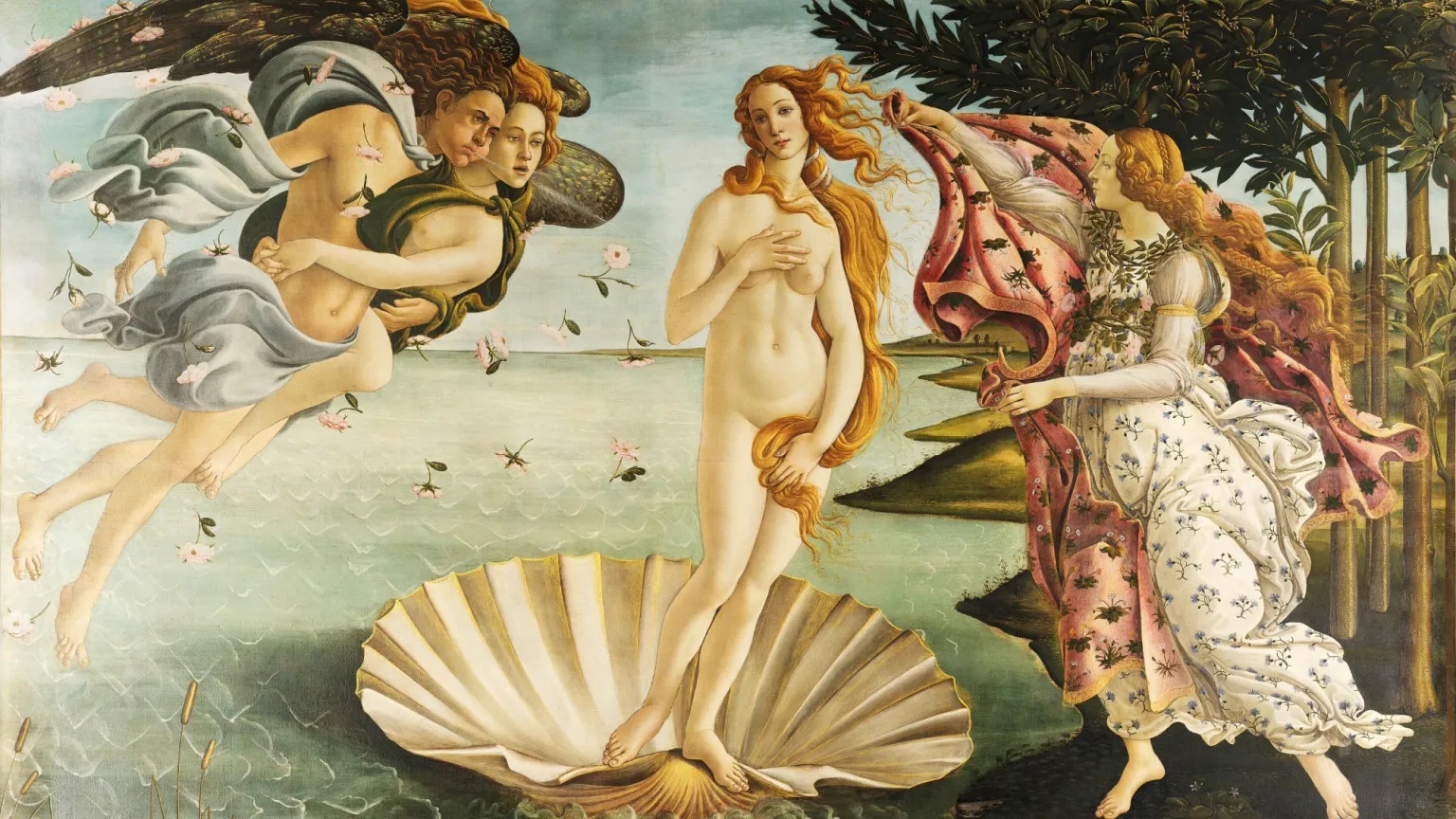
Born Simonetta Cattaneo in Genoa, Italy, in 1453, she was well-known in Florentine high society for her intellect and was in good with the Medicis, the rulers of Florence at the time. In 1469, she married Marco Vespucci, a Florentine banker. Botticelli would paint her five times, including “Venus.” Alas, she died abruptly at the age of 23, and for centuries the cause of her death was a mystery, although a prime candidate was tuberculosis. Now, via Popular Science, new research published in the journal Endocrinology, Diabetes & Metabolism may have uncovered the cause: a tumor on her pituitary gland.
In 2019, researchers suggested that Simonetta suffered from a pituitary adenoma, a benign tumor on her pituitary gland.
Over the past seven years, the same team has researched more documents into her premature death, particularly the record of symptoms during her final days. Her symptoms and physical features suggest the pituitary tumour caused her death. They believe that she died when an expansion of the tumor caused a blockage in blood flow or bleeding in the pituitary gland (called a tumor apoplexy).
…“Letters between Piero Vespucci and Lorenzo de’Medici about Simonetta’s final days discuss how she collapsed during a ball and was then resting in a darkened room where she suffered from terrible headaches, hallucinations, vomiting and high fever,” Dr. Domiziana Nardelli, a study author and resident ear, nose, and throat physician at Universita Campus Bio-Medico di Roma, said in a statement. “These are all symptoms of a rapidly expanding pituitary tumour.”
They also notice the irregular eye positions seen in the “Birth of Venus,” identifying it as a strabismus or misaligned eyes. “While this is considered a trait of piety and beauty in art, it may have been caused by Simonetta’s pituitary tumor.”
Kind of makes you look at the classic Monty Python animation in a new light.
Zooooommmmmm!!!!
During the COVID lockdown year, when life seemingly migrated entirely to Zoom (our next-door neighbor even had a Zoom seder for Passover 2020), we’ve been to meetings where attendees logged in from all sorts of bizarre locations. But, via Futurism, here’s one we had not seen: someone Zooming in while on a roller coaster.
In a roughly minute-long clip uploaded to YouTube, a municipal office worker in South Korea named Nam Young-sik is shown blasting off on a roller coaster with a MacBook in his lap and a cardboard green screen behind him projecting a tidy home office.
His coworkers try to keep a straight face as the rider flails madly, his green screen struggling not to betray his location through high-speed twists and bends that buffet his hair and constantly change his lighting.
Alas, it was all a stunt.
Near the end of the clip, the video cuts to a brief promo for a new whale-themed roller coaster, revealing the whole thing was a stunt. Still, the setup is genuine: there’s really no way to spoof the fact that Nam really was recording his portion from a roller coaster.
Doh!
According to the South Korean publication Yonhap News TV, the now-viral video was part of a viral marketing campaign produced by the Ulsan Nam-gu Gorae Broadcasting Station, a municipal agency promoting local tourist attractions.
Graphene Puts Out Fires
Was it a good week for graphene news? It’s always a good week for graphene news! Graphene-enabled PFAS-free firefighting foam. From (who else?) Graphene-News:
Vorbeck Materials has secured a $6.6 million contract from the U.S. Defense Logistics Agency (DLA) to support the development and deployment of its PFAS-free, graphene-enabled firefighting foam technology. The agreement is expected to strengthen the company’s operations in North Dakota while advancing environmentally safer alternatives to conventional firefighting agents that contain harmful “forever chemicals.”
Water, Water Everywhere
If you’ve ever hung out on the planet Arrakis, you know that a stillsuit is required attire, as it preserves bodily moisture on what is an arid, desert planet. (If you’ve never read Dune, consider yourself lucky.)
Now, scientists have developed something very similar: a jacket that can harvest moisture from the atmosphere. Says TechSpot:
The work, published in Science Advances, addresses one of the biggest limitations of earlier systems: most are boxes, panels, sorbent beds, or other stationary devices, not something you can wear while hiking through the desert and pretending to be Paul Atreides.
Yes, that’s a Dune reference; he was played by Kyle MacLachlan in the not very good 1984 David Lynch adaptation.
The jacket's fabric collects moisture and funnels it into detachable harvesting units. These are then placed in a foldable collector and heated to release and condense the water.
The wearable was found to generate 400–900 mL (14 to 30 oz.) of drinkable water a day, depending on humidity.
That isn't enough to replace a canteen, and unlike Dune's stillsuits, it isn't recycling sweat and urine from your body, thankfully. But it could provide a useful backup for hikers, campers, agricultural workers, emergency responders, soldiers, or anyone operating somewhere with poor access to drinking water.
Dot Matrix
Do you suffer from motion sickness? Specifically, motion-induced nausea caused by spending any amount of time on an iPhone whilst in the car (hopefully not while driving)? As it turns out, the iPhone’s Vehicle Motion Cues are surprisingly effective at reducing motion sickness. Says The Verge:
According to big-S Science, this type of vehicle motion sickness is caused by the eyes staring at a static display while the inner ear feels the car turning, braking, and accelerating. Motion Cues solve this by placing dots around the periphery of the display that move in harmony with the motion of the car. When the car turns right, the dots sweep across the screen to the left; when the car brakes the dots slide forward.
And the author of the article can personally attest that they work.
Vehicle Motion Cues can be configured under accessibility settings in iOS, iPadOS, and macOS. They can be turned on, off, or set to appear automatically when vehicle motion is detected. I prefer to toggle the dots to avoid seeing them when I’m driving the car.
Uhhh….you might want to be looking at the road, not a damn phone.
The black dots are fairly unobtrusive, but they can interfere with maps, text, and imagery on long straight stretches of road that cause the dots to sit motionless (Apple should dim all the dots in those situations). You can also configure the dot size, color, and density if you want, but I found the defaults to work just fine.
So if you find that you have to work in a car, give the dots a try.
A Bicycle Built for One-and-a-Half
Are you in the market for an e-bike? Do you have kids? Are you big on reckless endangerment? If yes to all three, Danish company MATE’s new Go Plus e-bike may be just what you need, as it has been designed specifically to carry children. Says Core77:
The lowered frame and extended wheelbase drop the bike's center of gravity, providing stable handling that the company reckons is safer than typical kid-hauling bike set-ups.

The bike features a 250W motor driving the rear wheel. It can hit a top speed of 25km/h (15.5 mph), and offers a range around 80km (50 miles).
A steal at around €1,800 (USD $2,083), although it is only available in Scandinavia, Europe, Japan, and Australia.
Tattoo You
Engadget raises an interesting question: “Do fitness trackers still work if you have tattoos?” Granted, we are not inked (we’ll only get a tattoo if it could be of Tattoo), but apparently tats can affect the performance of fitness trackers.
One of the main issues people experience is with heart rate sensing. Wearables use a light-based technique called photoplethysmography (PPG) to measure heart rate. That's the green light you see when you flip your device over. But, tattoos can get in the way of that light, messing with the readings. The other problem is wrist detection, which also uses lights to determine if the tracker is on a person's wrist (along with an accelerometer and electrical sensors). Slap a fitness tracker on a wrist that's covered by a tattoo, and the device may not register that it's being worn at all, consequently requiring the wearer to repeatedly unlock the device whenever they want to interact with it.
There are workarounds, imperfect as they may be.
"Tattoos (ink, pattern, saturation) can block the heart rate sensor's light, causing inaccurate or missing readings," Garmin notes on a support page. "For best performance, wear the watch on skin that is free of tattoos if possible." Apple has issued similar notices going back to the release of the first Apple Watch.
Unfortunately, there are not many body parts on which one can wear a watch.
As a quick fix, some people swear by epoxy bottle cap stickers or layering pieces of clear tape, either of which are placed over the sensors and inexplicably correct the problem for a lot of wearers. Reusable accessories designed to work the same way have seen some success too. There's also the option of using a chest strap if accurate heart rate tracking is all you're after — and if you don't have chest tattoos. Again, though, this isn't the most comfortable or convenient way to use a wearable in most situations day-to-day.
If you want a heart rate monitor, we do recommend those made by MyZone, which don’t use light, although in dry weather there can be skin conductivity issues.
Do Not Open Until Doomsday
It’s hard not to get the sense some days that doomsday is nearly upon us. But one Australian non-profit, Rouser Lab, has plans to document the end of the world, or at least humanity’s spiral into environmental destruction. Says Gizmodo:
The 52-foot-long (16-meter-long), 13-foot-high (4-meter-high) monolith will be made of reinforced steel and concrete, “designed to withstand every possible threat including cyclone, earthquake, fire, flood or attack,” Rouser Lab’s website states.
The roof will be outfitted with 36 solar panels protected by layers of toughened glass. These will supply power to internal drives storing hoards of “data sets, measurements, and interactions relating to the health of our planet,” according to a separate site dedicated to the project. That data will come from space agencies, weather agencies, and universities, funneling continuously into the box via the internet to form “Earth’s Vital Index.”
The project is on track and Rouser Lab plans to install it in a remote part of Tasmania in December.
“The purpose of the device is to provide an unbiased account of the events that lead to the demise of the planet, hold accountability for future generations, and inspire urgent action,” the Earth’s Black Box website states. “How the story ends is completely up to us.”
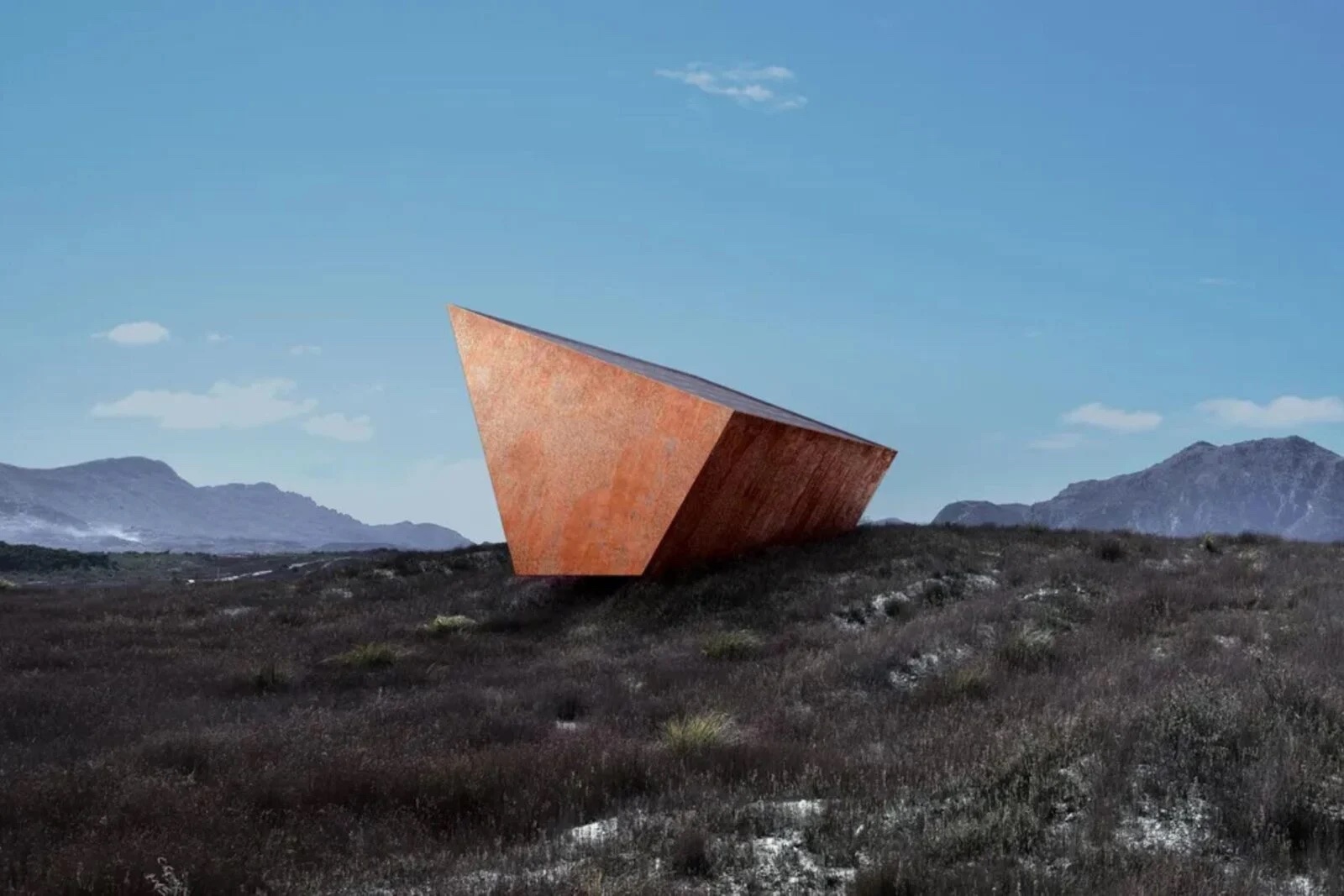
Conceptual image of the “black box.”
Beefy Tea
Here’s an old food fad that could very well be poised for a revival: beef tea. Yes, beef tea was quite rage in the 19th century. Says Popular Science:
But by the middle of the 19th century, doctors were prescribing concentrated extracts with names like “beef tea” for every imaginable ailment: from stomach problems and fever to depression and dementia. Medical records from the time show that liquid beef was a major component of hospital diets. At the London Hospital in 1851, adult patients were fed 12 ounces of bread, two pints of milk, and one pint of beef tea (made from eight ounces of beef) per day.
By the 20th century, meat medicine fell out of favor. But who knows? It may very well make a comeback. But how did it start to begin with? It started with German scientist Justus von Liebig (1803–1873), who conducted extensive studies on nutrition and metabolism.
One of Liebig’s most influential ideas was that the liquid in meat and other foods, not just the solids, carries the most important nutrients. It was Liebig who first suggested searing meat before cooking to prevent its juices from leaking out. (This belief remains widespread, despite evidence that it isn’t really true.)
Liebig was a major contributor to what was then called the “rational” approach to diet, where people sought to apply the principles of modern science to cooking. Combined with prevailing beliefs in the general healthfulness of meat, and an increasing urban population who could not afford it, 19th-century nutritionists identified a major social problem: Not enough people were eating enough meat.
Ergo, in 1847, Liebig came up with a process for boiling down beef into a concentrated paste or solid, targeted at people who could not afford actual beef. Trouble was, the ratio of meat to extract was about 30:1 by weight, which made it far more expensive to produce than fresh beef.
This Week in Printing, Publishing, and Media History
June 22
1906: Austrian-born American director, producer, and screenwriter Billy Wilder born.
1969: The Cuyahoga River catches fire in Cleveland, Ohio, drawing national attention to water pollution, and spurring the passing of the Clean Water Act and the creation of the Environmental Protection Agency.
June 23
1860: The United States Congress establishes the Government Printing Office.
1868: Christopher Latham Sholes receives a patent for the "Type-Writer."
1910: French playwright and screenwriter Jean Anouilh born.
1912: English mathematician and computer scientist Alan Turing is born.
1926: The College Board administers the first SAT exam.
1969: IBM announces that it will start pricing its software and services separately from hardware—thus creating the modern software industry.
1991: Sonic the Hedgehog is released to American audiences, then to PAL and Japanese audiences a month later, kickstarting the successful Sonic franchise.
2013: American author and screenwriter Richard Matheson dies (b. 1926).
June 24
1842: American short story writer, essayist, and journalist Ambrose Bierce born.
1930: American businessman, founder of Ziff Davis William Bernard Ziff Jr. born.
1947: Kenneth Arnold makes the first widely reported UFO sighting near Mount Rainier, Wash.
1949: The first television western, Hopalong Cassidy, is aired on NBC starring William Boyd.
1957: In Roth v. United States, the U.S. Supreme Court rules that obscenity is not protected by the First Amendment.
June 25
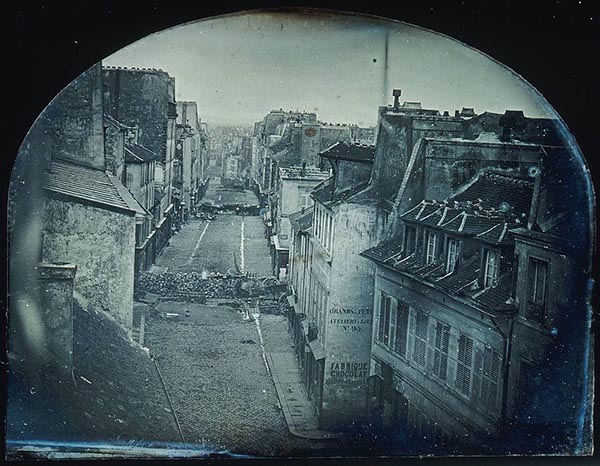
1848: A photograph of France’s June Days uprising, “Barricades on rue Saint-Maur,” becomes the first photograph used to accompany a newspaper story, launching the practice of photojournalism.
1903: British novelist, essayist, and critic George Orwell born.
June 26
1927: The Cyclone roller coaster opens on Coney Island.
1929: American illustrator and graphic designer Milton Glaser born.
1948: Shirley Jackson’s short story The Lottery is published in The New Yorker magazine.
1974: The Universal Product Code is scanned for the first time to sell a package of Wrigley's chewing gum at the Marsh Supermarket in Troy, Ohio.
1997: Oh, FFS: the U.S. Supreme Court rules that the Communications Decency Act violates the First Amendment to the United States Constitution.