In the evolving landscape of security printing, the role of advanced ink technologies is critical. Security inks play a pivotal role in safeguarding documents, currency, and products against counterfeiting and fraud. We will look at 5 key security ink technologies and their applications:
- Optically Variable
- Invisible
- Thermochromic
- Magnetic
- Security Taggants
Many inkjet presses have an option for “security inks” but you need to dig deeper to see what that means for your application. Read on to learn about various approaches and some of the leading security ink suppliers in the industry.
Optically Variable Inks
Optically Variable Inks (OVI) represent a cornerstone in security printing, offering color-shifting properties that combat counterfeit attempts. OVI contain specialized pigments known as interference pigments or optically variable pigments (OVP). These pigments consist of microscopic layers of materials including titanium dioxide and mica that are coated with metal oxides like silicon dioxide, iron oxide, or aluminum oxide. The thickness and composition of these layers are precisely controlled during manufacturing. The layered structure of OVI pigments causes interference effects when light interacts with them.
[caption id="attachment_7161" align="aligncenter" width="1430"]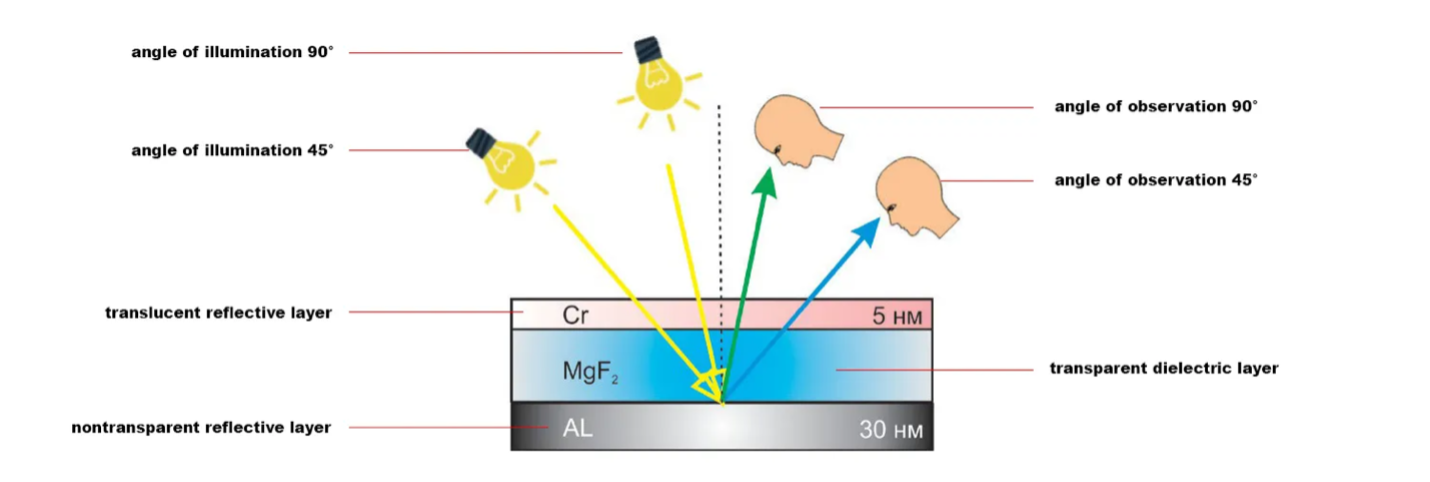 Figure 1. Scheme of OVI visualization. www.Regulaforensics.com[/caption]
When light hits the surface of the pigment, some of it is reflected from the outer layers, while some penetrates deeper into the layers before being reflected. This creates constructive and destructive interference patterns depending on the wavelength of light and the thickness of the layers. As a result of interference, different colors are selectively reflected at different angles or under varying lighting conditions. This phenomenon is known as thin-film interference and is responsible for the color-shifting effects seen in OVI pigments. For example, a pigment might appear green when viewed head-on but shift to red or gold when viewed at an angle as shown in Figure 2.
[caption id="attachment_7166" align="aligncenter" width="445"]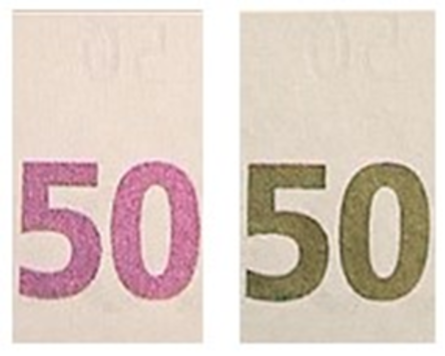 Figure 2. Optically Variable Ink. Attribution: Flokk[/caption]
The precise control of layer thickness and composition in OVI pigments makes it challenging for counterfeiters to replicate the color-shifting effects accurately. Attempts to mimic these effects typically result in inferior color shifts or static colors that do not change with viewing angle, making OVI an effective security feature.
OVI pigments are commonly used in security printing applications such as banknotes, passports, and certificates. Authentication of documents or products containing OVI is typically done by observing the color shift under different lighting conditions or angles, using specialized authentication devices such as UV lamps or dedicated readers. OVI pigments leverage thin-film interference principles to create dynamic color shifts that are visually striking and difficult to reproduce, enhancing the security and authenticity of printed materials. SICPA and Luminescence are OVI suppliers known for their expertise in developing OVI solutions for currencies, passports, and secure documents, ensuring robust anti-counterfeiting measures through visually striking and complex color transitions.
Invisible Inks
Invisible inks have long been utilized as a covert security feature, remaining invisible under normal conditions but revealing additional information under specific stimuli such as UV or infrared light. These inks are commonly used for covert messaging, security features, and authentication purposes. Invisible inks contain chemical compounds that are transparent invisible under normal lighting. These compounds can include fluorescent dyes or pigments, phosphorescent materials that react to specific wavelengths of light. The invisibility of the ink is due to its molecular structure, which does not absorb or reflect visible light. However, when exposed to the appropriate stimulus, such as UV or IR light, the dye or pigment in the ink will absorb the light stimulus and emit a different wavelength. If the emitted wavelength is in the visible spectrum (between 400 and 600nm), no specialized equipment is needed as the effect can be observed by the human eye. However, handheld spectrophotometers (or readers) can also be used to confirm the presence of an invisible ink which emits outside the visible spectrum.
[caption id="attachment_7165" align="aligncenter" width="683"] Figure 3. 50 Euro banknote under UV-A light[/caption]
Different types of invisible inks require specific detection methods. For example, UV-reactive inks fluoresce or emit visible light when exposed to UV light, revealing hidden messages or markings. Similarly, IR-reactive inks may become visible under infrared light.
Invisible inks find applications in security printing, document authentication, anti-counterfeiting measures, and novelty items such as invisible ink pens or stamps. They are often used in conjunction with visible inks to create layered security features that are more difficult to replicate or forge. Sun Chemical, Microtrace and many other ink and pigment suppliers provide customizable invisible ink solutions, enhancing brand protection and document authentication across diverse applications.
Thermochromic Inks
Thermochromic inks, sensitive to temperature changes, offer dynamic security features for authentication and anti-counterfeiting. Thermochromic inks are specialized inks which are tuned to change color or become visible in response to changes in temperature. These inks are widely used in various applications such as consumer products, security printing, and temperature-sensitive packaging. Thermochromic inks contain microcapsules that undergo a reversible or irreversible color change or transition at specific temperature thresholds. The ink's color or visibility is temperature-dependent, making it responsive to heat variations. One of the most famous thermochromic applications is Coors Light aluminum can which turns blue when the beer is cold.
[caption id="attachment_7164" align="aligncenter" width="539"] Figure 4. Aluminum can with thermochromic ink. CTI Inks[/caption]
When exposed to heat above a certain temperature threshold, thermochromic inks transition from a colored or visible state to a transparent or less visible state. This color change occurs due to solubility changes of a leuco dye within the pigment microcapsules induced by heat. The ink's color or visibility returns when the temperature decreases below the activation threshold. Thermochromic inks find diverse applications in security printing, product packaging (such as temperature indicators on food or beverage containers), novelty items (color-changing clothing or toys), and industrial processes (temperature-sensitive coatings). In security printing, thermochromic inks are used to create dynamic and temperature-responsive security features that are difficult to replicate. Thermochromic inks can be reversible (changing back and forth with temperature fluctuations) or irreversible (changing permanently once the activation temperature is reached). They are available in various temperature ranges, allowing customization for specific applications requiring precise temperature sensitivity. Thermochromic inks offer a visually engaging and functional solution for temperature monitoring, security features, and interactive product designs, leveraging temperature-induced color changes for diverse applications.
Chromatic Technologies, (CTI) and LCRHallcrest specialize in developing thermochromic ink formulations, catering to the stringent security requirements of packaging, labels, and secure documents.
Magnetic Inks
Magnetic inks which contain magnetic particles are required for printing magnetic characters on financial documents and credit cards. Magnetic inks are specialized inks containing particles or pigments that exhibit magnetic properties. These inks are used in various applications such as banknotes, checks, secure documents, and magnetic stripe cards. Magnetic inks consist of finely dispersed particles, typically composed of iron oxide (Fe3O4) or barium ferrite. The pigment particles must be small enough to remain suspended in the ink and maintain magnetic properties.
Magnetic inks are used to print characters, codes, or patterns that can be magnetically encoded. For example, in banking applications, magnetic inks are used to print the magnetic stripes on credit cards or checks, containing encoded information such as account numbers, names, and transaction details. Magnetic ink characters or stripes are read using magnetic stripe readers or magnetic ink character recognition (MICR) devices. These devices detect the magnetic properties of the ink and translate them into digital or alphanumeric data for processing and authentication. In addition to encoding information, magnetic inks can also be used as a security feature. Using a handheld magnetic sensor, specialized magnetic inks can be employed to deter counterfeiting and enhance document security.
[caption id="attachment_7163" align="aligncenter" width="630"] Figure 5. Magnetic Ink Reader. Safescan.com[/caption]
Magnetic inks are widely used in banking, finance, identification documents (such as passports and driver's licenses), secure packaging, and product authentication. Their ability to store encoded information magnetically and their compatibility with magnetic reading devices make them indispensable in various industries. Magnetic inks play a crucial role in encoding information, facilitating secure transactions, and adding an additional layer of security through magnetic authentication methods.
Troy Group and Versacheck, are among several companies providing secure solutions for magnetic encoding and anti-counterfeiting applications, ensuring robust protection against fraudulent activities.
Security Taggants
Security taggants are microscopic or even submicron particles or markers added to products, documents, or inks to provide authentication, traceability, and anti-counterfeiting features. Security taggants are designed to have unique characteristics such as specific chemical compositions or unique spectroscopic responses to stimulation.
Taggants can be encoded with information or a signature useful for identifying the manufacturer, product batch, or other relevant details. Taggants can be incorporated into products themselves during manufacturing processes or printing onto the packaging. They can be added to inks, coatings, polymers, or other materials without affecting the product's appearance or performance. Taggants can be detected using specialized equipment or detection methods tailored to their specific properties. For example, a Raman spectrometer may be used to test for taggants which have a unique Raman scattering profiles.
The presence and characteristics of taggants provide a means of authentication and verification. Manufacturers, authorities, or end-users can use detection devices or analysis techniques to confirm the presence of authentic taggants and distinguish genuine products from counterfeits.
[caption id="attachment_7162" align="aligncenter" width="208"]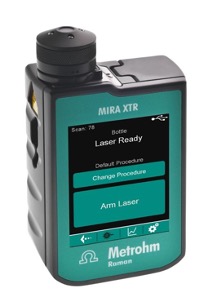 Figure 6. Handheld Raman Spectrometer. Metrohm.com[/caption]
Security taggants act as covert security features, making counterfeiting more difficult and providing evidence of authenticity. They are often part of comprehensive anti-counterfeiting strategies that may include holograms, serial numbers, and tamper-evident packaging. Taggants can also enable traceability throughout the supply chain. By tracking taggant-encoded information, stakeholders can monitor product movements, detect diversion or tampering, and enhance supply chain security. Security taggants play a vital role in protecting products, documents, and brands against counterfeiting, ensuring authenticity, and enabling traceability across various industries. Their incorporation into materials and their detection through specialized methods contribute significantly to robust anti-counterfeiting measures and product security.
Several companies provide security taggant products and solutions. Authentix is a leader in authentication and information services, offering a range of security solutions including taggants. They provide covert and overt taggant technologies to authenticate products, deter counterfeiting, and ensure supply chain integrity. TruTag Technologies specializes in advanced product authentication solutions, including edible, invisible, and covert taggants. Their solutions are used in a wide range of industries such as pharmaceuticals, food and beverage, and electronics to combat counterfeiting and ensure product traceability. Applied DNA Sciences focuses on DNA-based security solutions, including molecular taggants that use unique DNA signatures for product authentication and traceability. Their technologies are used in textiles, packaging, and supply chain applications to protect against counterfeiting and fraud. These companies offer innovative taggant technologies and services to address the growing need for product authentication, brand protection, and anti-counterfeiting measures across various industries.
As threats of counterfeiting continue to evolve, continued innovation in security ink technologies remains paramount for ensuring document and product authenticity. Collaborating with leading suppliers in the security ink industry empowers organizations to implement multi-layered security features, safeguarding against counterfeit threats and bolstering consumer trust in the integrity of printed materials.