Premium Commentary & Analysis
A primer on QR, VR, AR—and "print reality."
Monday, August 12, 2019
Continue reading your article
with a WhatTheyThink membership.
Less than $4/week.
Get unlimited access to in-depth commentary and analysis covering the latest trends, emerging technologies, operational strategies, and key events across every segment of today's printing industry.
Stay informed. Stay competitive. Stay ahead.
10 Things PSPs Should Consider Before Adopting Robotics: What You Need to Know to Begin the Journey
Why Highly Targeted Communications Make Digital Print Essential to Modern Marketing
Wide Format in 2026: How Technology Is Reshaping Competitive Advantage
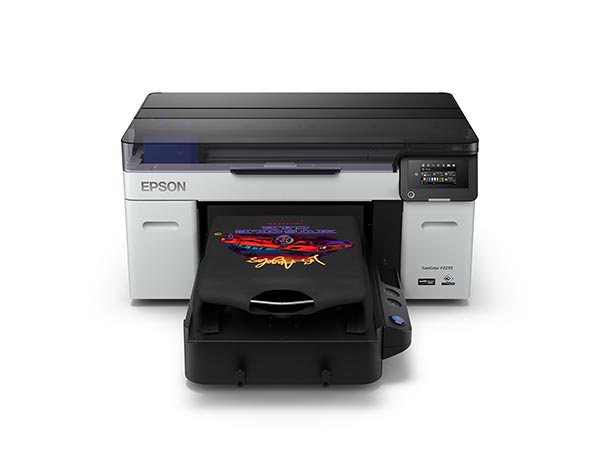
Epson has long been a leader in direct-to-garment printing. With the launch of the new SureColor F2270 to the North American market, Epson is bringing its third generation of this popular affordable mid-level direct-to-garment (DTG) platform to market with a number of enhancements that benefit quality and productivity, and have sustainability characteristics as well. We spoke with Epson’s Senior Product Manager, Tim Check, to learn more. Read More
In this year’s third annual Technology Outlook, Richard Romano and Cary Sherburne look at new trends, technologies, and products in wide format and signage and textiles and apparel. Read More
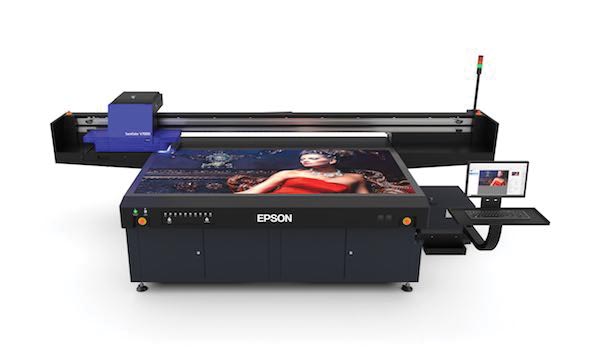
As part of our preview of next week’s Technology Outlook Week, Richard Romano and Cary Sherburne look at the latest trends and technologies in wide-format printing, signage, and textiles. Read More
A primer on QR, VR, AR—and "print reality." Read More
VR, QR, AR and interactive print merge the digital and the physical. Read More
 QR codes are similar in practice to the ubiquitous UPCs (Universal Product Codes) that have adorned consumer items since the 1970s. Also called “two-dimensional codes,” the pattern of black-and-white squares acts like the bars in a barcode. Invented in 1994 in Japan by Denso WAVE to track cars throughout the manufacturing process, QR codes spread to more and more applications, especially advertising and marketing. After the advent of the smartphone, QR codes became a quick way to get mobile users to access a website. Although graphic designers are not fans (they’re not the most aesthetically pleasing design element in the world), it has reached the point where users don’t need a separate app to read them. Just aim your iPhone camera at the code and it will be read automatically; this capability is also available on Samsung phones as of June 2019 with the Samsung Galaxy S10 as well as a few other recent Android models. Native QR code readers have been built into Japanese phones for years, which has made use of these codes popular there. When you have to use a separate app, it can be inconvenient and discourage users from scanning these codes.