A hot button issue for Jennifer Guarino, President and CEO of the Industrial Sewing and Innovation Center (ISAIC) located in Detroit, and in fact for the industry at large, is overproduction. About 30% of apparel produced ends up in the landfill. It’s hard to imagine any other industry that has that magnitude of waste. And this is due to obsolete manufacturing and supply chain strategies that have not kept up with technological, market, and other changes in recent years.
“Overproduction is entirely in our control,” Guarino states. “We can’t control what the consumer does, but we can control what digital forecasting techniques tell us we will need. What is causing overproduction is speculative buying, well advance of the season in which is it planned to be sold. Today, we have so many forecasting tools that can change that model. But we have to have the courage to reserve some of that demand for domestic—close to consumption—production. We need to be producing what we need when we need it so we are not manufacturing from a speculative standpoint. So we are manufacturing from a well-informed standpoint.”
For readers familiar with other industries that have undergone this just-in-time manufacturing transformation—think automobiles, and even printing and packaging—taking advantage of digital technologies, this is a no-brainer. But although the technologies are in place to address it, most brands and retailers have not made the leap to this new—and necessary—model. Guarino adds, “I’m making a plea to all executives that have influence over decisions to step up and be courageous, and look at new models. At least try them. Because overproduction is totally 100% within our control.”
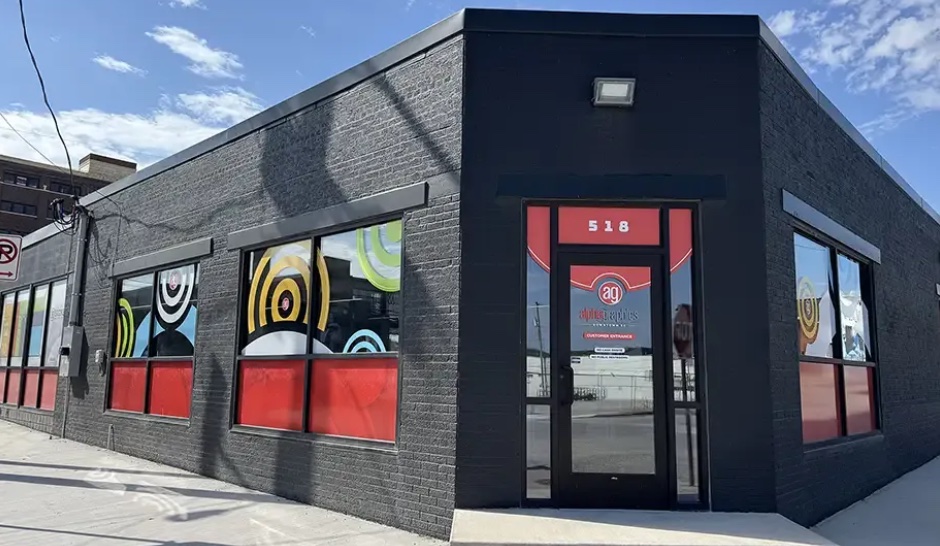
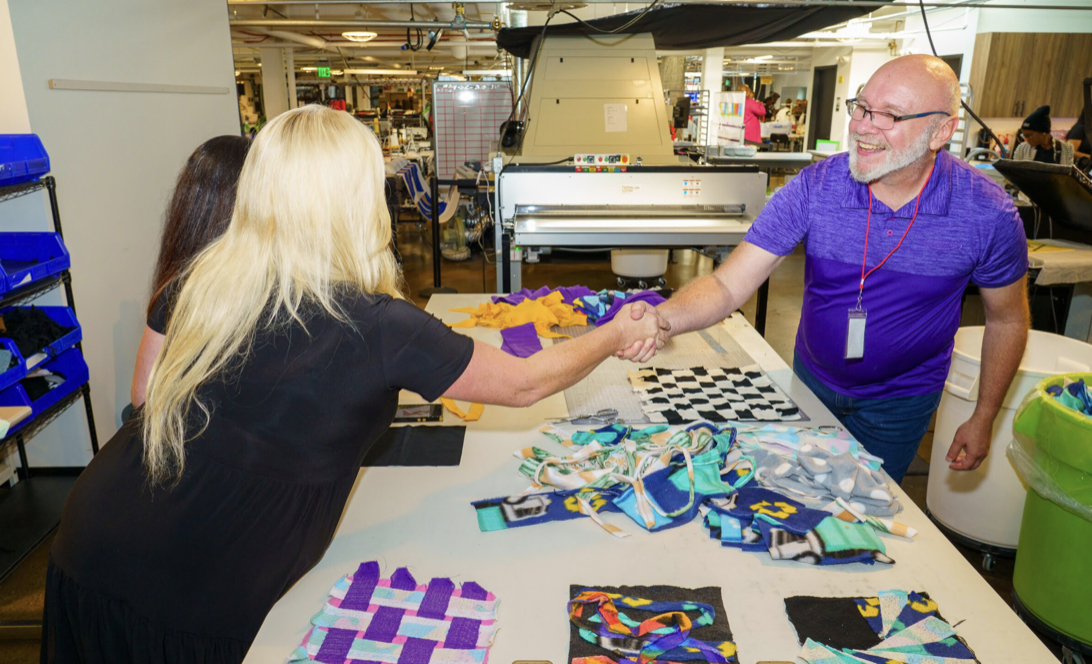
One of the barriers, of course, in moving production to the U.S. is the overall lack of sewing skills. We can print high quality fabric digitally and on demand. We can automate cutting. But sewing still requires trained and talented humans. This is an area ISAIC and other organizations like it have been working hard to mitigate. ISAIC is in the process of expanding the Center’s capacity, with a planned move to a larger facility in the spring. “We have a lot of different types of students,” Guarino says. “Some take our traditional sewing course, usually 10 to 12 students at a time, four times a year. We are also introducing workshops and some boot camps. In addition, we will be offering a shorter version of our curriculum that will enable is to serve a lot more people, certainly more than 150 per year in Detroit. But that number is larger when you look at it nationally, because we also have our program running in 13 states.”
Once folks graduate from these types of courses, they then need to find employment that takes advantage of those skills, another way ISAIC is helping the industry. So in addition to brands and retailers, we also need entrepreneurs who are willing to stand up what Guarino calls “responsive, advanced manufacturing.” There are a few already in place, but we need more. Guarino continues, “And that’s where we come in; how do you set up those systems that can do that?”
For brands and retailers, who talk a lot about sustainability, but frankly are not doing that much about it, the question becomes who is paying for the innovation? Certainly, as Guarino points out, eliminating that 30% of production that goes straight to the landfill would go along way toward shifting the economics!
“It’s ridiculous that we are not controlling overproduction,” Guarino concludes. “Is it hard? You bet. Does it require change management? You bet. Does it involve investment? Certainly. But to act like its out of our control is an absurd notion. CEOs need to step up, give their teams the ability to invest in some solutions that could change that model. Be brave!”
One way to get started is to contact ISAIC and learn how they are innovating and bringing new talent to the market.
Be sure to listen to the full conversation with Jennifer Guarino here.