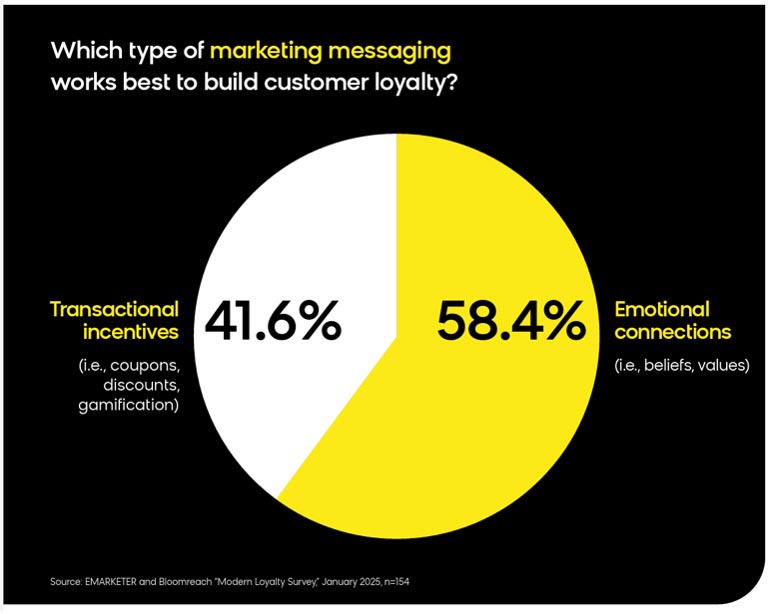
Pick your survey, and you’ll see similar data over and over. Customers are motivated more by emotional connection with a brand than they are by price. According to “The Power of Trust and Emotions in Building Customer Loyalty,” a study by Bloomreach in conjunction with eMarketer, customer experience is the number one factor in customer loyalty, with 59.1% of consumers saying that positive CX builds loyalty. What comes in second? The precursor to consumer trust—emotional connection (58.4% saying it builds loyalty). Both these dwarf the perceived value of transactional incentives (coupons, discounts, gamification), with only 41.6% giving this answer.
When we encourage clients to “build trust” with their customers, we generally think about what happens on the front end. There is a standard list of tactics: clean and update your data, build profiles and analyze data to create relevant messaging, ensure brand consistency across channels, use storytelling, emphasize transparency and authenticity, promote sustainability, and so on. These are all good things. But there are critical elements to building brand trust and emotional connection that come on the back end of the sale, too. How often do we think about those?
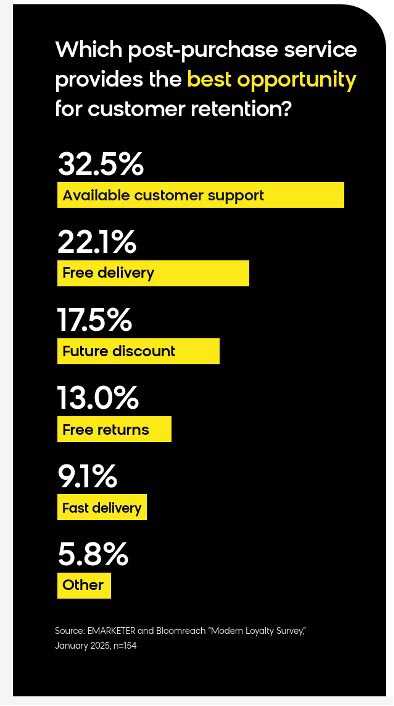
According to Bloomreach/eMarketer, back-end factors have a significant impact on consumer trust and emotional connection. What are they?
- Available customer support. Once the customer has purchased the product, are they left hanging on their own? What if they can’t put the product together? What if it doesn’t work right? Nearly one-third (32.5%) of consumers say “available customer support” is key to customer retention.
- Free delivery: Free delivery comes in second, with 22.1% of consumers giving this answer. What does free delivery have to do with building emotional connection? Try this: “I know the product costs X, but with free delivery, they do me solid.” They do me solid. How does that feel? Pretty good, right? That’s emotional connection.
- Fast delivery. This answer is given by 9.1% of consumers. It’s a bit surprising that it’s not higher. You’re excited about purchasing that new vitamin supplement to help with that thing you’ve got going on. The customer testimonials are awesome. Maybe this will actually work this time! So you place the order, then the product does not arrive for a month. Nothing says, “We don’t really care about your health” like super slow shipping.
- Free returns. What if the product doesn’t work? What if it doesn’t fit? Am I stuck with it? Free returns ease fear and uncertainty, and easing fear and uncertainty builds trust and emotional connection. It’s no wonder 13% of consumers say it’s key to customer loyalty.
Who implements all of these back-end emotional connection factors really well? Amazon. According to Consumer Intelligence Research Partners, Amazon Prime members, who get free two-day shipping on most items, spent an average of $1,170 per year in 2024 compared to $570 per year for nonmembers. In a separate study, Upgraded Points found that Amazon Prime customers are twice as likely to purchase additional items if there are free returns in addition to two-day shipping.
Relationships Are Linked to Memories
This is about more than convenience. According to the Bloomreach study’s author, Zhecho Dobrev, principal consultant at Beyond Philosophy and author of The Big Miss: How Organizations Overlook the Value of Emotions, consumer spending is dependent on building relationships, and memory plays an important role in that process. “Emotions are important because they are linked to our memories,” he notes, as cited in the study. “When we decide whether or not to buy from a company, we make that decision based on the memories of our experience.”
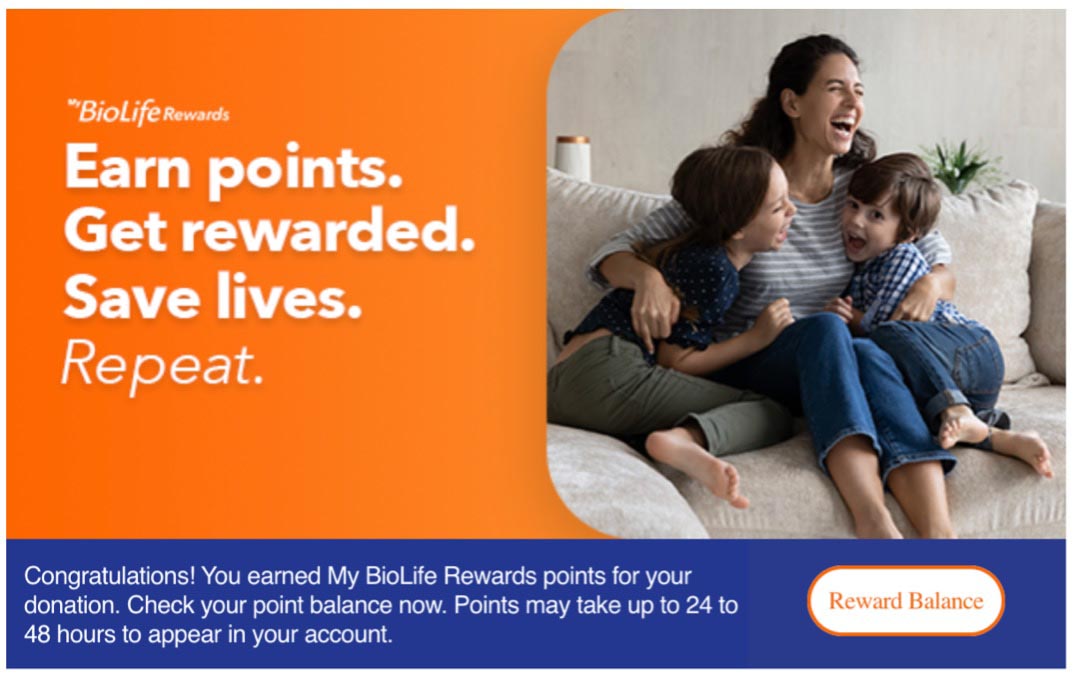
Do you know who else does the post-sale very well? BioLife, a plasma collection company that pays people for giving the gift of life. Sure, BioLife pays people for their plasma (although it still uses the term “donor”), but there are signs throughout the center explaining how important their gift is. How many people it impacts. How their plasma is used. After giving, “donors” receive an immediate thank-you email with instructions on how to take care of themselves after the experience, along with pictures of happy families with children jumping into the arms of their moms and dads who, we assume, are alive thanks to plasma-based treatments. In the follow-up email, BioLife provides donors with a running update on how many plasma donations they’ve made and how many families they, personally, have impacted. From signs at the front door, to walls plastered with in-center signage, to follow-up “thank yous,” BioLife offers a Class A demonstration of how to build emotional connection. It knows how to make donors feel really, really good.
Consumers aren’t plasma donors, but many of the same principles apply. Pre-sale factors may draw a customer into the sale funnel, but what customers will remember is how the experienced made them feel. Did I feel valued? Did I feel safe? Or did I feel abandoned or taken advantage of?
This leads to the question: When buyers think about your customer’s brand, what emotions will come up—both as a result of the pre-sale communications and the post-sale experience? Is that something you’ve even discussed with your customers before?