Premium Commentary & Analysis
As digital delivery proliferates within the customer communications market, service providers with a legacy in print have been challenged to devise pricing models that position their operations for long-term sustainability. As part of its recently published research study entitled Pricing for Digital: Exploring New Models for Transactional Communications Delivery, Keypoint Intelligence – InfoTrends conducted more than a dozen in-depth interviews with print service providers in North America to gain a deeper understanding of the primary pricing obstacles that stakeholders face in today’s changing market. The second in a three-part series, this article examines the hurdles that providers encounter in the market as they attempt to demonstrate value through their services.
Thursday, June 07, 2018
Continue reading your article
with a WhatTheyThink membership.
Less than $4/week.
Get unlimited access to in-depth commentary and analysis covering the latest trends, emerging technologies, operational strategies, and key events across every segment of today's printing industry.
Stay informed. Stay competitive. Stay ahead.Since 1961, the digital imaging industry has relied on Keypoint Intelligence for independent hands-on testing, lab data, and market research to drive product and sales success. Keypoint Intelligence has been recognized as the industry’s most trusted resource for unbiased information, analysis, and awards. Clients have harnessed this knowledge for strategic decision-making, daily sales enablement, and operational efficiency improvements. Keypoint Intelligence continues to evolve with the industry by expanding its offerings and intimately understanding the transformations occurring in the digital printing and imaging sector.

10 Things PSPs Should Consider Before Adopting Robotics: What You Need to Know to Begin the Journey
Why Highly Targeted Communications Make Digital Print Essential to Modern Marketing
Wide Format in 2026: How Technology Is Reshaping Competitive Advantage
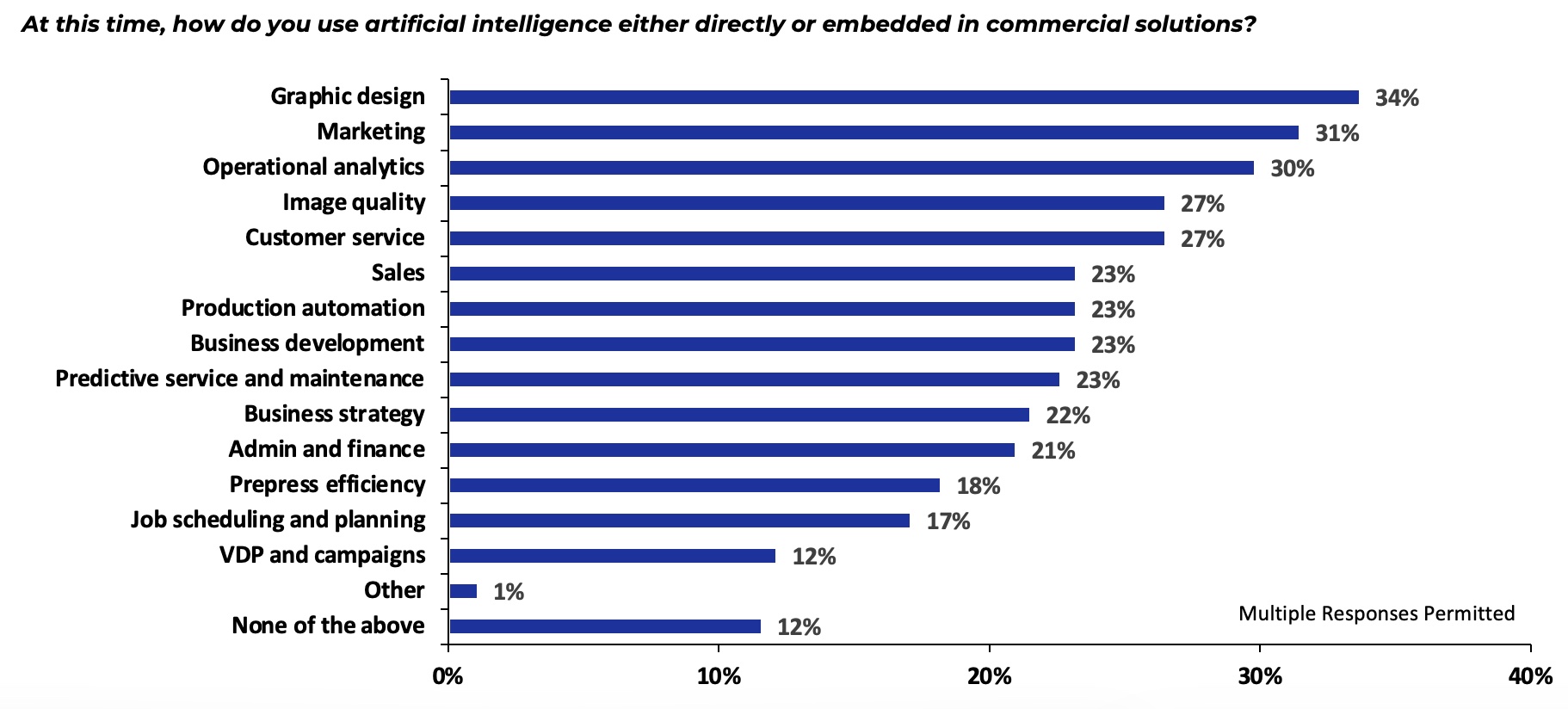
AI was once viewed as a distant-future disruptor, but it’s now making its way into real-world deployments. Instead of completely revolutionizing the print production process, AI is facilitating incremental improvements. This article explores how savvy businesses are using the technology to refine their print production processes. Read More

German Sacristan, Principal Analyst–Production for Keypoint Intelligence, talks about the state of the industry as we hit the halfway point of 2026, and offers advice for print businesses for the latter half of the year. Read More
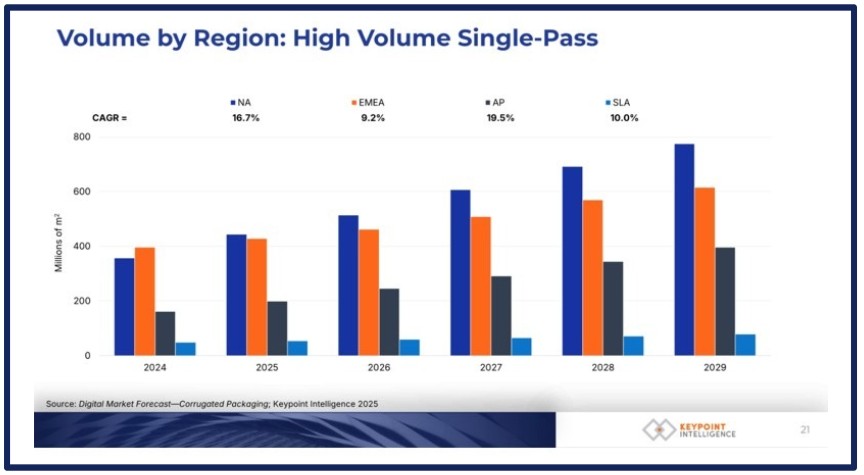
Speed on the pressroom floor is still an important factor, but real performance improvements are being driven by smoother workflows, better data, and faster decision-making. Read More
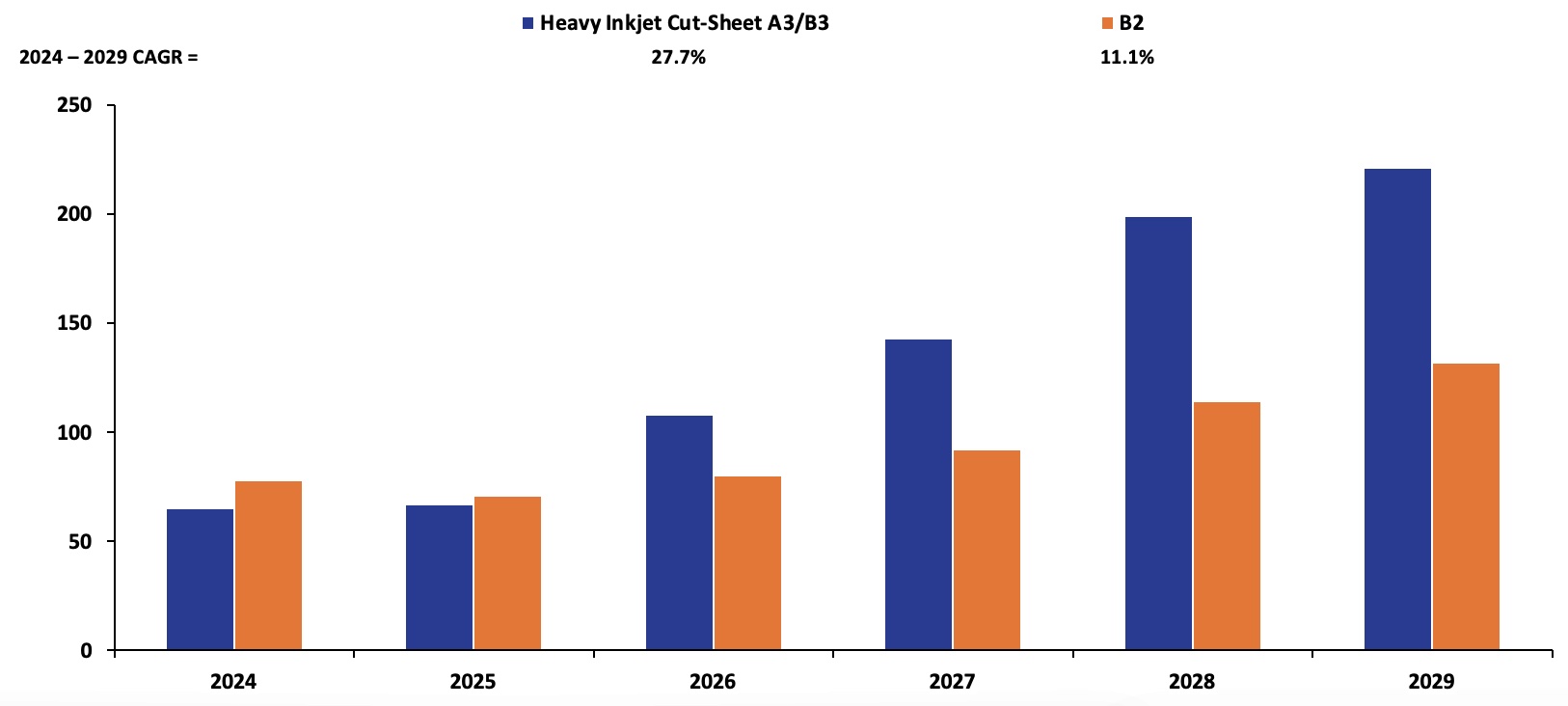
Production inkjet technology has emerged as the cornerstone of today’s printing revolution. Inkjet has become a versatile and efficient solution for print service providers of all sizes. As we move into the future, critical factors like automation, artificial intelligence, and greater media flexibility promise to further enhance inkjet's capabilities while uncovering new opportunities for growth and innovation. Read More
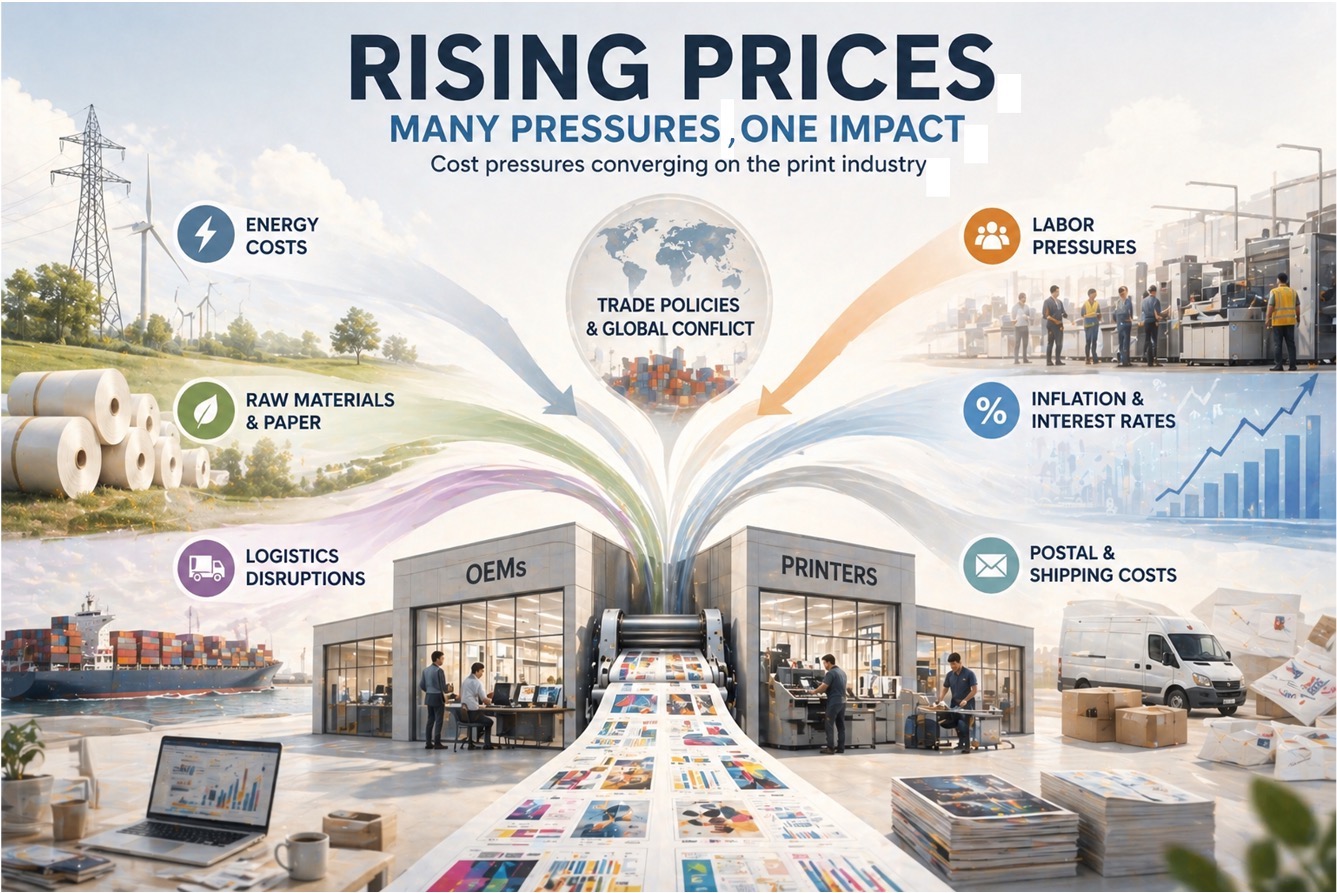
Higher print costs are nothing new, and there’s no sign of them letting up. Factors like energy costs, labor pressures, inflation, logistics disruptions, and postal costs are converging on the printing industry and causing higher prices. Rather than moving in isolation, these factors are combining and intensifying. This article explores some of the key pressures that the printing industry is facing. Read More