WhatTheyThink

Premium Commentary & Analysis

The Migration to Digital Continues... But Printed Customer Communications Remain Popular

The results from InfoTrends’ annual transactional communications survey uncovered some surprising shifts in opinions about paper-based and electronic communications. This article cites recent survey data to explore how printed and electronic bills and statements continue to coexist in the customer communications market.

Thursday, April 19, 2018

Keypoint Intelligence – InfoTrends (InfoTrends) recently completed its annual transactional communications survey of 2,000 consumers in the U.S. and Canada. After taking some time to analyze the results from our 2018 survey data, we’ve uncovered some surprising shifts in consumers’ opinions about paper-based and electronic communications. This article provides a brief overview of our most recent transactional communications survey findings and explores what these findings might mean for consumer preferences in the future.

Since InfoTrends began tracking the customer communications market, the transition from print messaging to paperless delivery has consistently lagged behind projections. Electronic adoption rates vary by industry, audience, and geography. The migration to digital increases by a few percentage points annually in some markets, but other areas have remained relatively stagnant for several years. Even in today’s digital age, many consumers are reluctant to give up paper statements. For one thing, they serve as a reminder to pay. For another, some enterprises have been quite slow to execute an effective digital delivery system. Some of the more traditionally-minded print service providers also haven’t done much to help their clients embrace new ways to communicate with customers. Finally, concerns about the security of electronic communications persist. For all of these reasons, the adoption of digital communications has been slower than anticipated.

Although government mandates have traditionally required enterprises in highly-regulated markets to deliver printed correspondence to their customers to maintain a paper trail and prove compliance, governments on a global basis have begun to relax these laws. As a result, the trend has begun to shift in favor of electronic messaging. When the barriers of regulation are eventually removed, the question of digital adoption will rest solely with the audience. To that end, enterprises have begun experimenting with a variety of methods to entice consumers to adopt digital messaging. Some have even started penalizing consumers who continue to receive printed versions of bills and statements. Despite these efforts, many believe that these methods will only be effective to a certain point because consumers believe that the transition to electronic messaging primarily benefits the sender. Nevertheless, the Millennial demographic is becoming a dominant recipient stakeholder in customer communications. As more of these “digital natives” enter the market, the transition toward electronic transactions will naturally grow.


Continue reading your article
with a WhatTheyThink membership.

WhatTheyThink Annual Membership

Less than $4/week.

Get unlimited access to in-depth commentary and analysis covering the latest trends, emerging technologies, operational strategies, and key events across every segment of today's printing industry.

Stay informed. Stay competitive. Stay ahead.
WhatTheyThink Day Pass

$5 for 24 hours

Unlimited access to all of WhatTheyThink. Get your Day Pass

Already a member?
Sign In

About Keypoint Intelligence

Since 1961, the digital imaging industry has relied on Keypoint Intelligence for independent hands-on testing, lab data, and market research to drive product and sales success. Keypoint Intelligence has been recognized as the industry’s most trusted resource for unbiased information, analysis, and awards. Clients have harnessed this knowledge for strategic decision-making, daily sales enablement, and operational efficiency improvements. Keypoint Intelligence continues to evolve with the industry by expanding its offerings and intimately understanding the transformations occurring in the digital printing and imaging sector.

Recent Articles from Keypoint Intelligence

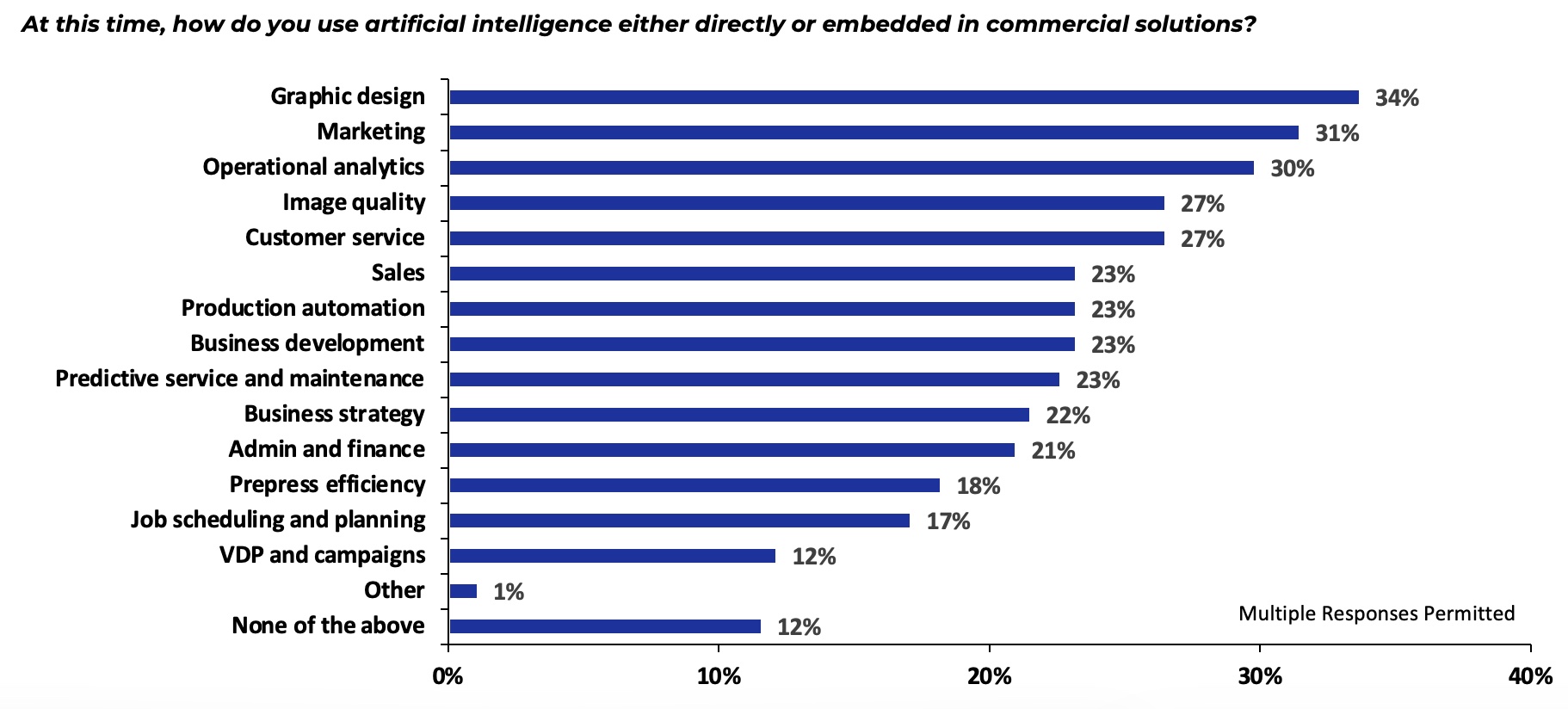
Artificial Intelligence in Production Printing

Artificial Intelligence in Production Printing

AI was once viewed as a distant-future disruptor, but it’s now making its way into real-world deployments. Instead of completely revolutionizing the print production process, AI is facilitating incremental improvements. This article explores how savvy businesses are using the technology to refine their print production processes. Read More

Keypoint Intelligence Quarterly Update: The State of the Industry

Keypoint Intelligence Quarterly Update: The State of the Industry

German Sacristan, Principal Analyst–Production for Keypoint Intelligence, talks about the state of the industry as we hit the halfway point of 2026, and offers advice for print businesses for the latter half of the year. Read More
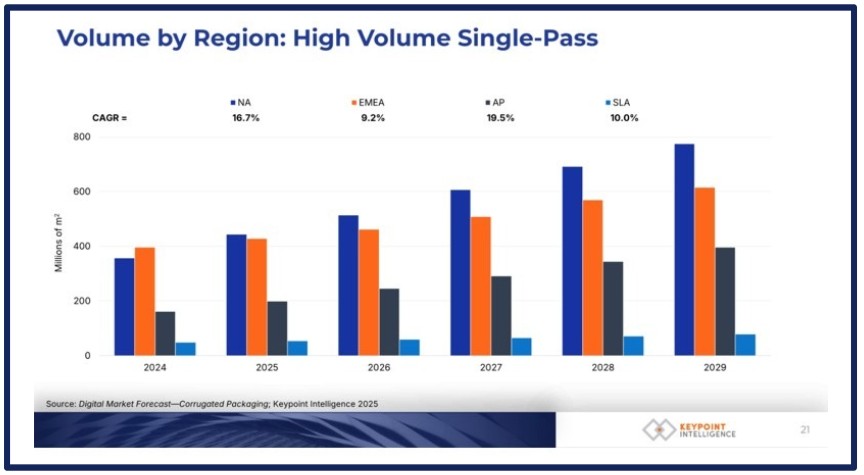
Why Connected Production Lines Will Define the Next Stage of Corrugated Growth

Why Connected Production Lines Will Define the Next Stage of Corrugated Growth

Speed on the pressroom floor is still an important factor, but real performance improvements are being driven by smoother workflows, better data, and faster decision-making. Read More
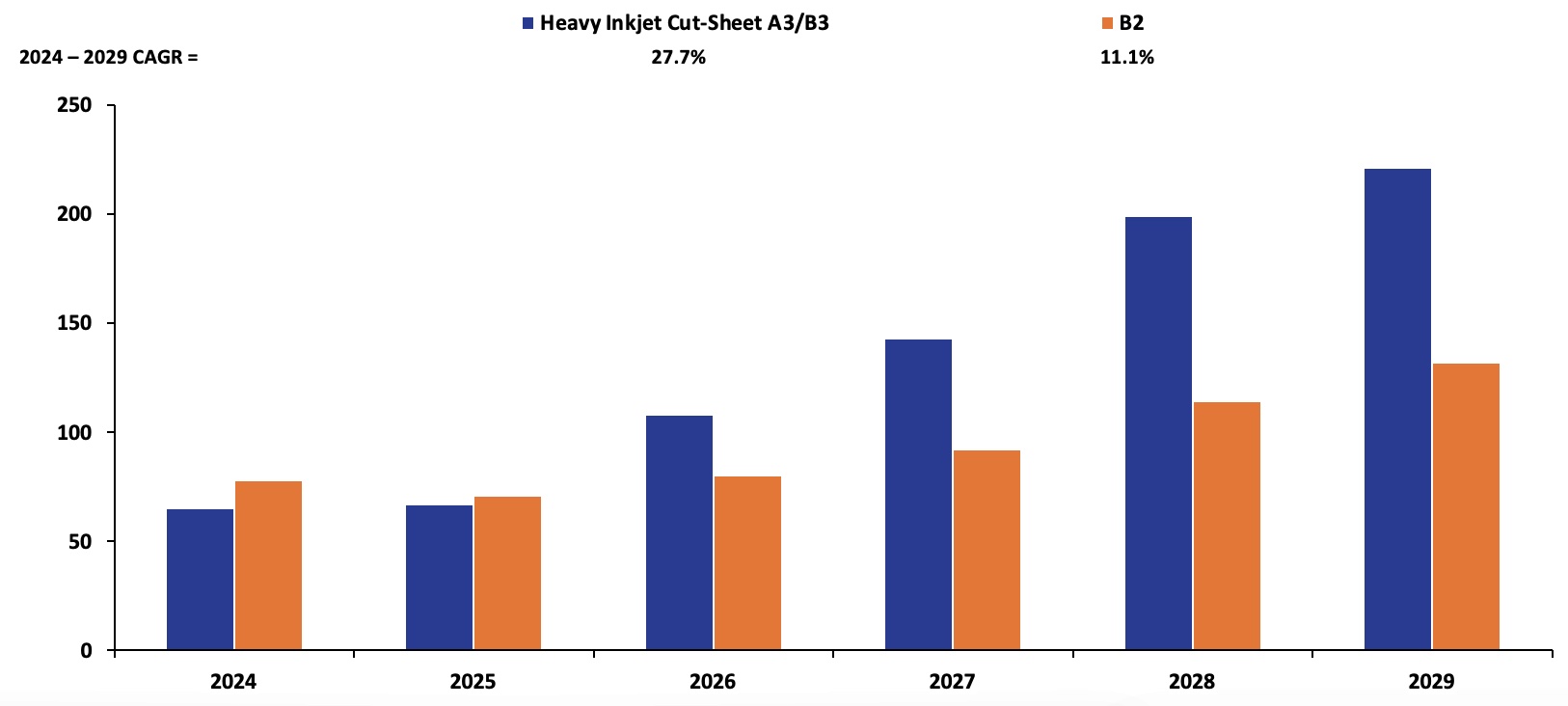
Production Inkjet Printing: Ever Expanding, Ever Evolving

Production Inkjet Printing: Ever Expanding, Ever Evolving

Production inkjet technology has emerged as the cornerstone of today’s printing revolution. Inkjet has become a versatile and efficient solution for print service providers of all sizes. As we move into the future, critical factors like automation, artificial intelligence, and greater media flexibility promise to further enhance inkjet's capabilities while uncovering new opportunities for growth and innovation. Read More
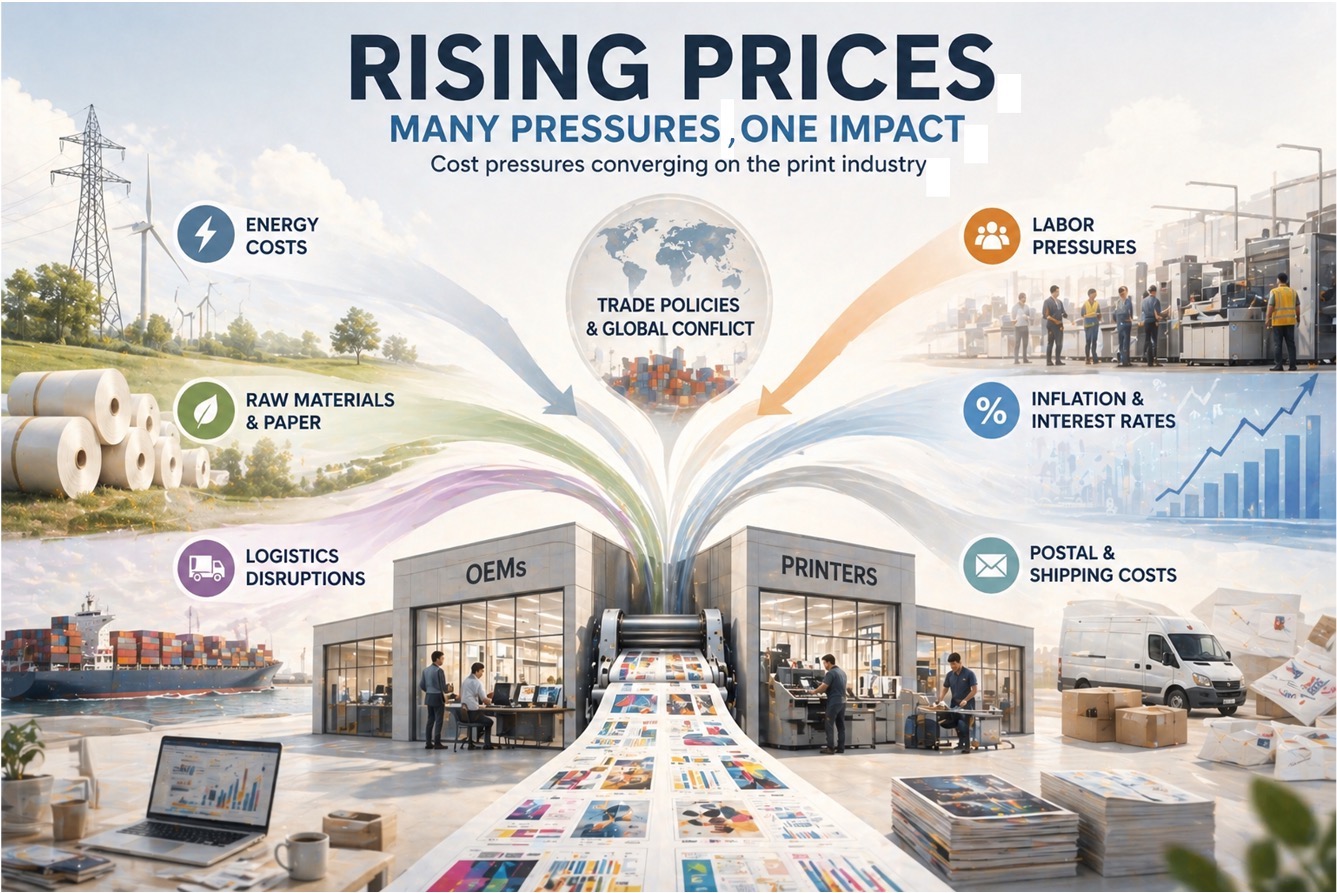
Rising Print Cost Pressures: What They Mean for You

Rising Print Cost Pressures: What They Mean for You

Higher print costs are nothing new, and there’s no sign of them letting up. Factors like energy costs, labor pressures, inflation, logistics disruptions, and postal costs are converging on the printing industry and causing higher prices. Rather than moving in isolation, these factors are combining and intensifying. This article explores some of the key pressures that the printing industry is facing. Read More