WhatTheyThink

Premium Commentary & Analysis

Who Says Packaging is Not Going Digital?

HP recently announced that Hamburg, Germany, based RAKO Etiketten acquired five new HP Indigo WS6600 digital presses. This large investment caught the attention of Senior Editor Cary Sherburne, who spoke to RAKO about its investment, production platform and strategy moving forward.

Wednesday, December 12, 2012

Post-drupa, we have seen a stream of equipment purchase/installation announcements, but the HP announcement that RAKO Etiketten in Germany acquired five new Indigo WS6600 digital presses especially caught my attention. This is a large transaction, although admittedly, the packaging market hasn't suffered many of the challenges commercial print has seen (yet). I spent time speaking with Roger Gehrke, Manager of Digital Printing for the company, to understand their strategy and how digital printing fits into the mix. Gehrke manages the Hamburg site and is the company's go-to person for all things digital printing.

Founded in 1969, RAKO Etiketten is one of the largest and most advanced producers of self-adhesive labels in Europe today. The company employs more than 1,400 people at sites in Europe, Asia and South Africa producing individual packaging solutions manufactured by flexo, letterpress, silkscreen, offset and digital offset, and gravure, as well as combinations of these printing processes. According to Gehrke, the company has a total of 15 digital presses (13 are HP Indigo), including the five just purchased, and an order for another HP Indigo WS6600 has already been placed.

WTT:  Roger, when did RAKO first get into digital printing?

RG:  Our first digital press was the Indigo Omnius, purchased in 1997. These presses have come a long way since then.

WTT:  Today, what percent of your turnover would you estimate comes from digital?

RG:  I would estimate about 10% of our turnover related to labels comes from digital.  Conventional is still growing because of consolidation in the market as well as the fact that there is a certain amount of volume that is still, of course, produced with traditional technologies.

WTT:  If you look out over the next few years, how do you see the digital percentage changing?

RG:  My personal aim is 100%, but to be realistic, 15% is still a few years out.  That being said, if someone had told me a year ago that we would buy five or six digital presses in one year, it would have been hard to believe.  But we did that.  The bottom line is that we see the potential of digital printing in the label business, and that is why we are making these investments.

WTT:  How do you decide whether a job is run digitally or traditionally?

RG:  There are two primary issues to consider. First is the total volume of the job.  Today, if we talk about 20 to 30 kilometers of labels, you would still choose conventional production methods.  But everything below 8 kilometers can be profitable in digital. The second consideration is the complexity of the image.  Say you have 15 colors or a complex photo-like image.  It is hard to set up conventional presses to produce those kinds of jobs.  You also have to consider what the customer is willing to pay.  There are lots of benefits that digital printing can offer, including short lead times, different label sizes in the same run, and the ability to produce those complex images.  If a customer is willing to pay extra for those benefits, we could do 20 kilometers digitally, and we have done that.


Continue reading your article
with a WhatTheyThink membership.

WhatTheyThink Annual Membership

Less than $4/week.

Get unlimited access to in-depth commentary and analysis covering the latest trends, emerging technologies, operational strategies, and key events across every segment of today's printing industry.

Stay informed. Stay competitive. Stay ahead.
WhatTheyThink Day Pass

$5 for 24 hours

Unlimited access to all of WhatTheyThink. Get your Day Pass

Already a member?
Sign In

About Cary Sherburne

Cary Sherburne is a well-known author, journalist and marketing consultant whose practice is focused on marketing communications strategies for the printing and publishing industries.

Cary Sherburne is available for speaking engagements and consulting projects. To get more information contact us.

Please offer your feedback to Cary. She can be reached at [email protected].

Recent Articles from Cary Sherburne

U.S. Hemp Goes International

U.S. Hemp Goes International

While the U.S. domestic textile industry is struggling to grow, the U.S. farming industry could play an important role in making textiles more sustainable with arrangements such as the recently announced deal for Panda Biotech to provide U.S. grown hemp fibers to the Indian textile market. Read More

Strategic Planning Spurs Growth at AlphaGraphics Kansas City

Strategic Planning Spurs Growth at AlphaGraphics Kansas City

When Haley Haar took over AlphaGraphics in Kansas City, the business generated about $600,000 annually. Today, she has led the company in a growth path approaching $2 million in annual revenues through careful strategic planning and a deep understanding of customer needs and requirements. Read More
Tariffs and Textiles: Will They Help Bring Back U.S. textile Manufacturing?

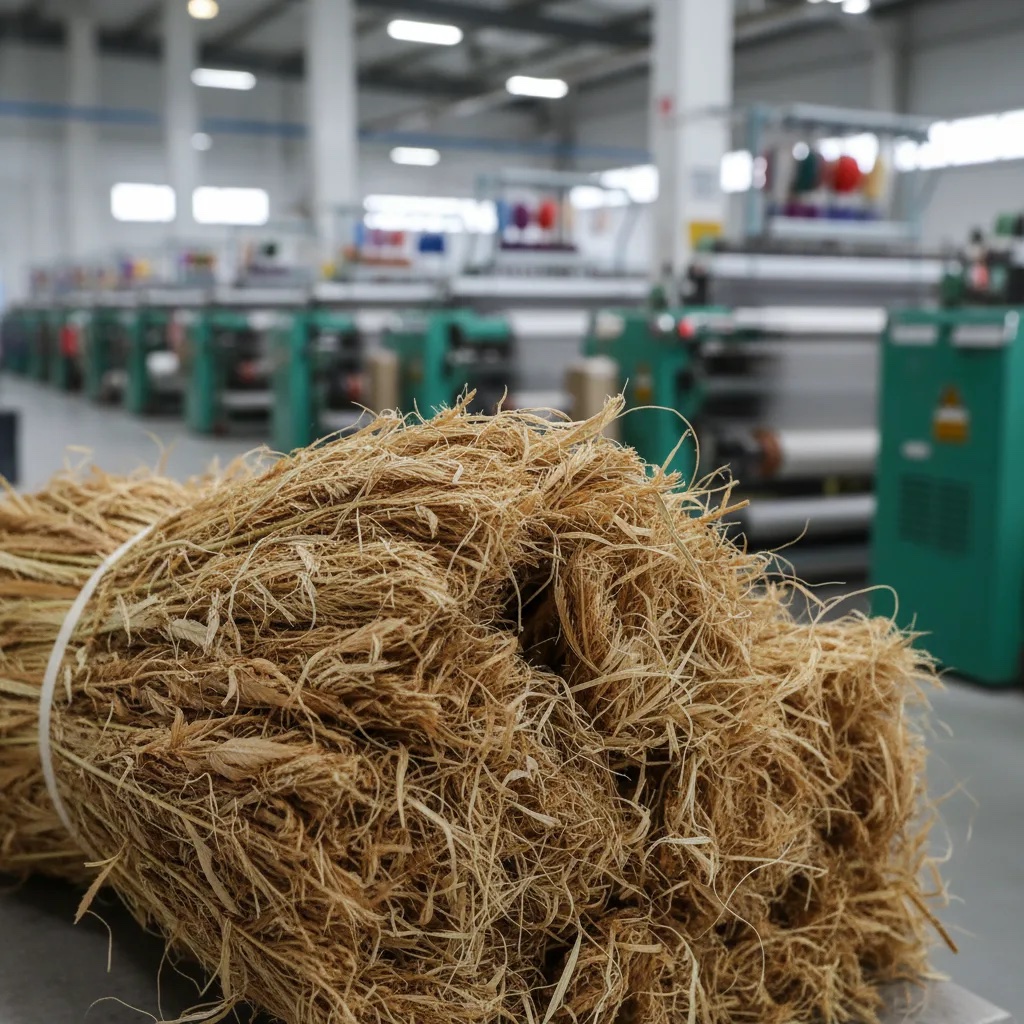
Tariffs and Textiles: Will They Help Bring Back U.S. textile Manufacturing?

So supposedly, a goal of U.S. tariffs on products imported from other countries, including textiles, apparel, and footwear, was to incentivize bringing manufacturing back to the States. Of course, setting up a new factory takes time and money; it doesn’t happen overnight. But it seems that producers had other ideas…the results may surprise you. Read More

Textile Turmoil: What’s the Latest in the World of Textiles?

Textile Turmoil: What’s the Latest in the World of Textiles?

Nothing better demonstrates the turmoil the textiles and apparel industry is going through than two news items I received in my inbox, basically back to back, stating that the U.S. is holding its own while Europe is losing steam. What else is going on in the industry today? We dive into that here. Read More

Monadnock Introduces Recyclable Alternative to Vinyl for Retail Signage

Monadnock Introduces Recyclable Alternative to Vinyl for Retail Signage

For its entire 207-year history, Monadnock Paper Mills has taken sustainability to heart. As a privately-owned paper mill, the owners live near the mill and take protection of the environment seriously. Most recently, the company has introduced a new, sustainable alternative to vinyl for retail signage, Ultra Hide PC 100 Blockout Poster. In part two of this two-part video, Julie Brannen explains. Read More