WhatTheyThink

Premium Commentary & Analysis

FREE - Last Thoughts on On Demand

Last Thoughts On On Demand By Frank Romano April 20,

Friday, April 27, 2007

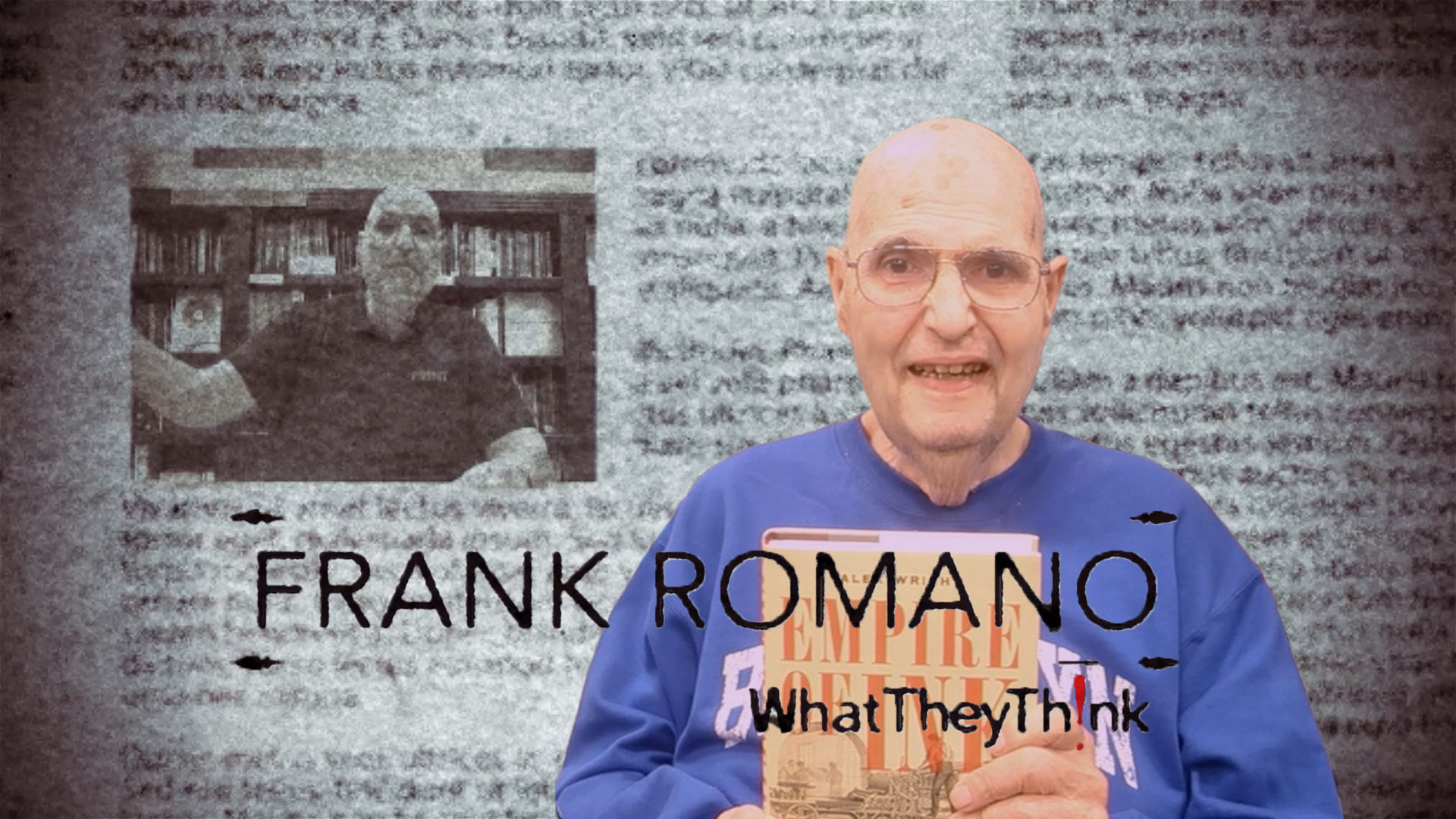
Last Thoughts On On Demand By Frank Romano April 20, 2007 -- The On Demand show has ended. Go in peace. They say that 25,000 people were there and I stopped counting at 12,000. But the memory lingers on and here are some musings on issues that may be of interest. 1. On Demand printing is not only about digital printing. The term has become a euphemism for digital but that is not true. The Presstek DI press was at the show as was the Screen TruePress and both produce plates on press and reduce makeready to 10 minutes or so. Newer offset presses with CTP can also get makeready down to 20 minutes or less. On demand printing means I get the printing when and where I want it. How it is produced is academic. They say that 25,000 people were there and I stopped counting at 12,000. Printing today is all about time. Print is the last domino that falls over in a process that begins with marketing goals and creative approaches and wends its way through production and proofing steps to the point at which a file is submitted to a printing company. If you do the arithmetic, the printing step is allotted the least amount of time. Thus, for jobs that are appropriate, digital printing, with a makeready of almost nothing, is applicable. This is why short run, quick turn jobs have pretty much moved to digital. 2. The myth of Web-To-Print. The message I was getting is that W2P is the panacea for the printing industry. I love the idea of web storefronts that allow customers to buy printing online but let us realize that Internet transfer of files is now routine. And many jobs do not lend themselves to a storefront; this is why most of the print bought on the web ends to be business cards, memo pads, presentation handouts, and simple brochures. We need a better term for linking originators and buyers over the Internet to printers. 3. Pre-pressless workflows. The dream of JDF is that a job is entered with sufficient macro data to run in what is called “lights out” mode. Now I hate to trash anyone’s dreams but we cannot get designers to make InDesign or Quark files that work correctly. Imagine what happens when their information is used to acquire paper and drive all processes automatically. Where this concept works is where there is a contract relationship with the customer. This means that the printer and the customer will wok together on defined projects over some span of time. Thus, the customer and printer establish standards, checks and balances, and procedures that work best for both of them. Print is the last domino that falls over in a process that begins with marketing goals and creative approaches and wends its way through production and proofing steps to the point at which a file is submitted to a printing company. But many jobs come in from strangers and he printer has no idea what problems lurk in the files provided. There will always be the need for someone to find and fix the typographic transgressions and image irregularities of files submitted for print. 4. Pressman to dataman. The press operator has long been among the elite of the printing workforce. But that is changing. The IT or MIS expert is now the key person. They are responsible for updating software, maintaining websites and networks, and dealing with databases. 5. The 24/7 global economy. Half the world is asleep at any moment. If you are, it means that our competitors are awake. At one time print was a local business; now it is global. We get more print from Canada and Mexico and the UK than we get from China. Well, maybe. Think of all the stuff made in China. It gets tags and labels and goes in a package and the packages go in a carton and the cartons go in a container and the containers go on ship. When customs checks it out, they count the stuff but not the tags and labels and packages and cartons. 6. There is more to documents than documents. Tags, labels, certain signage, and certain packaging are large and growing markets. Some of this was discussed, but we should expand our coverage of on demand printing to include all printed products. There is still the impression that printing is a single sheet of 8.5 x 11-inch paper. What do you think? Please send feedback to Frank by e-mailing him at [email protected] Video: See Frank deliver the keynote speech at the EDSF luncheon at On Demand Video: See Frank deliver the keynote speech at the EDSF luncheon at On Demand


Continue reading your article
with a WhatTheyThink membership.

WhatTheyThink Annual Membership

Less than $4/week.

Get unlimited access to in-depth commentary and analysis covering the latest trends, emerging technologies, operational strategies, and key events across every segment of today's printing industry.

Stay informed. Stay competitive. Stay ahead.
WhatTheyThink Day Pass

$5 for 24 hours

Unlimited access to all of WhatTheyThink. Get your Day Pass

Already a member?
Sign In

About WhatTheyThink

WhatTheyThink is the global printing industry's go-to information source with both print and digital offerings, including WhatTheyThink.com, WhatTheyThink Email Newsletters, and the WhatTheyThink magazine. Our mission is to inform, educate, and inspire the industry. We provide cogent news and analysis about trends, technologies, operations, and events in all the markets that comprise today's printing and sign industries including commercial, in-plant, mailing, finishing, sign, display, textile, industrial, finishing, labels, packaging, marketing technology, software and workflow.

Recent Articles from WhatTheyThink

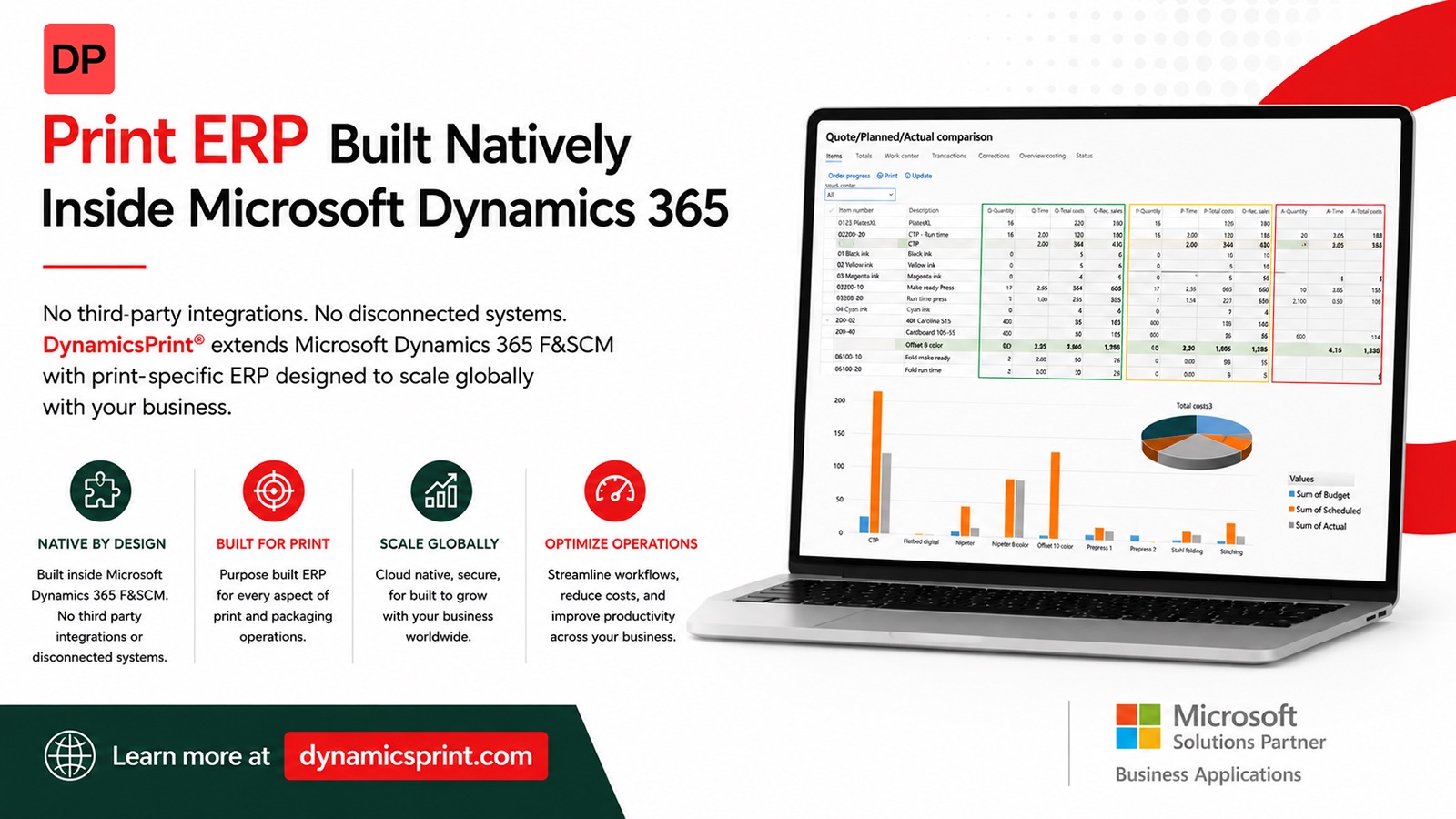
Print ERP Built Natively Inside Microsoft Dynamics 365

Print ERP Built Natively Inside Microsoft Dynamics 365

No third-party integrations. No disconnected systems. DynamicsPrint® extends Microsoft Dynamics 365 F&SCM with print-specific ERP designed to scale globally with your business. Read More
Around the Web: Of Moons and Mother Roads

Around the Web: Of Moons and Mother Roads

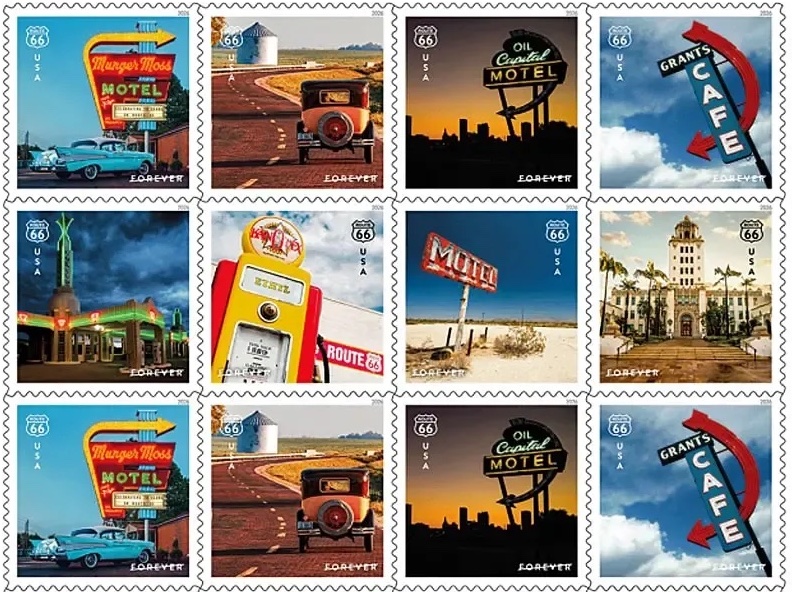
The 1835 “Moon Hoax” made ridiculous news stories credible. The USPS is issuing the 2026 Route 66 Centennial Stamp Collection. Highlights from the recent Sustainable Brands Conference. Researchers have created what might be the most accurate mathematical representation of color perception ever. When in North Dakota, visit the Theodore Roosevelt Presidential Library, which opens tomorrow, July 4. An Etsy gardening scam features AI-generated plant images and fake seeds.  Good grief: corneal tattooing is a thing. Graphene radar-absorbing coatings for defense use. If you missed Monday’s Strawberry Moon, more moons are coming. Answering the burning question: “do bug zappers still exist?” Turn any water bottle into a water vessel for dogs. Is there any advantage to “alkaline water”? Welcome to WhatTheyThink’s weekly miscellany. Read More
Graphic Arts Employment in May Up Overall—Substantially Among Non-Production

Graphic Arts Employment in May Up Overall—Substantially Among Non-Production

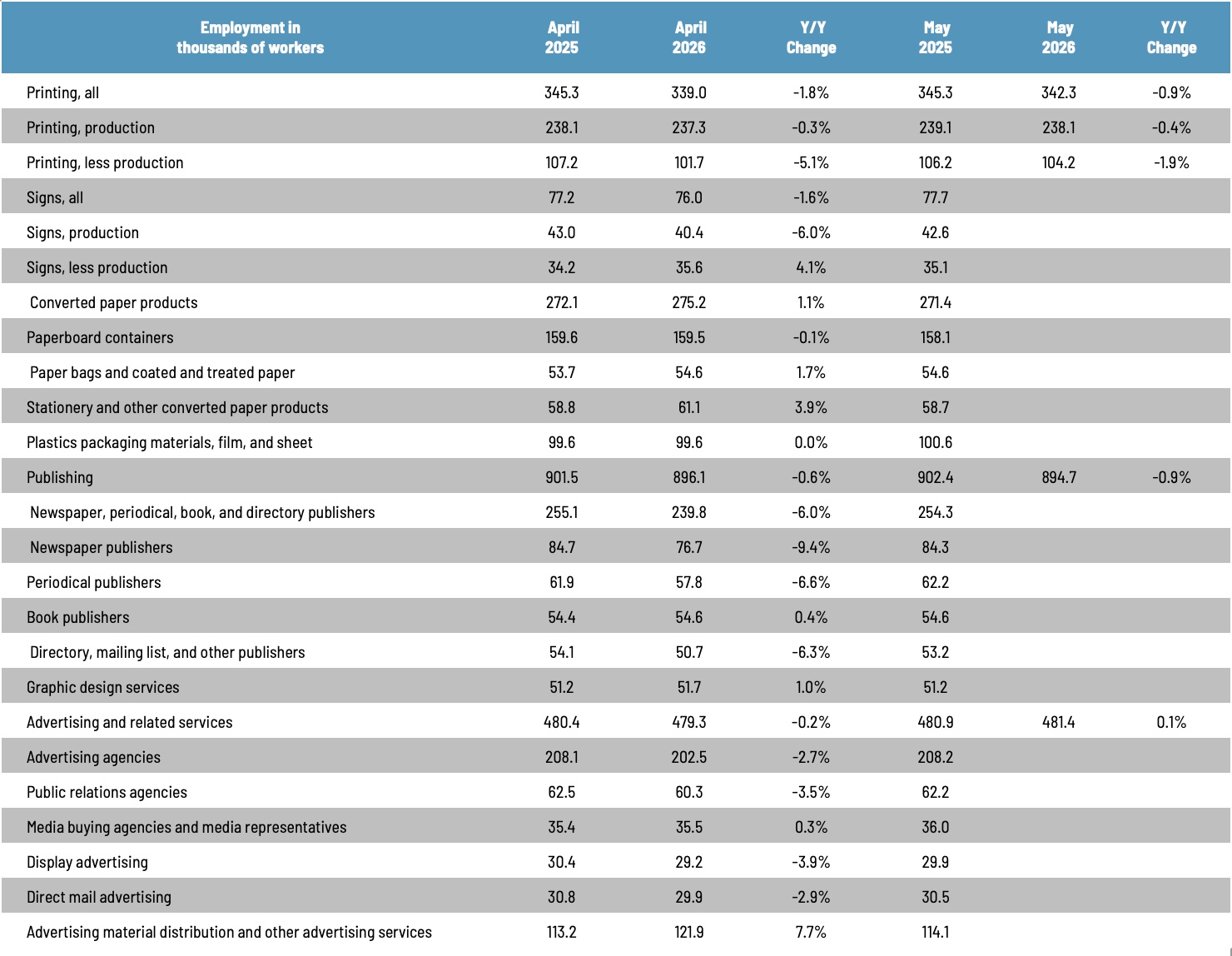
After a sluggish four months, the employment situation picked up in May, with overall printing industry employment up 1.0% from April, production employment up 0.3%, and non-production employment up 2.5%. Read More

Explore Mohawk's new paper options for all your digital printing needs

Explore Mohawk's new paper options for all your digital printing needs

Digital printing is the answer to the agility of modern work?ow. Mohawk Digital offers a diverse collection of fine and production papers for Inkjet, Dry Toner and HP Indigo presses. Read More

Around the Web: Of Botticelli and Beef

Around the Web: Of Botticelli and Beef

Newspaper Club has partnered with type foundry abcD8 to create a custom typeface inspired by the visual history of newspapers. MAD magazine has published its 600th issue. “Wordhord: Old English Word of the Day.” New evidence for the cause of death of the model for Botticelli’s “Birth of Venus.” Attending a Zoom meeting while on a roller coaster. Graphene-enabled PFAS-free firefighting foam. A jacket that can harvest moisture from the atmosphere. The iPhone’s Vehicle Motion Cues are surprisingly effective at reducing car sickness. An e-bike designed specifically to carry children. “Do fitness trackers still work if you have tattoos?” Rouser Lab’s “Earth’s black box” attempts to track humanity’s spiral into environmental destruction. “Beef tea” was a thing in the 19th century. Welcome to WhatTheyThink’s weekly miscellany. Read More