By Michael Cox, Konica Minolta Business Solutions USA, Director of Category Strategy – Packaging & Label
Digital Technology Addresses Workforce Challenges
The printing industry is currently facing a significant and persistent labor shortage, a shared challenge affecting every corner of the market. It impacts the largest, longstanding converter just as much as the print shop that opened its doors last week. Rather than framing this as a debate between digital and analog technologies, it’s a universal reality that requires thoughtful and strategic solutions.
Finding skilled operators continues to be a challenge in much of the market. Even as businesses transition more work to digital platforms, operator expertise continues to be a limiting factor. Many print business owners are actively trying to hire more production staff just to maintain current output or prevent efficiency losses.

Avoiding Unnecessary Complexity in Digital Printing
Digital printing naturally helps ease labor challenges because it introduces equipment that is fundamentally easier to learn and operate. The reduced learning curve for production staff remains one of the strongest advantages of modern digital printing technologies.
However, we’re seeing a trend in the digital market towards increasingly complex equipment. While highly advanced machines have their place, part of this complexity comes from efforts to make digital systems feel more familiar to flexo operators. In the pursuit of maximum efficiency, some manufacturers are adding features that risk moving digital technology away from its core advantages of simplicity and ease of use. This added complexity can make equipment harder to staff and requires higher levels of operator skill, often leading to longer setup times and more unexpected downtime.
A Balanced Approach: Technology Designed for Today’s Labor Market
What today’s print providers need is balance: technology that delivers high performance without demanding niche expertise. For example, digital label presses designed with automation and ease of use in mind can offer a strong balance for companies navigating labor constraints. Growth in digital printing is strongest when the equipment is easy to learn, easy to operate, and enhanced with automated quality control routines.
Achieving this balance means eliminating many of the persistent challenges associated with print production through integrated quality optimization, automatically managing color stability, registration, and calibration without requiring constant operator intervention. These digital controls are designed to reduce the level of specialized expertise required when compared to conventional analog systems.
This accessibility allows companies to rethink the way they hire. Instead of searching exclusively for master craftsmen who command premium wages, businesses can prioritize candidates who best fit their culture and workflow. This approach can lead to lower labor requirements, higher productivity, and reduced operational strain.
Building a Resilient, Digital Production Ecosystem
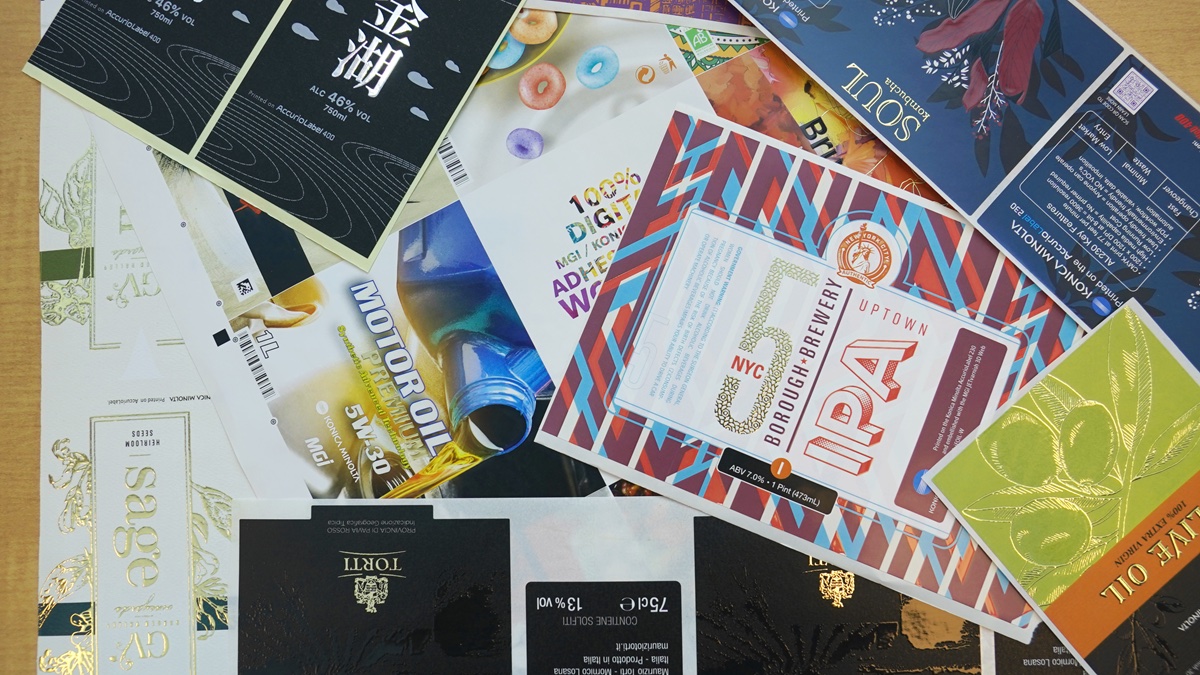
A standalone press is one part of the solution. A strong operation requires a complete and resilient production ecosystem. Combining a user-friendly digital press with capable finishing systems creates a powerful and flexible end-to-end workflow. Adding digital embellishment capabilities further enhances this environment by enabling high-value applications without significantly increasing labor demands.
Many modern embellishment systems now feature intuitive interfaces that allow operators of varying skill levels to perform sophisticated finishing tasks. Automated registration technologies can eliminate the majority of setup time traditionally spent on alignment adjustments, reducing operator dependency and minimizing make-ready waste. This reduces operator-related costs and minimizes make-ready waste.
Together, these technologies create a digital print shop that distributes workload effectively and avoids single points of failure. These advantages are especially important in a labor-constrained market. Solutions like those developed by leading digital print technology providers demonstrate how automation and usability can directly address workforce constraints. As labor constraints persist, print providers that invest in automation, intuitive equipment, and streamlined workflows will be better positioned to maintain productivity and adapt to future workforce challenges.