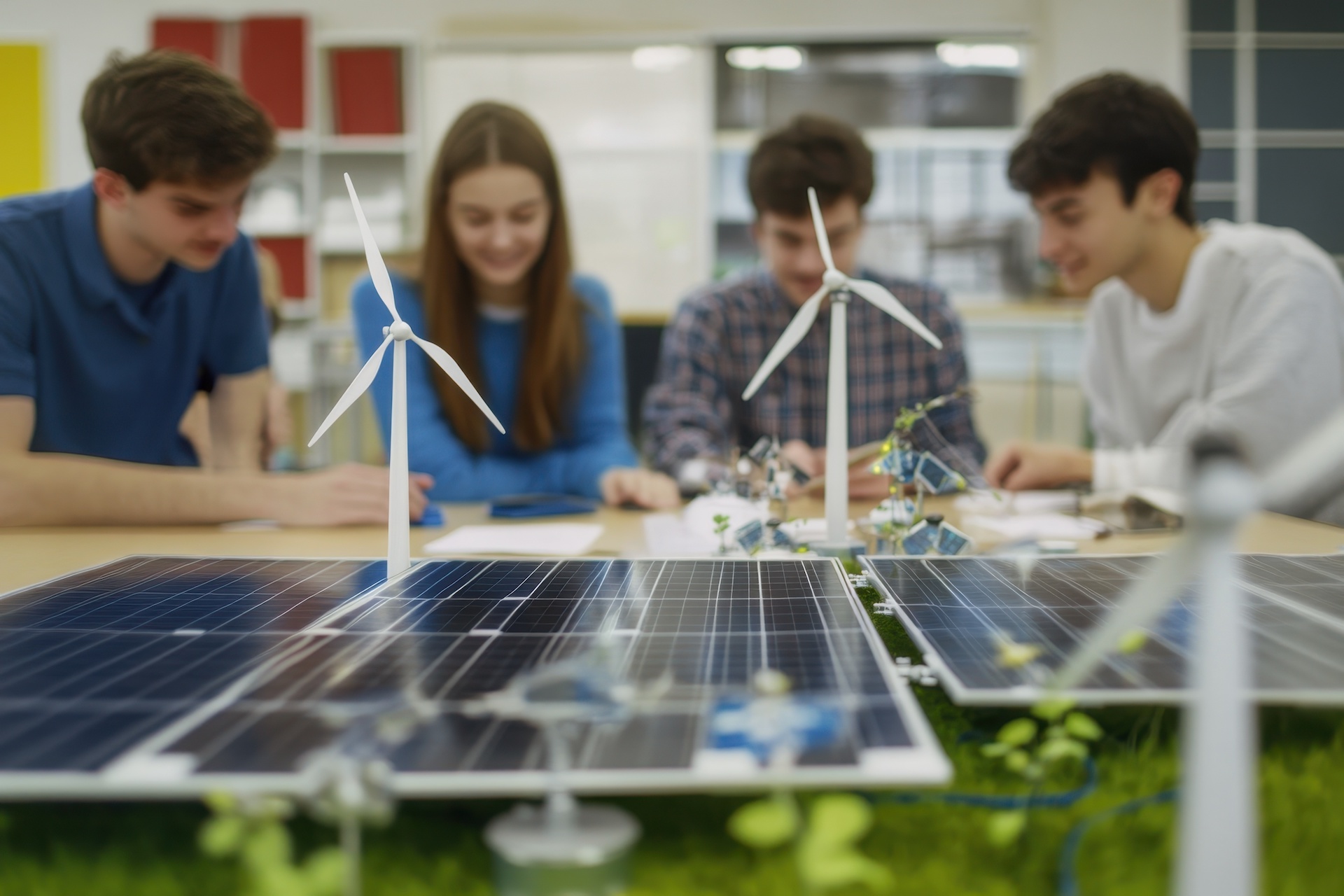
- Organizations must build “climate fluency” across departments so employees understand the role that they, their company, and their industry can play in helping the environment.
- Despite a heightened awareness about the environment and a desire to make a difference for our planet, many of those in Gen Z feel ill-equipped to enter the “green” workforce.
- The gap between passion and preparedness underscores the need for comprehensive educational and professional development initiatives.
By Lindsey Naples
Introduction
As companies race to meet increasingly ambitious sustainability goals, a new challenge is coming into focus: the “green” skills gap. According to LinkedIn’s 2024 Global Green Skills Report, the demand for eco-aware talent is far outpacing supply. From construction and energy to manufacturing and utilities, nearly every vertical industry is feeling the pressure to find workers who are equipped with the skills to support decarbonization, climate mitigation, and sustainable operations.
Here’s the catch: You can’t hire your way out of this. As LinkedIn’s experts point out, the solution lies in upskilling—developing the workforce we already have. This starts with building “climate fluency” across departments so employees understand the role that they, their company, and their industry play in climate action. Although the Gen Z individuals in the workforce are ready to be part of the solution, many feel unprepared to make a difference in today’s increasingly “green” economy.
They’re Willing…But Are They Ready?
Generation Z, which is typically identified as individuals born between 1997 and 2012, stands out as one of the most climate-conscious cohorts in history. A significant majority of these individuals express deep concerns about environmental issues, with many indicating that these worries influence major life decisions such as where to live and whether to have children.
Despite this heightened awareness about the environment and a desire to make a difference for our planet, many of those in Gen Z feel ill-equipped to enter today’s “green” workforce. According to the LinkedIn report mentioned above, 45% of Gen Z workers believe that they lack the necessary experience for eco-friendly jobs. What’s more, 40% feel they don’t possess the appropriate skills and only 25% have access to “green” skills training programs in the United States.?
This gap between passion and preparedness underscores the need for comprehensive educational and professional development initiatives. By integrating climate education across various disciplines and providing accessible training opportunities, employers can empower Gen Z to translate their environmental concerns into meaningful actions.
The Bottom Line
Environmental skills aren’t just for solar installers or sustainability officers anymore. They’re becoming essential across a wide range of roles, be it marketing, logistics, IT, or operations. Understanding how your work and business connects to broader climate goals is increasingly valuable. Whether it’s reducing emissions in supply chains or adopting energy-efficient technologies, everyone can play a part. So what does this mean? Businesses must invest in training, schools need to integrate climate education across disciplines, and policymakers must prioritize funding for “green” workforce development. If we want to turn climate goals into reality, we need to make these skills a priority at every level…and we need to start now!
Lindsey Naples is an Editing and Proofreading Specialist at Keypoint Intelligence. In this role, she is responsible for copyediting and formatting a variety of content, from blogs to white papers and everything in between, while also writing the occasional blog herself. She graduated with a BA Degree in Literature from Ramapo College of New Jersey in 2014.