Premium Commentary & Analysis
As concerns about the accelerating climate crisis grow around the globe, some governments are enacting regulations that are designed to improve sustainability. Most notably, the European Union is putting in place rules on packaging and packaging waste, including design and waste management. Cary Sherburne explains what it means for print and packaging.
Monday, April 08, 2024
Continue reading your article
with a WhatTheyThink membership.
Less than $4/week.
Get unlimited access to in-depth commentary and analysis covering the latest trends, emerging technologies, operational strategies, and key events across every segment of today's printing industry.
Stay informed. Stay competitive. Stay ahead.Cary Sherburne is a well-known author, journalist and marketing consultant whose practice is focused on marketing communications strategies for the printing and publishing industries.
Cary Sherburne is available for speaking engagements and consulting projects. To get more information contact us.
Please offer your feedback to Cary. She can be reached at [email protected].

10 Things PSPs Should Consider Before Adopting Robotics: What You Need to Know to Begin the Journey
Why Highly Targeted Communications Make Digital Print Essential to Modern Marketing
Wide Format in 2026: How Technology Is Reshaping Competitive Advantage

After 17 years with Fiery, culminating in his role as CEO, Toby Weiss is leaving the company to take on the role of CEO at Securonix, with the task of scaling the next era of AI-Powered security operations. In this interview. Toby shares some of his favorite experiences at Fiery as well as some of the challenges. While this move might seem unusual, Toby explains that he joined Fiery from the cybersecurity industry and is looking forward to get back into it, although he will miss Fiery and its people and customers, and our industry will certainly miss him! Read More

In a recent interview, Haley Haar, Owner/President of AlphaGraphics Kansas City, explained how she brought the Kansas City center from about $450,000 in annual revenues to nearly $2 million through strategic planning and a deep understanding of customer needs and requirements. Read More
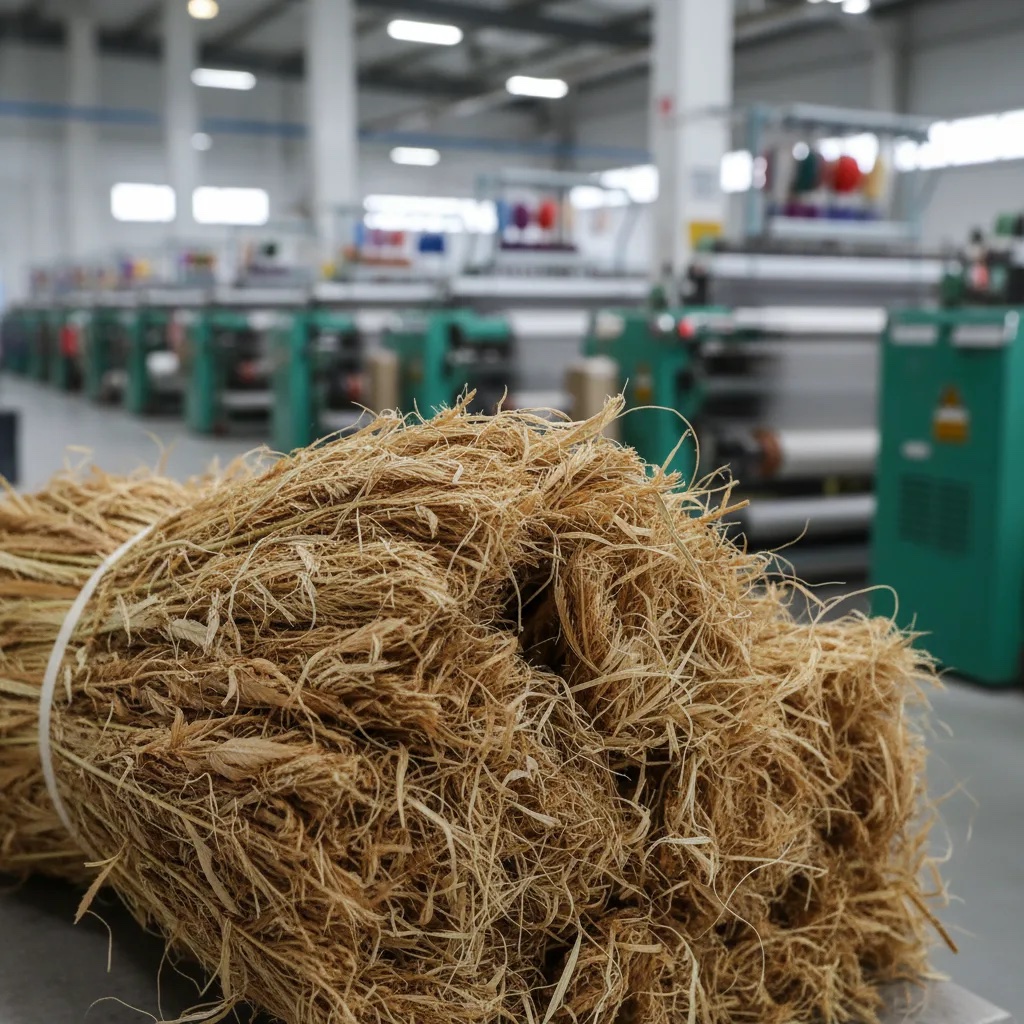
While the U.S. domestic textile industry is struggling to grow, the U.S. farming industry could play an important role in making textiles more sustainable with arrangements such as the recently announced deal for Panda Biotech to provide U.S. grown hemp fibers to the Indian textile market. Read More

When Haley Haar took over AlphaGraphics in Kansas City, the business generated about $600,000 annually. Today, she has led the company in a growth path approaching $2 million in annual revenues through careful strategic planning and a deep understanding of customer needs and requirements. Read More

So supposedly, a goal of U.S. tariffs on products imported from other countries, including textiles, apparel, and footwear, was to incentivize bringing manufacturing back to the States. Of course, setting up a new factory takes time and money; it doesn’t happen overnight. But it seems that producers had other ideas…the results may surprise you. Read More