WhatTheyThink

Premium Commentary & Analysis

First COP28, Now Davos

You are probably hearing a great deal about Davos in the media these days. This follows last year’s COP28 session, another gathering of world leaders and influencers discussing topics critical to pretty much everyone on the planet. In this article, we explain what “Davos” is and why it’s important. Full Disclosure: Google Bard helped me write this article.

Monday, January 15, 2024

In case you haven’t been following it, Davos, Switzerland, is where the World Economic Forum holds its annual meeting. Delegates from many sectors converge for several days of talks and meetings in early January (15-19 this year) to address urgent global issues. According to McKinsey & Company, who you can bet will have representation there, “In 2024, the annual meeting will be centered on rebuilding trust in an environment of rapid transformation. We are living in a time of increasing geopolitical polycrisis, new economic policies shaped by the climate crisis, and rapid advancement of technologies such as artificial intelligence. Responding to such profound forces of change requires building trust on three levels: in our future, within societies, and among nations. Delegates of Davos 2024 will explore themes including reforming multilateral approaches, leveraging AI for the benefit of all members of society, upholding the momentum from COP28, and maintaining an open trade system.”

With some 2,500 delegates (denoted by their white badges and there by invitation) as well as many others attending, Davos has often been described as “business speed dating on steroids.” Of course, the presentations are important, but there is a significant amount of networking that gets done during the event. If you are interested in tracking the agenda, you can search on social media for #davosagenda.

In many ways, Davos might seem like an elite martini club; and perhaps in many ways, it is. But there is also substantial value in bringing together world leaders and thought leaders for face-to-face networking. Davos annually brings together a powerful mix of political and business leaders, heads of state, CEOs, academics, and NGOs from around the world. This unique platform fosters dialogue, collaboration, and knowledge sharing on pressing global issues like climate change, economic inequality, and technological advancements. You’ll note that while it is a unique platform, many of the attendees and issues are the same ones discussed at COP28 and other symposiums taking place around the globe. Like many of these events, some argue that the forum focuses too much on talk and not enough on action, with proposals and initiatives often lacking clear implementation plans and measurable outcomes. We saw gradual improvement over the past few years at COP in that regard. But there is always the possibility that some significant, concrete, economic deals and partnerships could be formed at Davos that could inject investment into crucial sectors, drive innovation, and shape the global economic landscape. It seems to me as an outsider that this is more likely to result from work being done at Davos than the COP symposiums, if history is any measure.


Continue reading your article
with a WhatTheyThink membership.

WhatTheyThink Annual Membership

Less than $4/week.

Get unlimited access to in-depth commentary and analysis covering the latest trends, emerging technologies, operational strategies, and key events across every segment of today's printing industry.

Stay informed. Stay competitive. Stay ahead.
WhatTheyThink Day Pass

$5 for 24 hours

Unlimited access to all of WhatTheyThink. Get your Day Pass

Already a member?
Sign In

About Cary Sherburne

Cary Sherburne is a well-known author, journalist and marketing consultant whose practice is focused on marketing communications strategies for the printing and publishing industries.

Cary Sherburne is available for speaking engagements and consulting projects. To get more information contact us.

Please offer your feedback to Cary. She can be reached at [email protected].

Recent Articles from Cary Sherburne

Toby Weiss Leaving Fiery After 17 years

Toby Weiss Leaving Fiery After 17 years

After 17 years with Fiery, culminating in his role as CEO, Toby Weiss is leaving the company to take on the role of CEO at Securonix, with the task of scaling the next era of AI-Powered security operations. In this interview. Toby shares some of his favorite experiences at Fiery as well as some of the challenges. While this move might seem unusual, Toby explains that he joined Fiery from the cybersecurity industry and is looking forward to get back into it, although he will miss Fiery and its people and customers, and our industry will certainly miss him! Read More

Haley Haar’s Strategic Vision Results in Business Growth

Haley Haar’s Strategic Vision Results in Business Growth

In a recent interview, Haley Haar, Owner/President of AlphaGraphics Kansas City, explained how she brought the Kansas City center from about $450,000 in annual revenues to nearly $2 million through strategic planning and a deep understanding of customer needs and requirements. Read More
U.S. Hemp Goes International

U.S. Hemp Goes International

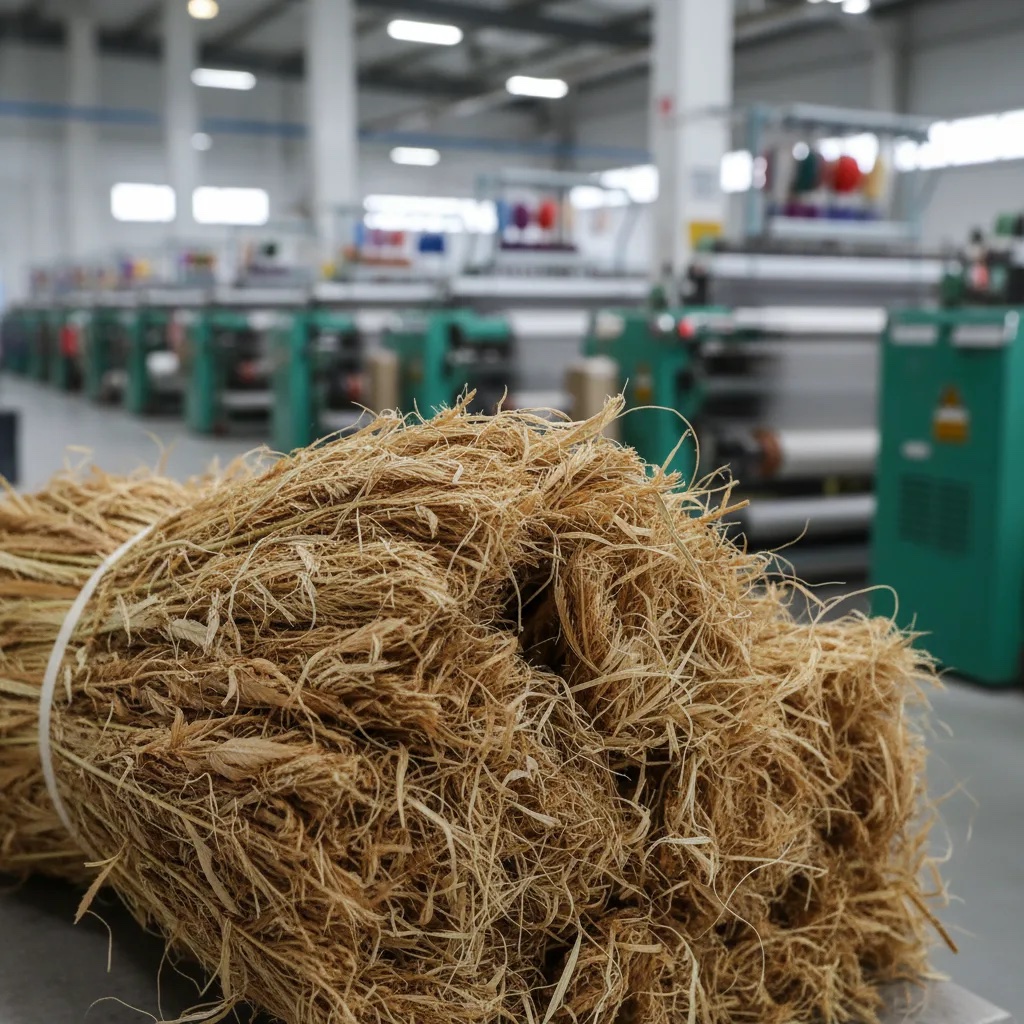
While the U.S. domestic textile industry is struggling to grow, the U.S. farming industry could play an important role in making textiles more sustainable with arrangements such as the recently announced deal for Panda Biotech to provide U.S. grown hemp fibers to the Indian textile market. Read More

Strategic Planning Spurs Growth at AlphaGraphics Kansas City

Strategic Planning Spurs Growth at AlphaGraphics Kansas City

When Haley Haar took over AlphaGraphics in Kansas City, the business generated about $600,000 annually. Today, she has led the company in a growth path approaching $2 million in annual revenues through careful strategic planning and a deep understanding of customer needs and requirements. Read More

Tariffs and Textiles: Will They Help Bring Back U.S. textile Manufacturing?

Tariffs and Textiles: Will They Help Bring Back U.S. textile Manufacturing?

So supposedly, a goal of U.S. tariffs on products imported from other countries, including textiles, apparel, and footwear, was to incentivize bringing manufacturing back to the States. Of course, setting up a new factory takes time and money; it doesn’t happen overnight. But it seems that producers had other ideas…the results may surprise you. Read More