Premium Commentary & Analysis
There is a growing increase in orders for short-run on-demand packaging to satisfy shifting consumer purchasing requirements and operate at the “speed of retail.” However, while there are opportunities, there are many complexities not seen in commercial print that require a level of expertise not necessarily found in the producers’ kitchen, basement, or garage.
Tuesday, July 19, 2022
Continue reading your article
with a WhatTheyThink membership.
Less than $4/week.
Get unlimited access to in-depth commentary and analysis covering the latest trends, emerging technologies, operational strategies, and key events across every segment of today's printing industry.
Stay informed. Stay competitive. Stay ahead.David Zwang travels around the globe helping companies increase their productivity, margins and market reach. He specializes in production optimization, strategic business planning, market analysis, and related services to companies in the vertical media communications market. Clients have included printers, manufacturers, retailers, publishers, premedia and US Government agencies. He can be reached at [email protected].

10 Things PSPs Should Consider Before Adopting Robotics: What You Need to Know to Begin the Journey
Why Highly Targeted Communications Make Digital Print Essential to Modern Marketing
Wide Format in 2026: How Technology Is Reshaping Competitive Advantage
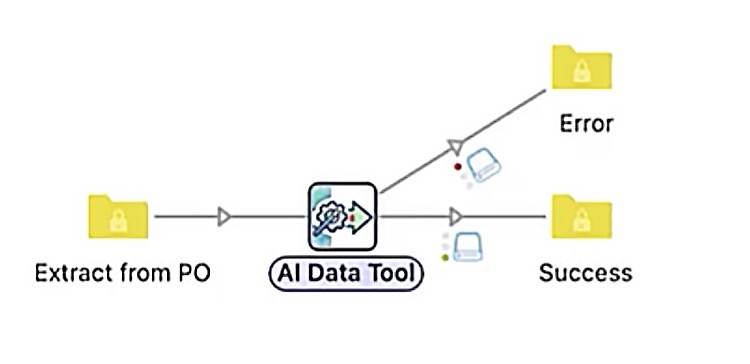
The print and packaging industry has been using IA (intelligent automation) in the form of pipeline automation for decades. Now there is a way to integrate a new AI tool with Enfocus Switch to bridge AI with IA. Read More
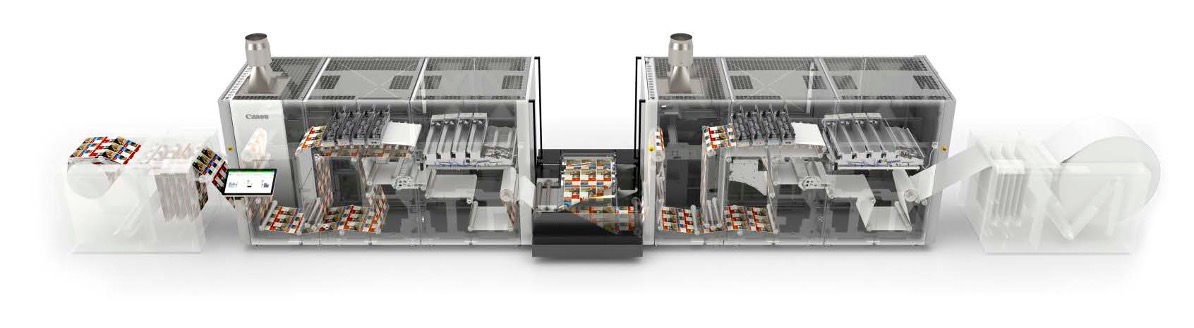
With more than 2,000 ColorStream units delivered worldwide, Canon has introduced the new 7000 series for mid-range production. To say that Canon has been broadening their portfolio of production printers is probably an understatement. There are new developments in the ProStream platform and the new iV7 B2+ cut sheet press is about to hit the street. Read More
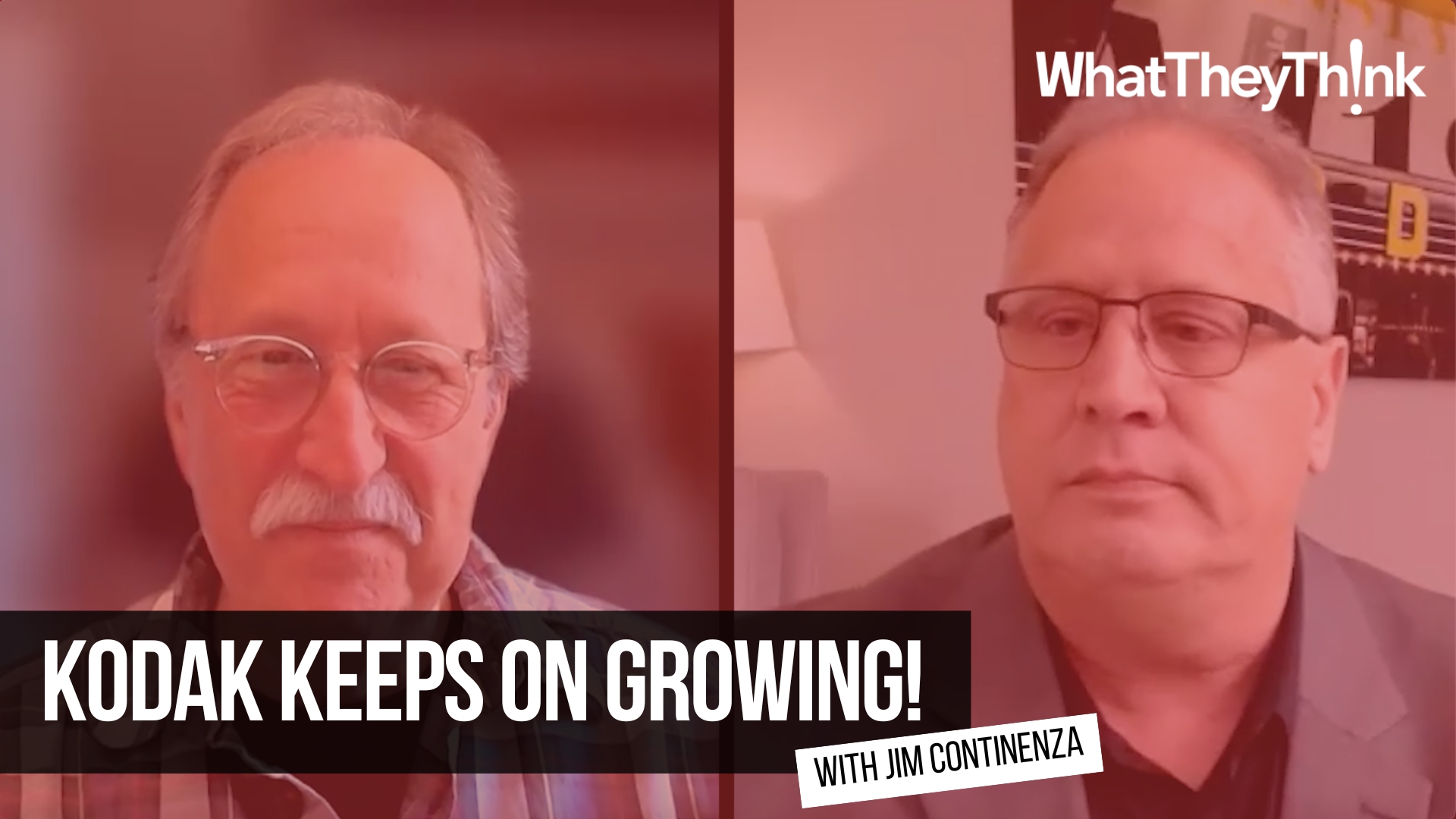
Coming out of three consecutive quarters of year-over-year growth, Kodak has been delivering on their promise to rebuild and transform the company. In this Business Update video, David Zwang talks with Jim Continenza, Eastman Kodak Chairman and CEO. Read More

The ultimate goal of dappas is to help facilitate design and eliminate the entire prepress production, so all the converters who are working with them get a stream of work that is ready to go to press and converting. Read More
You can think of this very competitive connected supply chain landscape in four layers: material suppliers, label converters/printers, hardware OEMs, and software/platform players. The connected supply chain has changed from moving things hand-to-hand or through email to more full-featured automated systems. The good news is that, as a converter, after you decide where you would like to start, there are so many options for you to select from. Read More