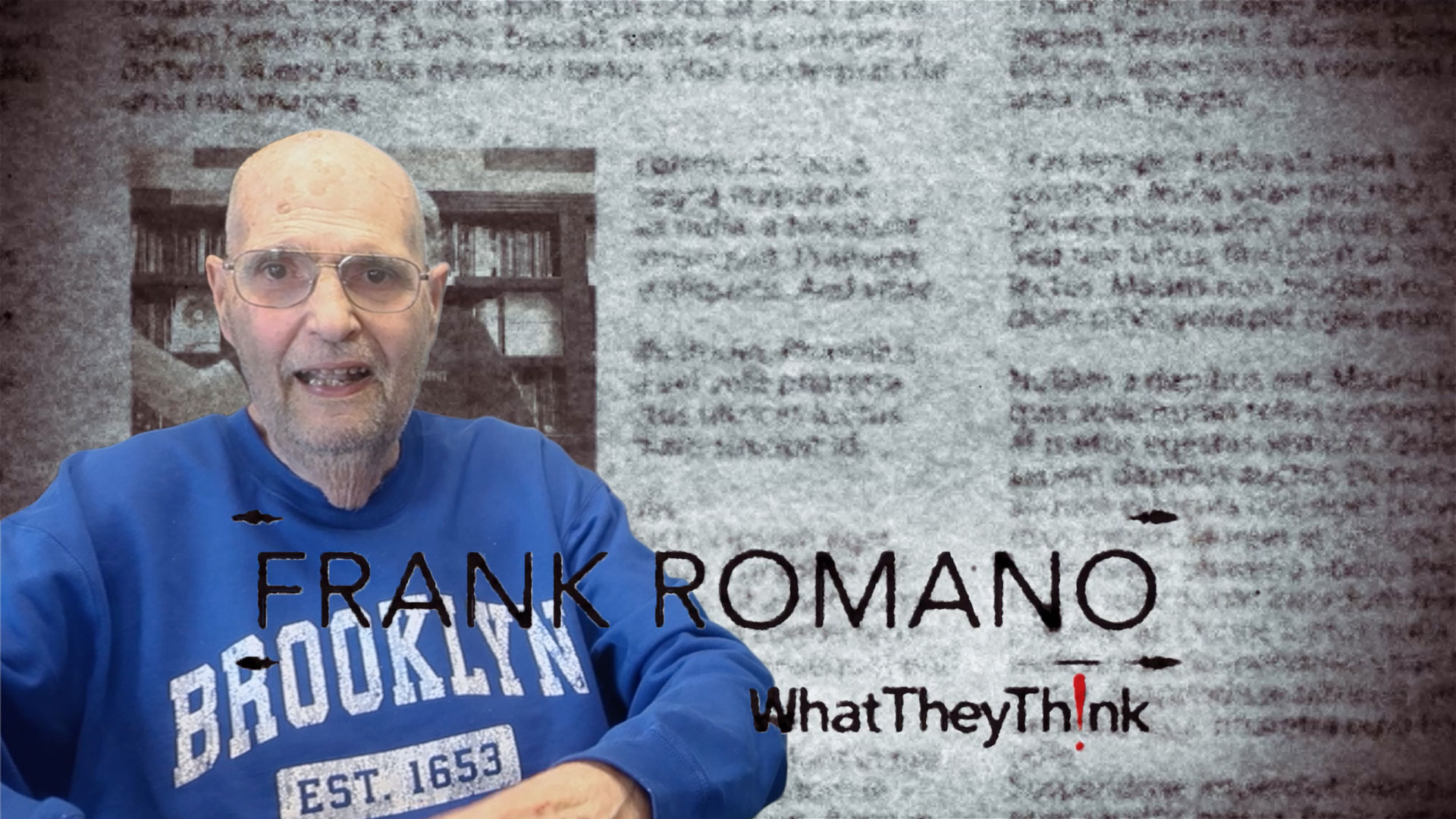
As most of our readers will know, Frank Romano has a long and storied history in the printing industry. What you might not know is that it was sheer serendipity that he began this journey after graduating from high school in 1959. He said, “I went to my guidance counselor at Madison High School in Brooklyn and told him I needed a job. He said, ‘This company, Mergenthaler, is looking for people.’ I asked what they did, and he said something to do with books. That sounded interesting, and now here I am!” Interestingly, the other job option that the counselor had offered was with Squibb Pharmaceutical, which would have led to a completely different life path for some of us.
Fun Fact: Frank was on his high school track team with Bernie Sanders!
Although the Mergenthaler job was the one that started him down the printing path, his first job was actually delivering furniture. He met his wife-to-be delivering furniture to her mother. He went to Brooklyn College, and he also served in the Navy for a time.
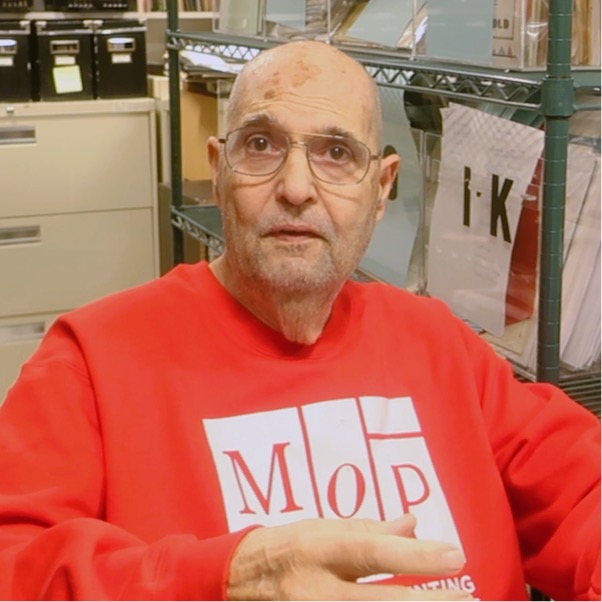
When Frank joined the company, he delivered the mail to the President; by the time he left, he was writing his speeches. He added, “I learned about type and print and everything else, and that became my career.”
And what a career it has been. After starting a regular newsletter for users of the Mergenthaler Variable Input Phototypesetter (V-I-P)—called VIPPY—he went on to found eight publications, serving as publisher or editor (and early on, his 10-year-old son did the typesetting and manual paste-up) for TypeWorld/Electronic Publishing (which ended in its 30th year of publication), Computer Artist, Color Publishing, The Typographer, EP&P, and the NCPA and PrintRIT Journals. He founded the Digital Printing Report and was the editor of the EDSF Report. He also owned and operated a quick print shop in Salem, N.H., called AllPrint, for a brief period in the 1980s.
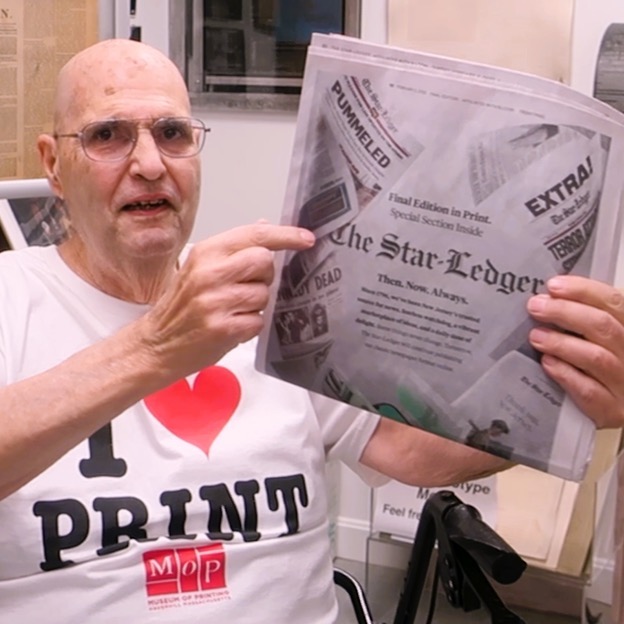
As if that’s not enough, he has published 85 books including the 10,000-term GATF Encyclopedia of Graphic Communications (with Richard Romano), published in 1998, the standard reference in the field (according to the American Library Association). His books on QuarkXPress, Adobe InDesign, and PDF workflow were the first in their fields. He has authored most of the books on digital printing. One of his books is the 800-page graphic arts textbook for Moscow State University. Perhaps his best-known publication was the International Paper Pocket Pal, which he edited for 35 years.
 His 500-page History of Desktop Publishing (Oak Knoll) joins History of the Phototypesetting Era (Cal Poly), History of the Linotype Company (RIT Press), and History of the Ludlow Typograph (MoP). Coming this fall is his 85th book, a 500-page tome entitled History of the Typesetting Service.
His articles, numbering in the thousands, have appeared in a variety of publications around the globe, including here at WhatTheyThink. You may also be familiar with his informative videos we publish every Friday, always including an interesting historical gem.
Frank joined the Rochester Institute of Technology in 1990 and was appointed to the Melbert Cary Professorship, and advanced to Director of the School of Print Media. He was tenured in 1998 and was awarded Emeritus status in 2010. He also taught courses at Cal Poly, where students would produce a unique printed book as part of the course.
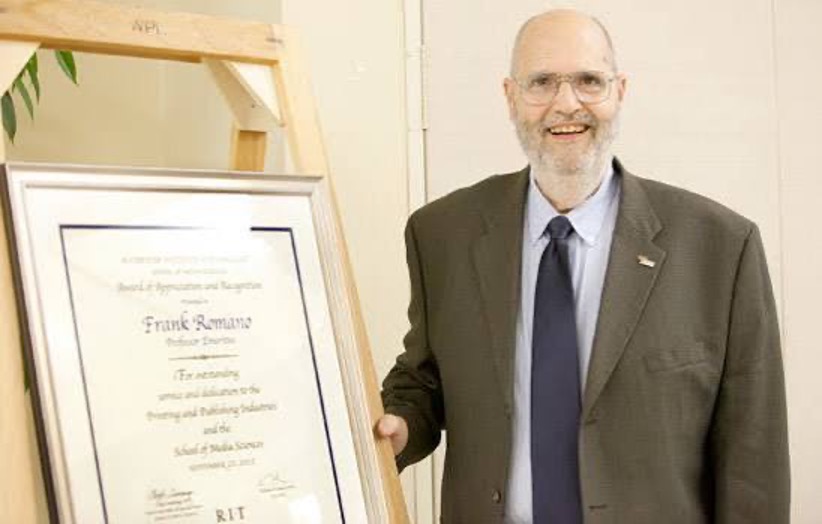
He’s also proud of the fact that he has provided thousands of scholarships over the years to students pursuing a degree printing, always anonymously.
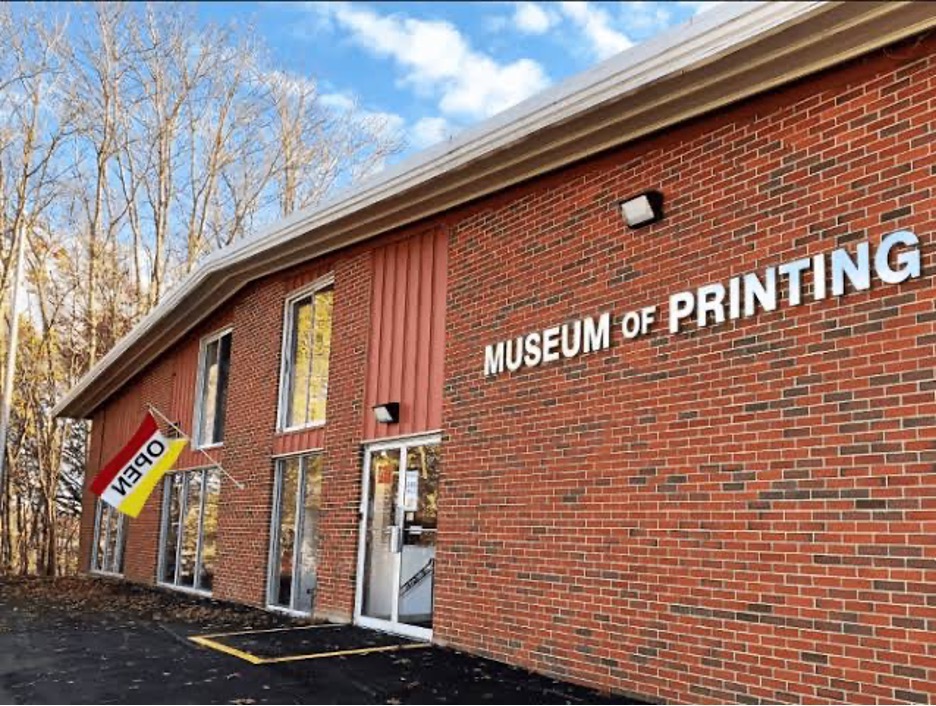
Perhaps one of his biggest achievements, a true legacy, was co-founding The Museum of Printing, where his 11,000-book library resides, along with a world-class collection of presses, type, ephemera, prints, and thousands of books and other exhibits, many of which Frank has acquired and then donated to the Museum.
Some of these collections are quite unique. For example, the Museum has the only collection in the world of Type Specimen Books. Back in the day, both manufacturers of fonts and the printers that used them would create specimen books to use with their customers and to define type specifications. Frank states that as typesetting firms became a thing of the past, no one seemed to want to save these specimen books, but he felt they were valuable and should be protected.
A major donation from Frank was the current building housing the Museum. He states, “We were located in North Andover, and the North Andover Historical Society, which owned the building, was charging a very low rent. Years went by, and a new Board of Directors took over and wanted to double our rent. So we had to make a decision: do we stay in business? What do we do? And I said, no, if we find the right building, I'll buy it and donate it. And so John Rogers, God bless him, was on our board for many years. He was a contractor who did very high-end developments. He found our current building and determined it met all of our needs. It could take the floor weight of heavy equipment, it had a loading dock, et cetera. So I bought it and donated it to the museum.”
Frank has also been an expert witness in some interesting cases relative to typography. Two of note involved Presidents of the United States! In one case, there was a dispute over a letter involving President George W. Bush’s military history. By analyzing the type, Frank was able to determine that the letter was not original, but rather, created after the fact. The other Presidential engagement had to do with President Jimmy Carter and the President’s Daily Briefing (PDB). President Carter didn’t like the typeface that was being used, so the National Security Agency hired Frank to choose a different font. He got them into a new phototypesetting machine and recommended a Times Roman font, which the President found acceptable. He was also an expert witness in a plagiarism case brought against J.K. Rowling, which he disproved by demonstrating that the typeface used was newer than the first Harry Potter book.
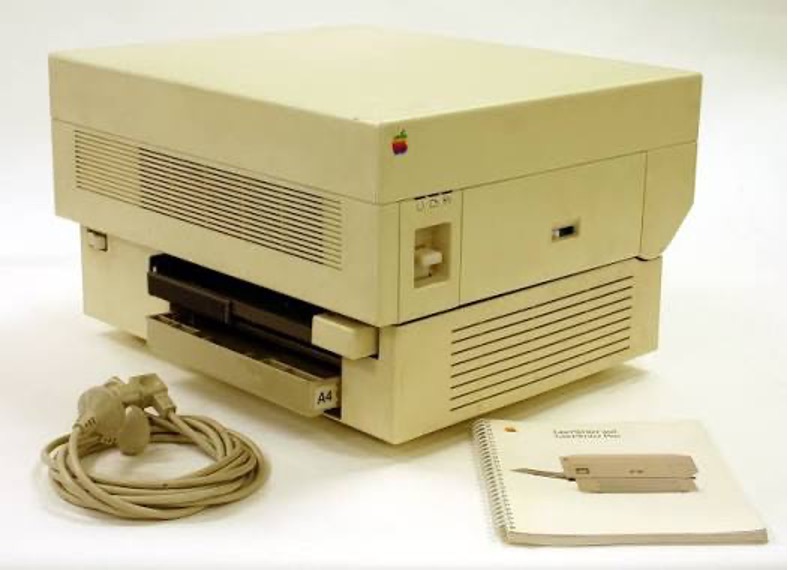
Another interesting engagement came about in March of 1984. Steve Jobs was working on what would become the LaserWriter, sold by Apple from 1985 to 1988. The printer would include PostScript, but the memory would only hold 13 fonts. Frank received a call from Steve Jobs to help determine which 13 fonts to use. Working with people from Adobe, Linotype, and others, they determined the initial set would include four Times Roman fonts, four Helveticas, and the symbol font. According to Frank, that became the set of fonts that everyone used back in the day. The museum has one of the original LaserWriters in its collection.
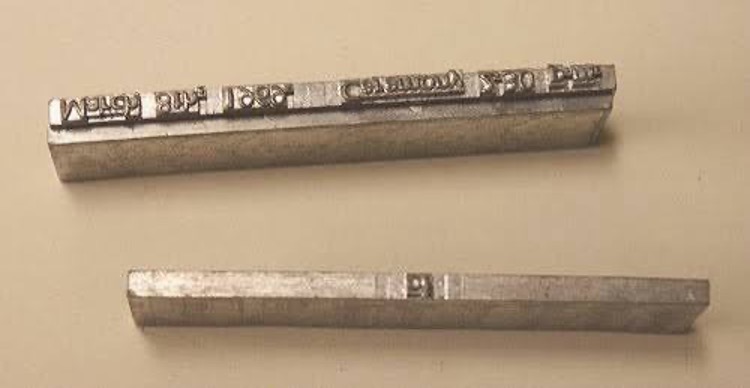
Speaking of Linotype, the museum has one of the only remaining operational Linotype hot metal typesetters in the world. Volunteer Chris Bradford demonstrates this machine every Saturday (the Museum is open Saturdays, 10 AM to 4 PM). Visitors love having their names set in hot metal, a nice takeaway for them. And other demonstrators at the museum can use these “slugs” to print custom pieces.
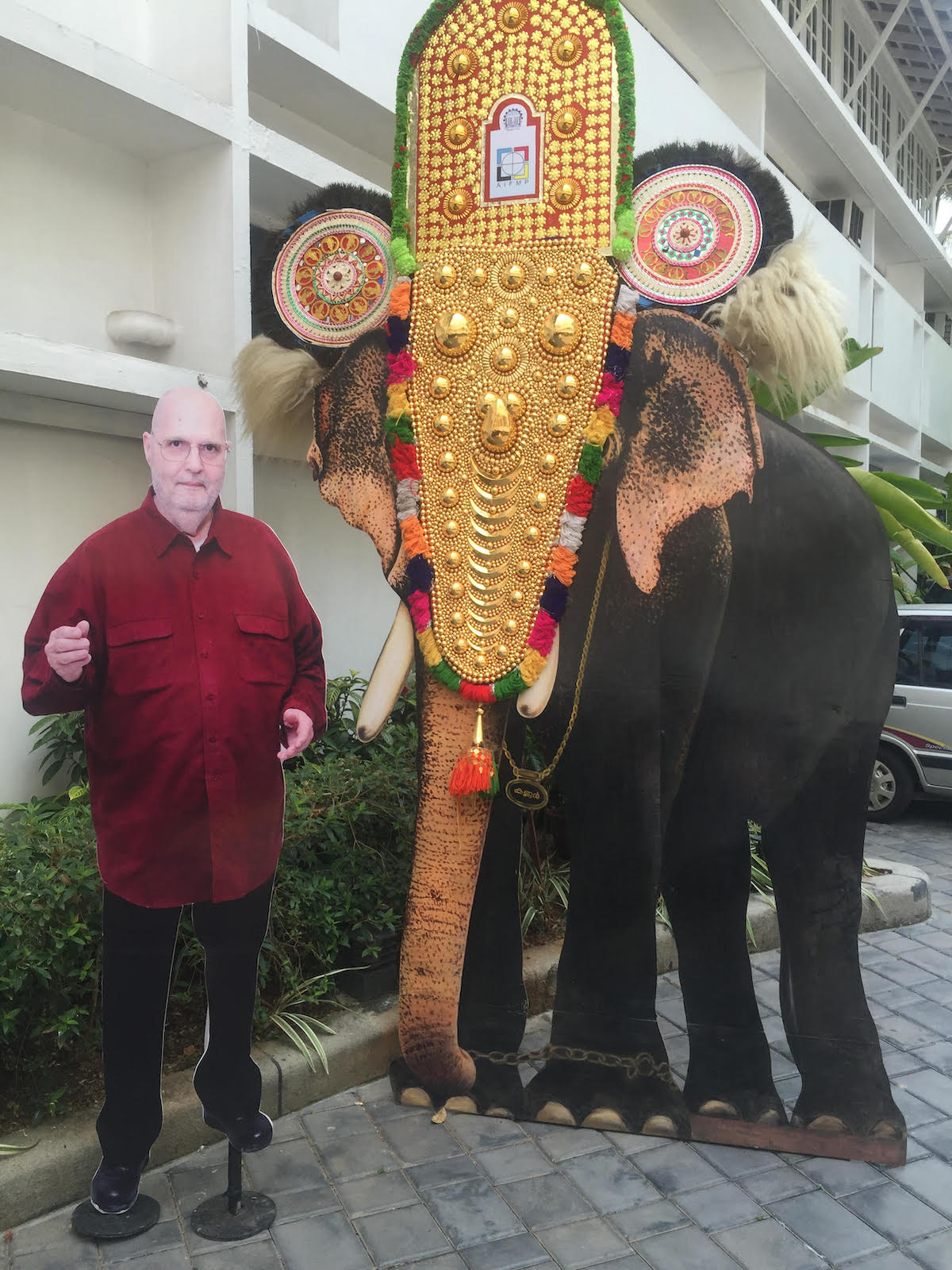
Frank has also lectured extensively, having addressed virtually every U.S. club, association, group, and professional organization in the printing industry at one time or another. He has presented to groups in North America, South America, Europe, India, Vietnam, Thailand, Australia, New Zealand, Dubai, Singapore, and Sri Lanka.
To help Frank celebrate his 85th birthday, he and the Museum would be delighted if our members would consider joining the Museum as a member, visiting on a Saturday or by appointment, taking advantage of one of its many workshops, and, of course, donating to the Museum’s Future Fund, which has been set up to preserve the Museum—Frank’s legacy—and help it transition into an exciting new future.