On any given day, millions of consumers walk into supermarkets, pharmacies, and retail stores, making split-second decisions that brands spend years trying to influence. They pause, reach, compare, and ultimately choose. What drives that moment is rarely rational. It is visual. It is tactile. And increasingly, it is embellished.
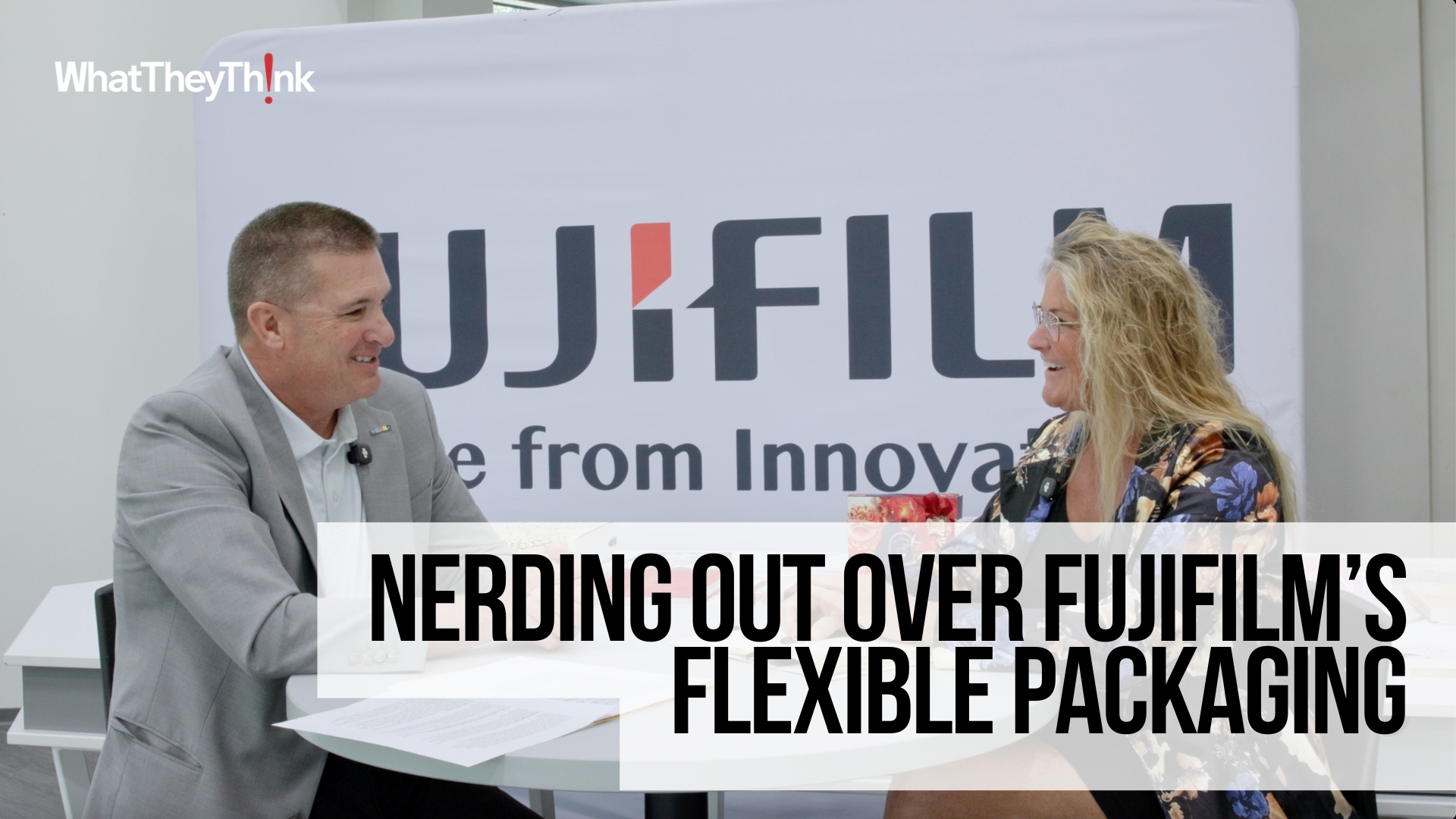
In a recent episode of The Digital Embellishment Show, I sat down with Marika Knorr of CCL Label to unpack what is quietly becoming one of the most influential forces in packaging today. What emerged from the conversation was not just a discussion about printing techniques or decorative effects. It was a deeper look at how embellishment is reshaping the way brands compete, communicate, and convert at the shelf.
From Luxury Signal to Mainstream Strategy
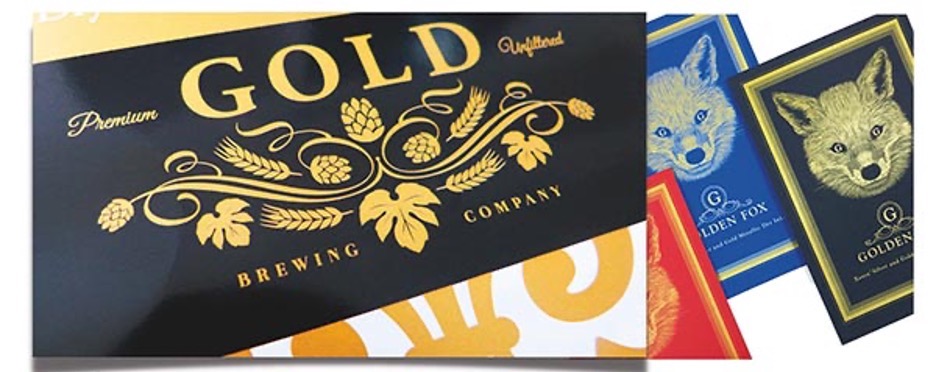
For years, embellishment lived comfortably in the world of luxury. High-end wine and spirits, premium cosmetics, and specialty goods used foil, varnish, and tactile effects as signals of quality and exclusivity. Gold accents, holographic finishes, and raised textures were not just decorative. They were cues that justified higher price points and reinforced brand positioning.
That reality still holds true, but it is no longer the full picture.
“What we are seeing now,” Knorr explained, “is embellishment moving into more mainstream categories like food and beverage.”
This shift is not accidental. As competition intensifies across consumer packaged goods, brands are realizing that standing out is no longer optional. Even in categories once defined by simplicity, the pressure to differentiate is pushing embellishment into everyday products.
The implication is significant. What was once a premium differentiator is quickly becoming a baseline expectation in certain segments. Brands that fail to adapt risk blending into a sea of sameness.
The Psychology of “Pop”
At its core, embellishment is about attention. It is about interrupting the consumer’s autopilot and creating a moment of pause.
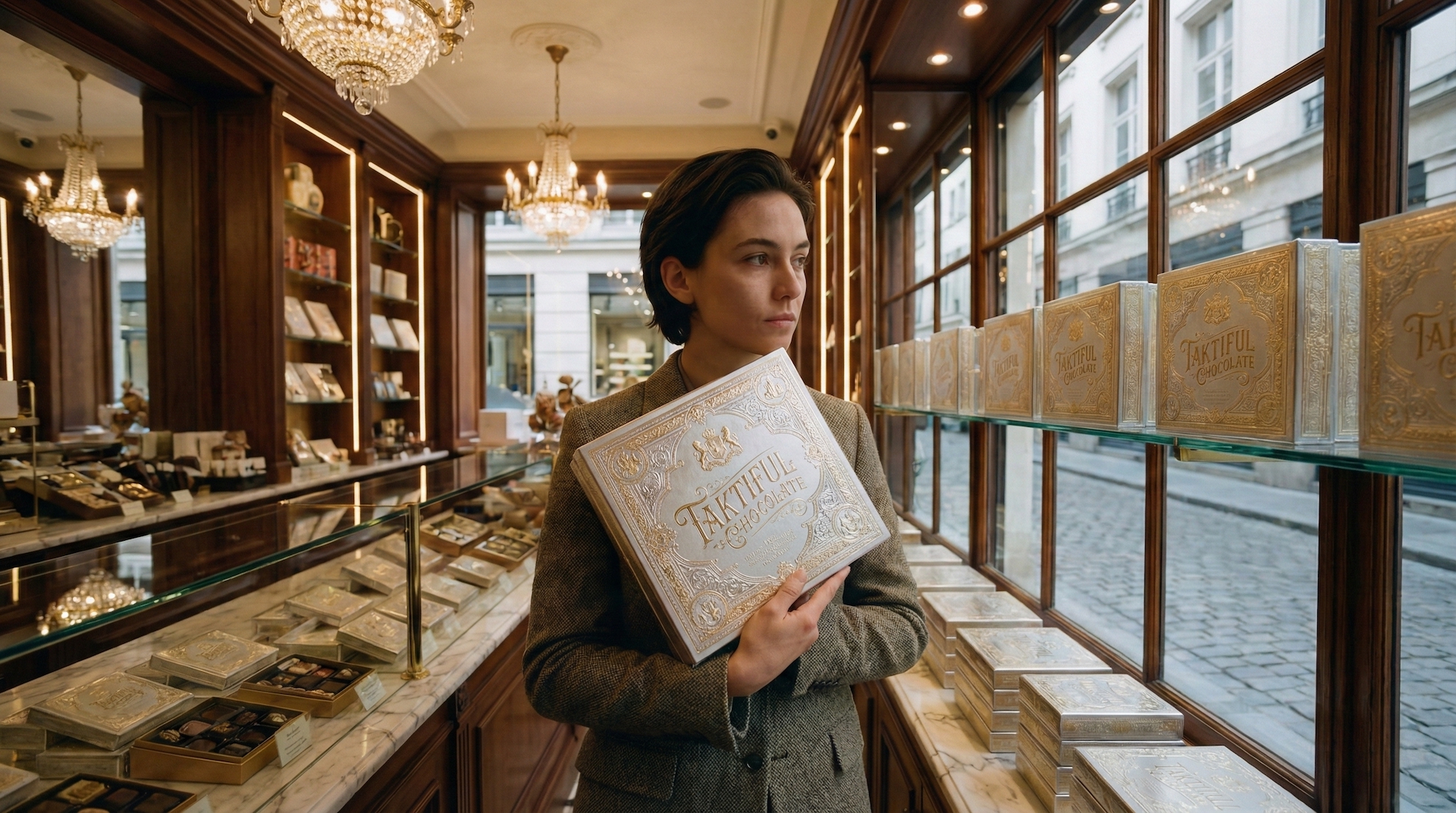
Knorr distilled this simply but effectively. Embellishments help products “pop on the shelf” and provide a sense of luxury, even when the product itself may not sit in a traditional luxury category.
This is not just marketing language. It is rooted in human psychology.
Consumers are wired to respond to visual contrast, light reflection, and tactile variation. Shiny surfaces catch the eye. Raised textures invite touch. Soft-touch coatings create a sensory connection that flat print simply cannot replicate.
Knorr even referenced a more primal explanation, noting that attraction to shiny objects traces back to instinctual human behavior.
In an environment where dozens of products compete within a single visual frame, these subtle enhancements can be the difference between being seen and being ignored.
The Conversation Gap: From Idea to Execution
One of the more revealing aspects of the discussion centered on how embellishment decisions are actually made.
Contrary to what many might assume, there is no single path. Sometimes brands come in with a clear vision. Other times, agencies drive the creative direction. In many cases, especially with smaller brands, converters like CCL take on a consultative role, helping shape the final outcome.
“It usually starts with an idea,” Knorr said, describing how a flat, two-dimensional concept evolves into a fully realized embellished label.
That transformation is not trivial. Embellishment is notoriously difficult to communicate through words or even traditional proofs. It is experiential. It needs to be seen, touched, and understood in context.
This is why mock-ups and prototypes play such a critical role. They bridge the gap between concept and confidence, allowing brands to evaluate not just aesthetics, but impact.
It also highlights a broader challenge in the industry. Selling embellishment is not about specifications. It is about storytelling and visualization. Without the ability to demonstrate the effect, much of its value remains abstract.
The Cost Myth and the Reality of Value
Few topics generate more resistance than cost. The perception that embellishments are expensive continues to be one of the biggest barriers to adoption.
Knorr approached this from a systems perspective.
“The label or sleeve is just one component of the total packaging cost,” she explained, emphasizing that it is often a relatively small portion compared to the primary packaging itself.
This reframing is critical. When viewed in isolation, embellishments may appear as an added expense. When viewed in context, they become a strategic investment in differentiation and shelf performance.
Technology is also shifting the equation.
Digital printing is lowering the barrier to entry, enabling brands to achieve high-impact effects without the traditional costs associated with analog processes. Techniques that once required specialized equipment and long runs can now be executed more flexibly and cost-effectively.
This does not eliminate the cost conversation, but it changes it. The question is no longer simply “How much does it cost?” but rather “What is the return on that investment?”
Launch, Learn, and Scale Back
One of the more nuanced strategies discussed in the conversation was how brands use embellishment over time.
There is a common pattern. Brands often launch new products with heavy embellishment to drive initial trial and awareness. Once the product gains traction and builds a loyal customer base, they may scale back those effects in subsequent iterations.
Knorr confirmed this behavior, noting that embellishments are frequently used in campaigns, special editions, and early-stage product launches.
This approach reflects a sophisticated understanding of the product lifecycle.
In the early stages, the priority is visibility and trial. Embellishment serves as a catalyst for discovery. As the brand matures, recognition replaces novelty, and the need for heavy embellishment may diminish.
However, this is not universal. Certain categories, particularly wine and spirits, remain heavily embellished regardless of lifecycle stage. In these segments, the competitive landscape demands constant visual escalation.
The Sleeves Opportunity: A 360-Degree Canvas
Beyond traditional labels, the conversation also explored the growing role of sleeves in packaging.
Sleeves offer something unique: a full 360-degree canvas for communication. Unlike labels, which are often constrained by size and placement, sleeves wrap the entire product, creating a continuous surface for storytelling and design.
This expanded real estate opens the door for more ambitious embellishment strategies.
Knorr highlighted applications ranging from ready-to-drink beverages to personal care products, where highly embellished sleeves are becoming increasingly common.
There is also a sustainability angle. Certain sleeve materials can be designed to separate cleanly during recycling, reducing reliance on adhesives and improving overall recyclability.
This combination of visual impact and functional advantage positions sleeves as a key growth area for embellishment.
Instinct, Not Instruction
Perhaps the most compelling insight from the conversation was also the simplest.
Knorr’s advice to brands was not rooted in technology or process. It was observational.
“Go into a store,” she said. “Look at what catches your attention and ask yourself why.”
This advice cuts through the complexity that often surrounds packaging decisions. It reminds us that, at its core, embellishment is not about machinery or materials. It is about human behavior.
The products that stand out are not doing so by accident. They are leveraging design, texture, and light to create an emotional response.
Brands do not need to start with a fully formed vision. They need only a direction. From there, converters and partners can help bring that vision to life, translating abstract ideas into tangible results.
The Future of Embellishment: From Option to Expectation
What becomes clear through this discussion is that digital embellishment is no longer a niche capability. It is becoming a fundamental tool in the packaging playbook.
As technology continues to evolve, the barriers to entry will continue to fall. At the same time, consumer expectations will continue to rise.
This creates a paradox. The more accessible embellishment becomes, the less optional it is.
Brands that embrace it strategically will use it to drive trial, reinforce positioning, and create memorable experiences. Those that ignore it may find themselves struggling to compete in increasingly crowded categories.
The shelf is not getting quieter. It is getting louder, more dynamic, and more competitive.
In that environment, embellishment is not just decoration. It is communication. It is differentiation. And most importantly, it is a decision-making trigger in the hands of the consumer.