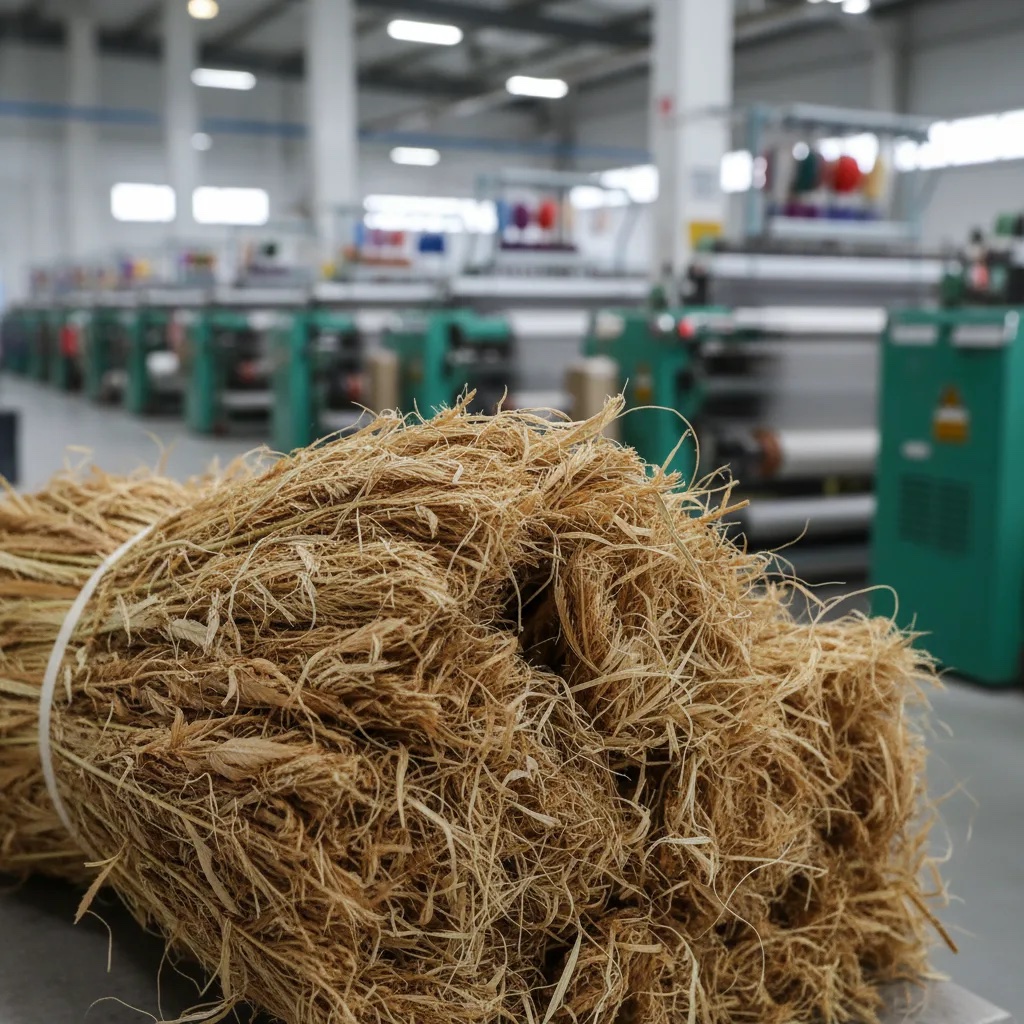
When you think about hemp as a fabric, at least for me, the first thing that comes to mind are gunny sacks.
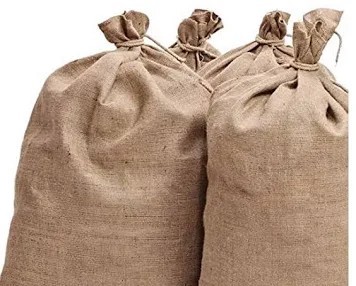
Source: Wikipedia
It’s not a material one would expect to compare to those comfortable denim jeans we all love. But those jeans have a surprisingly large water footprint. Part of this is due to the water required to grow the cotton, although there are strains that require less water or can be grown in areas where there is sufficient (but unpredictable) rainfall. The other water-hungry part of getting those jeans to your closet is the intensive chemical washes required to get that classic denim look. Taking that into consideration, that favorite pair of jeans likely consumed about 1,000 gallons of water on its way to you. And about 90% of that is just growing the cotton. This study from the International Cotton Advisory Committee (ICAC) has all the scientific detail.
Another way to look at it is how much water is required to produce a kilogram of fabric: 10,000 liters for cotton; 2,719 for hemp.
Fashion For Good, whose brands include Target, is proposing an alternative to conventional cotton in denim using hemp. When comparing cotton and hemp, the difference in water consumption and the need for harmful pesticides is dramatic. Growing the equivalent amount of hemp fiber required to make a pair of jeans uses 50% to 75% less water, and it can be almost entirely rain-fed. It also makes a stronger fabric.
On the pesticide front, hemp has a built-in defense system that actively repels pests. And while growing cotton uses herbicides to kill weeds, hemp grows quickly—up to 10 centimeters per day—shading out weeds by starving them of the light they need to grow. Cotton, on the other hand, accounts for nearly 5% of global pesticide sales according to ICAC. They state, “It is estimated that over 80 % of the global cotton crop could be lost to pests without chemical intervention.” Also, hemp improves soil health while cotton degrades soil quality.
So how do they plan to make hemp-based jeans that are not scratchy gunny sacks? According to the company, “By combining two pioneering innovations (SEFF’s Nano-Pulse™ cottonized hemp fibers and FIBRE52’s proprietary chemistry (and greener) formulations with soft handfeel)…the project seeks to demonstrate that hemp-based denim can match or even surpass cotton in both performance and appeal.”
They are not saying your jeans will be made from 100% hemp; but they are saying that while hemp usage in manufacturing denim typically incorporates no more than 20% hemp, their process can increase that to 50%. And combined with more sustainable chemical processes, that makes your jeans better for the planet without sacrificing any comfort or look-and-feel.
Sounds like a win/win. Check out this article to get the full details about hemp versus cotton. It concludes, “As demand for sustainable textiles grows, integrating hemp into mainstream fabric production can significantly reduce the industry’s ecological footprint and foster a more sustainable future.”