WhatTheyThink

Premium Commentary & Analysis

Labelexpo Americas 2022 Part 2: The Rise of Digital

Labelexpo cemented the reality that digital is very much on the rise and at lightning speeds. The digital equipment is getting more sophisticated and, more importantly, productive. Digitalization is what will provide the platform for the new normal.

Tuesday, September 27, 2022

In the last article, we looked at the successful Labelexpo Americas 2022 event at a high level—including the level of excitement which mirrored the general mood of the industry bolstered by converters, equipment manufacturers, and suppliers seeming a bit giddy about their growth rates during and post pandemic. It also included the realization that while supply chain redundancy is necessary, there is no turning back from globalization and the shifting of consumer preferences. As a result, it appears that the “new normal” is that we all will need to be more adaptable in what we do and how we do it. So ultimately, rapid change is the new normal.

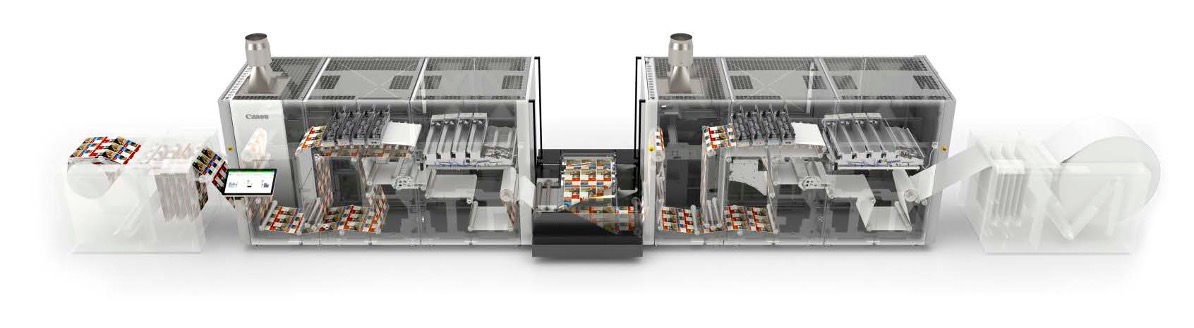
Digital print in label production isn’t new. In fact, Xeikon and HP introduced their first digital label presses in 2008, and they haven’t stopped innovating. Since those initial introductions, however, Konica Minolta, Durst, Screen, and many others entered with new digital label presses. Recently, some flexo press manufacturers have jumped into the market as well with their own offerings. Initially, with a proliferation of hybrid flexo/digital presses, which include both printing technologies to address the volume mix of a converter in a single press. Now some of these same flexo press manufacturers have developed all digital (or all-in-one) label presses. Just to clarify, toner (EP) technology was used in the original Xeikon and HP presses, and increasingly there are some digital label presses using inkjet imaging technology as well. 

As I previously identified, in label production today, flexo still outpaces digital, although according to the Smithers Future of Flexo to 2027 report, it is anticipated that flexo will still provide the largest production volume share compared with digital by almost 3:1 through 2027. However, they will be about equal in value. The volume vs. value difference is a function of the higher market cost of short-run digital labels compared with the lower market cost of long-run flexo label production. However, as the market continues to shift, the lower-run higher-cost label volumes will grow.


Continue reading your article
with a WhatTheyThink membership.

WhatTheyThink Annual Membership

Less than $4/week.

Get unlimited access to in-depth commentary and analysis covering the latest trends, emerging technologies, operational strategies, and key events across every segment of today's printing industry.

Stay informed. Stay competitive. Stay ahead.
WhatTheyThink Day Pass

$5 for 24 hours

Unlimited access to all of WhatTheyThink. Get your Day Pass

Already a member?
Sign In

About David Zwang

David Zwang travels around the globe helping companies increase their productivity, margins and market reach. He specializes in production optimization, strategic business planning, market analysis, and related services to companies in the vertical media communications market. Clients have included printers, manufacturers, retailers, publishers, premedia and US Government agencies. He can be reached at [email protected].

Recent Articles from David Zwang

Canon: Continued Production Inkjet Development and Growth

Canon: Continued Production Inkjet Development and Growth

With more than 2,000 ColorStream units delivered worldwide, Canon has introduced the new 7000 series for mid-range production. To say that Canon has been broadening their portfolio of production printers is probably an understatement. There are new developments in the ProStream platform and the new iV7 B2+ cut sheet press is about to hit the street. Read More
Kodak Keeps on Growing!

Kodak Keeps on Growing!

Coming out of three consecutive quarters of year-over-year growth, Kodak has been delivering on their promise to rebuild and transform the company. In this Business Update video, David Zwang talks with Jim Continenza, Eastman Kodak Chairman and CEO. Read More
The Start-Up Chronicles: dappas—Next Level E-Commerce Packaging Intelligence

The Start-Up Chronicles: dappas—Next Level E-Commerce Packaging Intelligence

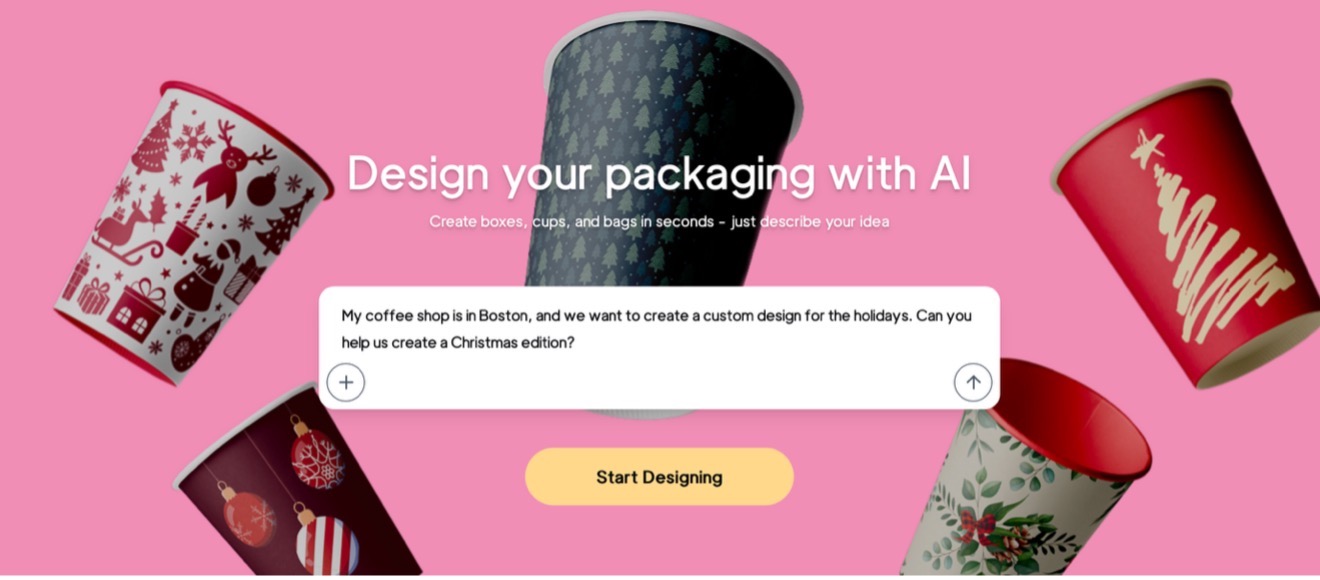
The ultimate goal of dappas is to help facilitate design and eliminate the entire prepress production, so all the converters who are working with them get a stream of work that is ready to go to press and converting. Read More

Labels and the Connected Supply Chain

Labels and the Connected Supply Chain

You can think of this very competitive connected supply chain landscape in four layers: material suppliers, label converters/printers, hardware OEMs, and software/platform players. The connected supply chain has changed from moving things hand-to-hand or through email to more full-featured automated systems. The good news is that, as a converter, after you decide where you would like to start, there are so many options for you to select from. Read More

Direct-to-Object: Challenging Labels and Tags or Offering New Opportunities?

Direct-to-Object: Challenging Labels and Tags or Offering New Opportunities?

Print is a very adaptive technology and direct-to-object (DTO) is another area where it can offer new opportunities for PSPs and product manufacturers. Today, most of the product and packaging decoration (i.e., labels and tags) that exists is handled by a label converter. It is a well-established process that probably won’t disappear. However, it can and will be challenged by inline DTO printing solutions, offering new opportunities. Read More