By Michael Cox, Konica Minolta Business Solutions USA, Director of Category Strategy–Packaging & Label
Margin Pressure Is Reshaping Label Production
Label converters face mounting margin pressure as brand owners demand faster turnaround times, shorter runs, and greater variation—often at the same or lower prices—while material, equipment, and labor costs continue to rise. The result is a familiar squeeze: more work, more often, with less return on every job.
The root of the problem is not production capacity or even pricing strategy; it is product mix. Competing primarily on speed and price for commodity label work drives margins to the floor, leaving little room to improve profitability when buyers view your output as interchangeable with the shop down the road.
To break this cycle, converters must give customers a clear reason to pay more. Stellar service and quick turnaround on small quantities—once differentiators—are now simply baseline expectations. Today, the product itself must carry higher perceived value.
The Market Is Already Asking for It
Brand owners are actively looking for ways to make packaging work harder by driving visibility on the shelf and impact during the unboxing experience. While digital printing adoption continues to grow, many brand owners still struggle to design packaging that meaningfully influences purchasing decisions. For converters, this challenge represents a clear opportunity.
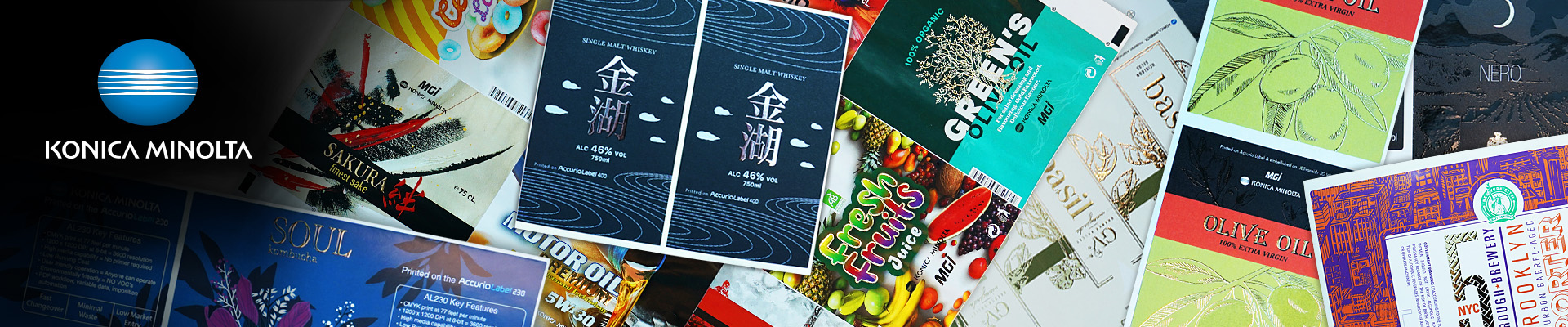
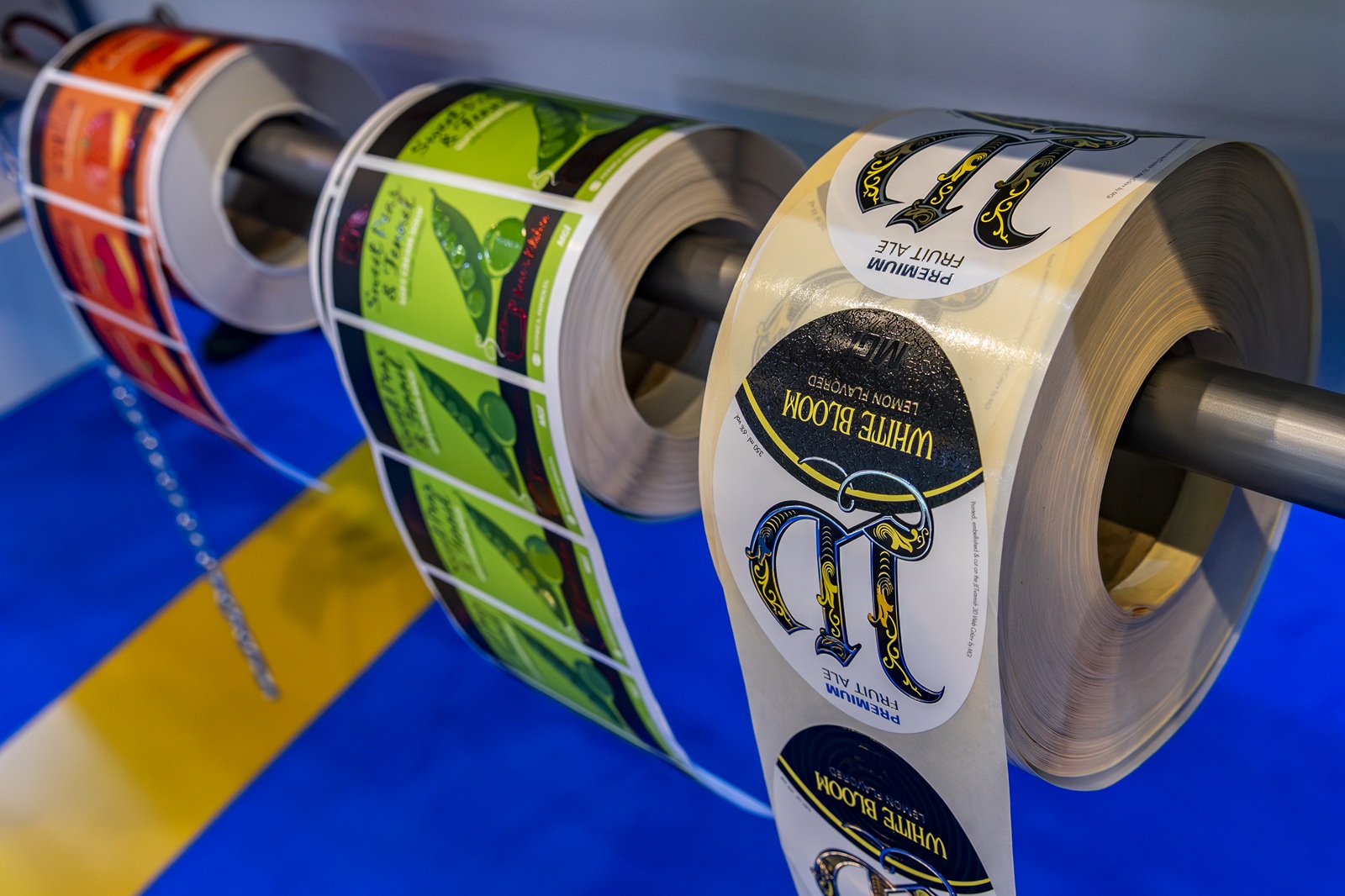
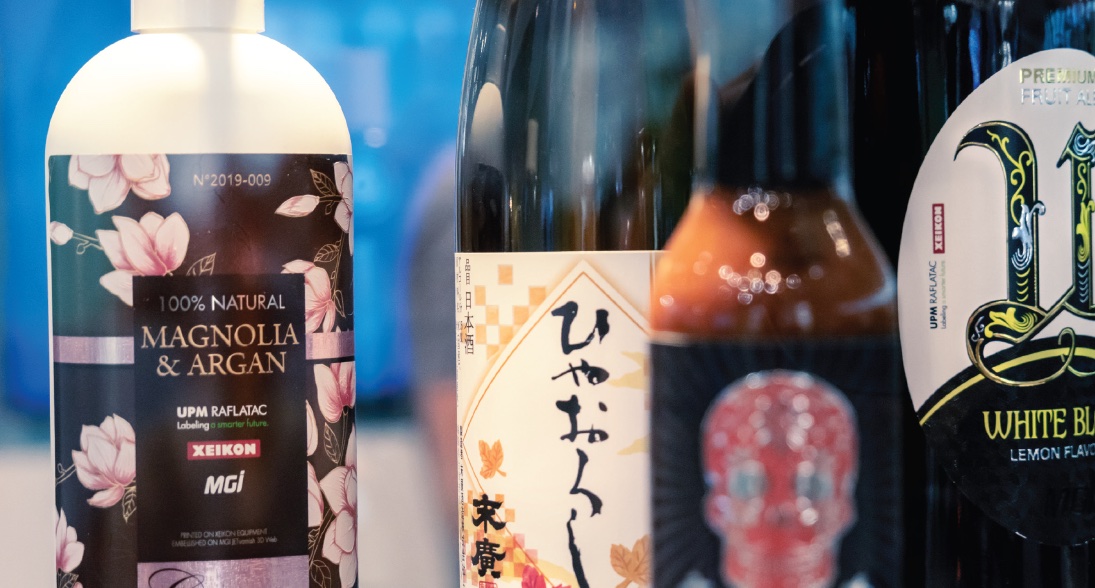
Consumers consistently respond to packaging that looks and feels premium. Spot UV coatings, raised textures, and metallic foil accents communicate quality before a product is even picked up. For craft beverage brands, boutique personal care lines, and specialty food producers, these elements are not merely decorative. They are a core part of brand identity and a powerful form of differentiation.
Digital Embellishment Changes the Math
Traditional embellishment methods carry significant setup costs. Metal dies for foil stamping and silk screens for specialty coatings are expensive and tie up skilled operators for hours at a time. As a result, embellishment has historically made sense only for long runs, which is an increasingly poor fit for today’s shorter, more varied label work.
Digital embellishment removes these barriers entirely. Without dies or screens, even short runs of a few hundred labels can incorporate premium foil or spot varnish. This creates a cost structure that works for both converter and customer. What was once a high-volume luxury becomes a competitive, value-added service, enabling higher-value products, clearer differentiation, and margin profiles that no longer depend solely on scale.
Rethinking How Embellishment Fits Into Production
Offering premium embellishment without increasing labor strain requires the right technology. Leading digital embellishment systems are purpose-built to address this opportunity, applying spot UV varnish and hot foil in a single pass while eliminating the need for plates or screens and significantly reducing setup time. Advanced registration technologies can reduce operator setup time by more than 80 percent, helping make premium embellishment more accessible even in environments with limited staffing.
Designed for self-adhesive labels and flexible packaging, these solutions can scale alongside business growth as demand for embellished applications increases. This shift enables converters to move away from price-based competition and toward higher-value applications.
Competing on Value in a Changing Market
Modern digital embellishment systems make it possible to deliver high-impact finishes with less setup, fewer touchpoints, and greater flexibility across shorter runs.
Across the industry, advances in digital print technology are showing how automation and ease of use can make premium embellishment more practical and scalable. As market pressures continue to push converters toward greater efficiency and differentiation, those who embrace value-added capabilities will be better positioned to improve margins and stand out in an increasingly competitive landscape.