By Bridget Dedian
- Sustainability can’t be viewed as just another initiative that is part of the cost of doing business; its goals must be designed to reshape how business is done.
- Simple and intuitive systems are generally more likely to gain traction across teams and deliver lasting results.
- Coordinated, continuous efforts with systems that are built to evolve and endure are the key to success.
Introduction
(Image via Anthropologie)
Everywhere we look these days, we’ll find sustainability goals. We’ve got waste reduction, recyclable packaging, commitments to carbon neutrality, forest restoration, and conservation of resources. Businesses across all industries are eager to highlight their green credentials, but ambition alone isn’t enough to make a difference. Real progress demands more than good intentions—it takes structure and systems.
Without the right systems in place, even the best intentions will fall apart. Sometimes, quite literally, they even end up in the trash. This is why sustainability can’t be viewed as just another initiative that is part of the cost of doing business. Instead, sustainability goals must be designed to reshape how business is done.
Delivering Results: Real-World Examples
For sustainability to become more than a buzzword, today’s businesses need frameworks that transform big ideas into consistent, repeatable actions. This often requires rethinking processes from the ground up, and it involves everything from sourcing and workflows to logistics and decision-making. All this might sound complicated, but it doesn’t need to be. In fact, simple and intuitive systems are generally more likely to gain traction across teams and deliver lasting results.
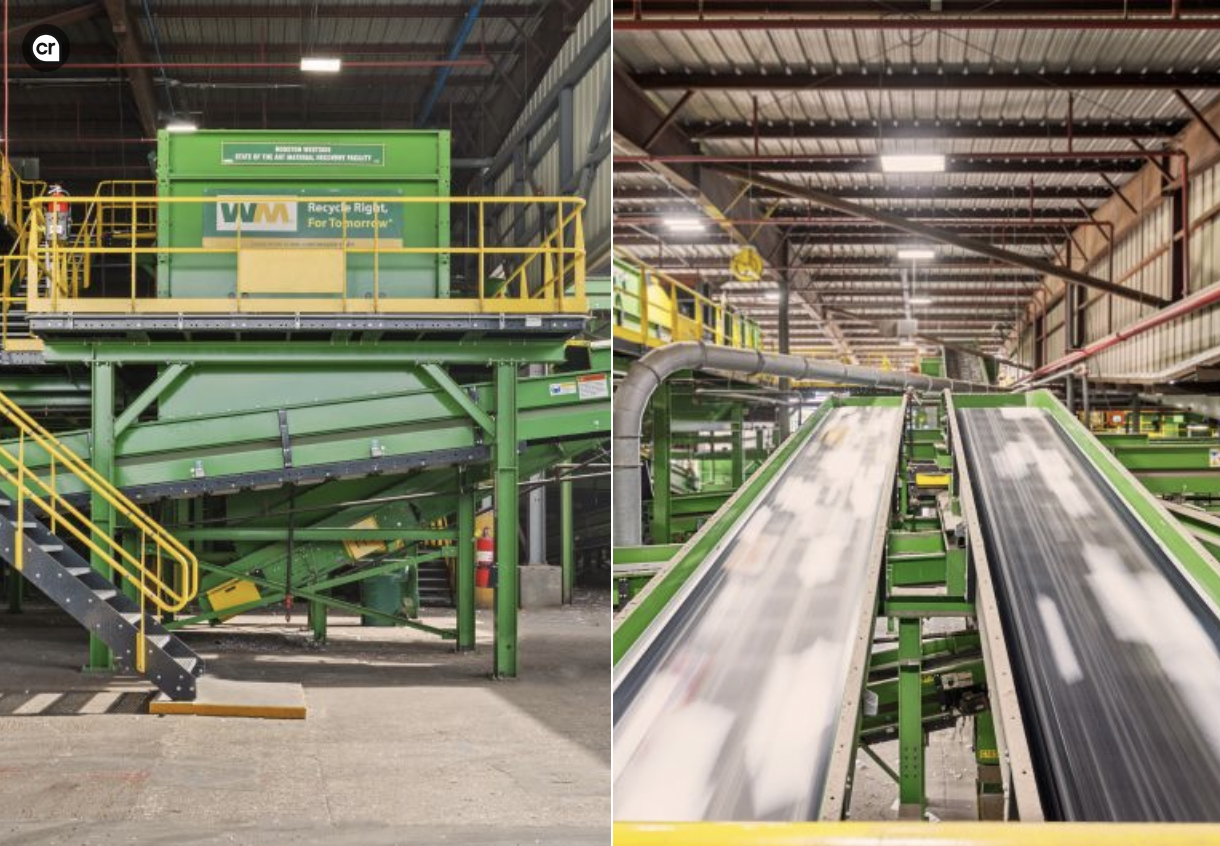
For example, Anthropologie is a fashion retailer that ships its garments in lightweight poly bags. Although these bags are necessary for product protection, they often end up in landfills because they contain materials that aren’t typically accepted at curbside recycling facilities. Anthropologie recognized the issue and took steps to become more eco-friendly. Rather than developing a new material for its bags, the company worked to create a smarter process. Partnering with Waste Management, Anthropologie identified local recycling centers that were capable of processing the poly bags, trained store employees to properly collect and sort the materials, and optimized transportation logistics to reduce environmental impact. The end result of this initiative was that over 60,000 pounds of plastic were diverted from landfills. The innovation wasn’t in the packaging; it was in the system.
Industries like print and packaging are especially complex, involving a myriad of processes from raw material sourcing to production, delivery, and disposal. Without an intentional structure, even strong sustainability goals can get lost in the shuffle. The good news is that progress is possible—and measurable—when businesses commit to systems thinking. Here are some other examples:
- Allied Printing Services applied lean manufacturing principles, invested in more efficient equipment, reduced waste, and shifted to cleaner energy sources.
- DHL redesigned its packaging for greater recyclability, aligning its packaging decisions with long-term sustainability goals.
- Xerox cut down on waste with its solid ink technology, became committed to using recycled materials, and empowered customers to print more responsibly with intelligent software.
- HP implemented a closed-loop recycling system for printer cartridges, ensuring that used materials are transformed into new products. Beyond printing, HP supports forest restoration efforts and incorporates recycled plastics into its ENERGY STAR-certified devices.
These aren’t one-off initiatives. They’re coordinated, continuous efforts with systems that are built to evolve and endure.
Today’s leading manufacturers are embedding sustainability into all aspects of their products and operations. For example:
- Heidelberg strives to minimize setup waste with Push-to-Stop automation and offers carbon-neutral printing presses.
- Canon increases energy efficiency, integrates recycled plastics, and reduces emissions throughout the product lifecycle.
- Ricoh unites its sustainability efforts under the Comet Circle model—an ecosystem of remanufacturing, zero-waste packaging, and carbon-neutral operations in Europe that all work together in harmony.
What sets these businesses apart isn’t what they produce, but how they’ve built sustainability into the way they operate from start to finish.
Making Sustainability Work
Regardless of specialty or vertical industry, the most effective sustainability programs share several essential traits:
- Clear, measurable goals with reliable data to assess progress
- Shared responsibility with cross-functional ownership, not just a single “green team”
- Simplicity via processes that are easy to understand and follow
- Automation and tools that remove barriers and increase adoption
- Feedback loops to drive ongoing improvements
- A celebration of wins to motivate and maintain momentum
- An integration into daily operations rather than just a topic for annual reports
The key message is that when it comes to the environment, you don’t need to develop a game-changing invention to make a difference. What you need is a system—a smarter, more sustainable way of working that will stand the test of time.
The Bottom Line
In today’s world, customers are paying close attention to the companies they do business with. They’re actively seeking brands that deliver on their promises about environmental responsibility. It not about making grandiose claims; it’s about putting real ideas into practice. The businesses that are truly making a difference aren’t just rethinking what they offer, but how they bring it to life.
By investing in sustainable systems from conception to delivery, savvy businesses are reducing their environmental impact, earning the trust of their customers, and positioning themselves for long-term success. In a crowded and competitive marketplace, those who prioritize processes over platitudes will stand out. And the best part is, customers will notice!
Bridget Dedian is a News Abstractor and Editor for Keypoint Intelligence. In this role, she compiles and abstracts relevant pressreleases for publication and client use. In addition to handling the news, Ms. Dedian also writes blogs, articles, and other short formcontent about pertinent industry issues.