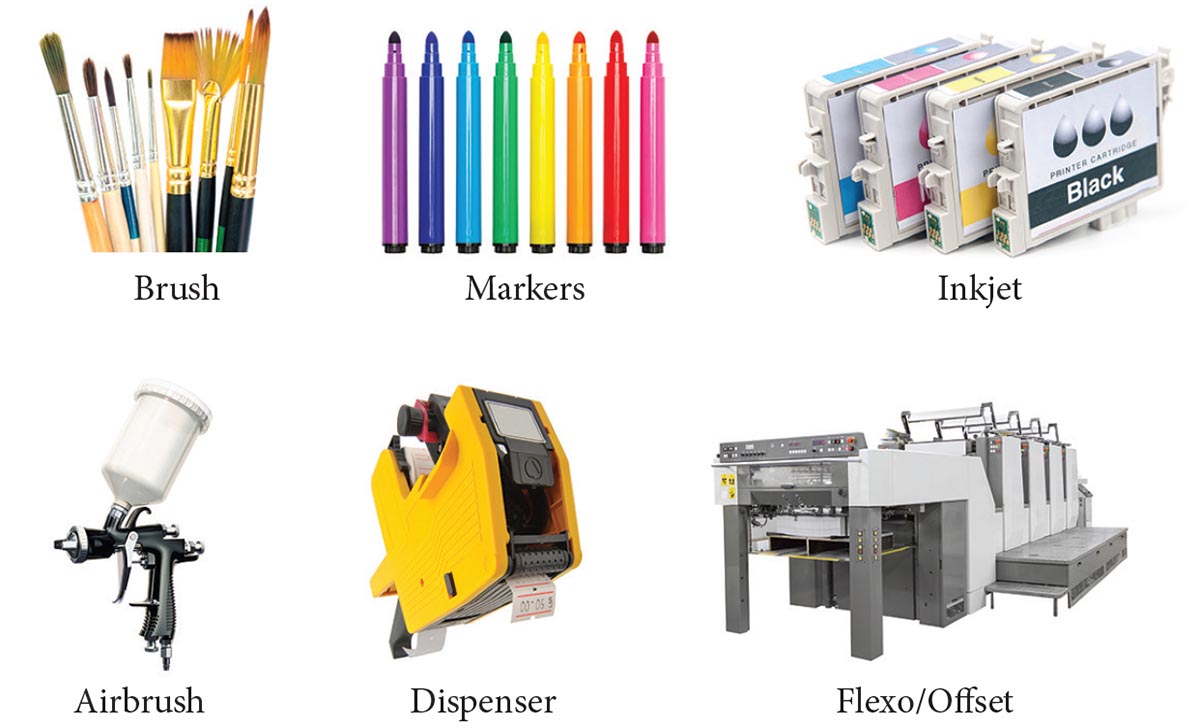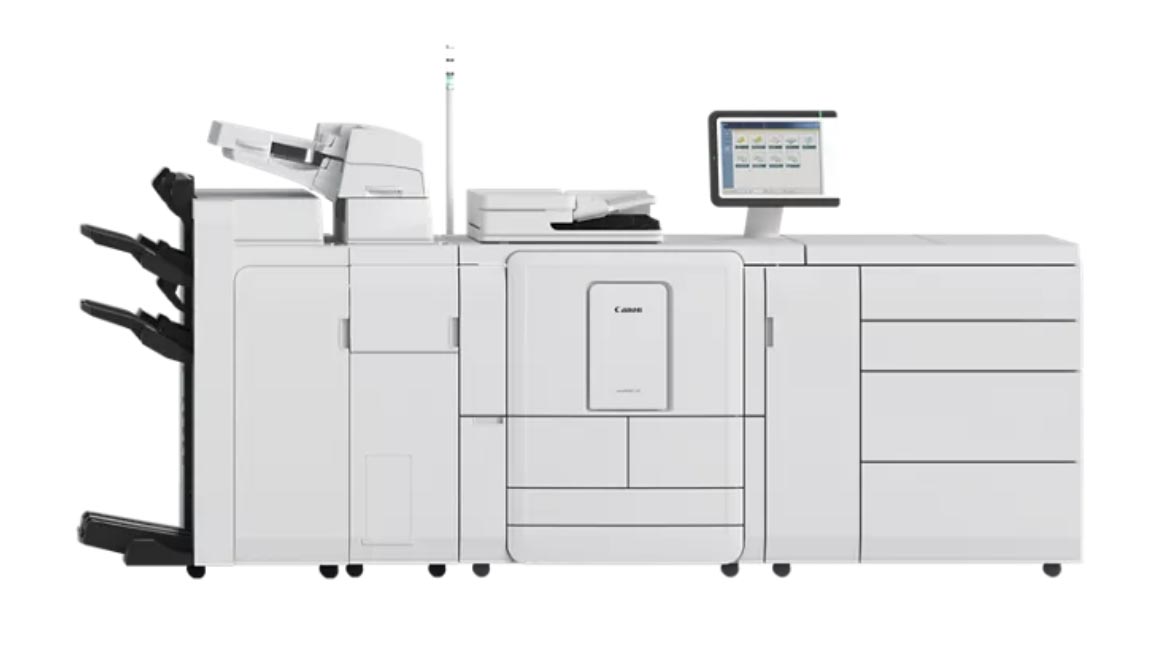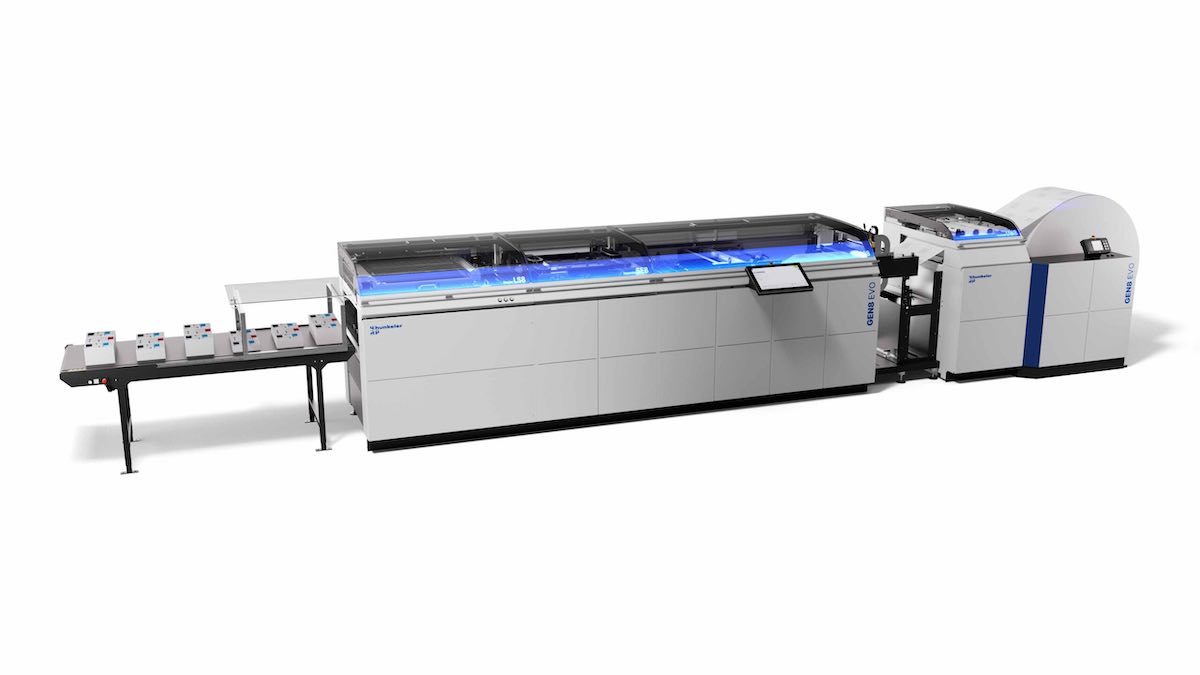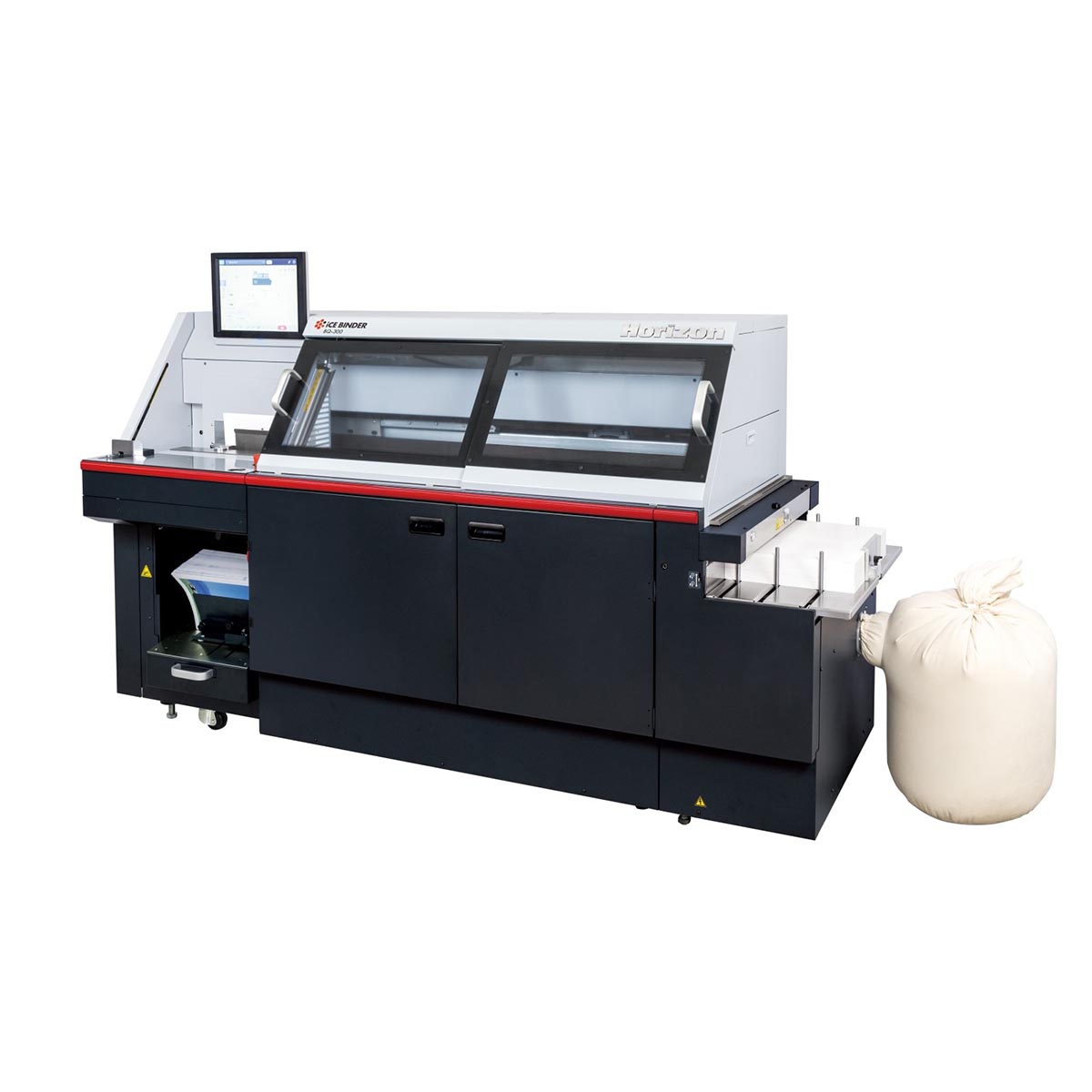


Welcome to WhatTheyThink Cool Tools Series, where we dive into the latest and greatest in printing technology. Each edition is a glimpse into the exciting advancements in products advancing printing technology. Every day, new software, tools, and solutions are developed to improve the quality and efficiency of printing, creating new product possibilities for the manufacturing industry. From traditional printing methods to cutting-edge digital solutions, these innovators, developers and chemists are transforming how we communicate through print. Join us each quarter for the Coolest of Tools. Buckle up, because we are about to embark on a journey through the wild world of print innovations!
In this issue, we will look at specialty materials in printing inks.

Imagine your ink could communicate in a secretive and/or colorful way. No, really! Special additives such as biomarkers and specialty pigments in inkjet inks give your inks a voice of their own. Biological molecules and additives create specific conditions or indicators making your ink smarter than ever. They are the secret ingredients that make your ink extra special, giving them superpowers.
Types of Specialty Materials
The chemistry behind creating superpowered printing ink involves innovative approaches, often including biological, synthetic materials, and special pigment dispersions. Things you would never believe could be added to inkjet printing inks. Here are a few key materials which can be added to clear, pigmented, aqueous, UV, and conventional inks:
- Enzymes and Living Cells: By directly printing enzymes and living cells, this technique—called bioprinting—uses inkjet printing to precisely pattern and manufacture organ scaffolds or skin grafts.
- Microbial Inks: Scientists have developed “living inks” using genetically engineered bacteria like E. coli. These bacteria are modified to produce protein polymers, such as curli nanofibers, which form a mesh-like structure suitable for printing. This method can create inks that are both viscous and elastic, ideal for printing applications.
- Polymeric Hydrogels and Natural Polymers: Polymeric hydrogels and natural polymers like gelatin, hyaluronic acid, silk proteins, and elastin are used. These materials provide the necessary properties for bioprinting, such as biocompatibility and mechanical strength. The Vienna Textile lab is working on developing sustainable dyes from bacteria useful for printing.
- Magnetic: Magnetic nano particles dispersions for inkjet, coatings, and medical applications creating various MICR ink options. You have been in contact with these any time you use your checkbook!
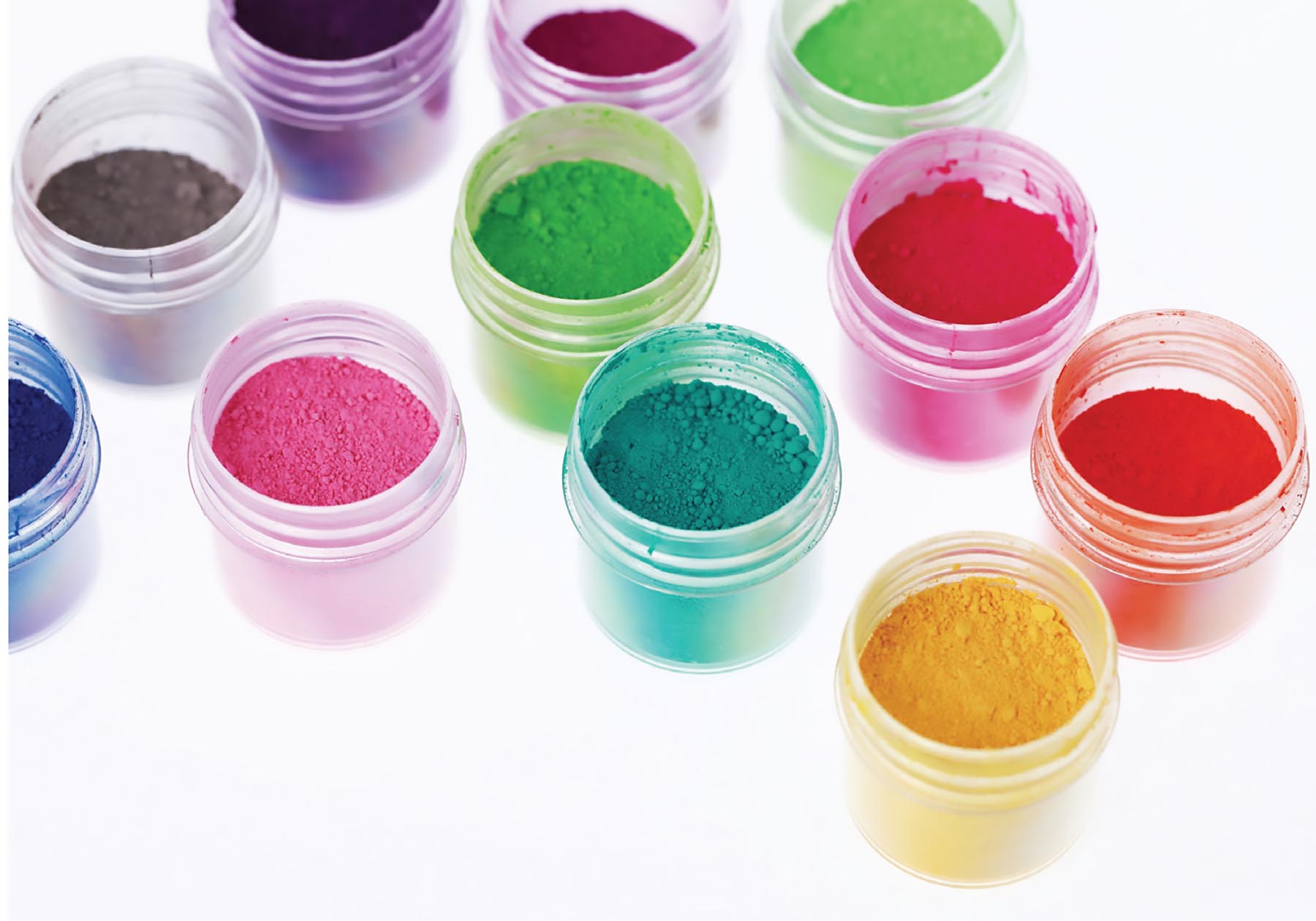
- Special Pigment Powders: Special effect raw materials developed into pigment powders and base dispersions. From UV fluorescence, IR absorbance, glow in the dark, to even changing colors with heat or sunlight can be used as special pigments within custom ink development.

It takes careful consideration not to affect print quality by disrupting the initial printing ink chemistry. Some important considerations when adding biomarkers and special pigments to keep in mind:
- Encapsulation requirements: Encapsulation is especially important for wrapping your biomarkers or special pigments in a protective layer, keeping them safe and sound during the jetting and printing process.
- Using Different Binding Agents: These agents are the glue that keeps everything together, ensuring your biomarkers stay together and do their job.
- Adding Additional Stabilizers: These additives are the peacekeepers, preventing any disruption to the special ink pigments, keeping the ink chemistry stable.
- Solvents and Carrier Compatibility: With the protection requirements, compatible agents and stabilizers, biomarkers need to also be compatible with the inks carrier and solvents ensuring accurate jetting in addition to their special functionality.
Complexity of Jetting with Special Materials
Printing with special materials is no walk in the park. It is more like a tightrope walk, where pigment/marker size and viscosity (the thickness of the ink) plays a crucial role. Critical print quality requirements for special material chemistry must follow the same rules as production pigmented inkjet ink. These critical requirements are:
- Marker/Pigment Size: keeping it tiny; nanometer-tiny to avoid clogged nozzles.
- Droplet Formation: Low-viscosity inks are thin and smooth, forming perfect droplets.
- Jetting Stability: Consistent viscosity is key to avoiding jetting issues and print defects.
- Printhead Conditions: Drop size and ink chemistry compatibility is important to jetting stability and eliminating jetting issues.
- Nozzle Performance: Allows drops to accurately jet to its intended printed position.
- Print Resolution: The right viscosity ensures sharp, high-resolution prints.
- Ink Flow: Smooth flow, or Newtonian behavior, means even coverage and vibrant colors.

Applications of Biomarkers in Ink
Biomarkers are tiny little secret agents ranging down to 9 nanometers (nm) in size. To put that in perspective, many viruses, such as influenza, are around 100nm. Keeping it small maintains high jetting performance while allowing the printed ink to comply with various regulations including new sustainability initiatives.
Biomarkers until recently have mostly been applied to personalized medicine such as ink, when applied to the skin, changes color in response to the included markers like glucose, albumin, and pH level changes, monitoring in real-time chronic diseases such as diabetes and kidney disease.
Biomarkers have migrated into other fluids such as printing inks, which represents a significant advancement in print technology by enhancing the functionality and performance of inks. Enabling new applications in security printing, medical diagnostics, food safety, and environmental monitoring by adding custom identification through custom materials or DNA strings. The Fuji Dimatix DMP-2850 has been used as a development tool in this area.
As the market for these advanced inks continues to grow, manufacturers are focusing on sustainability, customization, technological advancements, and regulatory compliance to meet the evolving needs of their customers. These special incognito identifiers can only be exposed by fluorescent light, electrode signal, color change, MRI (magnetic resonance imaging), or SPR (Surface Plasmon Resonance), depending on the chosen marker.
This process creates a variable, invisible security tracking system that even the most skilled counterfeiters will struggle to bypass.
Applications of Special Pigments in Ink
Special pigment additives give ink the power to color-shift. By using special pigment powders, inks can now be photochromic (sun-sensitive) or thermochromic (heat-sensitive) allowing inks to brighten or change colors and even block UV rays. These materials adjust your shirt logo when you have been in the sun too long or your coffee mug changes colors when hot coffee is applied.
Some pigments even provide photo-luminescence, creating ink which can glow in the dark, giving fabric and package printing cool special effects.
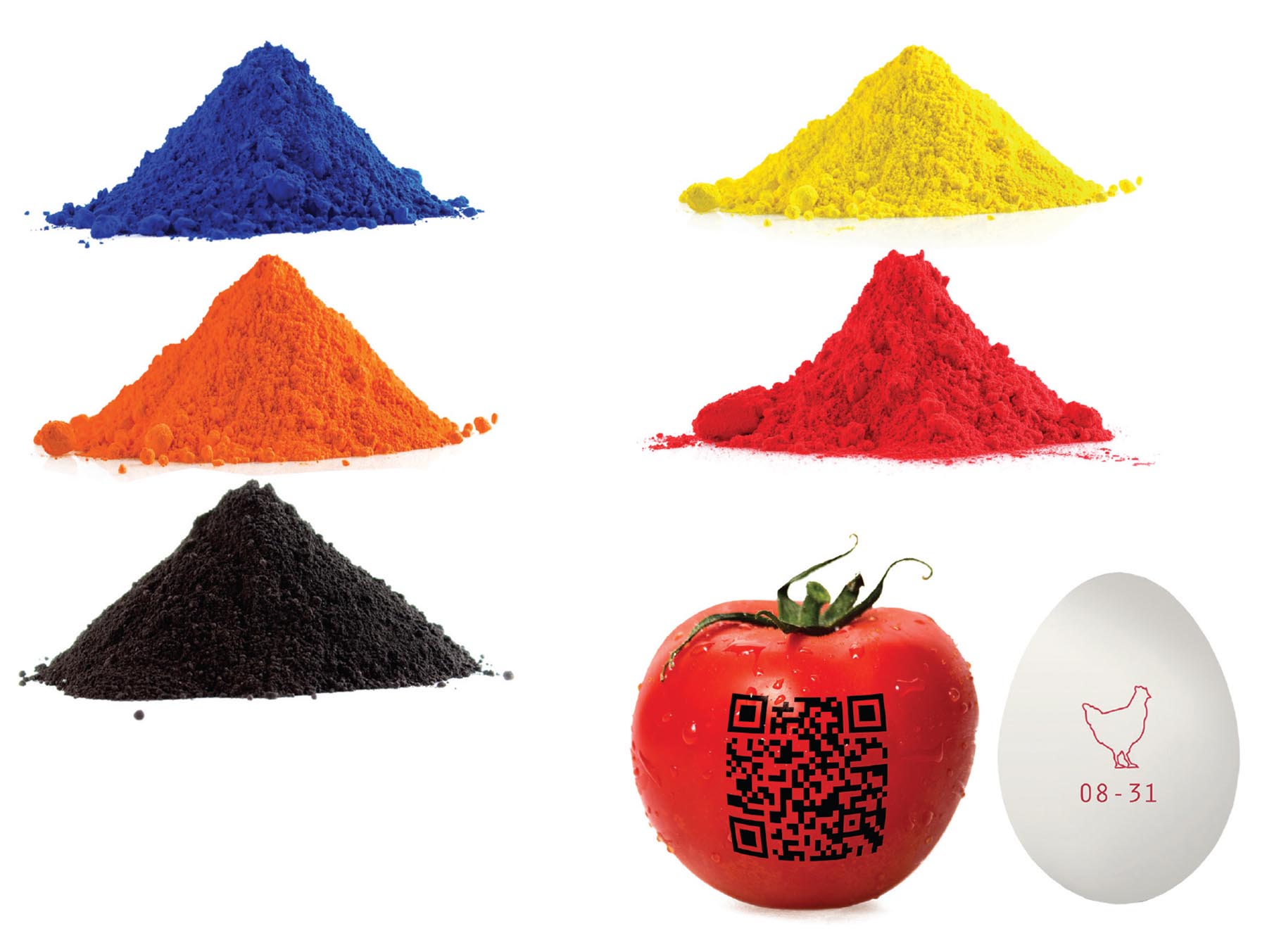
With the importance of track and trace for food and pharmaceutical packaging, invisible UV fluorescent and NIR absorbing colorless pigments can be added to inks. Once printed, text or graphics only appear when exposed to UV light or NIR wavelength exposure. These additives are the true James Bond of ink additives allowing invisible printing of special messaging for security and identification only being seen until exposed.
Revolutionizing Print With Ink
Biomarkers and pigment materials in inkjet inks are revolutionizing the printing industry and paving the way for a brighter, more innovative, and secure future. Companies such as Fujifilm, Domino, Panasonic, Xerox, Epson, Konica Minolta, Canon and HP, Kyocera have been sourcing various dispersion materials, offering solutions for their various conventional and digital processes.
Any of these special biomarkers and pigment materials can be sourced and designed into inks for desktop, commercial, food grade, packaging, industrial, and textile for digital, flexo, and offset applications. These special materials create ink which is not just a visual communicator, but hide messaging and effects in the shadows ready to protect or amaze the end user.
As our printing market grows, so do the amazing ways we print leaving conventional to inkjet printing an exciting and ever-changing place to be.
Wanna know more about applying biomarkers or special pigments to your inkjet chemistry? Visit Cool Tools at drupa: Diversified Nano Solutions - WhatTheyThink to learn more.
Stay tuned for more Cool Tools in the WhatTheyThink Quarterly Journal as we continue to explore the cutting-edge world of printing technology. The future looks bright, smart—and colorful!
Hope you enjoyed this ink-tastic journey!