By Lance Martin, VP Product Marketing, Komori America
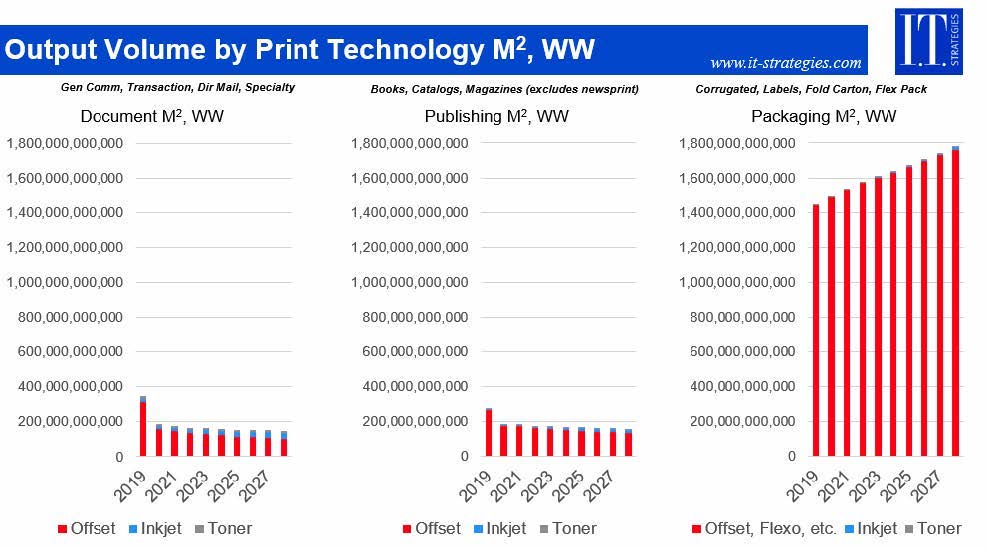
The commercial print industry is facing a crossroads. As traditional volumes decline, many shops are seeking new avenues for growth that align with their core competencies. One of the most promising paths forward is folding carton packaging—a high-value, sustainability-aligned, and rapidly growing segment.
According to Smithers Pira, the global folding carton market was valued at $154.97 billion in 2024 and is expected to reach $192.02 billion by 2029. The push for sustainable, recyclable packaging continues to grow across nearly every sector, from food to pharmaceuticals to consumer goods. Folding cartons, made from renewable and often recycled paperboard, meet these environmental goals while also delivering the visual appeal and structural integrity brands demand.
A Seamless Fit for Offset Printers
Many commercial print providers already have the most important tools needed to enter this space. Straight sheetfed offset presses—especially those built in the last two decades—are capable of handling stocks up to 32pt, the sweet spot for many folding carton applications. With automation features such as auto plate changing, color control, and defect detection, these presses can pivot from commercial to packaging work with minimal investment.
Furthermore, most B1 format presses used in commercial print are already optimized for high-speed production and short makeready times. That makes them ideal for today’s packaging environment, where versioning, SKU proliferation, and short-run orders dominate.
Market Drivers
Several factors are making this transition particularly attractive now:
- Sustainability: Folding cartons are paper-based and widely recyclable, helping brands meet ESG and regulatory goals.
- E-commerce: Increased online sales demand attractive, durable packaging.
- SKU Expansion: Brands are launching more product variations than ever, requiring shorter, more frequent runs.
- Automation Readiness: Offset presses have matured technologically, with many already featuring inline quality control and makeready reduction systems.
- Complementary Digital: Digital presses (like Komori’s Impremia IS29 or J-throne 29) can handle test market versions, personalization, or ultra-short runs in tandem with offset work.
Real-World Proof
Several commercial print providers have already embraced this shift—with impressive results.
Vivid Impact (Kentucky) successfully transitioned into folding carton work using their existing Komori sheetfed offset equipment. Facing falling demand in their traditional commercial segment, they leveraged their platform’s flexibility to serve packaging customers. Today, packaging makes up nearly 50% of their volume, with the packaging division doubling annually for the past three years.
Color Ink (Wisconsin) similarly expanded into folding cartons, using both a Komori GL640+C LED-UV advance offset press and a Komori Impremia IS29 digital inkjet press. This dual-technology approach allows them to meet a broad range of client needs—from premium packaging to personalized runs. The shift has helped stabilize revenue and open up new client verticals.
Color Craft Graphic Arts (CCGA) upgraded to two Komori GL640 advance presses to streamline their packaging operations. These presses replaced aging equipment, tripled their throughput, and reduced makeready and waste. With greater automation and less manual intervention, CCGA achieved better margins and a more balanced workload for their operators—resulting in better employee satisfaction and client responsiveness.
These examples show how folding cartons can become a scalable, sustainable new revenue stream—not just a niche side business.
A Solution-First Approach
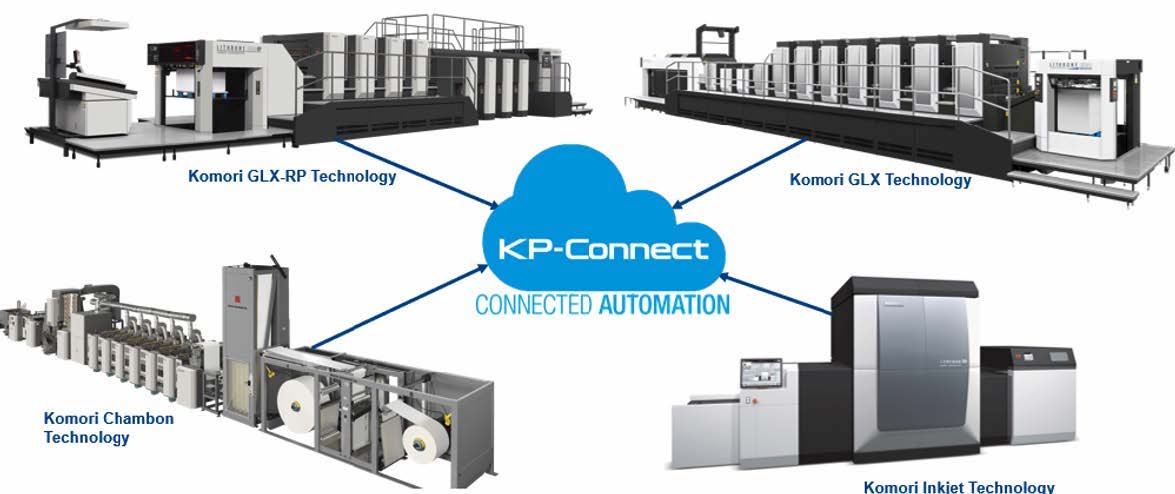
Komori is supporting this shift with a portfolio of equipment specifically designed for folding carton and hybrid operations. From the Lithrone GLX40 advance (single-sided) and GLX40RP advance (two-sided) to the Chambon hybrid web press and J-throne 29 LED-UV inkjet, Komori systems offer flexibility, format compatibility, and automation integration.
The KP-Connect platform allows printers to monitor and optimize all equipment from a centralized interface, helping reduce waste, track carbon impact, and improve uptime.
Komori presses are designed for real-world folding carton needs, including:
- High-speed production with reduced makeready.
- Compatibility with coatings, embellishments, and rigid stocks.
- Support for automation systems like color and defect control.
- Strong ROI with a low total cost of ownership.
- Built-in durability to meet long-term packaging demands.
Komori also provides onboarding, training, and application guidance—ensuring that commercial printers transitioning into packaging get the support they need to succeed.
Actionable Steps for Printers
For commercial print providers interested in folding cartons, here are four key steps to begin the journey:
- Assess Market Potential: Explore packaging opportunities with your current clients. Many already use or are seeking folding carton suppliers.
- Evaluate Equipment: Review your pressroom to identify which machines can handle 18pt to 32pt board. Most Komori B1 presses built in the last 15–20 years already can.
- Invest in People and Training: Ensure your team is ready to run packaging-grade jobs. Press crews, designers, and estimators may need updated training or SOPs.
- Partner with Experts: Work with solution providers who understand both commercial and packaging workflows. Komori brings offset, digital, and hybrid solutions under one roof—with a focus on long-term success.
The Bottom Line
The folding carton market offers commercial printers a rare opportunity: a growing, high-margin segment that leverages your existing assets. With packaging in demand across every vertical—and brands seeking reliable, sustainable suppliers—now is the time to act.
Komori offers the tools, training, and technology to make your packaging transformation seamless, profitable, and scalable. Whether you’re adding short-run digital packaging or scaling offset production with high-value embellishments, Komori’s solution-first approach gives you the competitive edge.