In an age of digital saturation, print’s role in marketing is shifting from routine to strategic. This article explores how print, when used strategically, doesn’t just stand out—it strengthens digital campaigns, boosts engagement, and drives results. Whether you’re a PSP, marketer, or strategist, this is a fresh look at where print fits now—and why it still matters.
In a communication landscape inundated with digital noise, the role of print isn’t disappearing. It’s evolving. Print does not serve as a catch-all solution. Instead, its true value lies in strategic fit: used selectively, intentionally, and where it can make the biggest impact.
As print grows more costly and specialized, success in this medium demands even more these days a consultative mindset. Service providers must stop leading with products and start with purpose. This shift means stepping into a strategic advisory role, asking not just “what can we print,” but “why are we printing this, and for whom?”
To unlock print’s full potential, providers must begin each engagement with a marketer’s lens. Who is the audience? What’s the message? And most importantly Why? It is also imperative to understand how has it been delivered in the past and what worked and what did not? These questions are more than discovery; they are the blueprint for an effective communication using print.
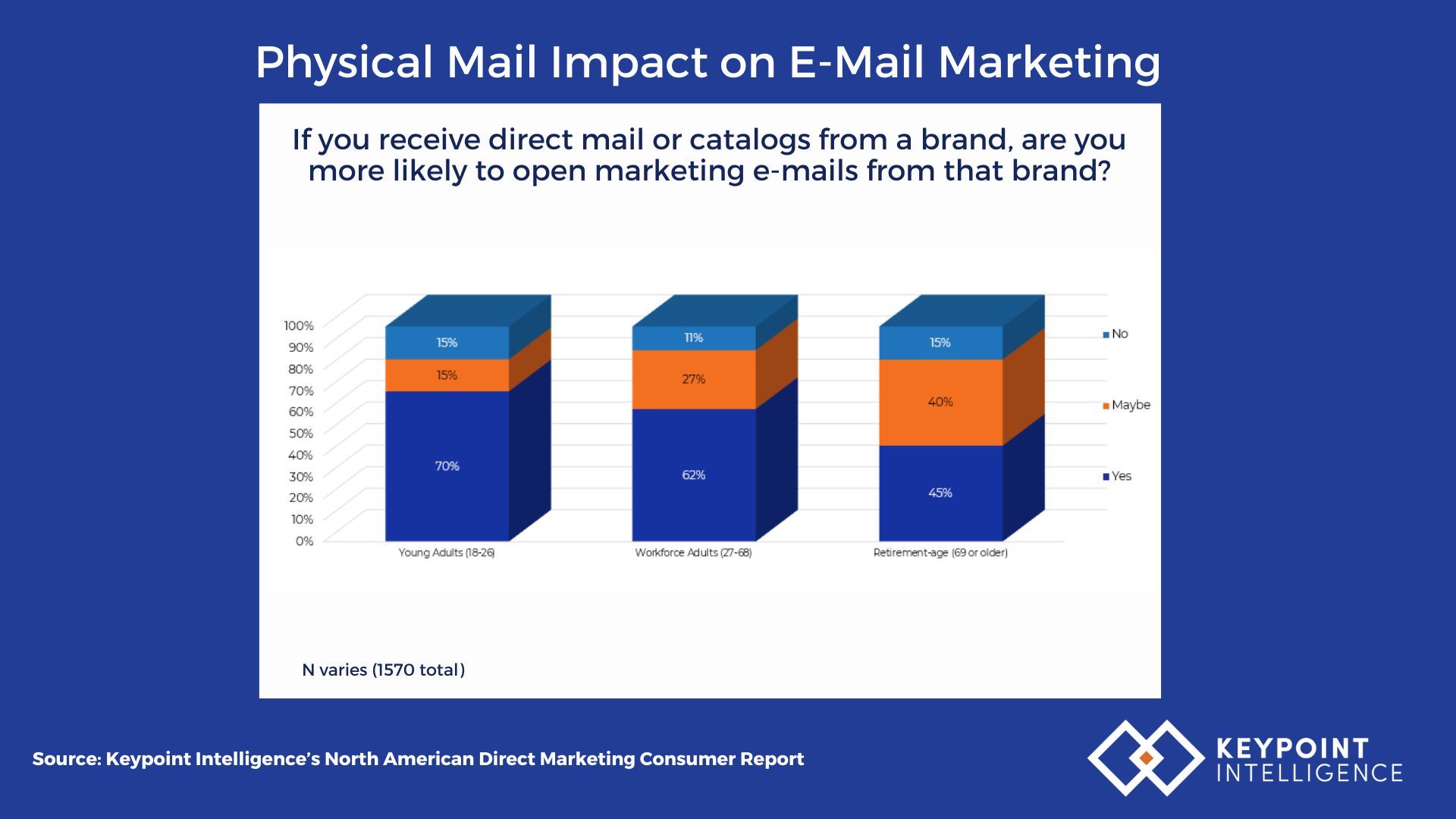
Recent data highlights the power of print to amplify digital results. Seventy percent of young consumers say receiving physical mail increases their likelihood of opening marketing emails from the same brand. This demonstrates how print doesn’t just stand alone—it strengthens digital engagement, builds brand familiarity, and helps marketers create more effective, integrated campaigns.
“Print excels when strategically links to the marketers’ campaign objectives, and not used in a generic way” says German Sacristan, Director of On Demand Printing at Keypoint Intelligence. “Its strength is in selectivity, used where it works best and not simply by default.”
Print and its closest partners/friends and applications (substrates, special inks, finishing, QR codes, AR, variable data, and the regular mail box) could be very effective if used to overcome marketers’ main campaign challenges such as capturing attention, elevating the perception of trust and value, making it easier for consumers/customers to buy and activating the word of mouth (WOM).
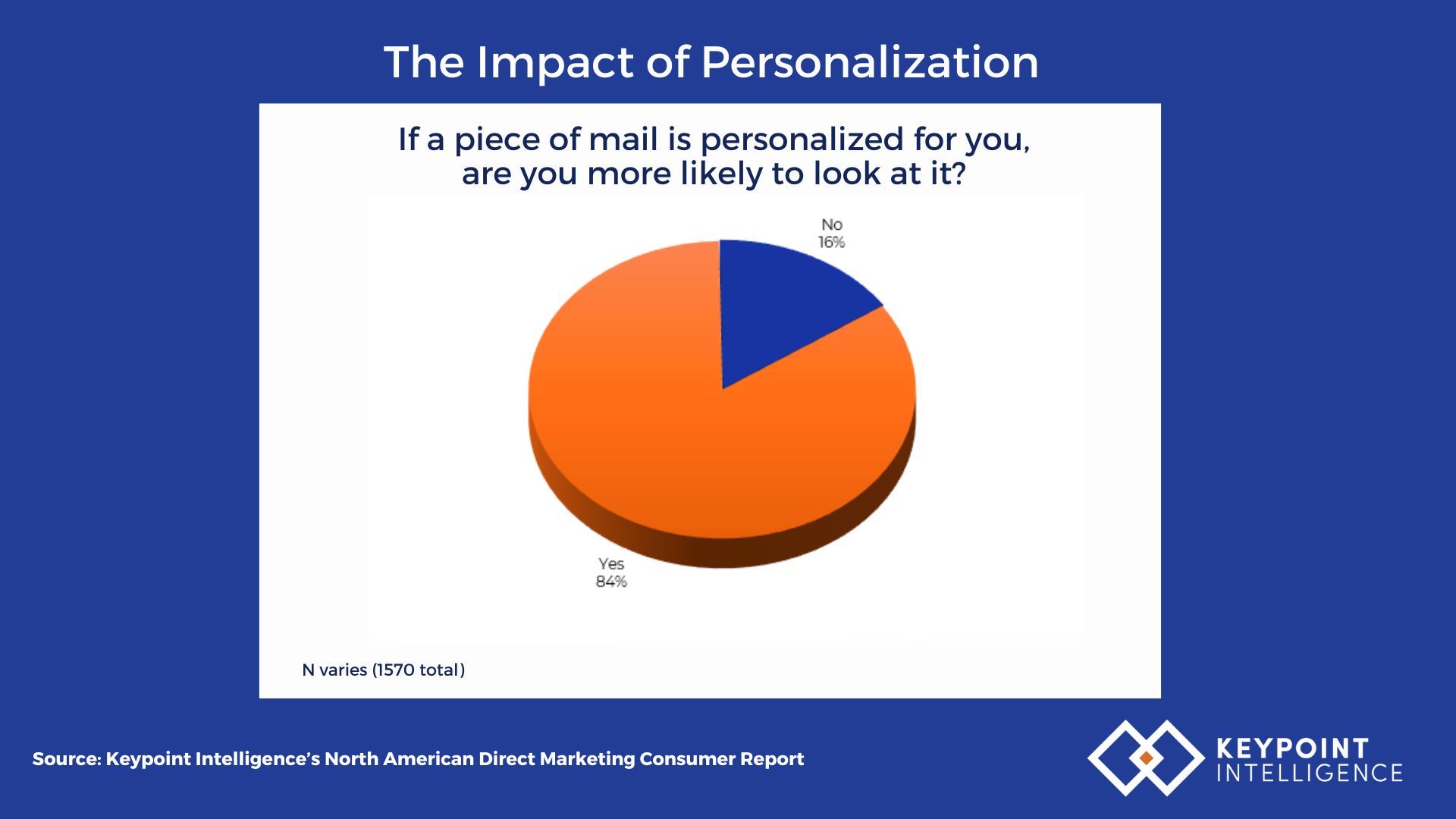
As an example, personalized messages are 84% more likely to be read than non-personalized ones, especially when they come from familiar brands. In a world of email overload and banner blindness, tactile, targeted communication stands out. For younger audiences, often assumed to be digital/electronic-first, physical mail even increases the likelihood of engaging with marketing emails from the same brand.
This doesn’t mean PSPs need to become full-blown marketing agencies. However, it does mean rethinking their role in the value chain. Every print provider is already a marketer in their own right, engaging in sales pitches, campaigns, and customer outreach for their own business. This gives them a great opportunity when it comes to helping clients think more tactically about print’s purpose.
And the evolution doesn’t stop at strategy. With AI tools now helping drive predictive insights, automate personalization, and optimize timing, the next frontier for print is smarter, not just prettier. AI will help position print more effectively in the communication mix, ensuring the right piece lands in the right hands at the right time.
Print is a holistic communication channel and therefore not going anywhere. But the way we use it and promote it must change. When approached strategically, print transforms from a product into a high-performance tool. And that’s where it belongs.
Find out more about Keypoint Intelligence research here. Keypoint Intelligence provides timely and informative insights on current and future market trends and consults with stakeholders to navigate opportunities and challenges of the print industry through it On-Demand Printing Service and German Sacristan.