Premium Commentary & Analysis
Upstream file problems, standards-based appearance governance, and what can go wrong between design and installation across materials, processes, sites, and seasons.
Tuesday, March 10, 2026
Continue reading your article
with a WhatTheyThink membership.
Less than $4/week.
Get unlimited access to in-depth commentary and analysis covering the latest trends, emerging technologies, operational strategies, and key events across every segment of today's printing industry.
Stay informed. Stay competitive. Stay ahead.Don Carli is Senior Consulting Editor at WhatTheyThink.com, and President and Co-founder of Nima Hunter Inc., a strategic advisory firm serving brands, OEMs, and print service providers. With deep expertise in technology and market trends, Don and the Nima Hunter Inc. team provide insights that inform the development of forward-looking product and marketing strategies. Nima Hunter Inc.'s data-driven analytical approach combines strategic foresight with quantitative and qualitative insights to deliver marketing solutions that help clients navigate industry transitions and capitalize on emerging opportunities.

10 Things PSPs Should Consider Before Adopting Robotics: What You Need to Know to Begin the Journey
Why Highly Targeted Communications Make Digital Print Essential to Modern Marketing
Wide Format in 2026: How Technology Is Reshaping Competitive Advantage
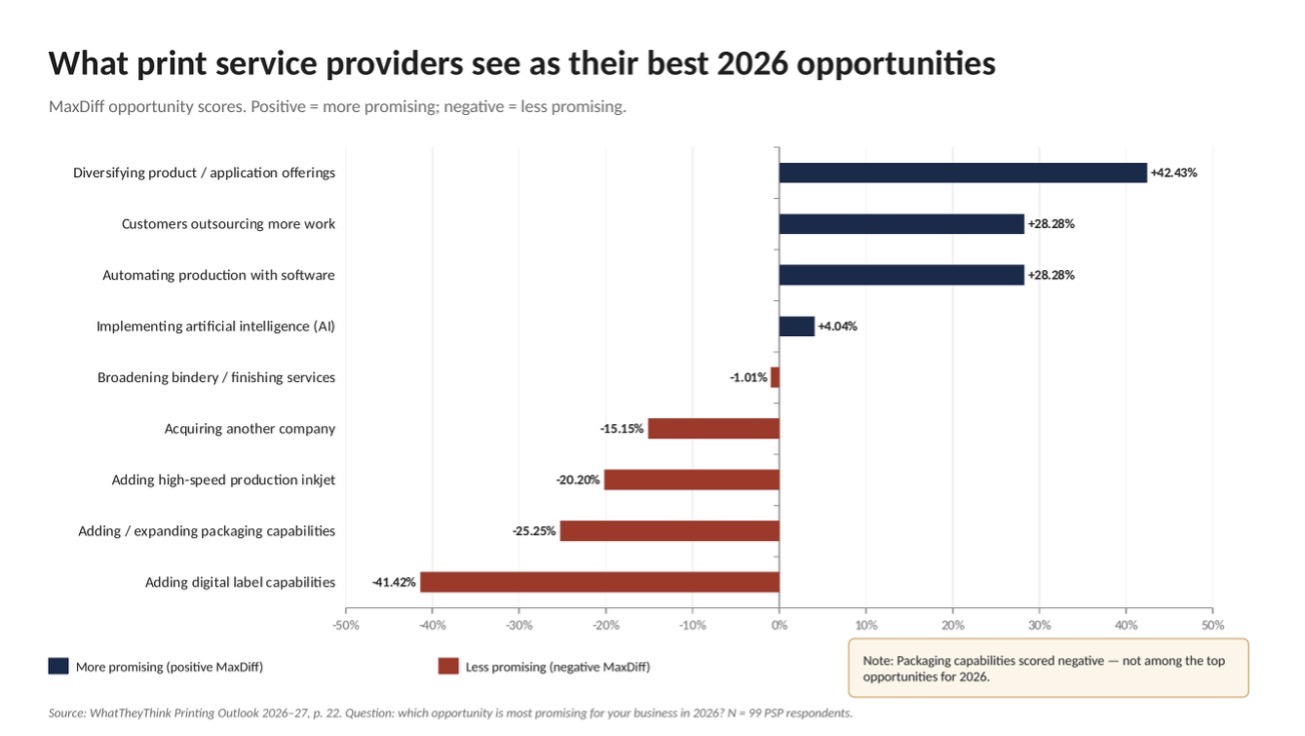
The new Printing Outlook 2026–27 Report describes a year of single-digit growth. At the same time, standards adoption around the growing topic of “appearance management” is becoming more and more necessary. Don Carli explains how 2026 is the right window for brand and OEM product managers to fund credible glTF and iccMAX standard pilot programs. Read More

Upstream file problems, standards-based appearance governance, and what can go wrong between design and installation across materials, processes, sites, and seasons. Read More

Why the costs and environmental impacts of e-commerce appearance management failures persist despite the existence of standards for most of the technical architecture required to solve them. Read More
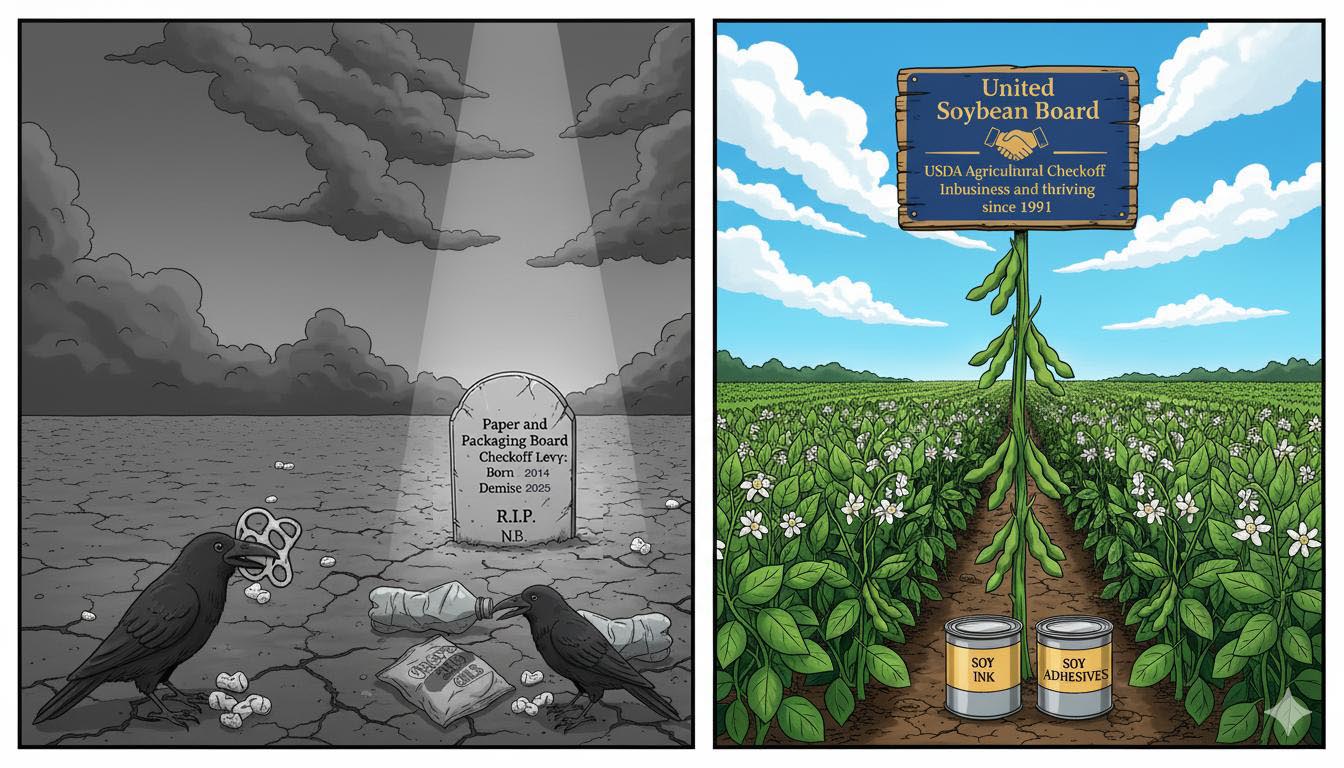
In August 2025, the U.S. paper and packaging industry voted to end the Paper & Packaging Board’s (P+PB) national marketing program, after more than a decade of advertising campaigns, sustainability messaging, and third-party evaluations. Senior consulting editor Don Carli takes a close look at the cessation of this initiative. In part 2 of this two-part article, category marketing cooperation: a framework for digital embellishment growth and profitability. Read More
In August 2025, the U.S. paper and packaging industry voted to end the Paper & Packaging Board’s (P+PB) national marketing program, after more than a decade of advertising campaigns, sustainability messaging, and third-party evaluations. Senior consulting editor Don Carli takes a close look at the cessation of this initiative. In part 1 of this two-part article, the $20 million overnight loss 10 years in the making. Read More