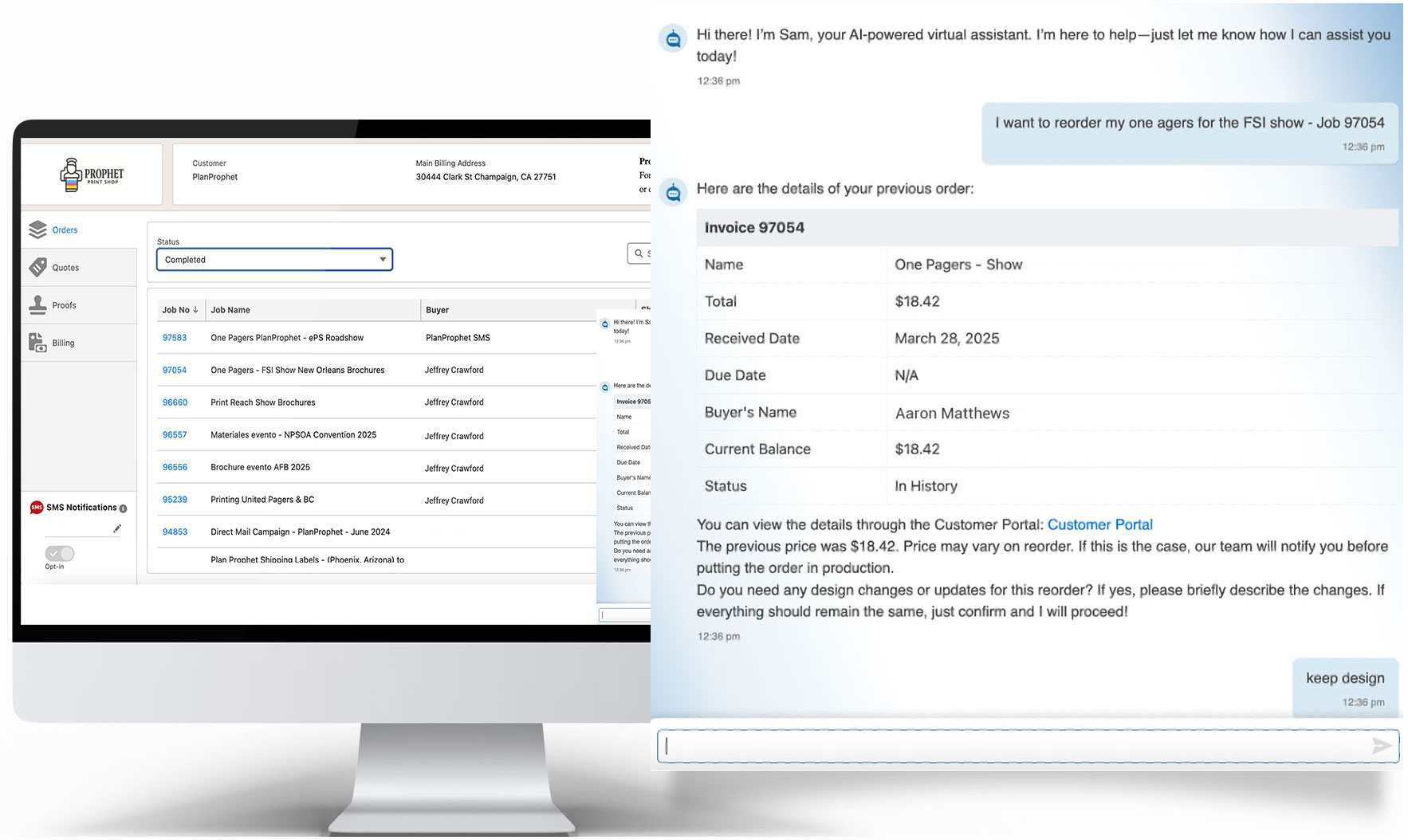
The basic idea driving web-to-print is that when you add rules-based automation to the process of job onboarding, the result is a greater level of process efficiency. When the job files are as well-prepared as possible, the processes that follow are less likely to experience issues that require phone calls and emails to resolve. Rework and reruns are less likely, and machines can run at full capacity. The power of any web-to-workflow begins with structuring the job capture for compatibility with the downstream processes.
When supporting flat sheet printing, most web-to-print environments focus on capturing substrate, size, and volume information for each job, as well as color expectations and finishing needs. The best systems are integrated with inventory management, scheduling, and instant proof-and-approval tools so that the buyer is presented with everything they need to know, including potential delays caused by a lack of machine capacity or inventory stockouts. The most sophisticated systems might suggest alternative substrates and provide more detail on available delivery slots.
When supporting packaging production, web-to-print environments require a few more levers and knobs to support die line considerations and to host visualization for three-dimensional proof and approval.
[/restrict] [caption id="attachment_6581" align="aligncenter" width="285"]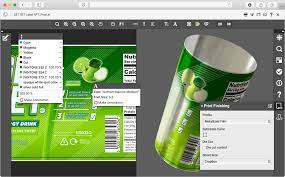 3D Share and Approve Source: ESKO[/caption]
Whether the packaging will be folding carton, digitally-printed corrugated, or flexible packaging, the basics are the same. To take the incoming order, the software must capture all required dimensions, substrate requirements, volume, and delivery needs in addition to the package construction requirements. Die lines must be specified to define the creases and cuts needed for folds and flaps, but packaging may also have glue and other requirements to create the finished product. It may also require embellishment or lamination.
[caption id="attachment_6583" align="alignleft" width="338"]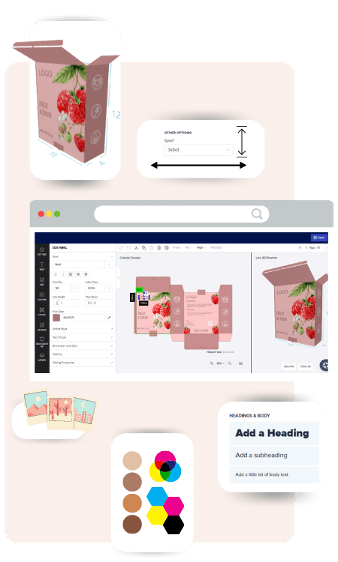 Source: DesignNBuy Web-to-Pack Solution[/caption]
Like its equivalent process in the flat print space, web-to-pack solutions that can tap into inventory management and scheduling to provide real-time information to the buyer open the door to creating a highly efficient package manufacturing environment. What can truly differentiate the environment is the ability to leverage the power of inkjet paired with workflow automation to seamlessly support pack-of-one, and short-run packaging. Where relevant, ideally a web-to-pack solution will also support a range of volumes from the same workflow, even if the production and manufacturing methods employ different print processes for different volumes.
What do YOU want to do?
It seems clichéd to say that web-to-pack brings limitless options for companies that clearly identify their needs and build their business and production workflows to meet those needs, even though it is true. However, taking advantage of these new options does take a deep understanding of your actual, existing environment to build a path to improvement. Even if you have not yet invested in inkjet for packaging, begin by asking some questions:
- What packaging do you produce today?
- How do new jobs enter the workflow?
- What would you like your future workflow to look like?
Start by taking a close look at your current product offerings. Pull a list from the relevant management systems (MES or MIS) to get started, and then make note of variations you could produce if someone would buy them. Also identify the equipment you use, and any you are not making full use of, and how sales are usually executed. This gives you a baseline reference point for your current operation.
Examine the flow of incoming jobs and imagine better
Take a look at all the ways that jobs can come in, not just the most typical:
- Do your clients send electronic orders using a system handshake into your order entry system?
- Do some still email specifications and wait for a sales or CSR team member to call back?
- Do you have salespeople who make calls on known and prospective clients who bring back orders on a paper form?
- Do you host a client-facing digital portal that captures job specifications?
For every way that jobs come to your shop, take a look at what happens after the job arrives. Take a look at things like:
- How many people touch the order as specifications and inventories are reviewed?
- How are capacity and scheduling determined?
- When and how are design files preflighted for print-readiness and converting?
Make note of every answer that begins by naming a person or role that performs the task, because that represents money leaking from the sale before a single package is printed. No matter what the estimating and quoting system told you the profit would be, it is wrong unless you are accounting for every physical touch required to take an order and turn it into a job ticket.
Now imagine what your production and manufacturing could be and consider future requirements. The market is changing. Buyers are changing. What they want to buy is changing. The old relationships that helped you grow your business may be at risk as people retire and are replaced by procurement applications and a new generation of designers and buyers looking for differentiation in the packaging that wraps their products. To keep up, you may need to add to your product catalog and capabilities.
Getting ready for automated Web-to-Pack
Automation is a superpower. When well-defined and executed, workflow automation looks like magic. It reduces physical touchpoints. It catches potential problems before they cause production delays. It frees your valuable staff to focus on the challenging work and keeps your costs of goods sold to a minimum.
But even magic requires planning, preparation and testing, and maintenance. Before you begin talking to vendors about how to improve and automate your workflows to drive more efficiency with web-to-pack solutions, prioritize what you are looking for from your improved environment. There are a number of factors to consider:
- Customization: Inkjet printing enables high-quality, full-color printing with the ability to customize each package individually or simply run very small batches cost effectively. If you want this capability, be prepared to talk to vendors about how they enable the best client experience, including how they allow customers to personalize packaging designs by adding names, logos, images, tracking SKUs, and other types of personalization. Your needs may be different depending on the type of personalization you enable. Hybrid solutions that use inkjet only for the unique print may require less sophisticated design and workflow when compared to single pass production solutions that print static and variable content together.
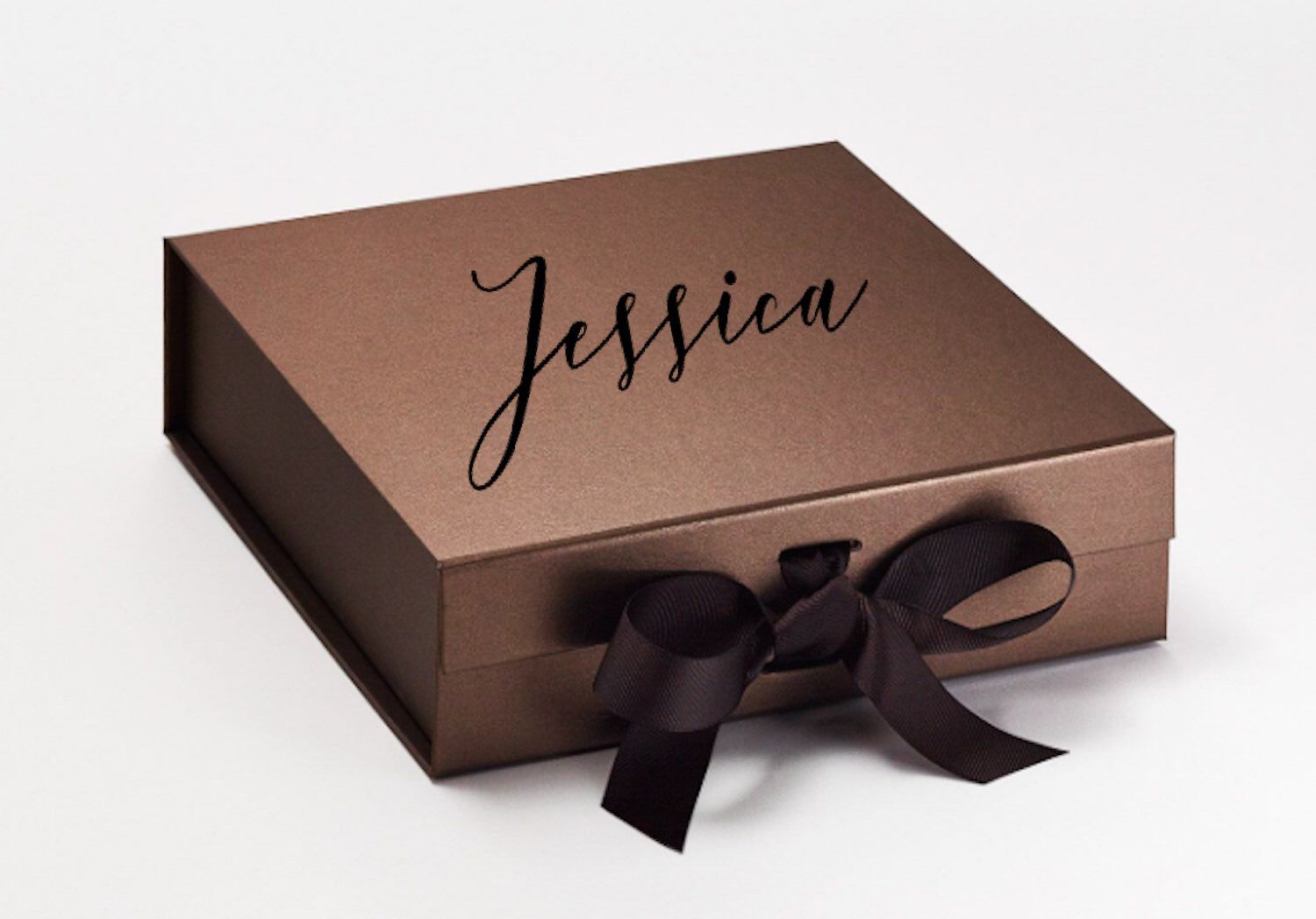 Personalized box Source: Print Shell[/caption]
- Target turnaround time: Web-to-pack automation streamlines the entire process, from design to production to converting. Customers can self-serve the design and submit their packaging artwork online, reducing the time spent on communication circles. In an inkjet production environment, fast print speeds paired with automated converting allow quick turnaround times. Be prepared to talk to suppliers about your current SLAs and how you can improve upon them.
- Reduced waste: Inkjet printing intrinsically enables short-run and on-demand production, reducing excess inventory and minimizing waste. By offering web-to-pack to clients, you can highlight your ability to support constantly changing designs that do not result in sending warehoused inventory to be recycled without ever being used.
- Variable data printing: Web-to-pack platforms combined with inkjet technology open the door to offering more than customization – it enables true personalization at the text and graphic levels. The package becomes more than a product wrapper! It takes on a role in advertising. This is particularly useful for personalized packaging, such as including individualized messages, barcodes, or QR codes.
- Improved supply chain efficiency: Automated web-to-pack solutions enable seamless integration between customers, printers, and packaging manufacturers. By automating the ordering and production process, there is less chance for errors, delays, or miscommunication, leading to improved supply chain efficiency.
- Enhanced customer experience: Web-to-print for packaging empowers customers by providing them with the ability to design and personalize their own packaging. This level of customization enhances the overall customer experience and can help create a stronger connection between the brand and its consumers.
- Cost justification: Inkjet technology is ideal for short print runs. It eliminates many of the setup costs associated with flexography or offset printing while producing high-quality print that is durable and suitable for converting. Web-to-pack using inkjet printing is cost-effective for small to medium-sized print jobs, especially when compared to traditional printing processes. Whether you are changing or expanding your print processes, or simply automating existing processes, be prepared to talk to suppliers about measurable cost savings.
No matter where you are in your web-to-packaging journey, use these questions and guidelines to prepare for your vendor meetings. Once you settle on a path, don’t forget to create customer-facing material to tell everyone how they can use web-to-pack to lift their businesses, too.
Editor’s note: If you want to learn more about how inkjet technology is expanding into the world of packaging, check out these other articles on Inkjet Insight:
2023 Inkjet Shopping Guide for Post-Print Corrugated Presses
2023 Inkjet Shopping Guide for Corrugated Presses Part 2: Pre-Print Plus
2023 Inkjet Shopping Guide for Flexible Packaging Presses
Opening Opportunities – The Latest Inkjet in Folding Carton Print