- Is there a written strategy designed to adopt sustainable business models? Some companies create a company-wide mandate to guide decisions about purchasing, handling waste, energy usage, and labor management. If your company defines a strategy at the start of each business year or some other regular cadence, you may participate in the sustainability strategy story. As you look at the UN Global Compact chart, list of how you meet the four strategic goals. If you don’t have a written formal strategy, this is a great time to begin identifying the things you do or would like to do.
- Are the business goals aligned with sustainability goals across the business?
As companies grow and evolve, they decide how to grow their employees, how to add new employees, training options, and the corporate culture. How does your company approach employee management? What does the company do to invest in employee well-being, including training and incentives?
While the Global Compact goals focus on transitioning to a more sustainable environment, you should look at the incentives and benefits you provide. Do you:
- subsidize employee use of public transportation?
- provide incentives for riding a bike to work?
- support the use of alternative energy vehicles with charging stations in the parking lot?
- provide access to learning libraries and continuing education?
- provide access to advanced vendor training?
- What are your supply chain and data management processes? Consider how you manage the substrates you buy. Do you require Forest Stewardship Council certification for all paper-based materials you buy? Do you ask your vendors to supply their sustainability certifications to you? Do you collect and use data to monitor consumables, including paper and ink, as well as solvents and chemicals used in cleaning equipment? Consider your vendor and supplier relationships as well as your buying criteria. You may be checking quite a few boxes because you have built automated systems that collect data at every stage of your process, from raw materials acquisition to cleanup at the end of the job.
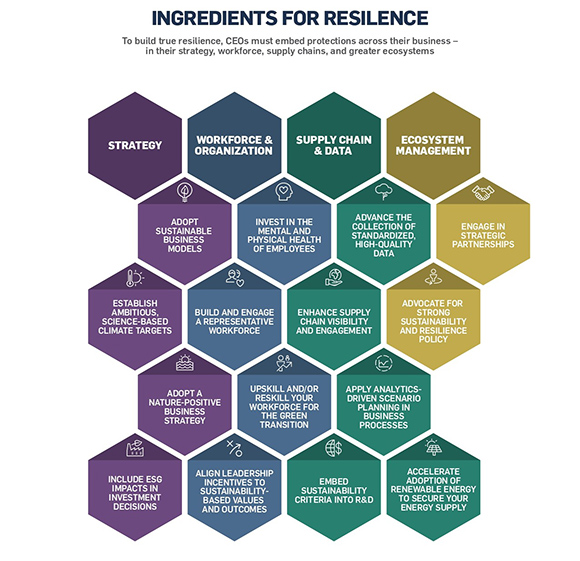 UN Global Compact Sustainable Development Goals[/caption]
- Do you consider sustainability as you build new partnerships? It isn’t a requirement, but think about your criteria for engaging new partners and buying new products. They can be valuable in asking about sustainability philosophies and advocating for strong policies.