Weathering the past two years has surfaced opportunities for all types of efficiencies. We've covered many of them, from adding web-to-print to streamline job onboarding to rethinking your approach to workflow automation (just do it!). Bringing inkjet to your shop requires both because these machines are productive!
Beyond the job onboarding and workflow efficiencies, there is one more thing to consider as you bring inkjet to your business. How will you communicate your new capabilities to your customers?
It isn't a casual question. Some companies launch open house events to introduce their new capabilities, while others barely mention their new technology to customers. In all cases, there is an impact on sales and customer services that demands planning. Setting expectations will be necessary to ensure that team members understand the technology and how to respond to customer concerns. Be prepared for these three situations!
- Substrate options may change. Clients often have a favorite paper stock for their work. It may be possible to accommodate what they want, but you should develop a talk track for everyone in your team to cover the alternative situations. Today's inkjet presses are flexible, but there are situations where ink formulations are incompatible, or the process of priming paper to make it compatible would be a mismatch for client requirements. HINT: Look at the work you do that would be appropriate for the inkjet press. List the paper the customer has specified in the past and determine if it will work on the new press. For those situations where you have a mismatch, look for reasonable alternatives and develop a pitch to the customer. You might run a small sample to show them how it will look! And, if you have a new pricing option based on the move to inkjet, don't forget to lead with that!
- Color management requirements may change. In some cases, work comes to the shop in what clients think of as print-ready form. They believe that all design and color management is complete. The only thing that may be lacking is imposition. Most printers know that there is almost no such thing as a truly print-ready customer file, but many will take those files and push them through. Anything the customer doesn't like about the final product can be corrected for a charge! This is not a best practice when you move to the inkjet work because it can cost you money! Remember that ink is the consumable and ink can represent a significant portion of the cost of goods sold. You don't want to use any more ink than necessary to meet the client's expectation. If you take that print-ready file and run it on the press, you may discover that you are using far more ink than you anticipate. This happens when the file you receive is prepared by people used to preparing for offset or toner devices. If you review the file, you may find ink limits set very high. I've seen black set to 350%! In an inkjet environment, even with flattening that may occur using profiles, you may find that you are using too much ink. Take the time to learn how your press interprets ink limits in files and what control you have of the ink using profiles. Learn where device-link profiles fit and how to use them to save some money. Take a look at other posts on Inkjet Insight about ink estimating and ink limiting. And take some time to educate customers about the power of inkjet. It doesn't need files that specify massive over-inking to get great, vibrant color. With inkjet, less is often more.
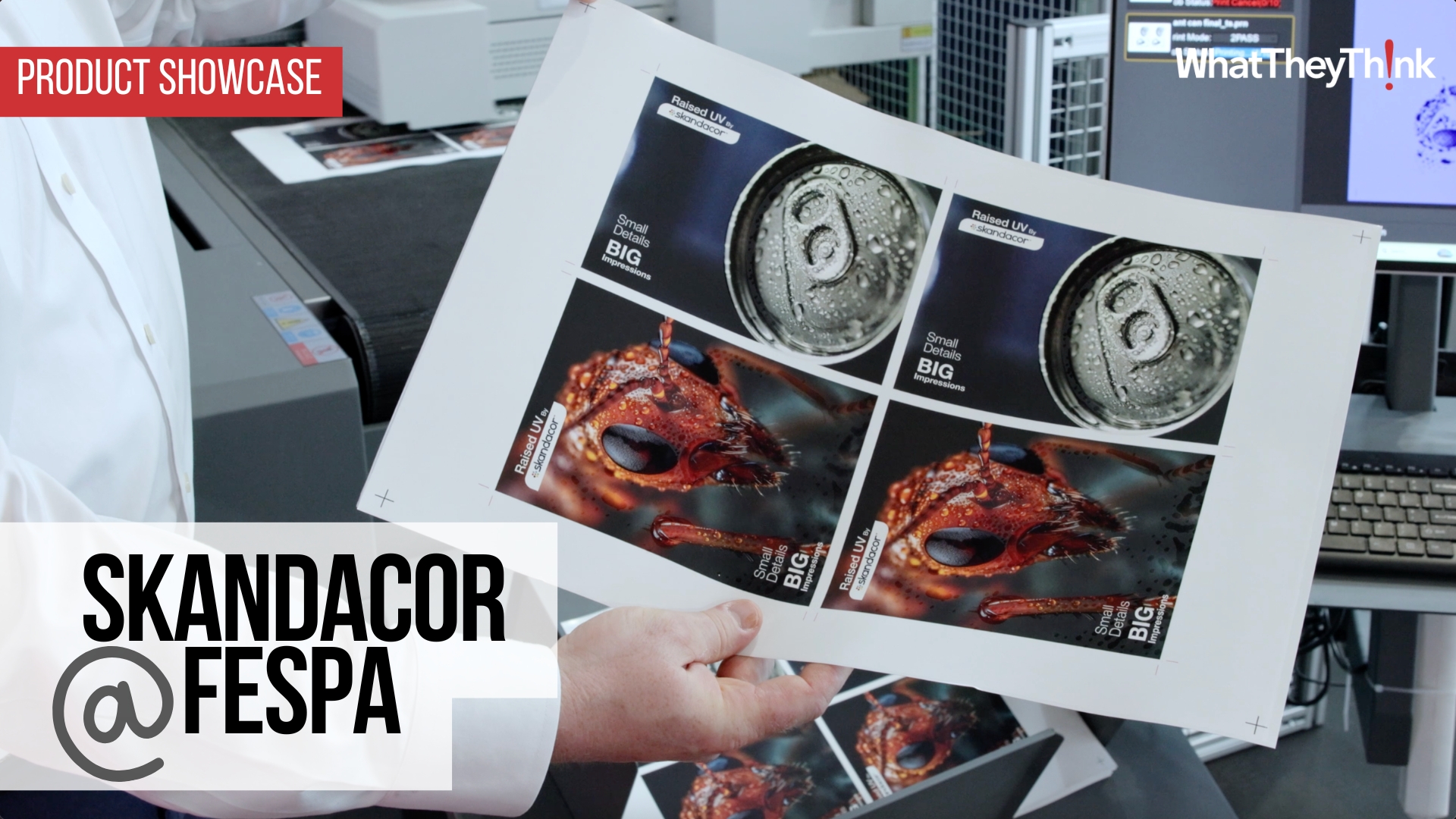
- It doesn't look the same. No, really. It doesn't look the same. If the client is used to the look of offset print and you bring an inkjet-produced piece to them, they are likely to notice that it doesn't look the same. It's not better. It's not worse. It's different in an almost indescribable way. The same is true if your customers are used to toner-produced print. It does look different! How will you handle the client who calls to complain? This is a case where the best defense is a good offense. For jobs you would like to move to your inkjet press, print customer work and show it to them. Get them comfortable. Many may not see any difference, but for those that do, have a backup talk track. Can you reduce their cost? Use that as a talk track. Can you run or more cost-effective substrates or give them access to upmarket substrates? Look for the value in your inkjet offering and get everyone on the same page. The worst thing you can do is leave the explanations to the team. Everyone will come up with different stories. You want to be consistent as you talk to your customers.
The take-away is that you need to prepare for a new set of conversations with your customers. Plan them well in advance. Practice them. Quiz the team to be sure that everyone is on the same page. And, silly as it sounds, try to find the nay-sayers. The last thing you want is a team member telling the customer that inkjet work is subpar or somehow less valuable than other technologies. It happens more commonly than you might think.