WhatTheyThink

Premium Commentary & Analysis

Evolutionary, Not Revolutionary: Digital Workflow Driving Diverse Applications

Why are companies of all stripes automating document processes with digital workflow?

Friday, May 17, 2002

Why are companies of all stripes automating document processes with digital workflow? "With the expense of reprints, manual tracking, mailings and other practices, it typically more than pays for itself in reducing those costs alone, especially in today’s economy. There are massive cost implications for high volume environments," says Alan Sullivan, IBM Printing Systems consulting & integration services practice leader (www.ibm.com/printers), but digital workflow is turning up in a variety of other situations, including short-run applications and print-on-demand operations.

"The beauty of an approach like IBM InfoPrint workflow is that the same ‘backbone’ can be used to automate any output management application," says Sullivan. He can cite numerous examples of ways organizations have creatively used digital automation to improve operations and profitability. A major book retailer implemented digital reproduction for more manageable POD costs and control. The nationally known chain uses the same workflow backbone for just-in-time ordering, printing, binding and mailing.

From Airport Maps to Government Brochures
With a backbone-based approach, operations use the same tool to handle the movement of data and check status of hardware and processes such as binding in POD and inserting for transaction applications. The IBM InfoPrint workflow model allows users to add or remove functionality as needed, and the engine gathers information and shares it with other components automatically.

In another diverse application, airport maps for pilots are assembled and updated electronically for improved safety and reduced liability. Changes are made automatically and consistently, and the integrated, intelligent workflow keeps track of who has what version to ensure flight personnel receive the most current and appropriate maps.

A federal government agency printed and stored brochures in quantities of 1,000, and employees had to physically locate and retrieve materials as needed. Eventually the agency could not find a building large enough to house the ever-growing inventory, so a backbone-based solution was put in place to digitize publications. Now printing, binding and shipping are handled on request, and inventory woes are greatly reduced.

Common to many of these and other digital workflow applications is the blurring of the lines between output management and customer relationship management (CRM), or more simply, response management. Digital workflow is letting companies link production processes with response processes for greater efficiency and better service.

Better Information Exchange Must Include Staff
Whether application-specific like sorting automation or claims processing, or a cross-functional enterprise-wide process such as computer-integrated manufacturing, digital workflow is about controlling and automating information delivery. Efficient, accurate information exchange is critical across all areas of an organization, and digital workflow is making it easier to automate information management.

Yet there is one area where information delivery and processing frequently gets short shrift. Often-overlooked when implementing digital workflow is the impact on operators and other staff who must deal with the tools on a daily basis. "Most companies don’t consider the complete production environment and staff when implementing digital workflow. Typically, a customer wants their workflow to do everything, but you find that the document staff can’t absorb it all at once, and they won’t know what to do with it," Sullivan notes. "Digital workflow should be implemented in stages to allow operations people to gain experience and knowledge in an evolutionary, not a revolutionary process."


Continue reading your article
with a WhatTheyThink membership.

WhatTheyThink Annual Membership

Less than $4/week.

Get unlimited access to in-depth commentary and analysis covering the latest trends, emerging technologies, operational strategies, and key events across every segment of today's printing industry.

Stay informed. Stay competitive. Stay ahead.
WhatTheyThink Day Pass

$5 for 24 hours

Unlimited access to all of WhatTheyThink. Get your Day Pass

Already a member?
Sign In

About WhatTheyThink

WhatTheyThink is the global printing industry's go-to information source with both print and digital offerings, including WhatTheyThink.com, WhatTheyThink Email Newsletters, and the WhatTheyThink magazine. Our mission is to inform, educate, and inspire the industry. We provide cogent news and analysis about trends, technologies, operations, and events in all the markets that comprise today's printing and sign industries including commercial, in-plant, mailing, finishing, sign, display, textile, industrial, finishing, labels, packaging, marketing technology, software and workflow.

Recent Articles from WhatTheyThink

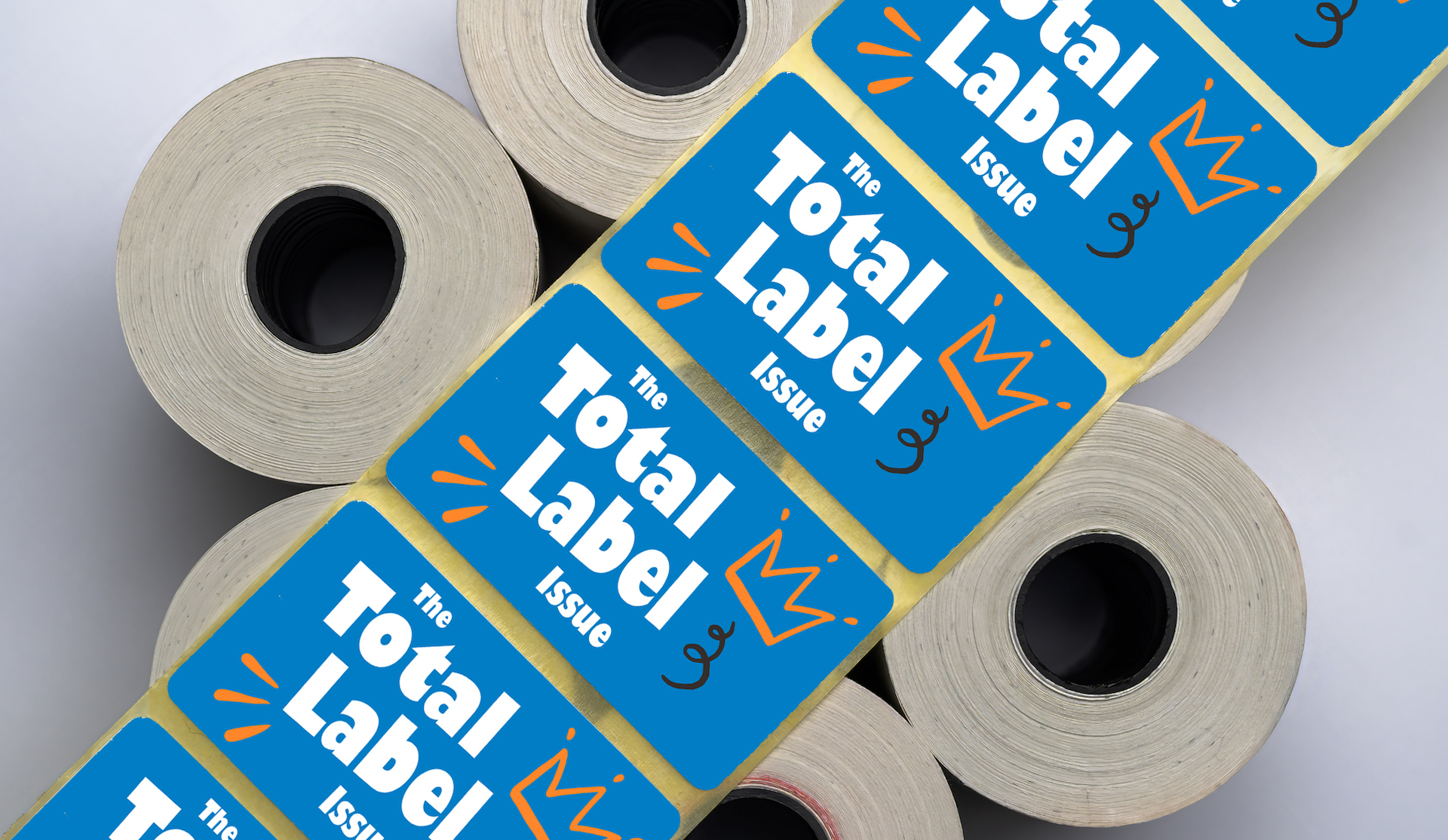
The Total Label Issue

The Total Label Issue

This issue of the WhatTheyThink Quarterly is all about labels, which are seen as a high-growth part of commercial printing, driven by e-commerce, food/beverage demand, and regulations. The market has surpassed 1.2 trillion square meters of label production volume per year, and is moving toward high-mix, low-waste production rather than only high-volume throughput. While flexo is still used for high-volume label production, digital label printing often complements it—or in some cases replaces it. But labels are about more than printing technology. Read More
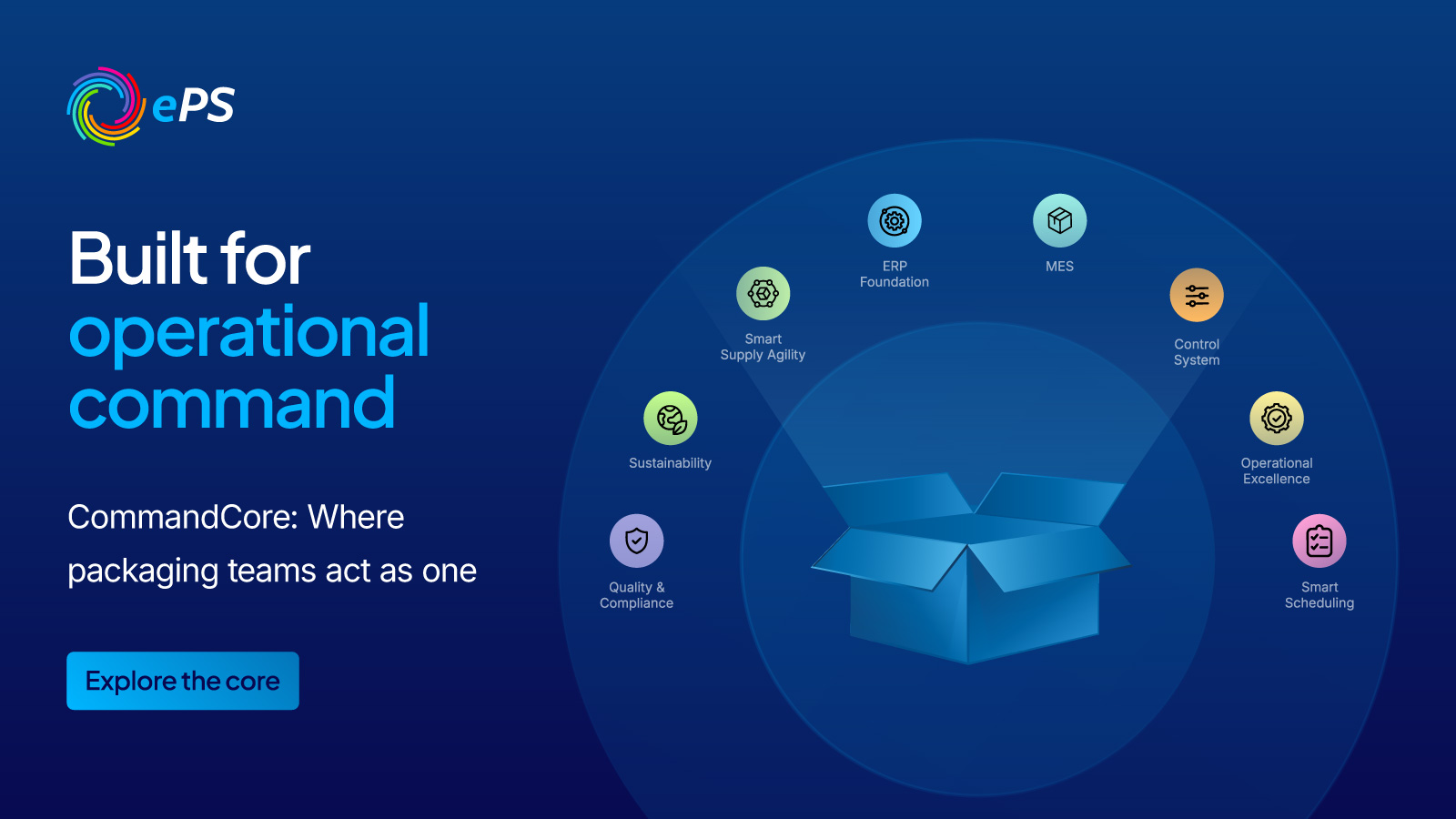
The Unified Platform for Packaging Manufacturing Excellence

The Unified Platform for Packaging Manufacturing Excellence

Leverage 30+ years of plant-floor expertise. Trusted by 700+ packaging manufacturers globally to reduce waste, optimize scheduling, and drive digital transformation. One unified foundation. Eight packaging-native pillars. Zero fragmentation. Read More
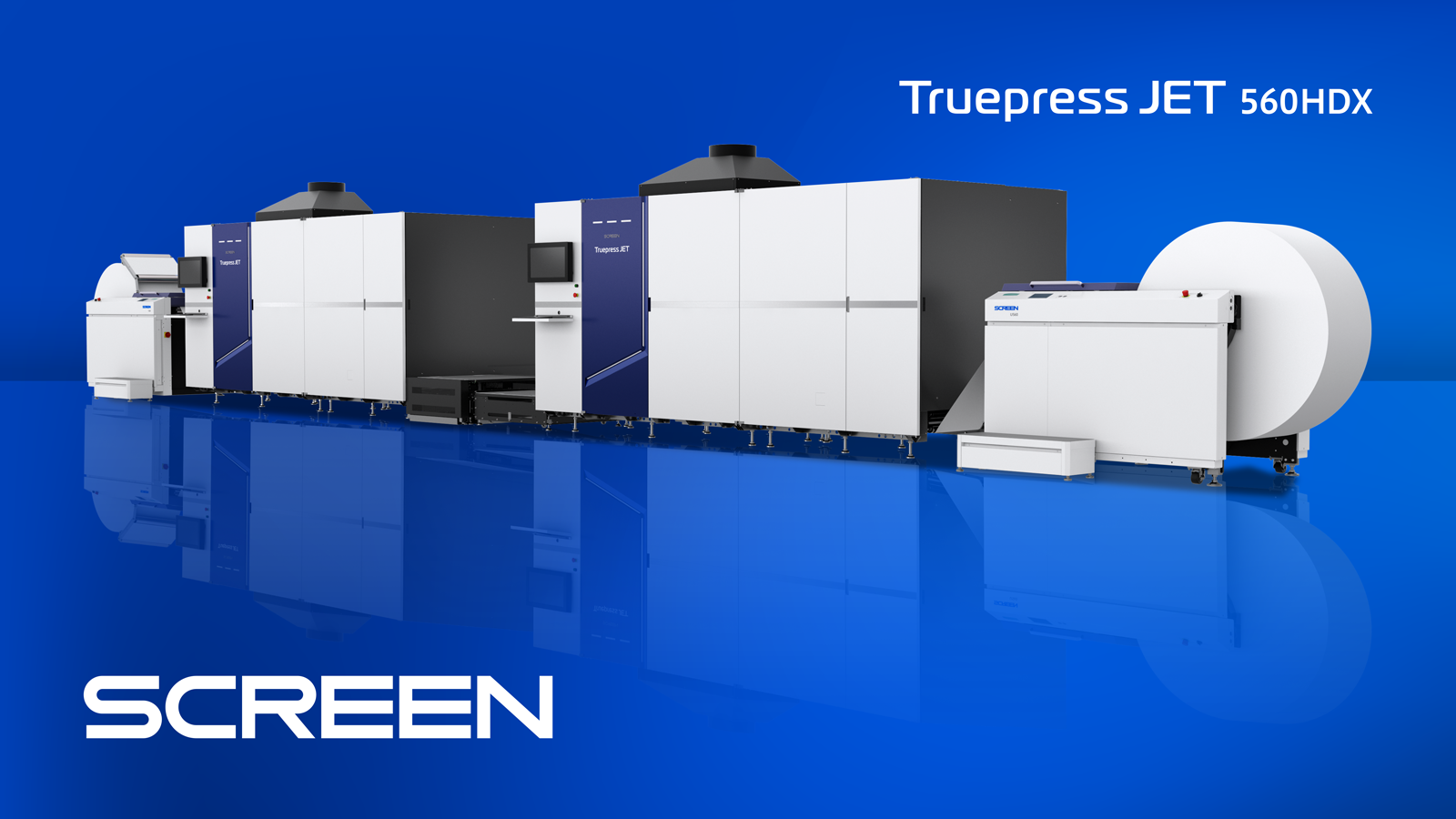
Expand Your Opportunities with the Truepress JET 560HDX from SCREEN

Expand Your Opportunities with the Truepress JET 560HDX from SCREEN

Commercial, direct mail, and publishing printers accustomed to producing jobs over several weeks can now print them in days with the SCREEN Truepress JET 560HDX. The press can accommodate 120 lb. coated or uncoated paper up to 560 mm wide. Read More

Around the Web: Of Water and Winners

Around the Web: Of Water and Winners

A sign-writer created the visual style of music festivals. The “2026 Milky Way Photographer of the Year” winners. AI appears to be catching on among the Amish. Sony has upgraded its wearable air conditioner. How to easily reuse produce bags. A complex digital water clock. A Nobel Prize–winning technology is able to extract water from dry air. Yes, it is possible to be allergic to water. Laser-induced graphene on Kevlar enables multifunctional structural composites. The “most desired” place in each of the 50 states. “The rise in plastic surgeons asked to create ‘AI face.’” K-pop band BTS has teamed with Oreo to release limited edition OREO x BTS Cookies. Welcome to WhatTheyThink’s weekly miscellany. Read More
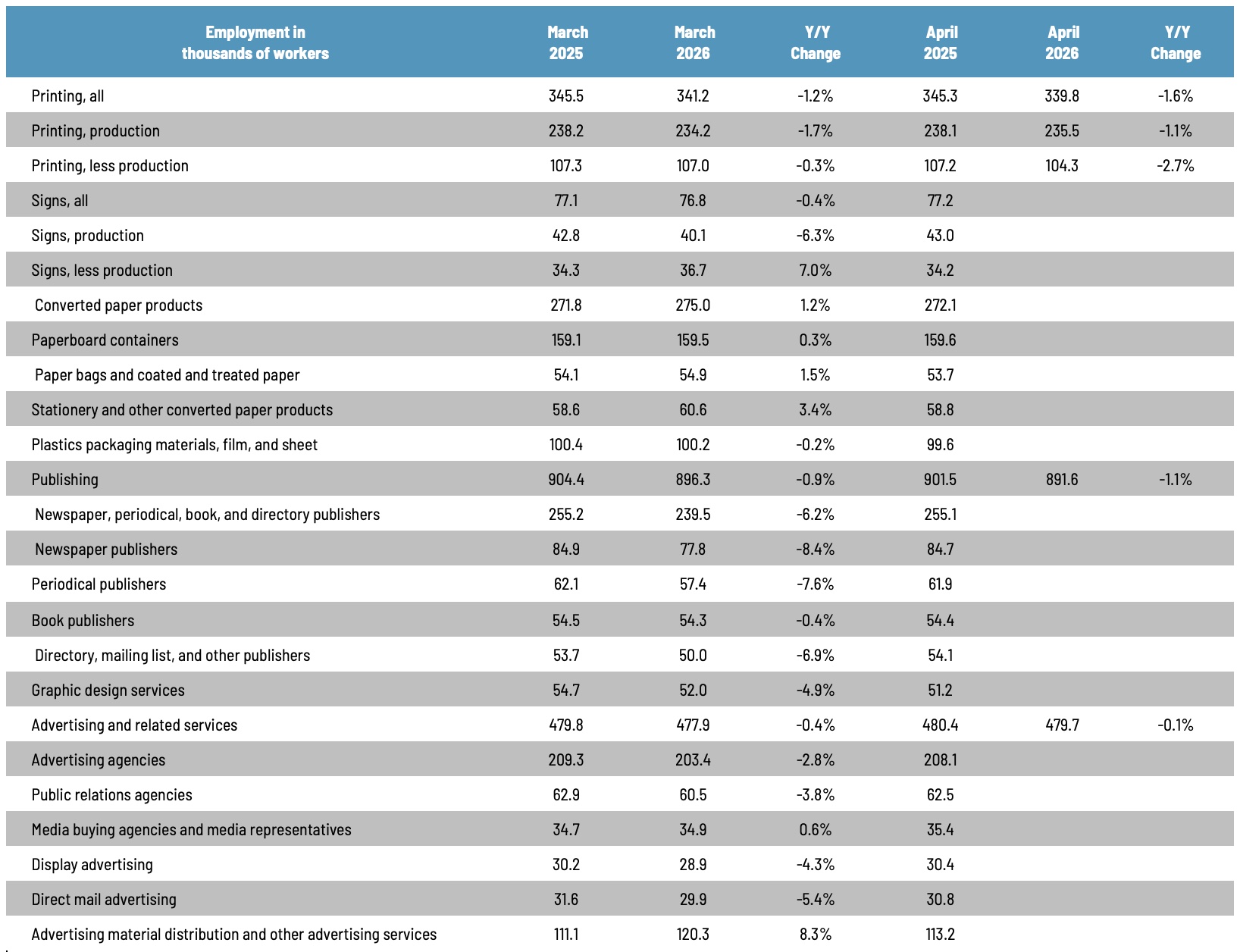
Graphic Arts Employment in April Down Overall—Substantially Among Non-Production

Graphic Arts Employment in April Down Overall—Substantially Among Non-Production

April 2026 saw printing industry employment overall generally flat, down 0.4% from March. And while production employment was up 0.6%, non-production employment was down by 2.5%—basically the reverse of what we saw in March. Read More

Recent Printing Industry News

Wednesday, June 03, 2026