WhatTheyThink

Premium Commentary & Analysis

How Print Buyers Can Cut Print Production Time

Lately,

Tuesday, July 03, 2001

Lately, I've heard complaints from consumers who wonder why print jobs take so darned long to complete. After doing a little digging to find out specifically what their situations were, it became clear that they shared the blame for much of the delay.

Here are 6 basic rules of thumb about the process of working with a printer that can save consumers production time:

1. Be specific with your printer from day one. Tell him or her what you need done, when you absolutely need delivery (be honest, don't make the printer jump through hoops for nothing), and how you plan to deliver the job. What software will you use to create it? Your printer needs to know; it will definitely affect production time and costs.

2. Tell your printer how you're going to use this piece. Once it's printed, does it need binding or other finishing? Drilling? Die-cutting? Does it need to be addressed and mailed? Where is its final destination? Will it be inserted into a mailing package with other material? Printers have connections, capabilities, and lots of resources. Many can handle mailing and fulfillment on-site. Give your printer the whole story early on, so that you don't waste time on the back end of the job. For example, you may be sending your job to a mail house for addressing and mailing, when your printer might be able to address the pieces as they come off the press.

3. Have good job specs handy when requesting price estimates. If you're not sure of the quantity, ask your printer to quote on a few quantities (not a huge laundry list, please!), so that time isn't wasted by your requesting new quantities day after day.

4. Ask for a schedule. . .and stick to it. It needn't be formal, depending on how simple or complex your job is. Work backward from the due date. The schedule should include key dates, like delivery of your file, proofs due from the printer, proofs approved by you, and final delivery date.

5. Turn your proofs around ASAP. This usually means the same day you get proofs from your printer. If you hold up your proofs, the printer may not be able to make your delivery date. (Try and limit the people on your end who have sign-off responsibility, too. The more people who look at a proof, the more likely they'll want to make copy changes.)

6. Keep AA's to a minimum. AA's are Author's Alterations, which are changes you make to a job after it's been sent to a printer. (Expect to pay for AA's, although not every printer will charge you.) Save time by preparing your copy carefully BEFORE you send the job to a printer. Lots of people wait until they see their copy typeset before editing it: inefficient idea! This will seriously eat up your production time and cost you more, as well.


Continue reading your article
with a WhatTheyThink membership.

WhatTheyThink Annual Membership

Less than $4/week.

Get unlimited access to in-depth commentary and analysis covering the latest trends, emerging technologies, operational strategies, and key events across every segment of today's printing industry.

Stay informed. Stay competitive. Stay ahead.
WhatTheyThink Day Pass

$5 for 24 hours

Unlimited access to all of WhatTheyThink. Get your Day Pass

Already a member?
Sign In

About WhatTheyThink

WhatTheyThink is the global printing industry's go-to information source with both print and digital offerings, including WhatTheyThink.com, WhatTheyThink Email Newsletters, and the WhatTheyThink magazine. Our mission is to inform, educate, and inspire the industry. We provide cogent news and analysis about trends, technologies, operations, and events in all the markets that comprise today's printing and sign industries including commercial, in-plant, mailing, finishing, sign, display, textile, industrial, finishing, labels, packaging, marketing technology, software and workflow.

Recent Articles from WhatTheyThink

The Total Label Issue

The Total Label Issue

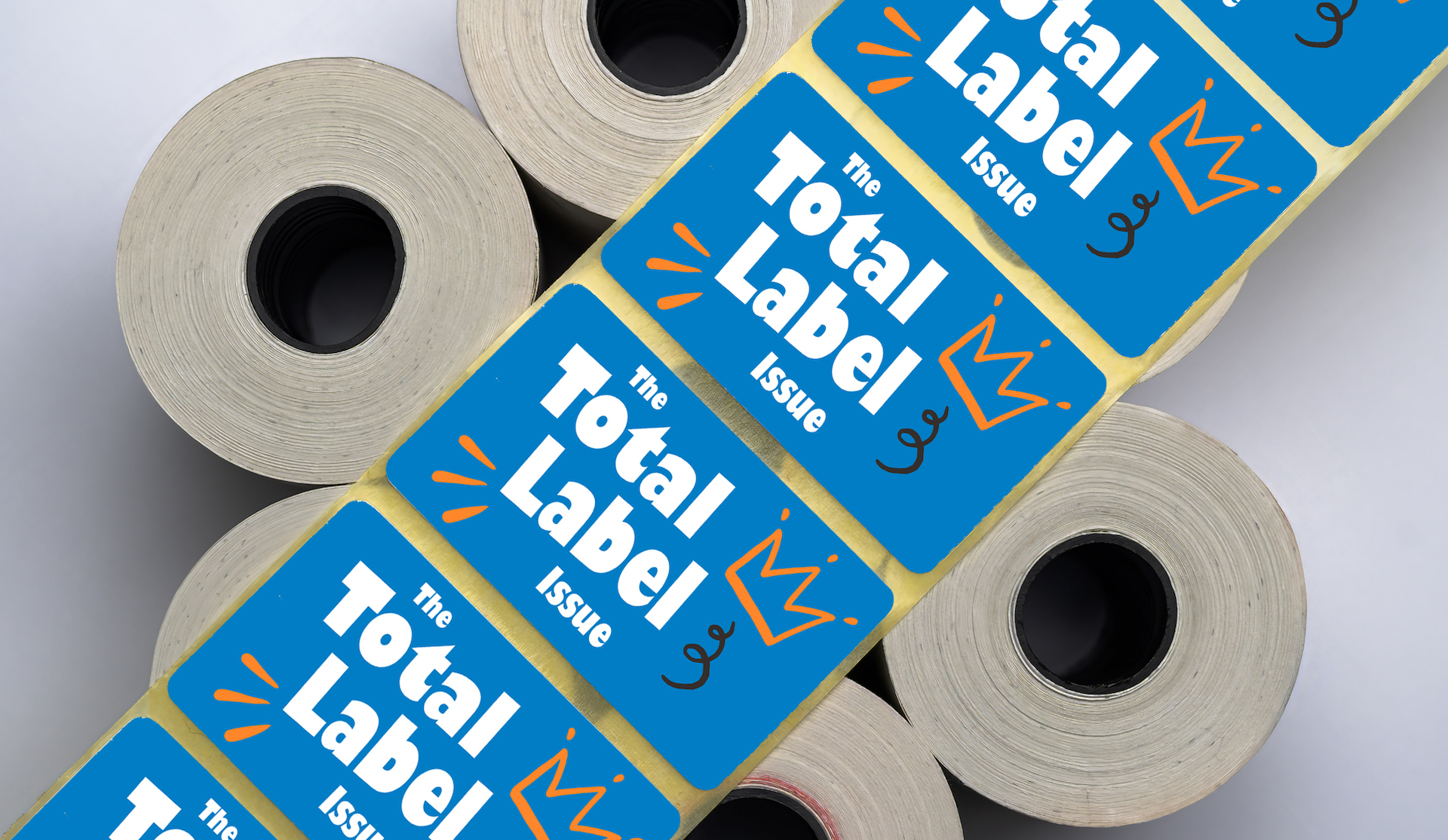
This issue of the WhatTheyThink Quarterly is all about labels, which are seen as a high-growth part of commercial printing, driven by e-commerce, food/beverage demand, and regulations. The market has surpassed 1.2 trillion square meters of label production volume per year, and is moving toward high-mix, low-waste production rather than only high-volume throughput. While flexo is still used for high-volume label production, digital label printing often complements it—or in some cases replaces it. But labels are about more than printing technology. Read More
The Unified Platform for Packaging Manufacturing Excellence

The Unified Platform for Packaging Manufacturing Excellence

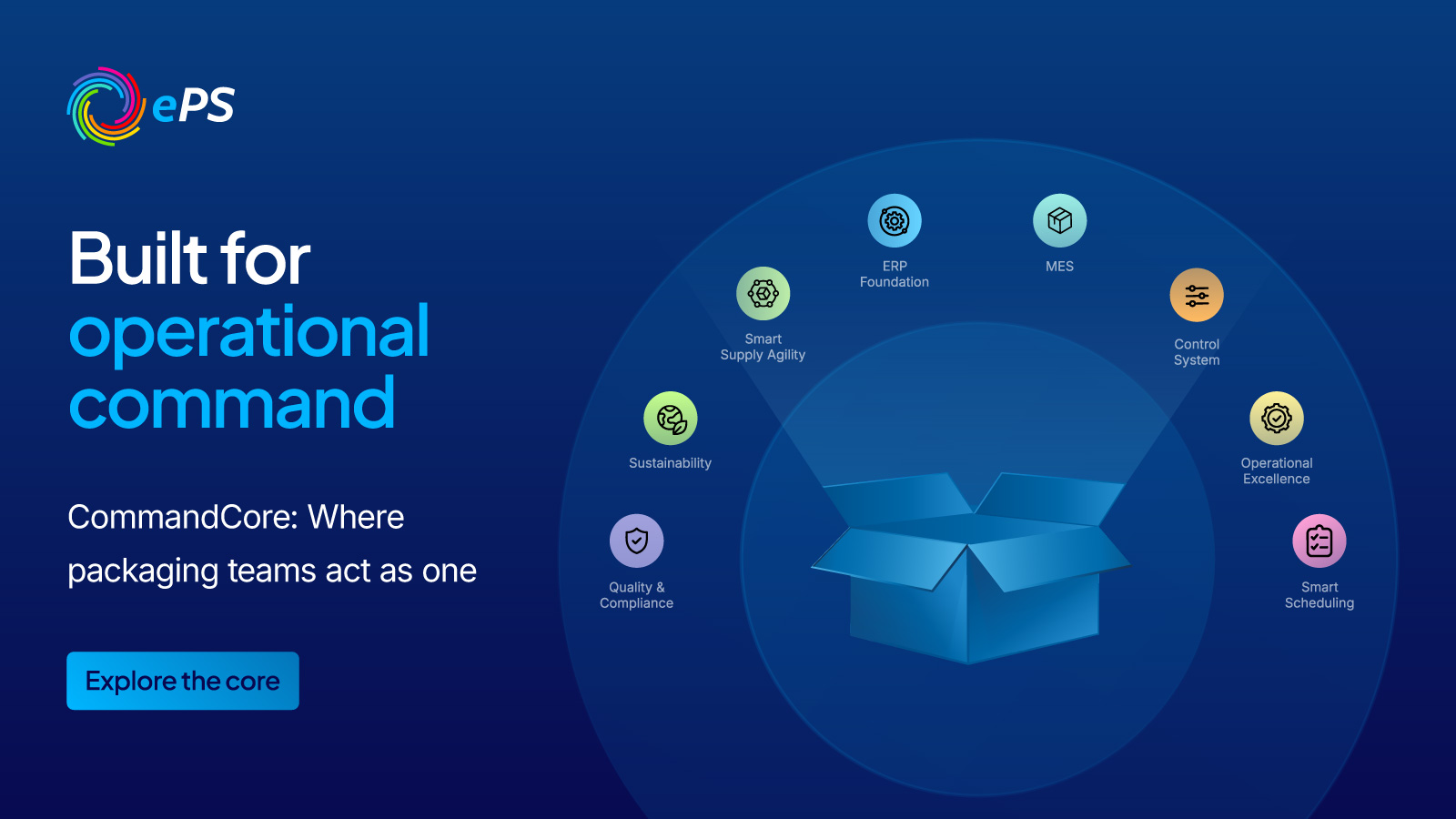
Leverage 30+ years of plant-floor expertise. Trusted by 700+ packaging manufacturers globally to reduce waste, optimize scheduling, and drive digital transformation. One unified foundation. Eight packaging-native pillars. Zero fragmentation. Read More
Expand Your Opportunities with the Truepress JET 560HDX from SCREEN

Expand Your Opportunities with the Truepress JET 560HDX from SCREEN

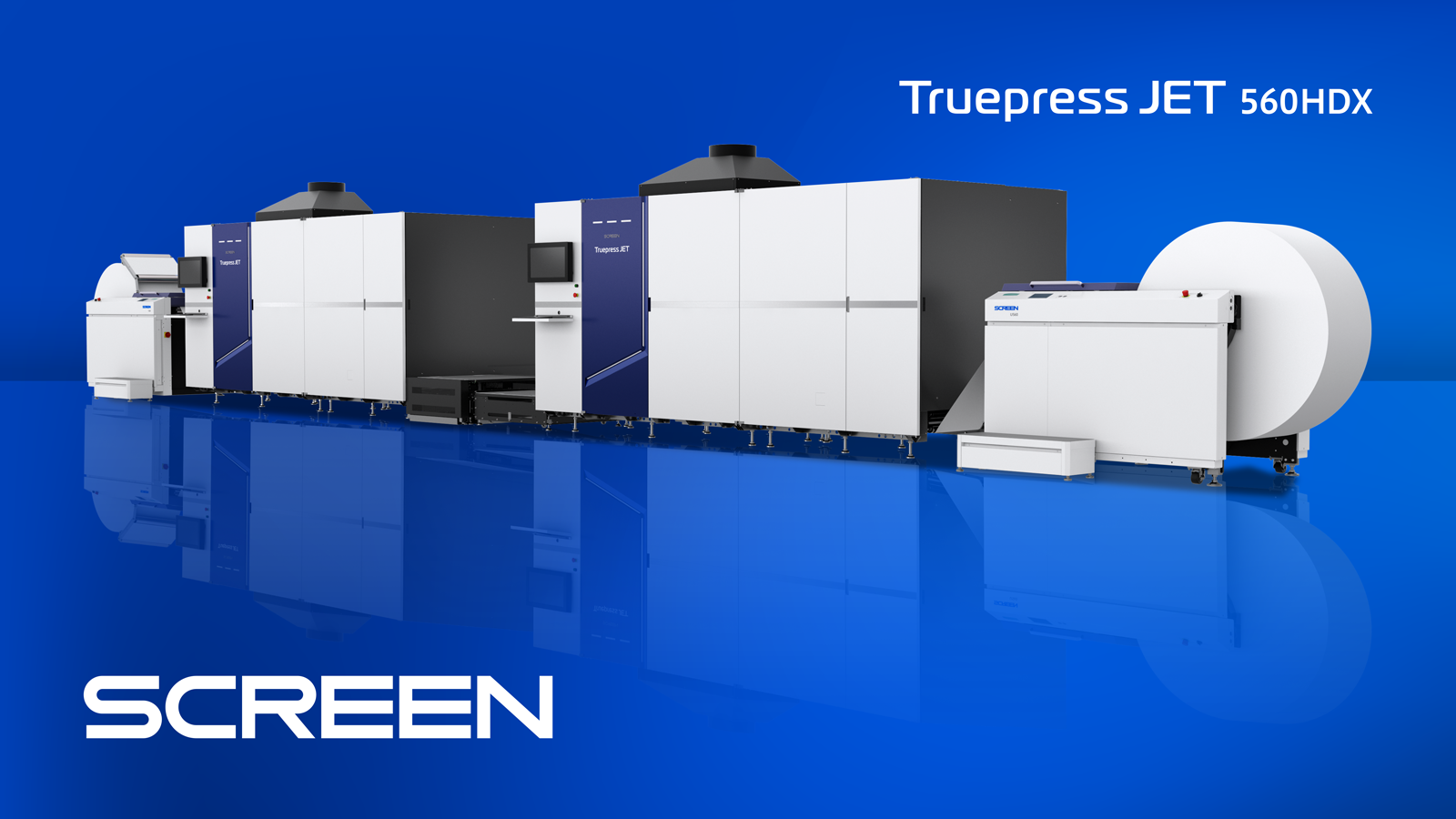
Commercial, direct mail, and publishing printers accustomed to producing jobs over several weeks can now print them in days with the SCREEN Truepress JET 560HDX. The press can accommodate 120 lb. coated or uncoated paper up to 560 mm wide. Read More

Around the Web: Of Water and Winners

Around the Web: Of Water and Winners

A sign-writer created the visual style of music festivals. The “2026 Milky Way Photographer of the Year” winners. AI appears to be catching on among the Amish. Sony has upgraded its wearable air conditioner. How to easily reuse produce bags. A complex digital water clock. A Nobel Prize–winning technology is able to extract water from dry air. Yes, it is possible to be allergic to water. Laser-induced graphene on Kevlar enables multifunctional structural composites. The “most desired” place in each of the 50 states. “The rise in plastic surgeons asked to create ‘AI face.’” K-pop band BTS has teamed with Oreo to release limited edition OREO x BTS Cookies. Welcome to WhatTheyThink’s weekly miscellany. Read More
Graphic Arts Employment in April Down Overall—Substantially Among Non-Production

Graphic Arts Employment in April Down Overall—Substantially Among Non-Production

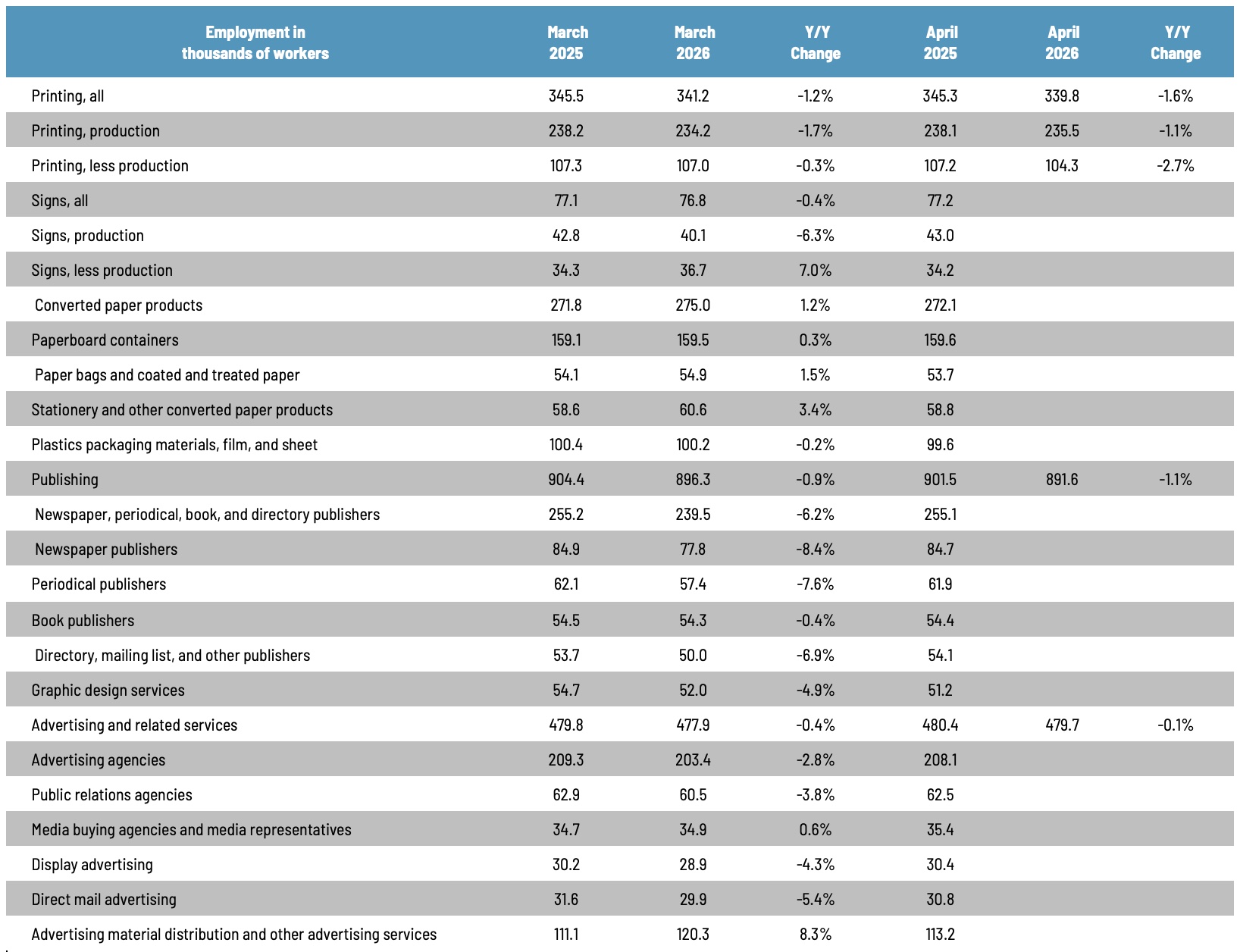
April 2026 saw printing industry employment overall generally flat, down 0.4% from March. And while production employment was up 0.6%, non-production employment was down by 2.5%—basically the reverse of what we saw in March. Read More

Recent Printing Industry News

Wednesday, June 03, 2026