WhatTheyThink

Premium Commentary & Analysis

Darlene Sobers, The Reliable Corporation

Darlene Sobers has been in the production area of the print business for over 20 years.

Saturday, August 25, 2001

Darlene Sobers has been in the production area of the print business for over 20 years. Previous to her 6 years with Reliable, she was with a privately-owned collectible company for 12 years handling the production of their catalogs. Previous to the collectible company Darlene spent 5 years at an industrial manufacturer purchasing catalogs, sell sheets and binders for the sales staff.

The year was 1917 - a sign reading "Reliable Stationery Co." was first raised above a Monroe Street entrance in downtown Chicago, and Reliable was born as a small contract stationer with a dedicated sales force. In 1937, the company was purchased by the Zenner family and renamed "The Reliable Corporation." In the 1960s, Reliable continued as a contract stationer but began looking into new ways to serve its customers better. They decided to dabble in direct response by creating catalogs to be mailed to current and new customers.

In May 1994, Reliable was sold to Boise Cascade Corporation and the following year became a subsidiary of Boise Cascade Office Products. The sale allowed Reliable and its customers to enjoy the resources of a larger company--one that now has 12,000 employees and sales of over $3.4 billion. Today, Reliable is proud to be one of America's largest direct marketer of office products.

Darlene Sobers is the Catalog Production Manager for Reliable.


Interview Archive

Darlene, tell us about the scope of Reliable’s reach.

We have approximately 500,000 active customers and ship out of 11 distribution centers across the country. We process and ship 3 million orders a year. We print over 10 catalog titles, such as, General, Customer, Furniture, Computer, etc. Our in-house advertising department will process thousands of pages a year for our catalog titles. The Catalog Production department is responsible for negotiating contractual agreements with our vendors, purchasing paper for our catalogs, monitoring the workflow of catalog pages from inception to mail and preparation and maintenance of our catalog costs.

How do you track all the pages and details needed to produce your catalogs?

We recently created a new position "Media Coordinator" who is responsible for scheduling and tracking the flow of our thousands of catalog pages each year. At present, this is a semi-automatic process. Even with this process, we have been able to conduct a time study to determine the length of time and cost involved in each step of this process to complete a catalog page. We are investigating new software/systems to automate this process in order to plan our catalog page flow more evenly, provide more detailed time study analysis and cost per page analysis. The addition of this new job function has helped us focus how to improve the process and work as a team to complete each catalog.

What about remote proofing, will that become part of your workflow?

Investigating remote proofing at our location with our pre-press vendor. We would send all information via a secured internet site and the completed proof would be sent to us immediately upon completion. This would save time for both companies and reduce our production cycle.

What is your proofing process now?

We have a Advertising department which will create copy and place images on the catalog page. We than send a laser proof with our digital file to the pre-press vendor who will rip, trap and furnish a Kodak Approval for a color OK. We also proof our pages on the type of stock we use to print our catalogs. This gives us a better understanding of how products will look on the printed page. The Kodak Approval, digital file and blueline in page sequence are sent to the printer who will create plates or roto cylinders to print our catalogs. We either photograph new products or the vendor will furnish a transparency or digital file for our use. We will have the pre-press vendor scan and supply a random for approval. They will furnish a JPEG which is what we use to place on our catalog page.

Being a large paper and print customer, how important is it for these vendors to be on the “same page?”

A knowledgeable customer service rep is the most valuable asset a printer or paper merchant can offer a customer. The Reliable Corporation has long standing partnerships with our current printers and paper merchant. Our customer service reps at both printers are very knowledgeable and flexible in scheduling a last minute change. Our paper merchant is always there for us when we need additional paper or want to select another type of paper. We have been able to project our estimated production information - catalog quantity, page count, mail date - to our current suppliers so they can plan paper usage, press time and bindery time to meet our mail date. Both parties need to be aware they are a team (at different companies) working towards a mutual goal.

The demise of mass printed catalogs - Do you see it happening?

Even though you are mailing catalogs to thousands of people, you need to speak one-to-one with each customer whether that is in the business to business or consumer world. There will be more focus to reduce the cost of one-to-one personalization for catalogs now and in the future.

What value does the Internet bring to the process of producing the catalog?

Computers and the internet are wonderful to research information, however I don't believe you can totally eliminate the human factor in communication. That's what we are talking about, communicating with our customers. I view the internet as an enhancement to our printed catalog. It is another tool for customers to communicate with their supplier. At this point, I don't see my company using this tool to place orders for print or paper.

Your catalog is your business - Tell us about the trust factor with your printers.

Create and maintain a long term partnership with your vendors. Building this trust factor takes time and diligence from both parties. But also be open with them when you are quoting another source on a project. They will understand and respect your decision. Business is business.


Continue reading your article
with a WhatTheyThink membership.

WhatTheyThink Annual Membership

Less than $4/week.

Get unlimited access to in-depth commentary and analysis covering the latest trends, emerging technologies, operational strategies, and key events across every segment of today's printing industry.

Stay informed. Stay competitive. Stay ahead.
WhatTheyThink Day Pass

$5 for 24 hours

Unlimited access to all of WhatTheyThink. Get your Day Pass

Already a member?
Sign In

About WhatTheyThink

WhatTheyThink is the global printing industry's go-to information source with both print and digital offerings, including WhatTheyThink.com, WhatTheyThink Email Newsletters, and the WhatTheyThink magazine. Our mission is to inform, educate, and inspire the industry. We provide cogent news and analysis about trends, technologies, operations, and events in all the markets that comprise today's printing and sign industries including commercial, in-plant, mailing, finishing, sign, display, textile, industrial, finishing, labels, packaging, marketing technology, software and workflow.

Recent Articles from WhatTheyThink

The Total Label Issue

The Total Label Issue

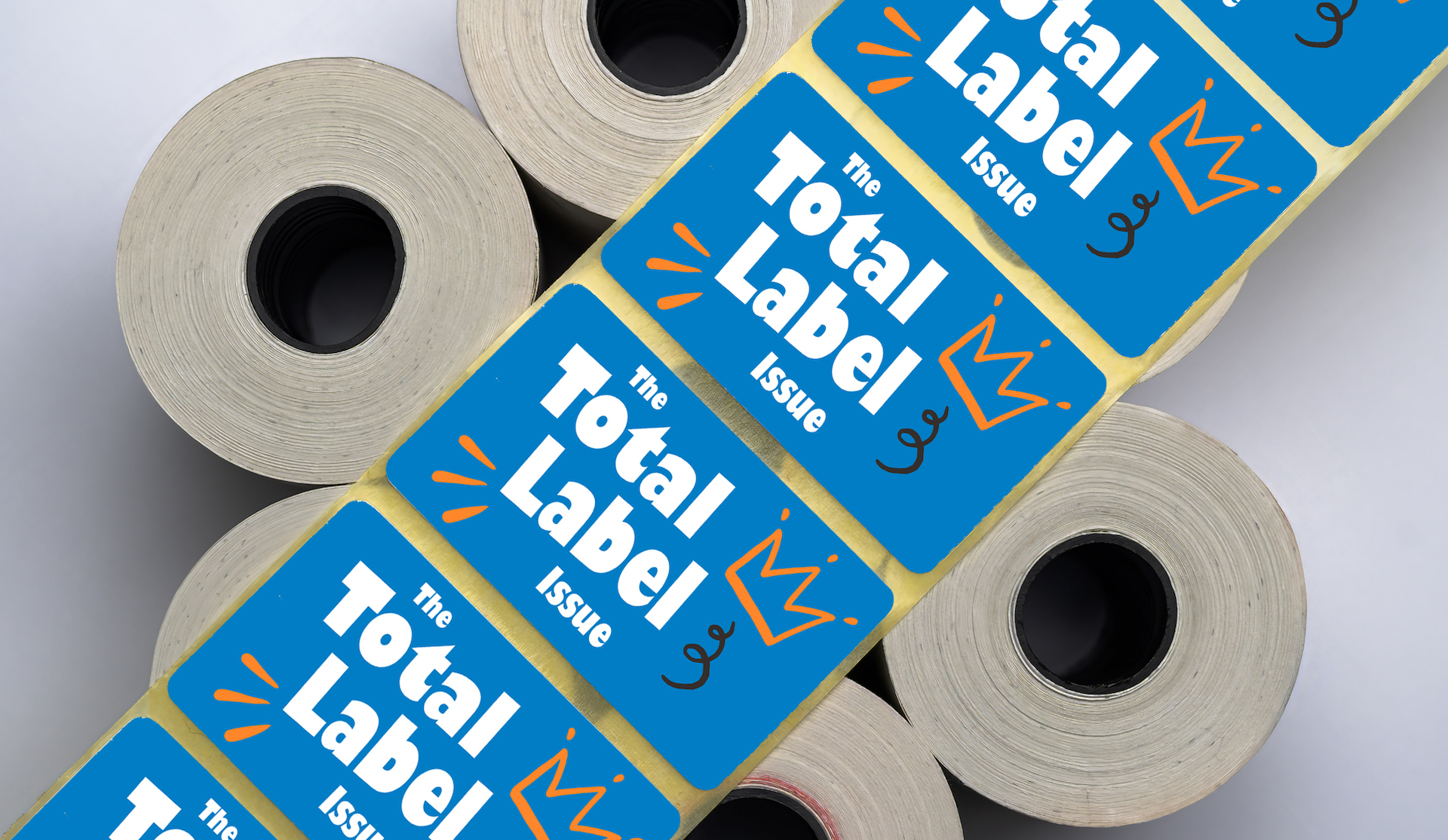
This issue of the WhatTheyThink Quarterly is all about labels, which are seen as a high-growth part of commercial printing, driven by e-commerce, food/beverage demand, and regulations. The market has surpassed 1.2 trillion square meters of label production volume per year, and is moving toward high-mix, low-waste production rather than only high-volume throughput. While flexo is still used for high-volume label production, digital label printing often complements it—or in some cases replaces it. But labels are about more than printing technology. Read More
The Unified Platform for Packaging Manufacturing Excellence

The Unified Platform for Packaging Manufacturing Excellence

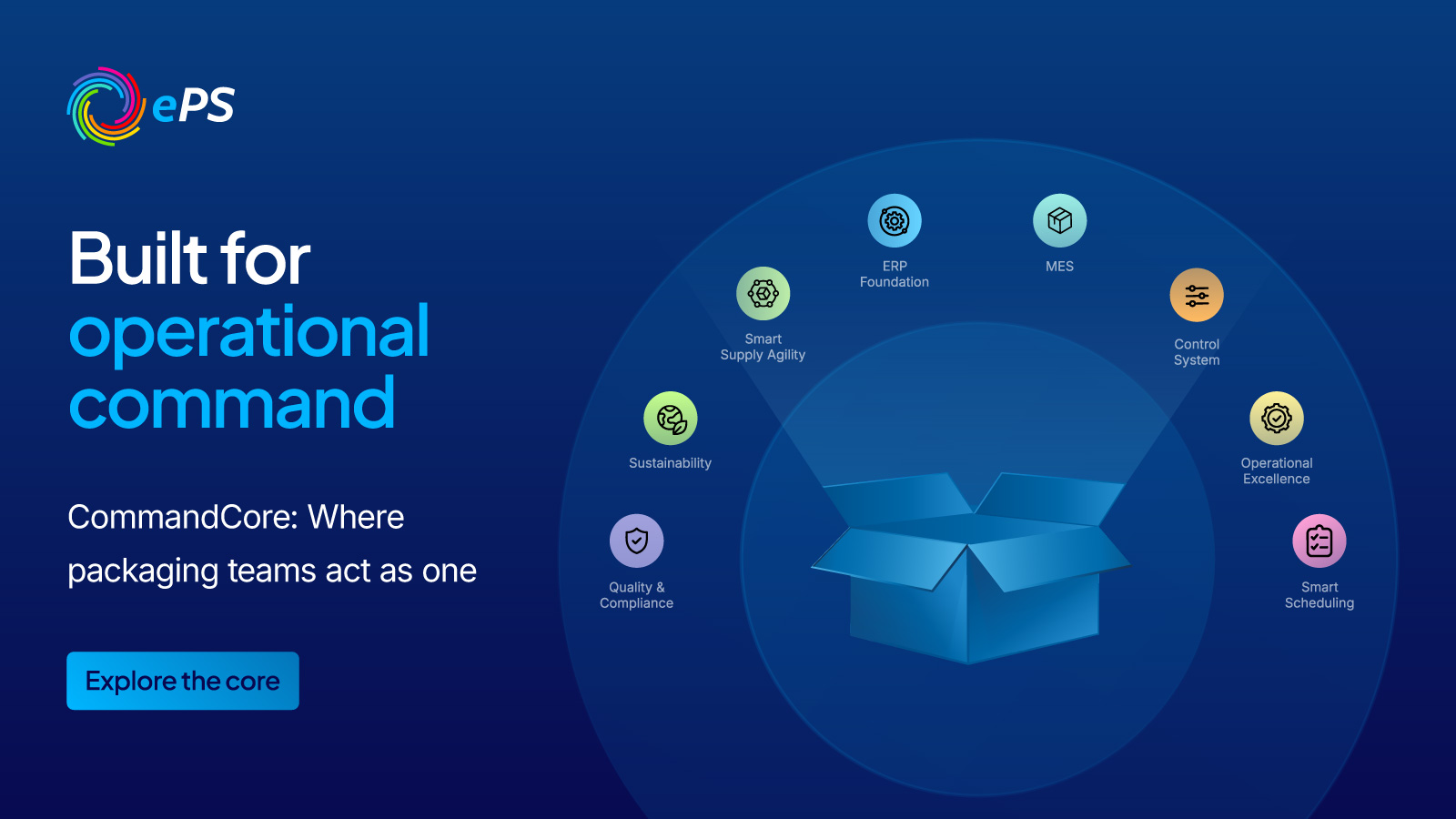
Leverage 30+ years of plant-floor expertise. Trusted by 700+ packaging manufacturers globally to reduce waste, optimize scheduling, and drive digital transformation. One unified foundation. Eight packaging-native pillars. Zero fragmentation. Read More
Expand Your Opportunities with the Truepress JET 560HDX from SCREEN

Expand Your Opportunities with the Truepress JET 560HDX from SCREEN

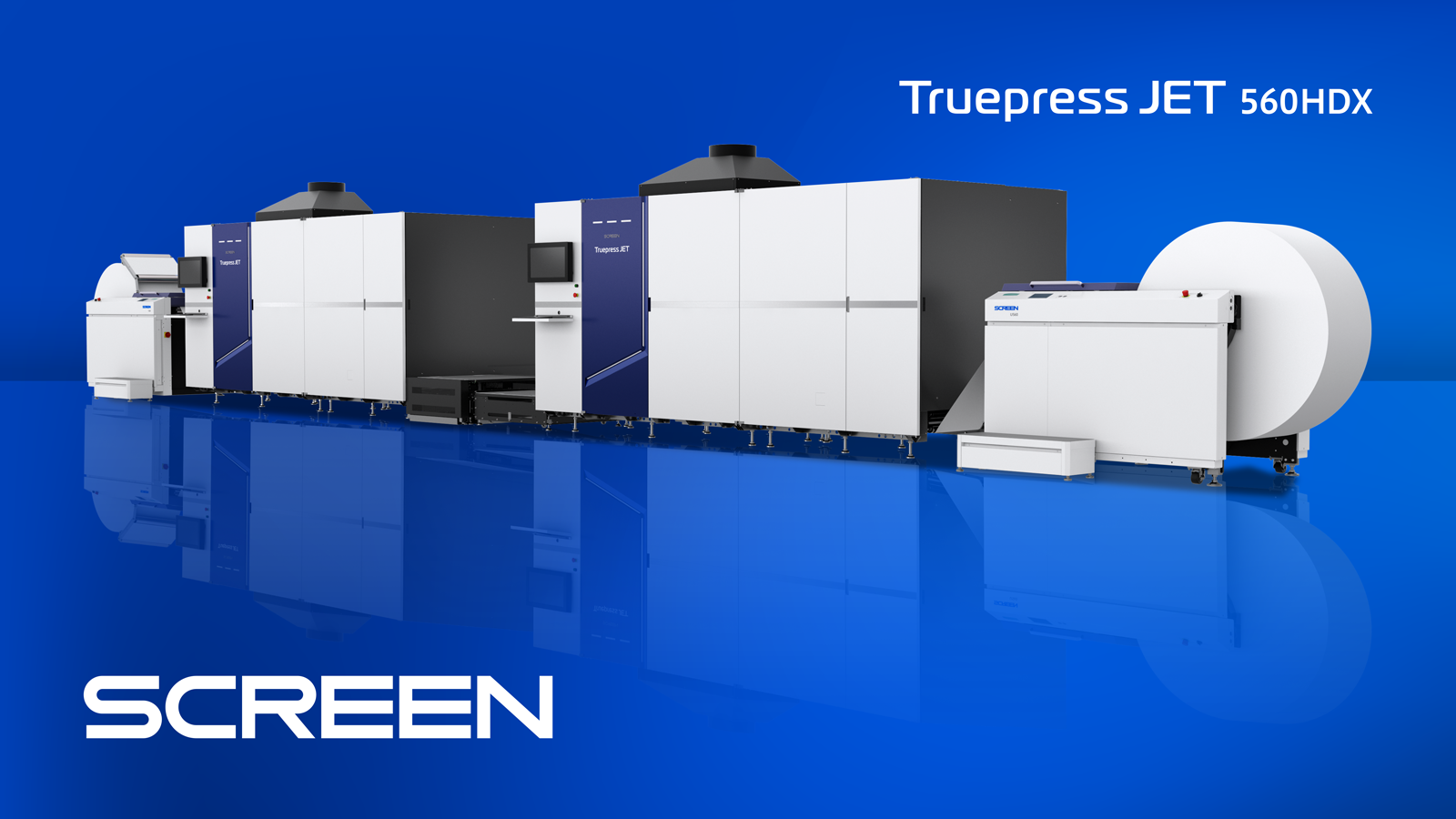
Commercial, direct mail, and publishing printers accustomed to producing jobs over several weeks can now print them in days with the SCREEN Truepress JET 560HDX. The press can accommodate 120 lb. coated or uncoated paper up to 560 mm wide. Read More

Around the Web: Of Water and Winners

Around the Web: Of Water and Winners

A sign-writer created the visual style of music festivals. The “2026 Milky Way Photographer of the Year” winners. AI appears to be catching on among the Amish. Sony has upgraded its wearable air conditioner. How to easily reuse produce bags. A complex digital water clock. A Nobel Prize–winning technology is able to extract water from dry air. Yes, it is possible to be allergic to water. Laser-induced graphene on Kevlar enables multifunctional structural composites. The “most desired” place in each of the 50 states. “The rise in plastic surgeons asked to create ‘AI face.’” K-pop band BTS has teamed with Oreo to release limited edition OREO x BTS Cookies. Welcome to WhatTheyThink’s weekly miscellany. Read More
Graphic Arts Employment in April Down Overall—Substantially Among Non-Production

Graphic Arts Employment in April Down Overall—Substantially Among Non-Production

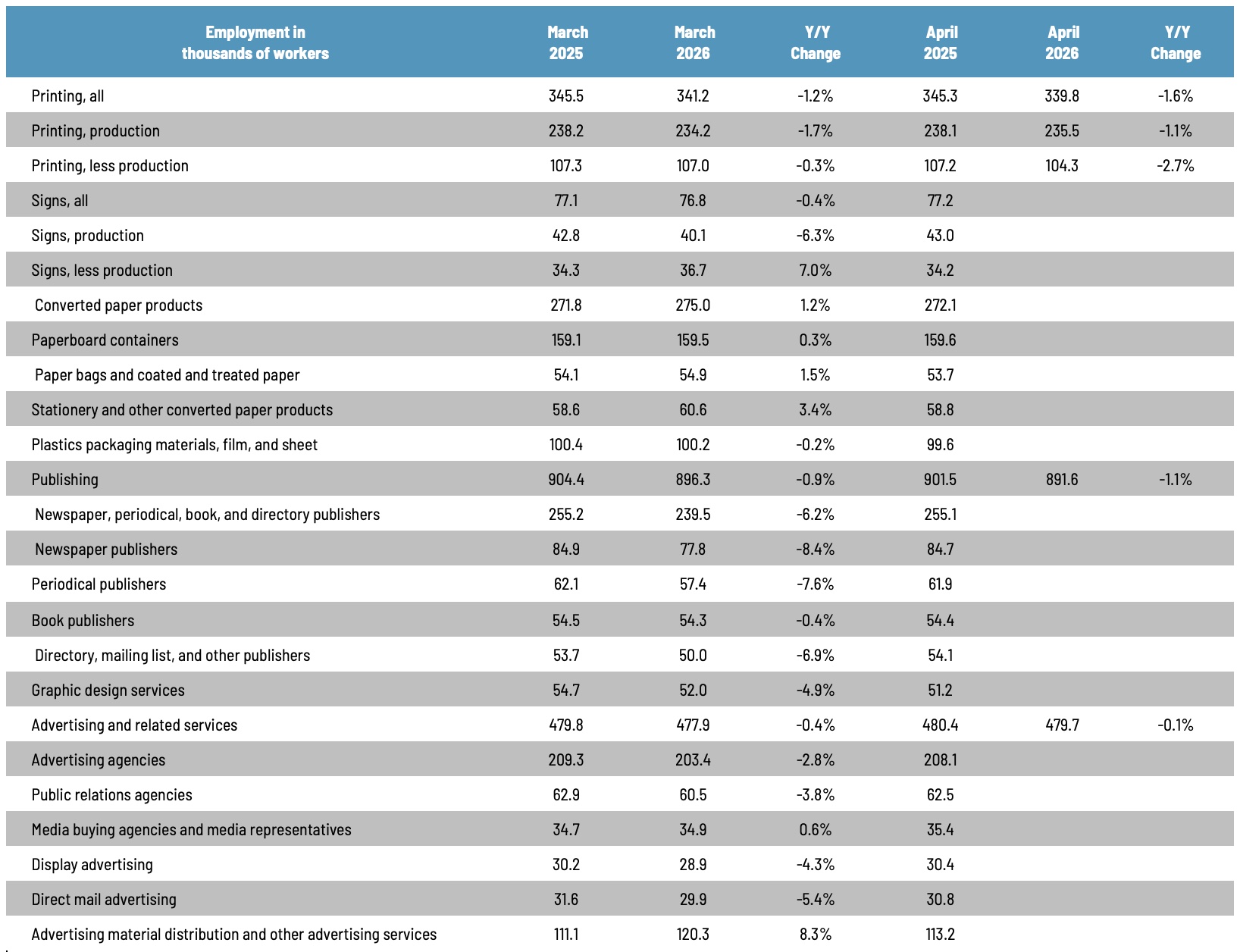
April 2026 saw printing industry employment overall generally flat, down 0.4% from March. And while production employment was up 0.6%, non-production employment was down by 2.5%—basically the reverse of what we saw in March. Read More


Recent Printing Industry News

Wednesday, June 03, 2026