WhatTheyThink

Premium Commentary & Analysis

What you haven't heard from Print Outlook: Opportunities in a Down Economy

Part 1:

Thursday, February 06, 2003

Part 1: Boom or Bust in 2003 Depends upon you

It’s the beginning of 2003. Both of The EAGLE’s editors have been involved with the “printing” industry for more than 25 years. Over that time period there has been rapid change in the technologies being used throughout the printing process. In the late 70’s we remember hot metal operators asking us at trade shows if they should learn this new phototypesetting technology or just retire. Years later, we watched the industry bring pre-press, color separation and full page makeup into the computer age and again, many of the best manual page makeup artists, the strippers, who should have been really good at doing online prepress, either gave it a half hearted try, or retired out of the printing community.

More recently, we’ve seen computerized tools applied to the press and again many of the old time press operators have left the business even though they had valuable experience.

- Since the technology developments from design through print have improved productivity and significantly reduced both the necessary skill levels and the number of people necessary in the industry, perhaps this exodus hasn’t been such a bad situation.

And yet, we feel that the way it has come about and is discussed represents what’s bad about our industry, rather than what’s good. The thought process seems to go something like this: I’d better try to get out now while I still can, or preaching doom and gloom instead of thinking about what opportunities there might still be for advancement of the business and for careers.

At the recent NPES Print Outlook 2003 Conference, the major theme was that “A rising tide is not going to raise all boats evenly.” A wide variety of industry executives and professional economists made presentations that surprisingly bore this common message that “print” is an industry in transition. Some other key and important comments were:

-- Economic growth cannot restore the health of the industry in its present structure. Many traditional products have disappeared, such as Print on Demand for Manuals, now replaced by having the manual on a CD, probably “printed” by a non-traditional printer.)

-- Consolidation of printers will continue. We can expect further mergers and acquisitions, but at a lower rate than in 2000-2001; more bankruptcies/exits; further diversification up and down the supply/value chains; and fewer players in total.

-- ”Value-added differentiation” is emerging as the major focus for competitive advantage in the future. This is the essence of “the future of print in a converging information world”.

-- It is no longer prudent to sit back and let customers bring print jobs to you. Going out and “selling” the versatility of print is now necessary; it can augment and improve response rates combined with other efforts.

-- In an increasingly risk-averse climate print in its traditional forms is not a particularly attractive prospect for investors with mobile funds.

-- Products come to market more often so that the issue of “time compression” is becoming increasingly significant. Business strategy life cycles are also shortening, requiring change more frequently.

-- The web, digital print technologies, mass customization and continuous process improvement are bringing about major changes in the factors that determine competitiveness in the print business as it proceeds through its transition. These are reflected in the business model, and suggest:
- Greater incidence of partnerships, alliances and project-based collaboration
- Communication-based product offerings rather than simply print-based solutions
- Customized product offerings for niche markets, reaching down almost to the individual
- Minimal inventory processing based on Just-in-Time logistics

-- Print is still a growth opportunity if, and only if, companies:
- Can understand the forces that will affect profitable growth in the future; and
- Are prepared to make the changes that are necessary in product offerings and business process that will align themselves more closely with customer requirements and will even identify the potential for value-added customer requirements before customers themselves do so.

Out of this set of negative comments, we could have come away pretty disturbed about the future. Fortunately, as we will discuss in Part 2 of this article, we also heard from 3 very different printing companies who are very successful despite the doom and gloom.

Their success and other opportunities will be introduced in Part 2.


Continue reading your article
with a WhatTheyThink membership.

WhatTheyThink Annual Membership

Less than $4/week.

Get unlimited access to in-depth commentary and analysis covering the latest trends, emerging technologies, operational strategies, and key events across every segment of today's printing industry.

Stay informed. Stay competitive. Stay ahead.
WhatTheyThink Day Pass

$5 for 24 hours

Unlimited access to all of WhatTheyThink. Get your Day Pass

Already a member?
Sign In

About WhatTheyThink

WhatTheyThink is the global printing industry's go-to information source with both print and digital offerings, including WhatTheyThink.com, WhatTheyThink Email Newsletters, and the WhatTheyThink magazine. Our mission is to inform, educate, and inspire the industry. We provide cogent news and analysis about trends, technologies, operations, and events in all the markets that comprise today's printing and sign industries including commercial, in-plant, mailing, finishing, sign, display, textile, industrial, finishing, labels, packaging, marketing technology, software and workflow.

Recent Articles from WhatTheyThink

The Total Label Issue

The Total Label Issue

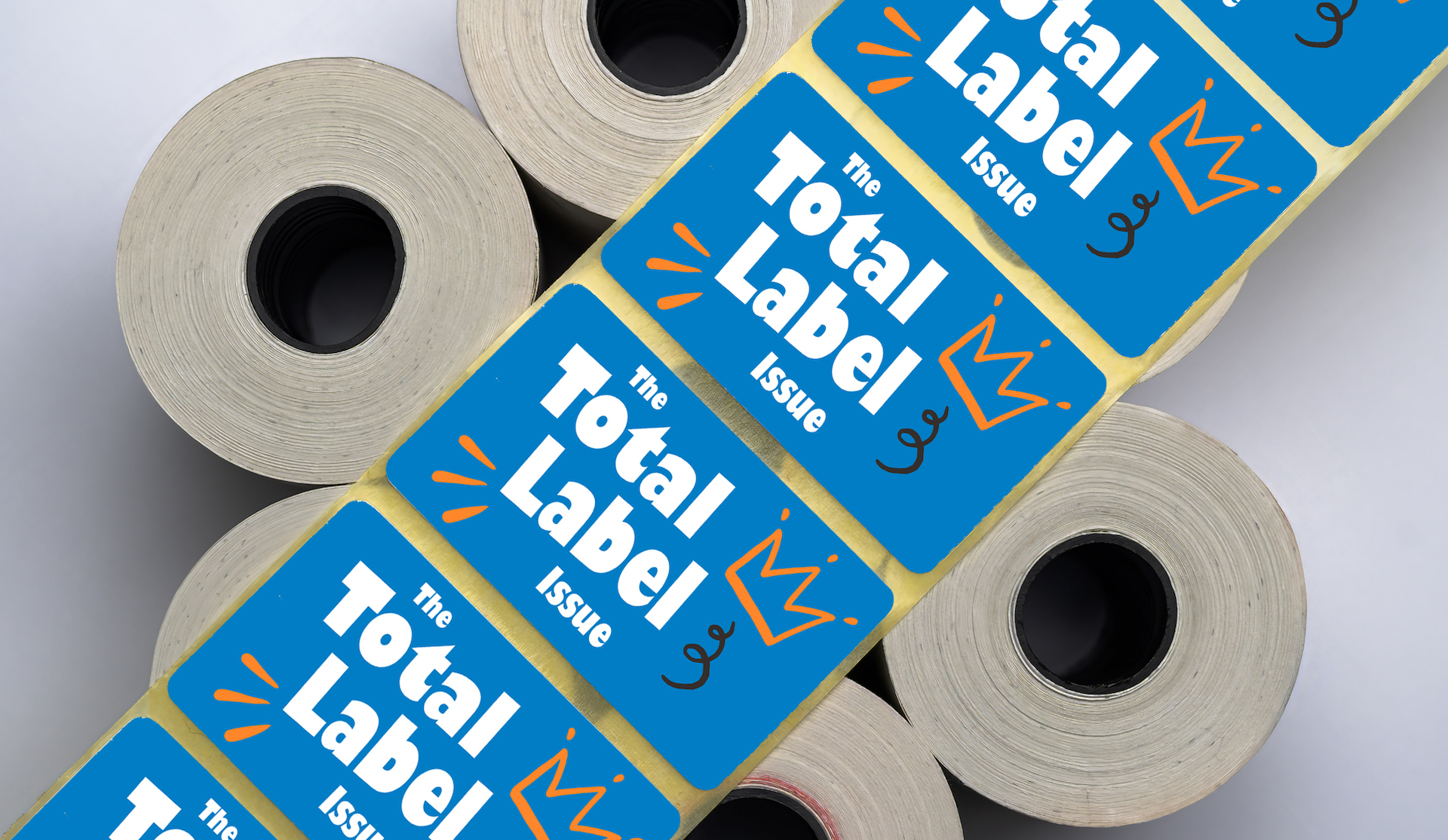
This issue of the WhatTheyThink Quarterly is all about labels, which are seen as a high-growth part of commercial printing, driven by e-commerce, food/beverage demand, and regulations. The market has surpassed 1.2 trillion square meters of label production volume per year, and is moving toward high-mix, low-waste production rather than only high-volume throughput. While flexo is still used for high-volume label production, digital label printing often complements it—or in some cases replaces it. But labels are about more than printing technology. Read More
The Unified Platform for Packaging Manufacturing Excellence

The Unified Platform for Packaging Manufacturing Excellence

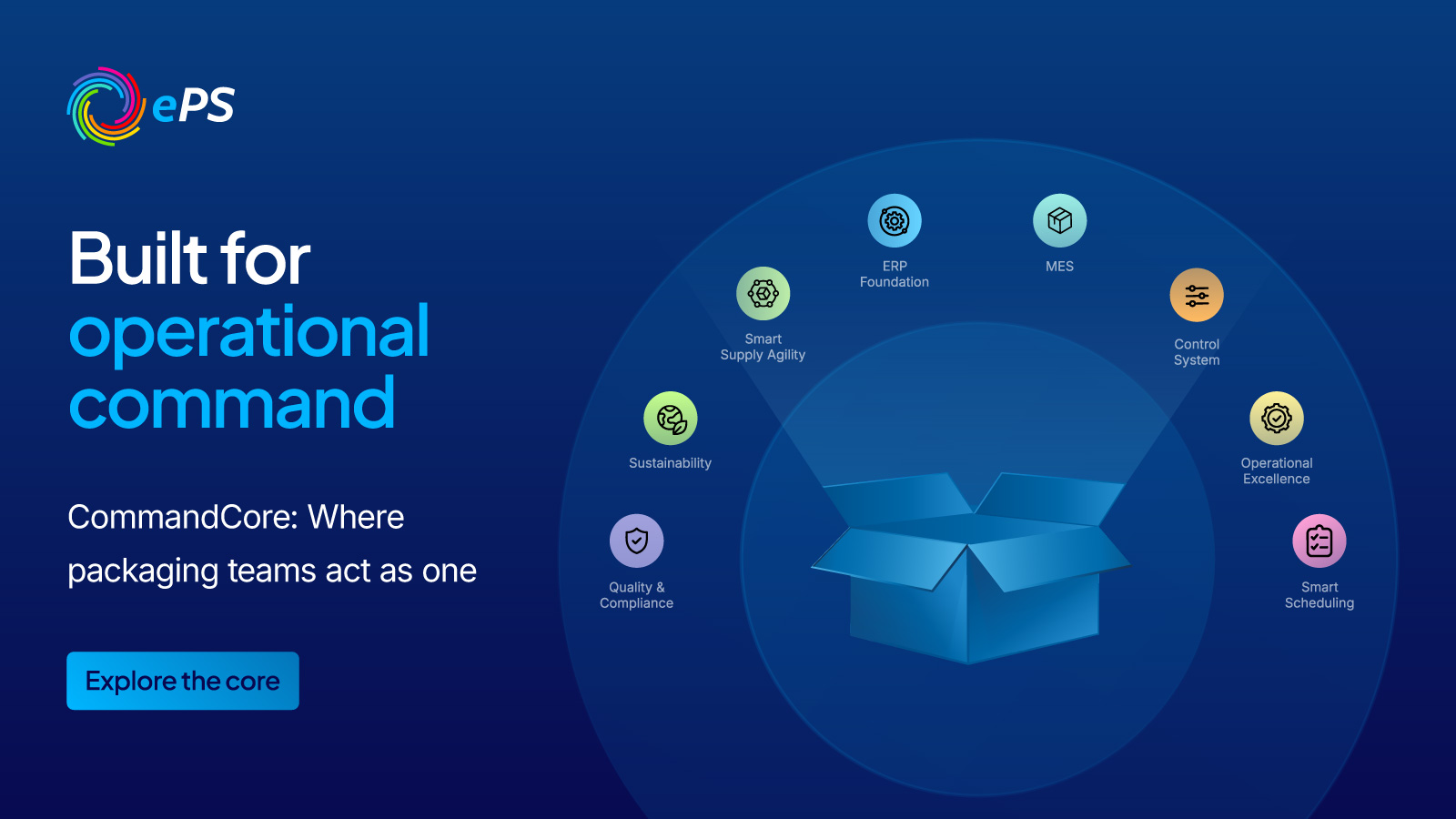
Leverage 30+ years of plant-floor expertise. Trusted by 700+ packaging manufacturers globally to reduce waste, optimize scheduling, and drive digital transformation. One unified foundation. Eight packaging-native pillars. Zero fragmentation. Read More
Expand Your Opportunities with the Truepress JET 560HDX from SCREEN

Expand Your Opportunities with the Truepress JET 560HDX from SCREEN

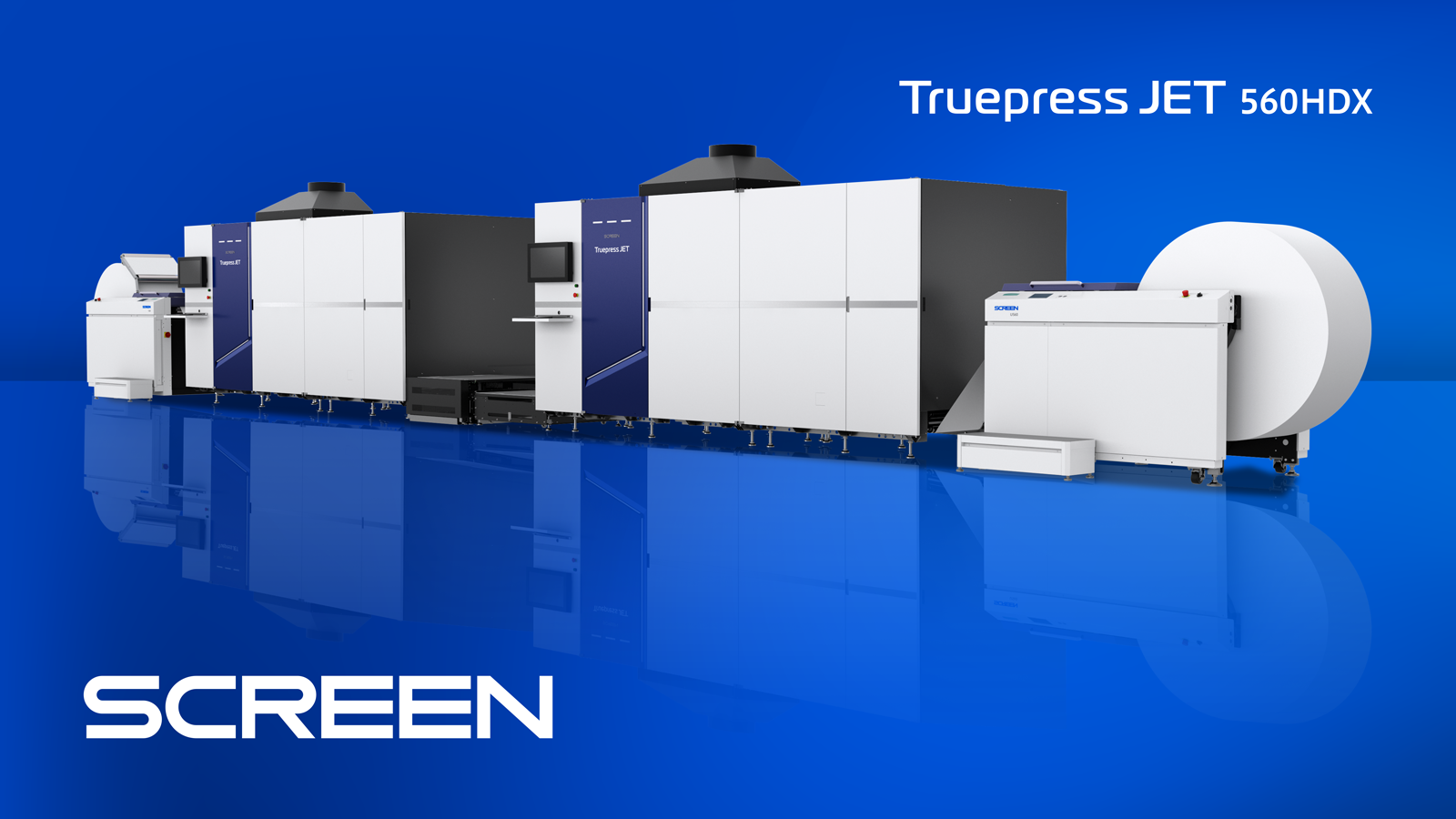
Commercial, direct mail, and publishing printers accustomed to producing jobs over several weeks can now print them in days with the SCREEN Truepress JET 560HDX. The press can accommodate 120 lb. coated or uncoated paper up to 560 mm wide. Read More

Around the Web: Of Water and Winners

Around the Web: Of Water and Winners

A sign-writer created the visual style of music festivals. The “2026 Milky Way Photographer of the Year” winners. AI appears to be catching on among the Amish. Sony has upgraded its wearable air conditioner. How to easily reuse produce bags. A complex digital water clock. A Nobel Prize–winning technology is able to extract water from dry air. Yes, it is possible to be allergic to water. Laser-induced graphene on Kevlar enables multifunctional structural composites. The “most desired” place in each of the 50 states. “The rise in plastic surgeons asked to create ‘AI face.’” K-pop band BTS has teamed with Oreo to release limited edition OREO x BTS Cookies. Welcome to WhatTheyThink’s weekly miscellany. Read More
Graphic Arts Employment in April Down Overall—Substantially Among Non-Production

Graphic Arts Employment in April Down Overall—Substantially Among Non-Production

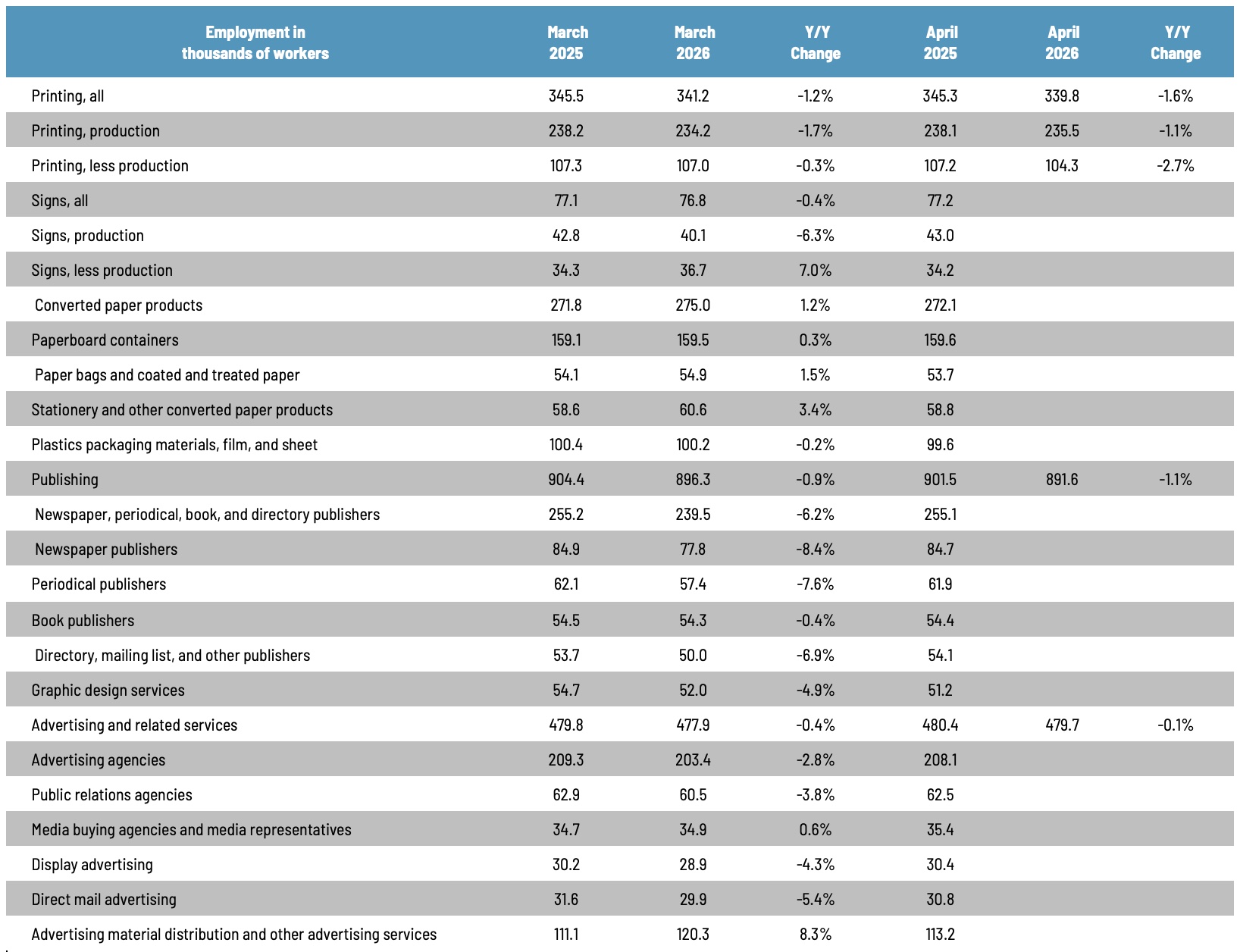
April 2026 saw printing industry employment overall generally flat, down 0.4% from March. And while production employment was up 0.6%, non-production employment was down by 2.5%—basically the reverse of what we saw in March. Read More

Recent Printing Industry News

Wednesday, June 03, 2026