WhatTheyThink

Premium Commentary & Analysis

Part One - Baby Steps to Complex Applications: It’s for Small Printers, Too

With today&

Wednesday, November 20, 2002

With today’s emphasis on powerful applications like e-commerce; online, on-demand customization; variable data printing; and Internet-based pick-n-pack solutions, getting on the bandwagon can seem overwhelming. Particularly for many small and mid-sized printers, "getting there" can seem a bit like trying to climb Mt. Everest. How do you even get started?

I heard this complaint when I gave a TWGA presentation on value-added services at the Printing & Publishing Seminar Series, coordinated by Xerox. In my presentation, I discussed many of today’s key technology-driven applications in the context of a value-added service model. Afterward, several attendees expressed frustration that these applications were out of their league. "You are talking about applications run by an R. R. Donnelley, or a Moore," they said. "We can’t possibly afford that."

Although my presentation included examples from both small and large printers who are implementing the value-added services model, many seminar attendees focused on the applications and business model given by Bob Takac, director of digital printing of Nielsen, a Moore company, who followed my presentation. "See?" they’d say. "Value-added is a strategy for big companies with deep pockets. This isn’t something we can do." This, even though Bob Takac identified that many of the initiatives he reviewed in his presentation were implemented prior to any involvement by Moore and came from humble beginnings.

It’s for Small Printers, Too

Still, it’s true that many industry presentations tend to focus on the "ultimate" applications — the leading edge of where these technologies are going — and, as a result, printers often see the top of the mountain but no seemingly feasible way to get there. Unfortunately, they dismiss the whole project altogether. But they shouldn’t.

Many of these technologies and applications are "layerable." In other words, they can be built up from the simplest to the most complex. You don’t have to dive in at the deep end of the pool right away. Going in gradually allows you to implement technologies and develop skill sets in more manageable chunks. Plus, it allows you to lead your customers step by step into larger, more complex applications over time — applications they might not have considered if you’d thrown it at them all at once.

Variable data printing is a good example. Many digital printers try to sell their customers on the technology and benefits of 1:1 personalization, but run into roadblocks because their customers don’t understand why they need to spend more per piece than traditional direct mail. The idea of "higher overall cost but lower cost per lead" is a difficult concept for them to grasp. As a result, the price seems outrageous and unjustifiable.

In order to sell variable data, printers first need to educate their customers on the value and benefits of customization. Only then can you sell them on applications and technology.

Put One Foot In Front Of The Other

In one of our most recent Special Reports, "Variable Data Printing: The Competitive Environment," we looked at the vast array of available solutions for customization and personalization, of which variable data is only one. Among them are digital asset management-driven applications that allow customers to log onto a website, access a series of online templates, and design customized brochures, advertisements, and other materials by pulling approved text and graphics from an online repository. The result is 100% customized materials without the need for variable data printing.

How do these applications work? Say you are a manufacturer of lawn care equipment, and you want to give your dealers more flexibility in creating catalogs for their specific geographic locations. These dealers can log onto the printer’s website, select the products that are most relevant to their customers, add their dealer location and contact information — perhaps including a map to the store or a message from the store manager — then those customized pieces can be downloaded as a file and printed on a desktop printer, as an email, or commercially or digitally printed as the printer’s shop.

While this application is driven by digital asset management and customization software, it doesn’t require the printer to have these skills in-house. Many vendors offer ASP solutions as inexpensive as $25,000 (set up fee) for basic, entry-level applications. Sure, that’s a lot of money, but compared to buying a $400,000 digital press, plus all the software, auxiliaries, and developing the necessary skill sets, it’s a bargain. And these applications are available to suit a wide variety of different market segments.

This allows even small printers to do two things: 1) begin to offer customers the ability to customize their documents and 2) get customer and printer thinking about customization as a regular part of the customer’s marketing programs. It puts you, the printer, in touch with the right people, talking about the right issues, that will allow you to build on far more complex applications later. And as you talk about these easier-to-implement solutions, this will give you an idea whether this customer is a good prospect for variable data and lays the groundwork for variable data if and when you decide to implement it later.

See Part Two


Continue reading your article
with a WhatTheyThink membership.

WhatTheyThink Annual Membership

Less than $4/week.

Get unlimited access to in-depth commentary and analysis covering the latest trends, emerging technologies, operational strategies, and key events across every segment of today's printing industry.

Stay informed. Stay competitive. Stay ahead.
WhatTheyThink Day Pass

$5 for 24 hours

Unlimited access to all of WhatTheyThink. Get your Day Pass

Already a member?
Sign In

About WhatTheyThink

WhatTheyThink is the global printing industry's go-to information source with both print and digital offerings, including WhatTheyThink.com, WhatTheyThink Email Newsletters, and the WhatTheyThink magazine. Our mission is to inform, educate, and inspire the industry. We provide cogent news and analysis about trends, technologies, operations, and events in all the markets that comprise today's printing and sign industries including commercial, in-plant, mailing, finishing, sign, display, textile, industrial, finishing, labels, packaging, marketing technology, software and workflow.

Recent Articles from WhatTheyThink

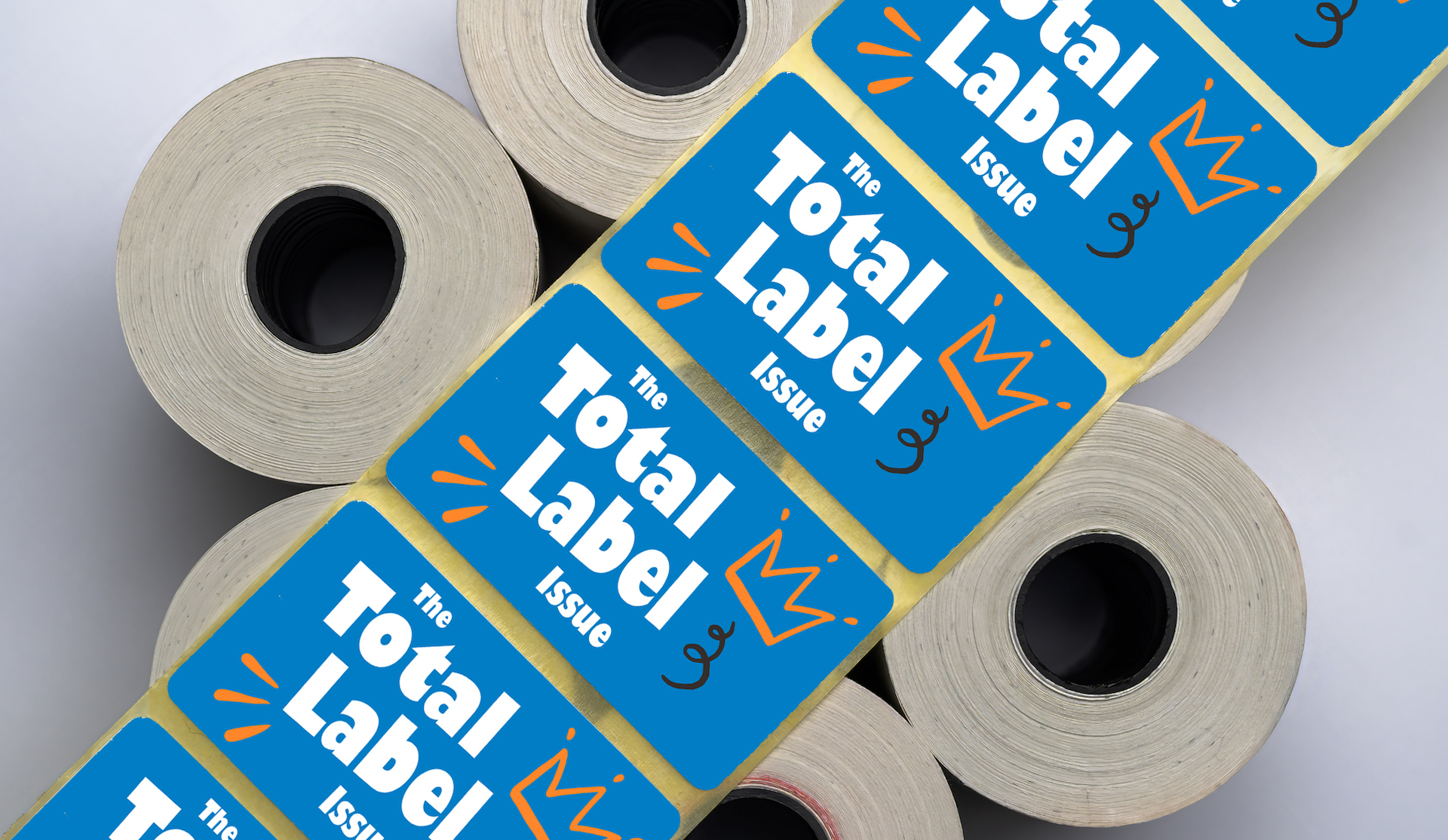
The Total Label Issue

The Total Label Issue

This issue of the WhatTheyThink Quarterly is all about labels, which are seen as a high-growth part of commercial printing, driven by e-commerce, food/beverage demand, and regulations. The market has surpassed 1.2 trillion square meters of label production volume per year, and is moving toward high-mix, low-waste production rather than only high-volume throughput. While flexo is still used for high-volume label production, digital label printing often complements it—or in some cases replaces it. But labels are about more than printing technology. Read More
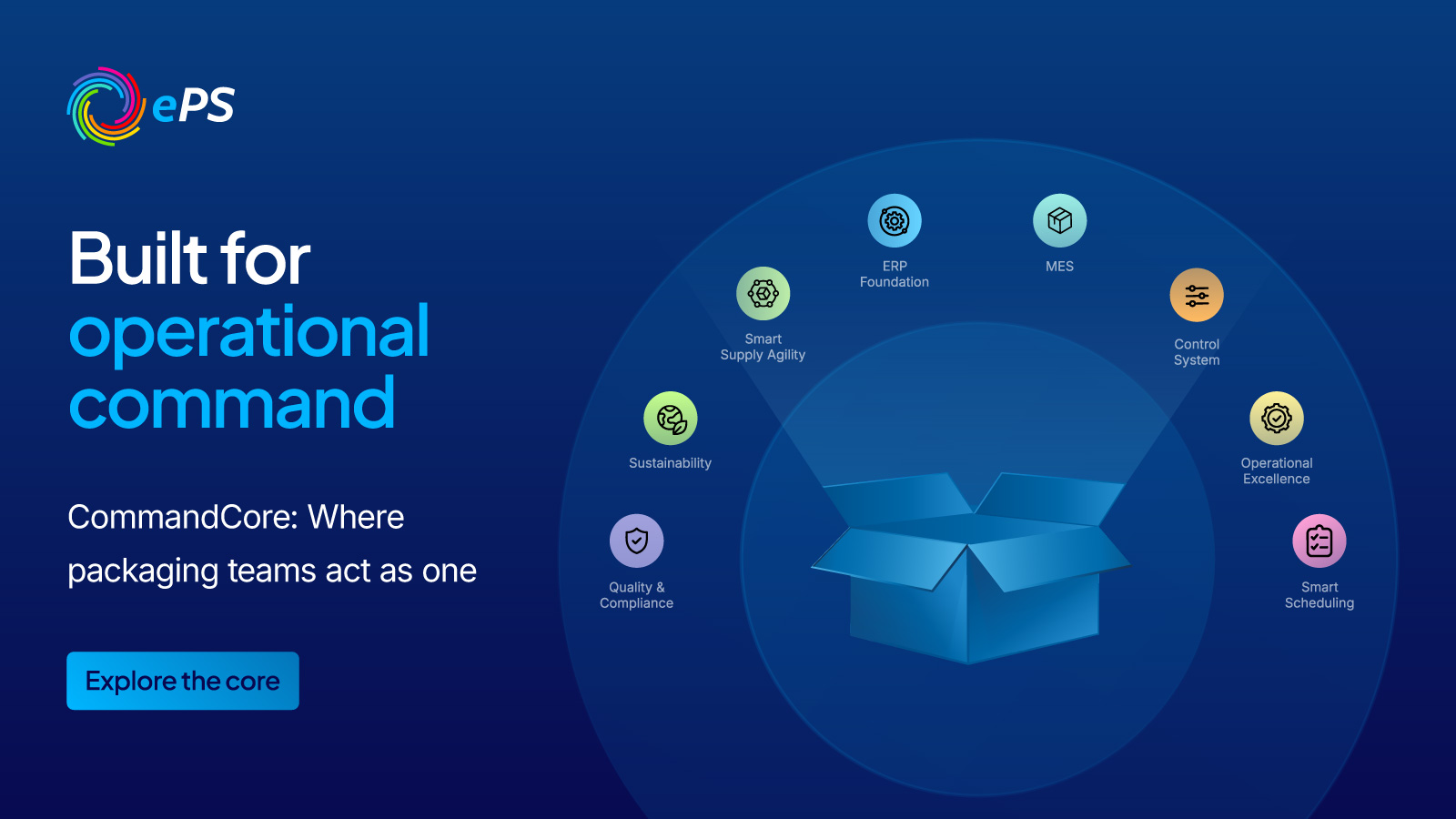
The Unified Platform for Packaging Manufacturing Excellence

The Unified Platform for Packaging Manufacturing Excellence

Leverage 30+ years of plant-floor expertise. Trusted by 700+ packaging manufacturers globally to reduce waste, optimize scheduling, and drive digital transformation. One unified foundation. Eight packaging-native pillars. Zero fragmentation. Read More
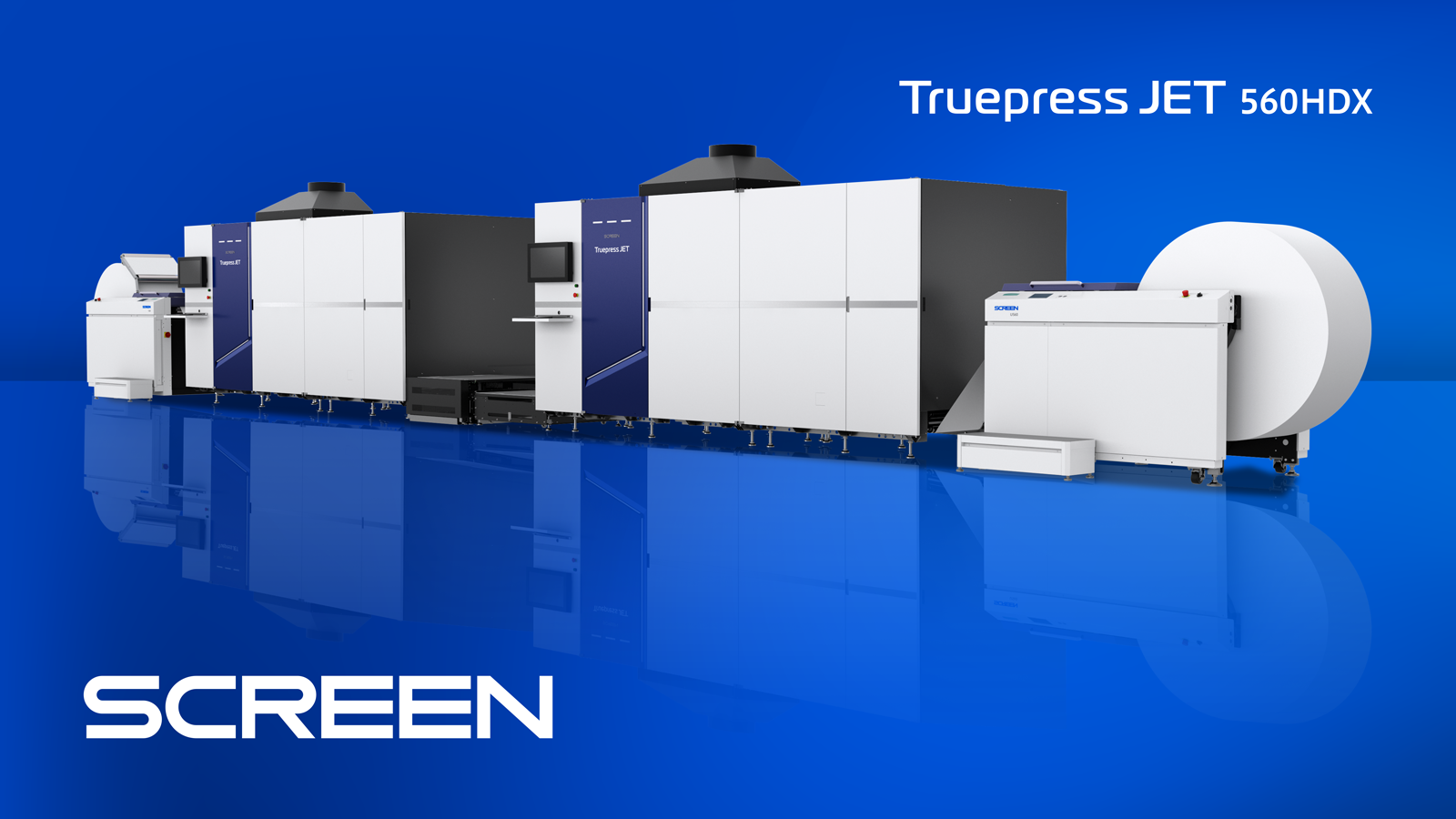
Expand Your Opportunities with the Truepress JET 560HDX from SCREEN

Expand Your Opportunities with the Truepress JET 560HDX from SCREEN

Commercial, direct mail, and publishing printers accustomed to producing jobs over several weeks can now print them in days with the SCREEN Truepress JET 560HDX. The press can accommodate 120 lb. coated or uncoated paper up to 560 mm wide. Read More

Around the Web: Of Water and Winners

Around the Web: Of Water and Winners

A sign-writer created the visual style of music festivals. The “2026 Milky Way Photographer of the Year” winners. AI appears to be catching on among the Amish. Sony has upgraded its wearable air conditioner. How to easily reuse produce bags. A complex digital water clock. A Nobel Prize–winning technology is able to extract water from dry air. Yes, it is possible to be allergic to water. Laser-induced graphene on Kevlar enables multifunctional structural composites. The “most desired” place in each of the 50 states. “The rise in plastic surgeons asked to create ‘AI face.’” K-pop band BTS has teamed with Oreo to release limited edition OREO x BTS Cookies. Welcome to WhatTheyThink’s weekly miscellany. Read More
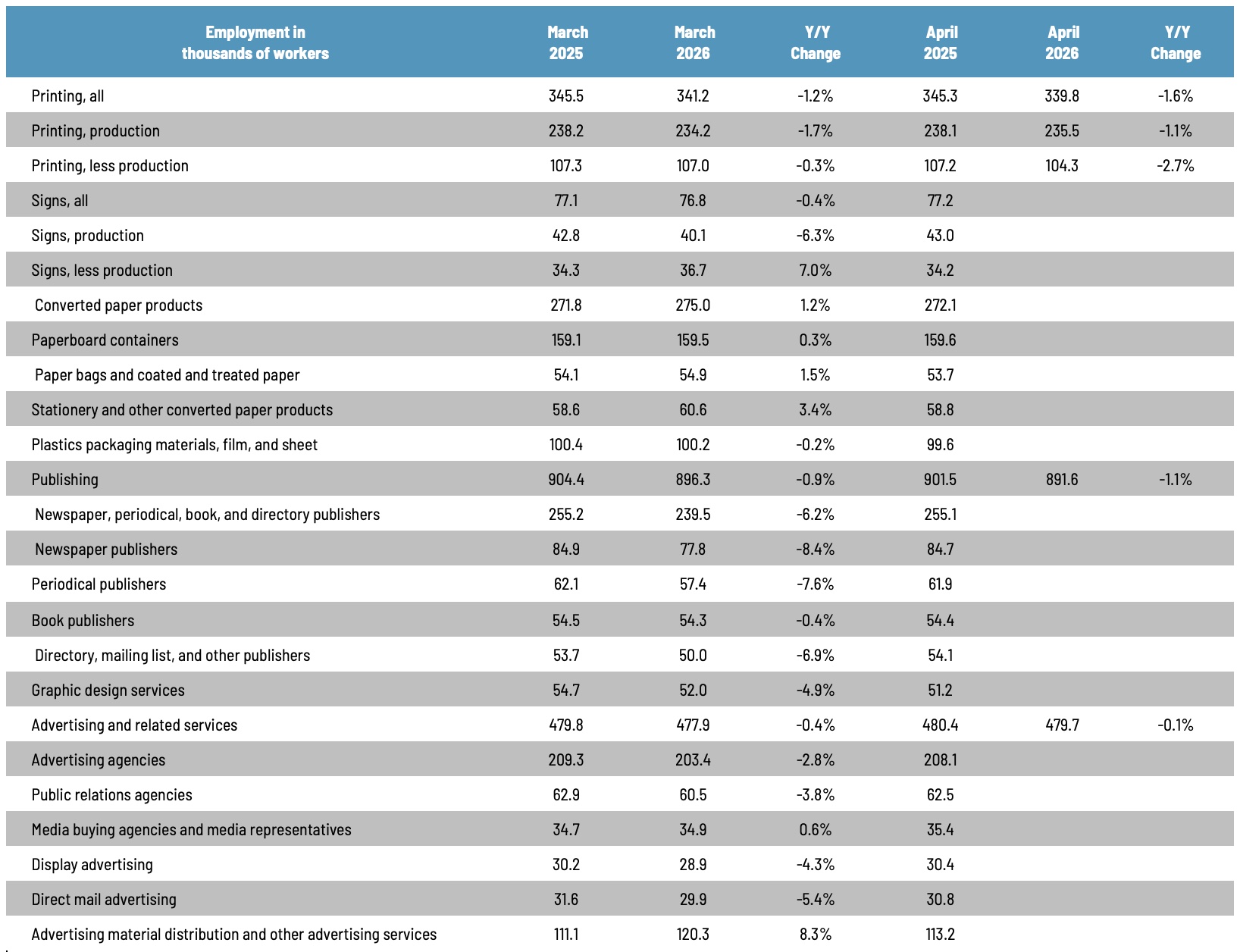
Graphic Arts Employment in April Down Overall—Substantially Among Non-Production

Graphic Arts Employment in April Down Overall—Substantially Among Non-Production

April 2026 saw printing industry employment overall generally flat, down 0.4% from March. And while production employment was up 0.6%, non-production employment was down by 2.5%—basically the reverse of what we saw in March. Read More

Recent Printing Industry News

Wednesday, June 03, 2026