WhatTheyThink

Premium Commentary & Analysis

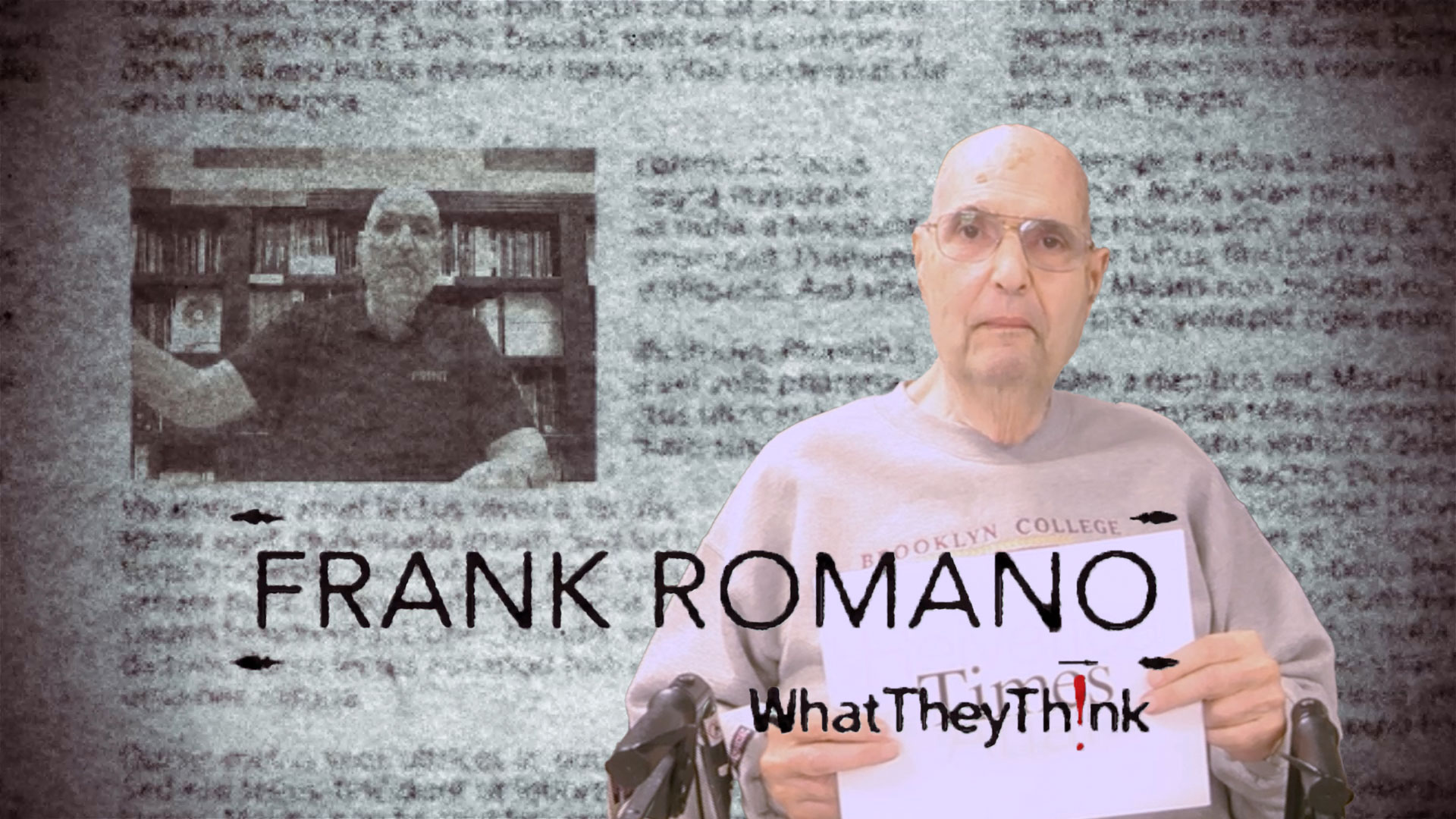
When Typographers Were Kings, Raiders of the Lost Art

As I sit at a table peering out the large windows that make up the front lunchroom at Hunan&

Friday, September 06, 2002

As I sit at a table peering out the large windows that make up the front lunchroom at Hunan’s, I cannot help but notice the excessive number of "For Lease" signs attached to the exterior of what appears to be every building lining San Francisco’s historic Sansome Street. The Dot.coms that once dominated this old and rustic neighborhood have long vanished. Even the once mighty advertising agencies that took up complete floors of office space have been reduced dramatically in size.

This neighborhood, like most major metropolitan cites, has seen its share of change. Long before our world was infected with political correctness, (When drinking a cup of hot coffee meant you might burn you tongue, but you never thought lawsuit and when baseball players actually played for the love of the game, not the money) this neighborhood was the home to some of San Francisco’s finest typography houses. Companies like Rapid, Mercury, Omnicomp, Mastertype and Andresen called this neighborhood home. The Typography houses that populated metropolitan cities were an indispensable resource to America’s creative professionals.

Today’s printed pieces do not have the aura of communication they once represented. It’s not hard to see the differences and the gradual lowering of typographical standards that stem from the demise of the typography industry. Many of today’s printed pieces suffer from some typographical deterioration.

Advertising agencies and design firms once considered typography an important part of the communication process. Today, most no longer share the passion for the artful letter and word spacing that once was such an important element in the creative process. From the 1950’s to the late 1980’s typography mattered and had purpose. Whether you were part of this process during the days of hot metal or phototypesetting it did not matter. Typography was an art and typographers were kings.

All across America there were typography houses run by dedicated craftsman who gave their life’s blood on the floor of their shops. All this just to make sure some illegible sand scroll an Art Director had drawn up on a cocktail napkin over a four Martini lunch, was transcribed perfectly into the work of art it was intended to be. These Creative Directors and Art Directors were great, and many carried huge egos the size of Boeing 747’s, but most had the talent to match the ego. An idea born inside the mind of these creative genius’s would never make its way to a printing press until the final round of typography had been approved by everyone involved in the process.

If typographers were kings, then the king of kings was Drew Andresen of Andresen Typographics. Mr. Andresen thought outside the box long before the term was coined. In doing so, Mr. Andresen brought his company and an entire industry to national prominence. Mr. Andresen’s combination of savvy business and marketing skills, long left out of the typography industry, carried the industry to new levels which others emulated.

Mr. Andresen created the largest typography organization in the country with five locations in California and two in Arizona. At the height of the industry, Andresen was responsible for the typography on most every record album Warner Brothers and Motown Records produced. Most of the major entertainment companies, advertising agencies and design firms in California and Arizona worked with Andresen Typographics.

During the 1980’s, television network ABC launched a show called Bosom Buddies starring an actor with no reputation at the time, Tom Hanks. The art director for the show called Mr. Andresen to ask if he could use their famous typography catalogues for their set to replicate the environment of an advertising agency. When Honda Motor Company hired Ketchum Advertising to introduce the very first Acura campaign, Ketchum's creative team spent several months working with Mr. Andresen pouring through his company's library of over 10,000 typefaces looking for the right one. Finally it was decided that all the work would be produced on a Berthold typesetting system, and a series of specially designed fonts were created just for the Acura campaign giving Honda a very distinct look.

For most art directors and designers today, terms like track two, minus leading, 10/10 mean absolutely nothing. Nor would they be able to identify the names of typography legends Vern Simpson or Les Usherwood.

When Mr. Warnock and company founded Adobe, it forever changed the graphics and publishing industry. One of the indirect consequences of Postscript was the death of the typography industry. It is unfortunate that the art of typography did not take root in the Postscript world. While many of the legends from the typography industry have passed on, some like Mr. Andresen continued on in the prepress and printing industry. Their place in history is important and their story should be told.


Continue reading your article
with a WhatTheyThink membership.

WhatTheyThink Annual Membership

Less than $4/week.

Get unlimited access to in-depth commentary and analysis covering the latest trends, emerging technologies, operational strategies, and key events across every segment of today's printing industry.

Stay informed. Stay competitive. Stay ahead.
WhatTheyThink Day Pass

$5 for 24 hours

Unlimited access to all of WhatTheyThink. Get your Day Pass

Already a member?
Sign In

About WhatTheyThink

WhatTheyThink is the global printing industry's go-to information source with both print and digital offerings, including WhatTheyThink.com, WhatTheyThink Email Newsletters, and the WhatTheyThink magazine. Our mission is to inform, educate, and inspire the industry. We provide cogent news and analysis about trends, technologies, operations, and events in all the markets that comprise today's printing and sign industries including commercial, in-plant, mailing, finishing, sign, display, textile, industrial, finishing, labels, packaging, marketing technology, software and workflow.

Recent Articles from WhatTheyThink

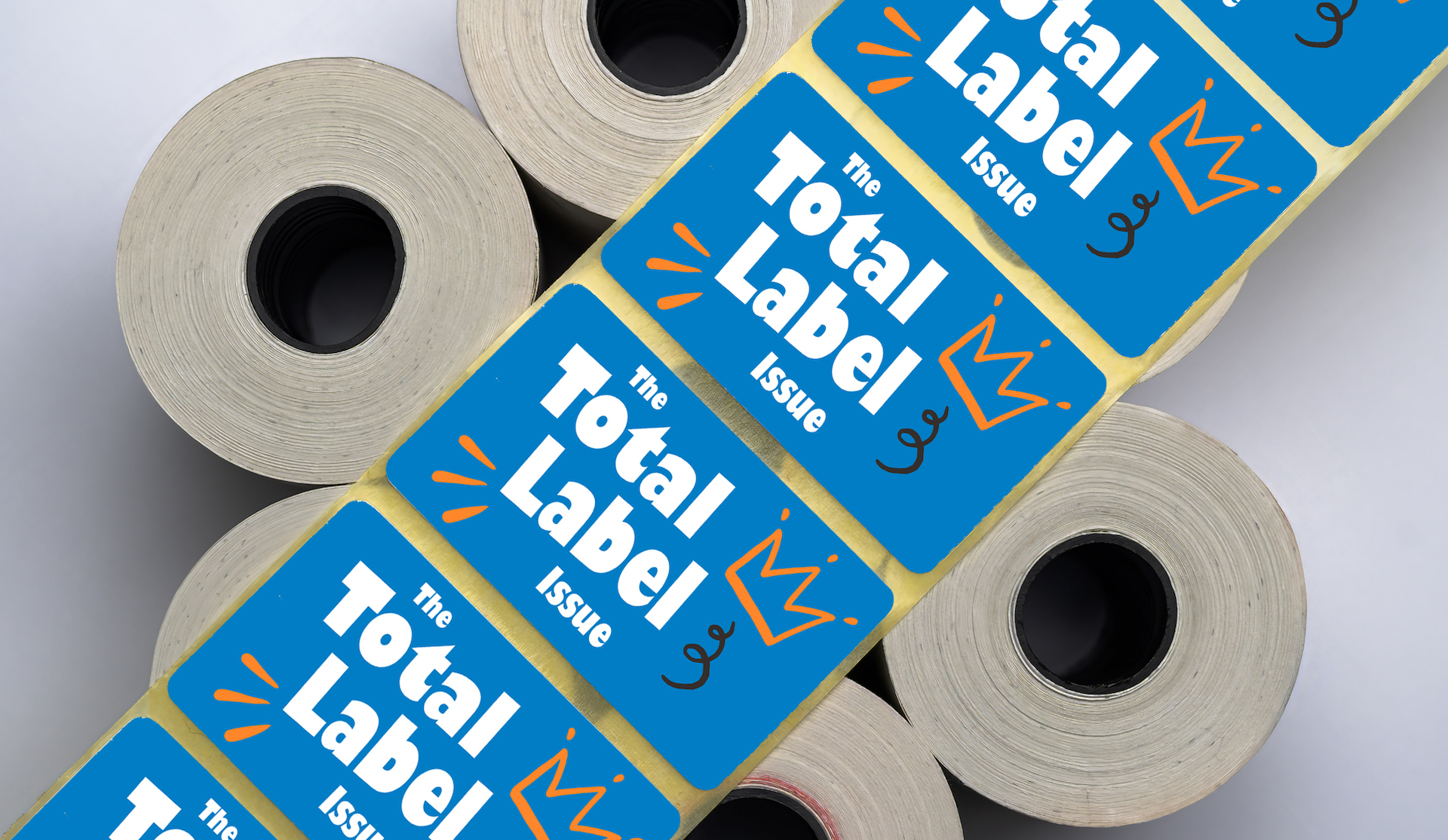
The Total Label Issue

The Total Label Issue

This issue of the WhatTheyThink Quarterly is all about labels, which are seen as a high-growth part of commercial printing, driven by e-commerce, food/beverage demand, and regulations. The market has surpassed 1.2 trillion square meters of label production volume per year, and is moving toward high-mix, low-waste production rather than only high-volume throughput. While flexo is still used for high-volume label production, digital label printing often complements it—or in some cases replaces it. But labels are about more than printing technology. Read More
The Unified Platform for Packaging Manufacturing Excellence

The Unified Platform for Packaging Manufacturing Excellence

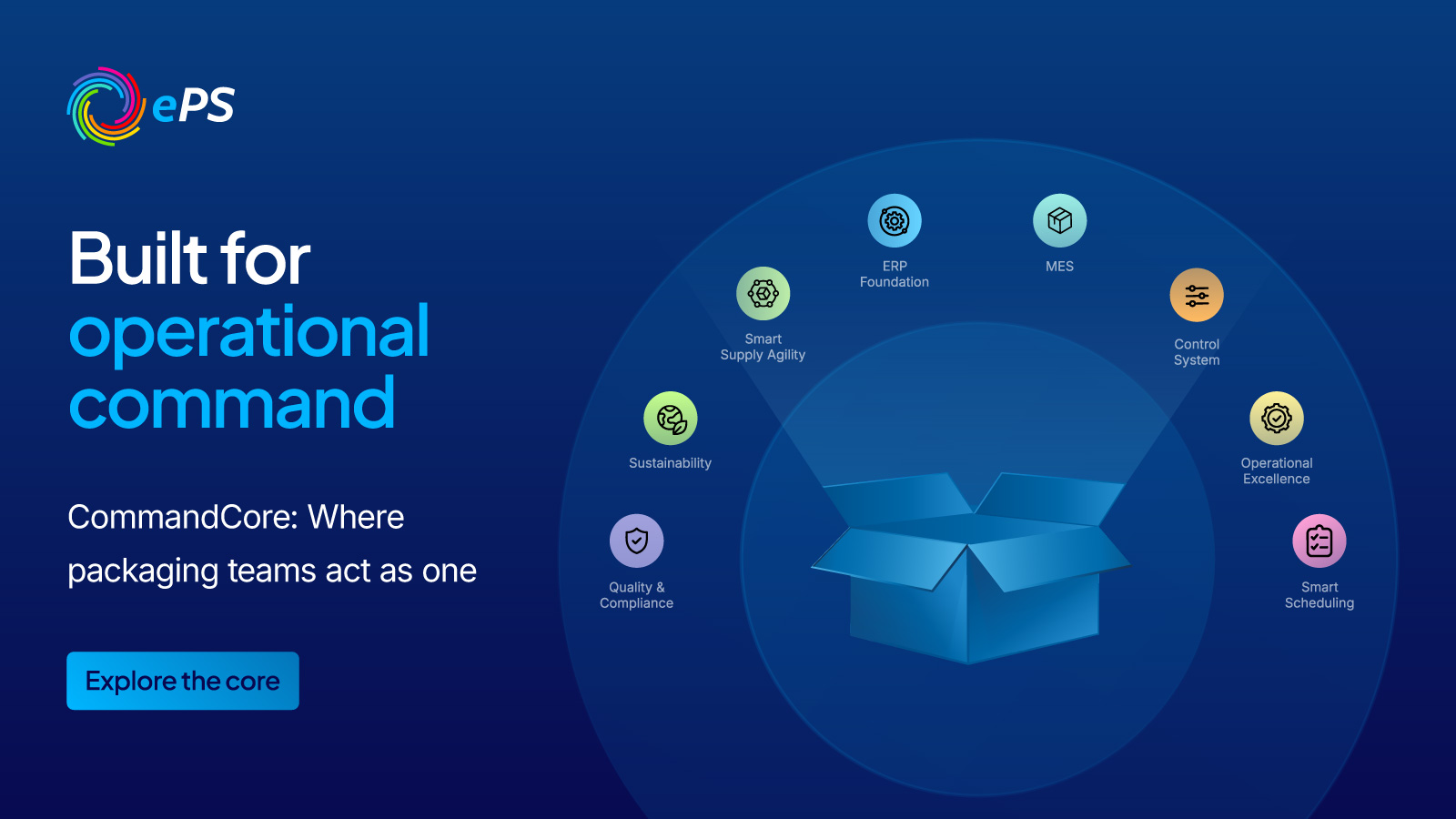
Leverage 30+ years of plant-floor expertise. Trusted by 700+ packaging manufacturers globally to reduce waste, optimize scheduling, and drive digital transformation. One unified foundation. Eight packaging-native pillars. Zero fragmentation. Read More
Expand Your Opportunities with the Truepress JET 560HDX from SCREEN

Expand Your Opportunities with the Truepress JET 560HDX from SCREEN

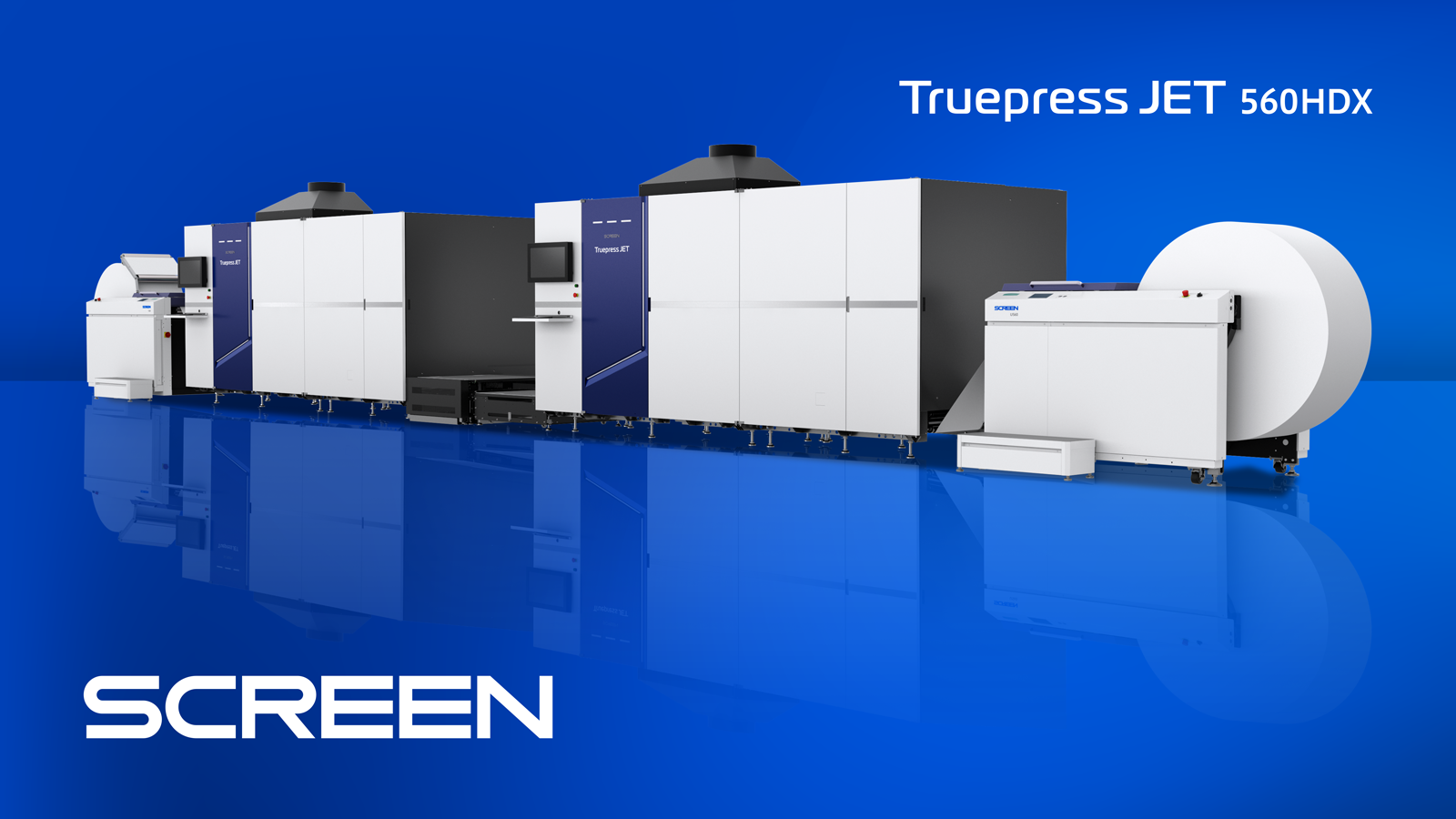
Commercial, direct mail, and publishing printers accustomed to producing jobs over several weeks can now print them in days with the SCREEN Truepress JET 560HDX. The press can accommodate 120 lb. coated or uncoated paper up to 560 mm wide. Read More

Around the Web: Of Water and Winners

Around the Web: Of Water and Winners

A sign-writer created the visual style of music festivals. The “2026 Milky Way Photographer of the Year” winners. AI appears to be catching on among the Amish. Sony has upgraded its wearable air conditioner. How to easily reuse produce bags. A complex digital water clock. A Nobel Prize–winning technology is able to extract water from dry air. Yes, it is possible to be allergic to water. Laser-induced graphene on Kevlar enables multifunctional structural composites. The “most desired” place in each of the 50 states. “The rise in plastic surgeons asked to create ‘AI face.’” K-pop band BTS has teamed with Oreo to release limited edition OREO x BTS Cookies. Welcome to WhatTheyThink’s weekly miscellany. Read More
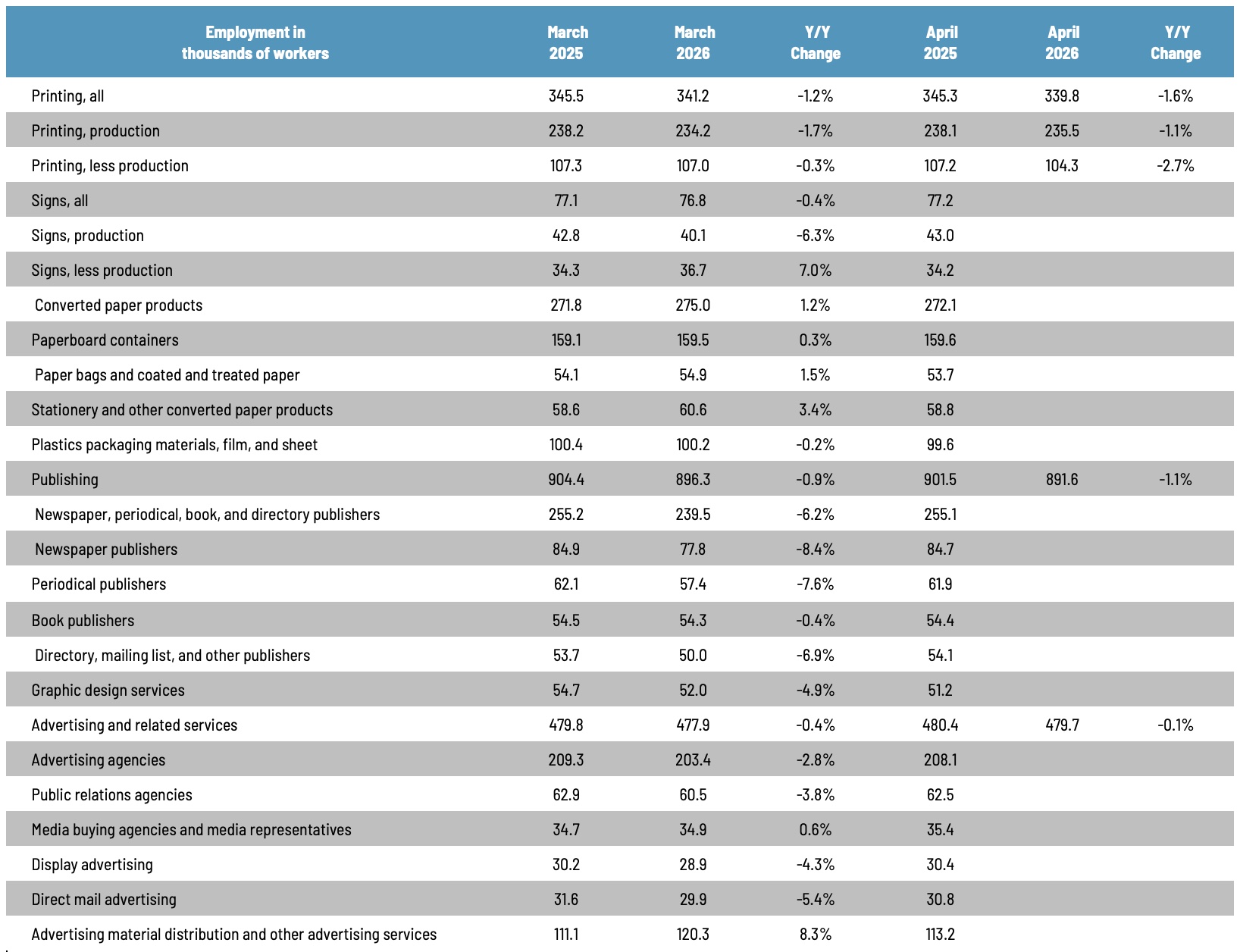
Graphic Arts Employment in April Down Overall—Substantially Among Non-Production

Graphic Arts Employment in April Down Overall—Substantially Among Non-Production

April 2026 saw printing industry employment overall generally flat, down 0.4% from March. And while production employment was up 0.6%, non-production employment was down by 2.5%—basically the reverse of what we saw in March. Read More

Recent Printing Industry News

Wednesday, June 03, 2026