WhatTheyThink

Premium Commentary & Analysis

Part Two: Stop the Presses! These are tough times.

Although somewhat shallow,

Friday, August 02, 2002

Although somewhat shallow, the prolonging of the 2001 recession has not escaped the notice of printing customers who reduced their advertising budgets as a result. This has translated into problems for the printing industry, and since shallow recessions typically mean weak recoveries, we may not see significant improvement soon. Times are still tough.

This article has two goals: The first goal is to make the case as to why you, the printer, should be more aggressive with your marketing efforts during tough times. The second is to provide you with a useful means of communicating the same message to your clients – in fact you may read how to obtain a tool to do just that at the end of this article.

So, what do printers do when the going gets tough? Not unlike the rest of the world, what normally happens is the obligatory reduction of all "unnecessary" expenditures, and sadly that includes most, if not all, of their marketing and advertising dollars.

What makes matters worse is that in "good" times printers claim that they cannot budget for and spend on marketing because "… we are just too busy". The irony grows when in "tough" times, like current conditions, they are reluctant to spend because things are "… too slow and we just can’t afford it".

Well, this just doesn’t make sense. It is a losing proposition that will get you nowhere. In fact, there is plenty of empirical data to show that, if you have the foresight to implement the right strategies, an economic slow down might be the best time for your company to grow.

Unless you don’t think you’re up to the challenge, a better maxim is, "When the going gets tough, the tough get going."

So let’s get going.

Adjust your Attitude

Don’t panic. The current conditions really do present great opportunity. As a business owner or manager, you need to set the tone and have the positive outlook that will motivate and rally the troops.

We tend to "get" what we focus on, so choose to focus on success and opportunity instead of doom and gloom. Let the competition hunker down.

Your mission is to lead the charge for your company to "seize the day"!

How is that going to happen?

First, Do No Harm!

Don’t take your eyes off of your customers. We have been communicating to our clients for a long time, and it is especially true now, that "Your best customers are somebody else’s best prospects."

This is a great time to show your existing customers how much you appreciate them. It is imperative that, at a minimum, you maintain all your existing relationships and use this period to build even stronger bonds.
What’s next?

Be Visible!

And better yet, be very visible. Why? Because, there is ample evidence to support the fact that maintaining or increasing your advertising and marketing investment in slow times is actually more effective than in good or growth periods.

A key reason is that when the marketing and advertising "noise" goes down, the voice of those still talking sounds that much louder. When your competition (and others outside of the industry) have stopped advertising or reduced their marketing efforts, it’s your opportunity to saturate the market with your message. Since your message is one of few reaching the audience, your odds are much better for a great return on your marketing and advertising dollar. When the upturn does come around, and it will, and your prospects and customers are looking to increase spending, your company will likely be the first one that comes to mind because you’re the company that has been the most visible all along.

When the president of Proctor & Gamble was asked his opinion about the reduced rates for ads for the 2002 Super Bowl, he said they were taking advantage of the lower prices and doing "more" advertising with the goal of increasing market share.

Contrast this with the Kmart strategy to decrease advertising in September and October of 2001. The result? Sales dropped an astounding 5% in October. An article that John Gaffney wrote for Business 2.0 in February 2002 recounts the following regarding Kmart and its CEO, Chuck Conway.

"By the late fall the company had lost far more in sales than it had saved in marketing costs… In a conference call to analysts, Conway admitted his misstep and announced that he was increasing Kmart’s marketing budget. "There is no doubt we made a mistake by cutting too much advertising too fast. Clearly we’ve learned where the threshold of pain is in advertising.""

Whose example are you going to follow? Not sure yet?........... See part two tomorrow.


Continue reading your article
with a WhatTheyThink membership.

WhatTheyThink Annual Membership

Less than $4/week.

Get unlimited access to in-depth commentary and analysis covering the latest trends, emerging technologies, operational strategies, and key events across every segment of today's printing industry.

Stay informed. Stay competitive. Stay ahead.
WhatTheyThink Day Pass

$5 for 24 hours

Unlimited access to all of WhatTheyThink. Get your Day Pass

Already a member?
Sign In

About WhatTheyThink

WhatTheyThink is the global printing industry's go-to information source with both print and digital offerings, including WhatTheyThink.com, WhatTheyThink Email Newsletters, and the WhatTheyThink magazine. Our mission is to inform, educate, and inspire the industry. We provide cogent news and analysis about trends, technologies, operations, and events in all the markets that comprise today's printing and sign industries including commercial, in-plant, mailing, finishing, sign, display, textile, industrial, finishing, labels, packaging, marketing technology, software and workflow.

Recent Articles from WhatTheyThink

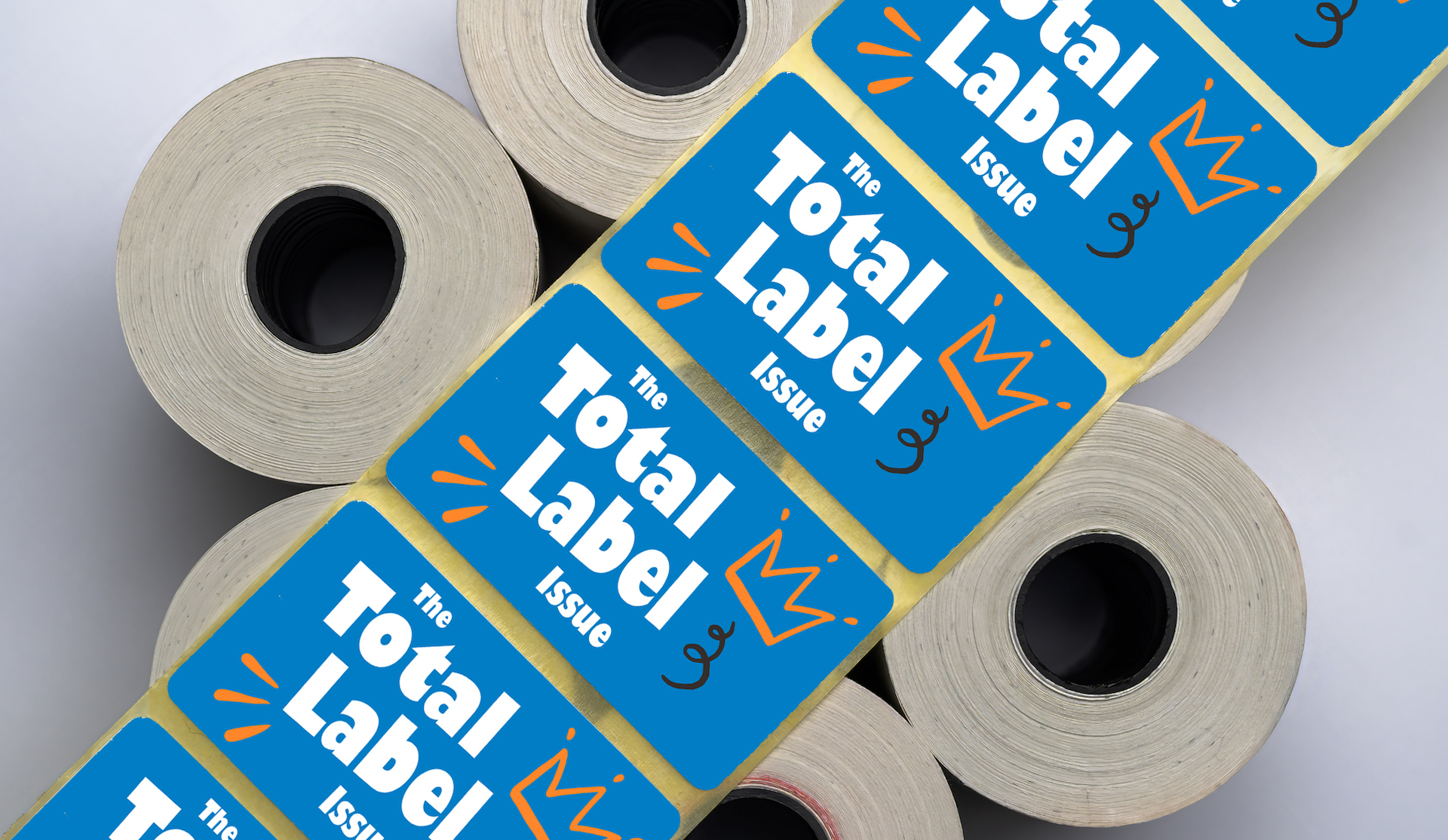
The Total Label Issue

The Total Label Issue

This issue of the WhatTheyThink Quarterly is all about labels, which are seen as a high-growth part of commercial printing, driven by e-commerce, food/beverage demand, and regulations. The market has surpassed 1.2 trillion square meters of label production volume per year, and is moving toward high-mix, low-waste production rather than only high-volume throughput. While flexo is still used for high-volume label production, digital label printing often complements it—or in some cases replaces it. But labels are about more than printing technology. Read More
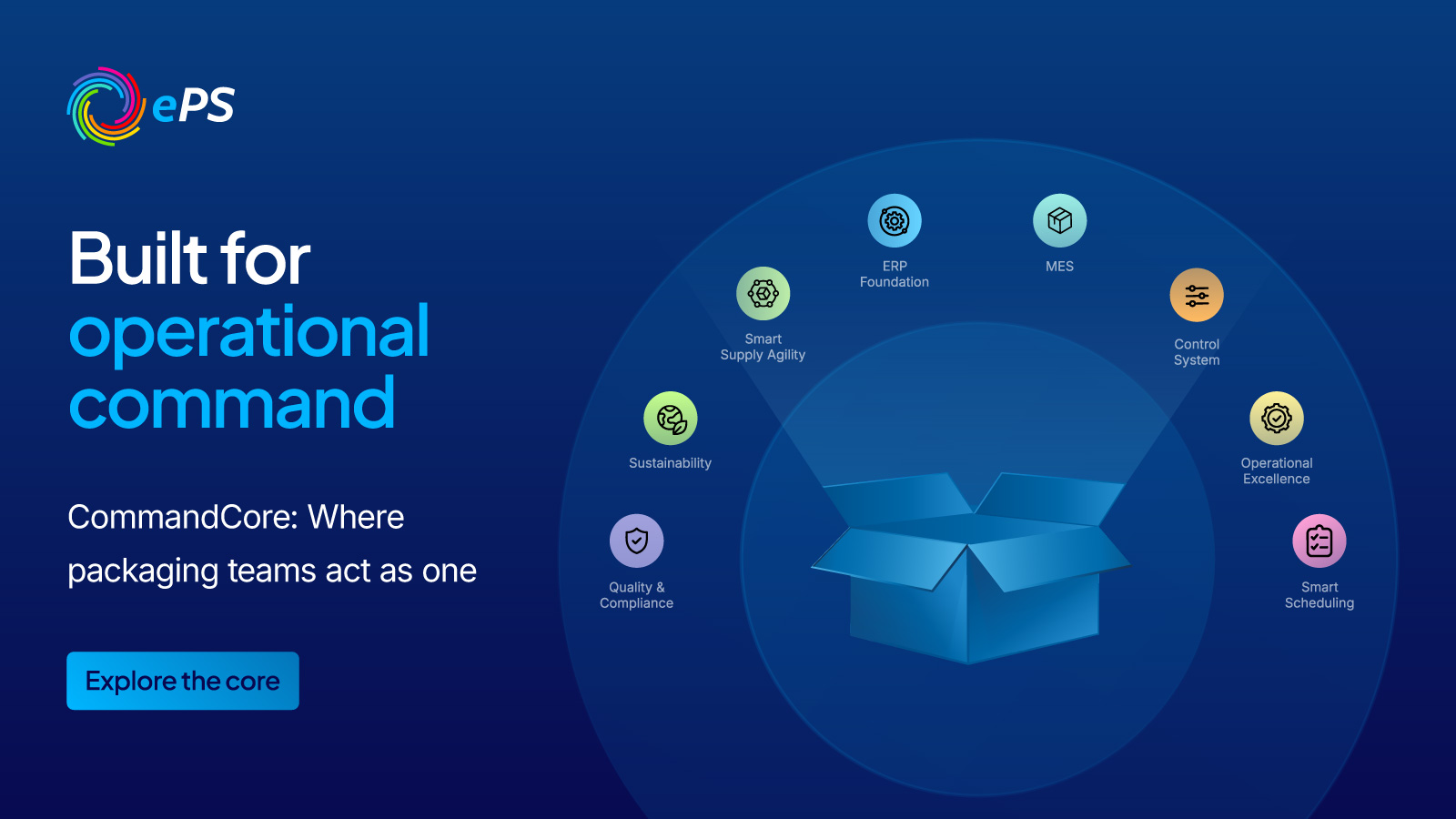
The Unified Platform for Packaging Manufacturing Excellence

The Unified Platform for Packaging Manufacturing Excellence

Leverage 30+ years of plant-floor expertise. Trusted by 700+ packaging manufacturers globally to reduce waste, optimize scheduling, and drive digital transformation. One unified foundation. Eight packaging-native pillars. Zero fragmentation. Read More

Expand Your Opportunities with the Truepress JET 560HDX from SCREEN

Expand Your Opportunities with the Truepress JET 560HDX from SCREEN

Commercial, direct mail, and publishing printers accustomed to producing jobs over several weeks can now print them in days with the SCREEN Truepress JET 560HDX. The press can accommodate 120 lb. coated or uncoated paper up to 560 mm wide. Read More

Around the Web: Of Water and Winners

Around the Web: Of Water and Winners

A sign-writer created the visual style of music festivals. The “2026 Milky Way Photographer of the Year” winners. AI appears to be catching on among the Amish. Sony has upgraded its wearable air conditioner. How to easily reuse produce bags. A complex digital water clock. A Nobel Prize–winning technology is able to extract water from dry air. Yes, it is possible to be allergic to water. Laser-induced graphene on Kevlar enables multifunctional structural composites. The “most desired” place in each of the 50 states. “The rise in plastic surgeons asked to create ‘AI face.’” K-pop band BTS has teamed with Oreo to release limited edition OREO x BTS Cookies. Welcome to WhatTheyThink’s weekly miscellany. Read More
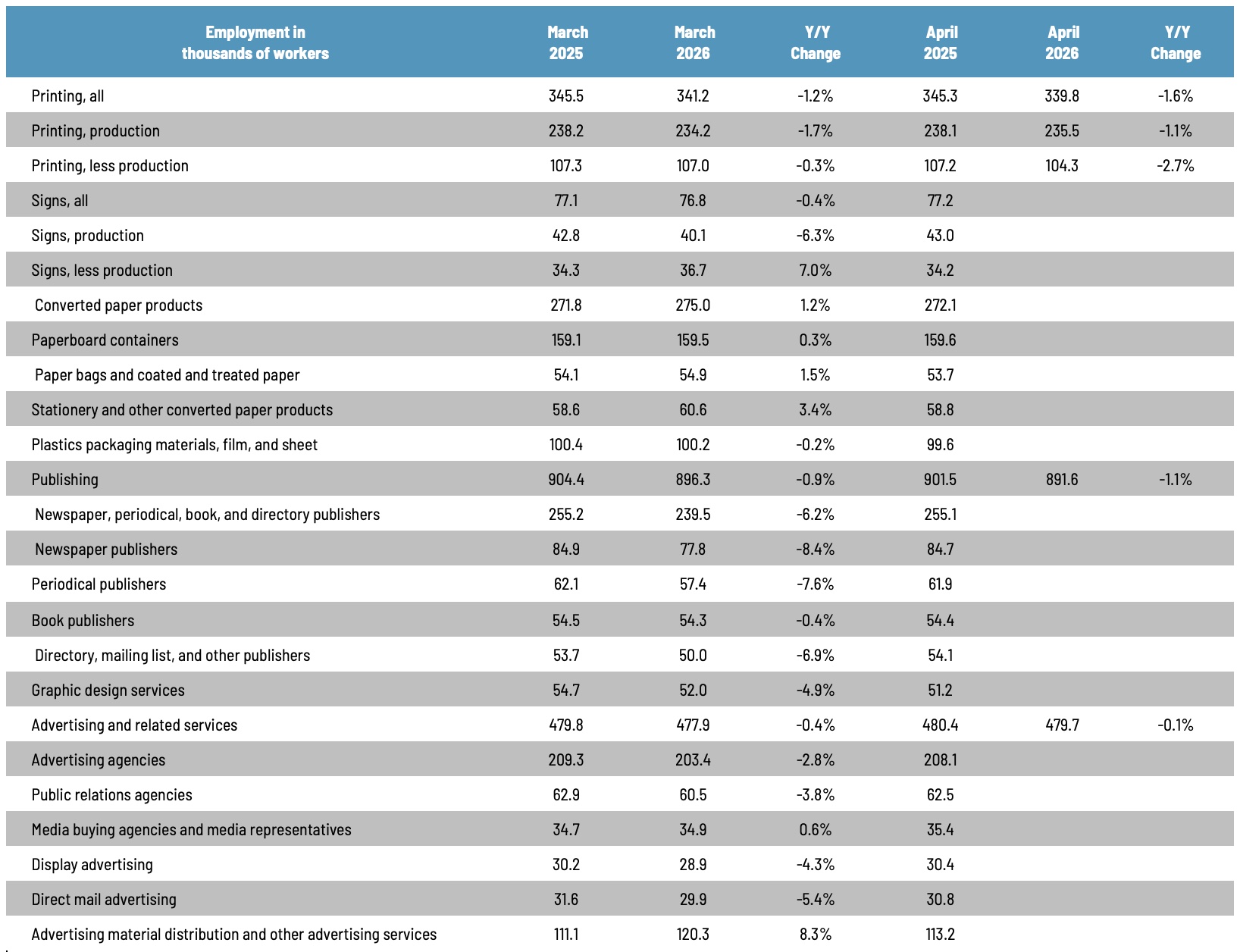
Graphic Arts Employment in April Down Overall—Substantially Among Non-Production

Graphic Arts Employment in April Down Overall—Substantially Among Non-Production

April 2026 saw printing industry employment overall generally flat, down 0.4% from March. And while production employment was up 0.6%, non-production employment was down by 2.5%—basically the reverse of what we saw in March. Read More

Recent Printing Industry News

Wednesday, June 03, 2026