WhatTheyThink

Premium Commentary & Analysis

A Tough Sell: Bringing Digital Document Workflow to the Enterprise - Part II

Not only is it difficult to implement enterprise-

Tuesday, March 26, 2002

Not only is it difficult to implement enterprise-level digital workflow, it's also hard to sell, both as a vendor and an internal champion. "People want to know about the whole process, but what I have seen is that different companies sell on different things, and no one has an overall umbrella view of the total value of going digital," says Chris Ahearn, vice president of sales and marketing for nowdocs.com. "In some cases, vendors even sell a solution that becomes part of the problem. When pieces don't work together, people get frustrated."

It's not easy on vendors either. If an application touches multiple areas, it becomes a more complex sale, and there are more people to reach and educate. "Enterprise workflow vendors often have to sell to inherited platforms and applications," says Ahearn. "They have to persuade multiple people and departments in a company."

The Genetics of Digital Workflow
The genetics of digital workflow contribute to the current dilemma. The evolution of today's digital document processes started with centralized mainframe environments, and then moved to decentralized desktop PCs. Now we see the rise of the networked data center hosting everything. Along the way, divisions and departments came up with their own way of doing things, and these applications are being brought back into the network.

"When you read Gartner and CAPV research, you see that one thing that is missing is a common hardware and software platform," Ahearn notes. "Many departments still use particular software or hardware within the scope of their processes. People need to start seeing what is the best way to do something, but you may not be able to convince them to change."

Under these fragmented conditions, how can companies to get anything to work together across the enterprise? "I think the Internet will allow some of this to get strung together because of its environment and platform independence," Ahearn says. "The new centralized data center supports this approach. For the most part, IT does not want to do anything but a thin client environment, and with good reason. They don't want to download applications to desktops, and if workflow can run in a browser-based environment independent of the desktop, they will have greater success."

Implementation Catch 22
Linking document workflow to the enterprise -- It's not easy, but it's not hopeless. Initially, a company would not build solutions around every single aspect of the business, just certain configurations. Start with integrating functionality specific to basic business applications, Ahearn recommends. Understand how it works, and then branch out and apply the knowledge to other common applications across the enterprise.

For example, when someone joins a company, they fill out employment forms. This enterprise application is very simple, and can easily be done in a digital environment to eliminate paperwork. Basic applications like this are good places to start building enterprise digital document workflow, but here's the catch. That kind of application is not going to give the big, flashy ROI, even though over time, companies may save hundreds of hours in reduced labor and mistakes. Management has to take into consideration the value of eliminating manual clerical labor for paper-based purchase orders, claims, employment forms and other basic applications. Through small wins, the organization needs to prove this works, but it still can be a tough sell.

By starting small, you will be more prepared for larger changes and incur less risk in the learning process. "Critical applications may be the ones with the big workflow ROI, but non-critical tasks provide the best ways to learn," says Ahearn. "I encourage companies to start small and learn mistakes to avoid as they apply digital document workflow to their most critical business applications."


Continue reading your article
with a WhatTheyThink membership.

WhatTheyThink Annual Membership

Less than $4/week.

Get unlimited access to in-depth commentary and analysis covering the latest trends, emerging technologies, operational strategies, and key events across every segment of today's printing industry.

Stay informed. Stay competitive. Stay ahead.
WhatTheyThink Day Pass

$5 for 24 hours

Unlimited access to all of WhatTheyThink. Get your Day Pass

Already a member?
Sign In

About WhatTheyThink

WhatTheyThink is the global printing industry's go-to information source with both print and digital offerings, including WhatTheyThink.com, WhatTheyThink Email Newsletters, and the WhatTheyThink magazine. Our mission is to inform, educate, and inspire the industry. We provide cogent news and analysis about trends, technologies, operations, and events in all the markets that comprise today's printing and sign industries including commercial, in-plant, mailing, finishing, sign, display, textile, industrial, finishing, labels, packaging, marketing technology, software and workflow.

Recent Articles from WhatTheyThink

The Total Label Issue

The Total Label Issue

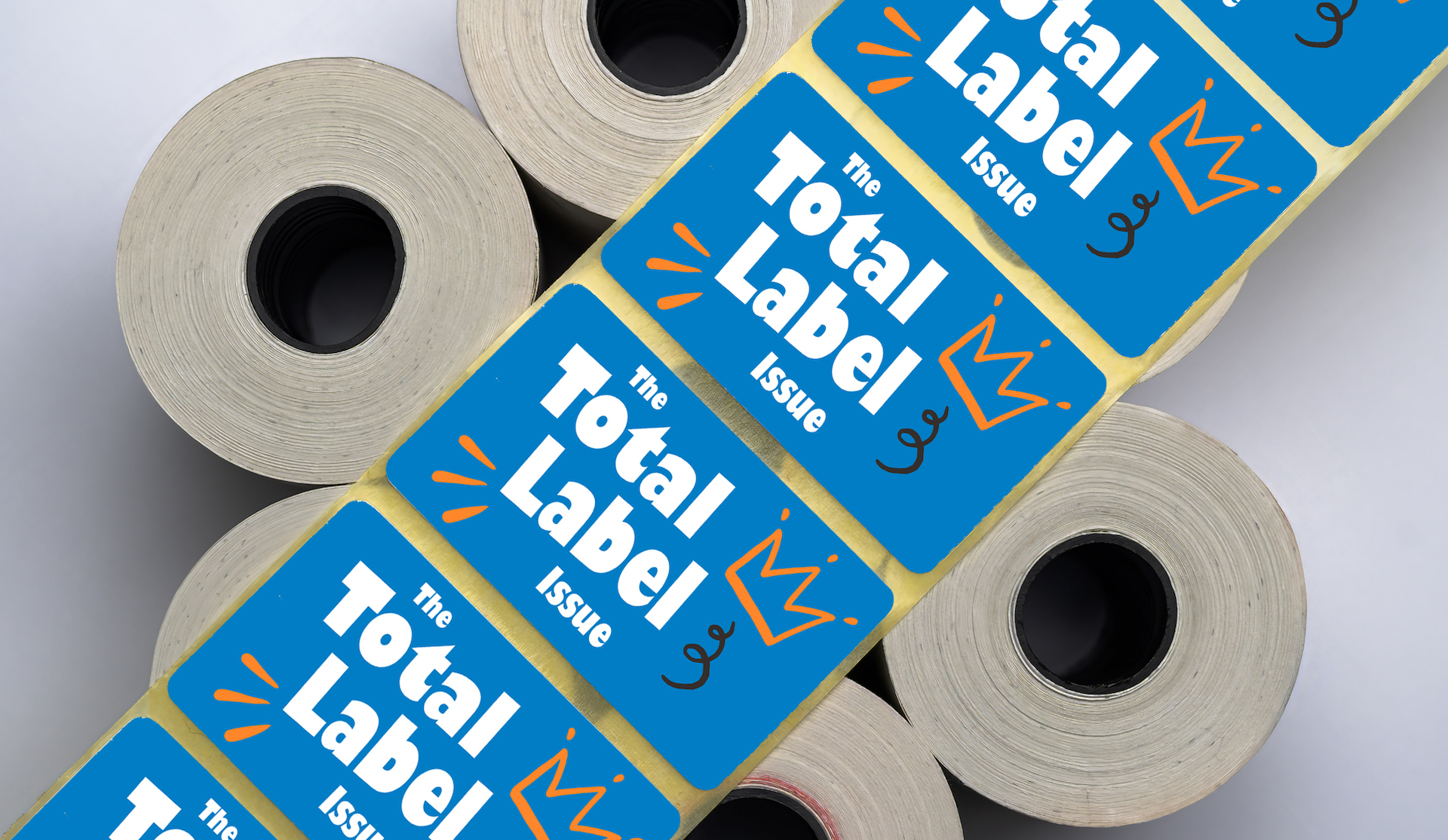
This issue of the WhatTheyThink Quarterly is all about labels, which are seen as a high-growth part of commercial printing, driven by e-commerce, food/beverage demand, and regulations. The market has surpassed 1.2 trillion square meters of label production volume per year, and is moving toward high-mix, low-waste production rather than only high-volume throughput. While flexo is still used for high-volume label production, digital label printing often complements it—or in some cases replaces it. But labels are about more than printing technology. Read More
The Unified Platform for Packaging Manufacturing Excellence

The Unified Platform for Packaging Manufacturing Excellence

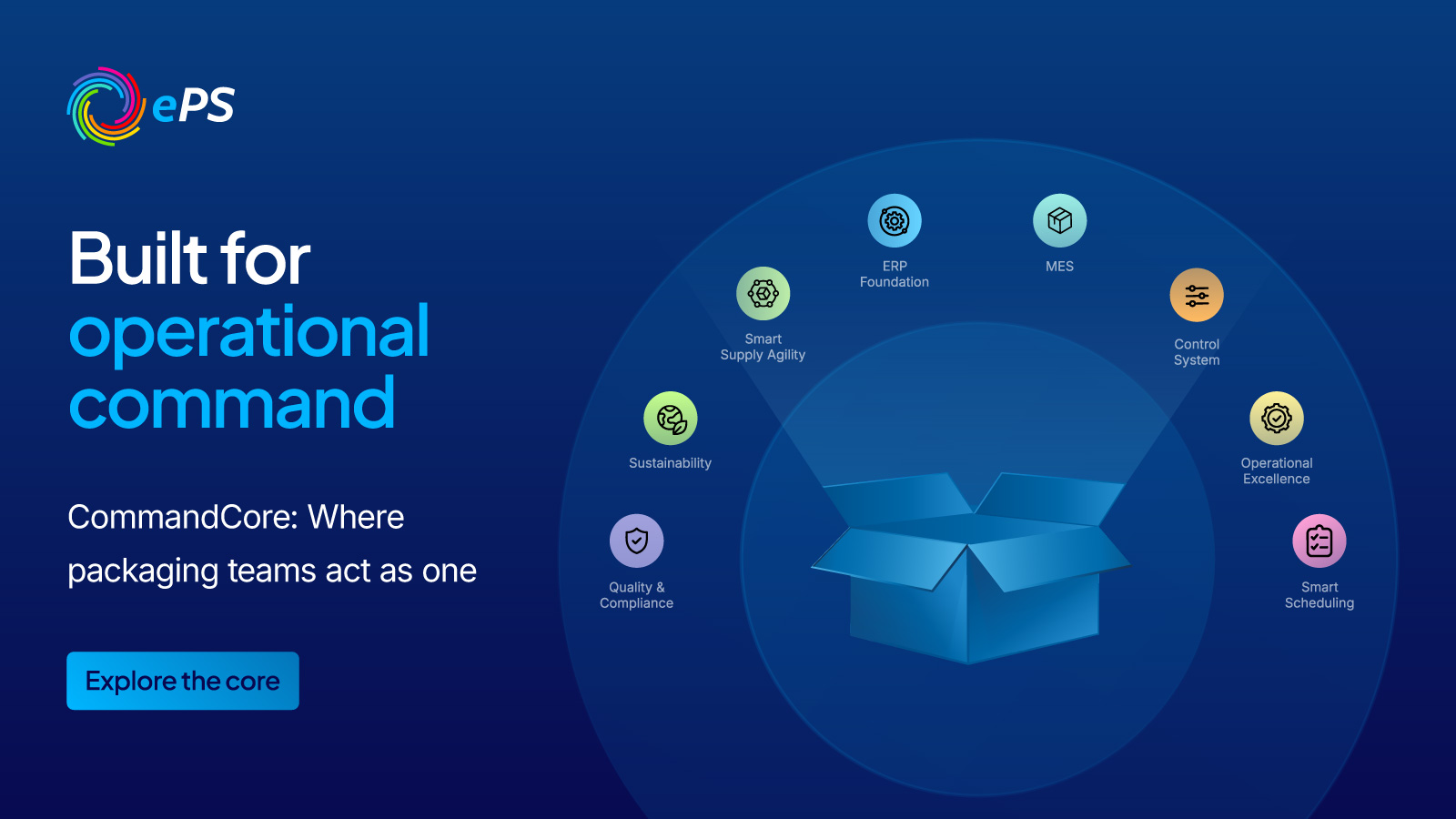
Leverage 30+ years of plant-floor expertise. Trusted by 700+ packaging manufacturers globally to reduce waste, optimize scheduling, and drive digital transformation. One unified foundation. Eight packaging-native pillars. Zero fragmentation. Read More
Expand Your Opportunities with the Truepress JET 560HDX from SCREEN

Expand Your Opportunities with the Truepress JET 560HDX from SCREEN

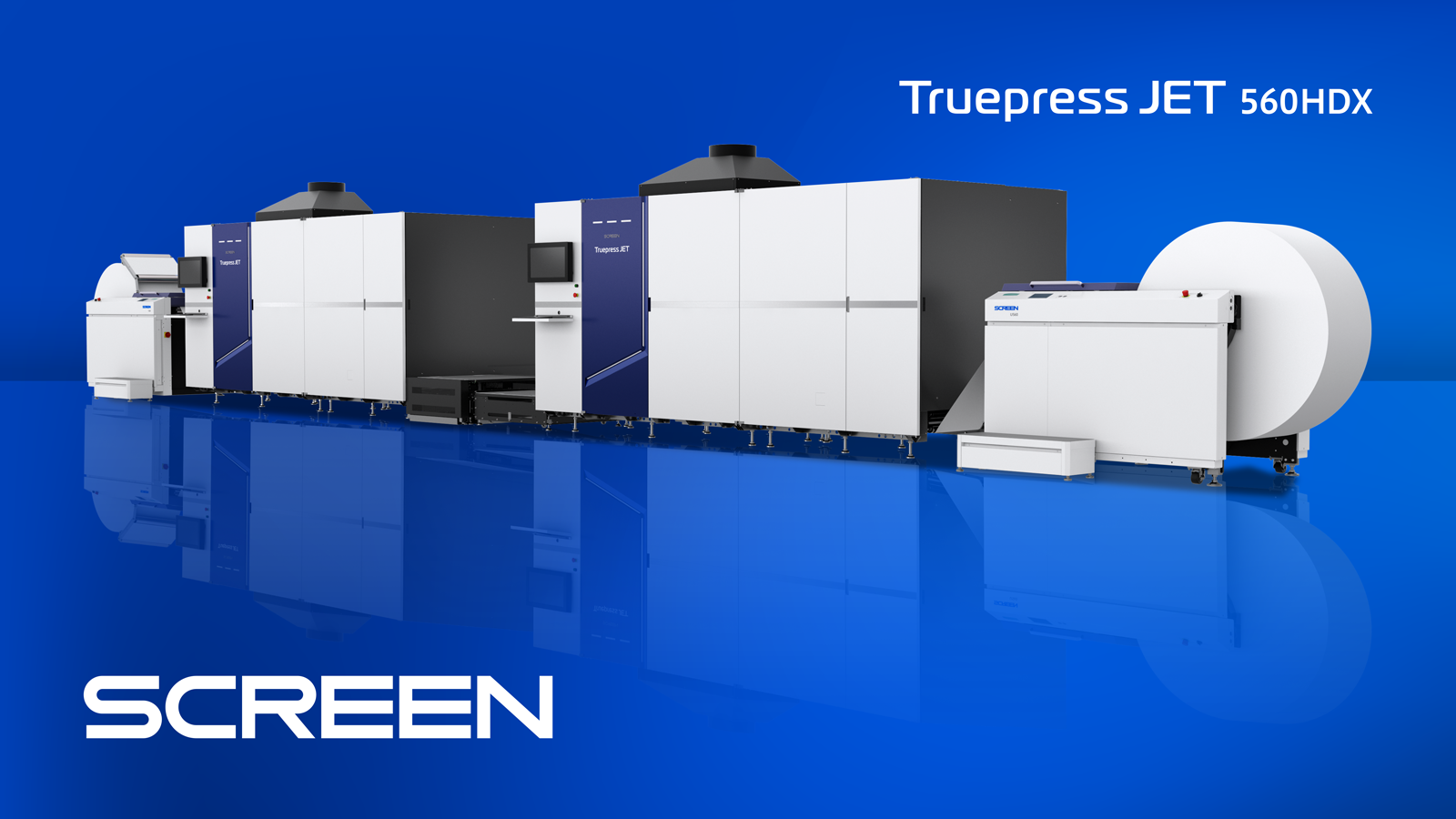
Commercial, direct mail, and publishing printers accustomed to producing jobs over several weeks can now print them in days with the SCREEN Truepress JET 560HDX. The press can accommodate 120 lb. coated or uncoated paper up to 560 mm wide. Read More

Around the Web: Of Water and Winners

Around the Web: Of Water and Winners

A sign-writer created the visual style of music festivals. The “2026 Milky Way Photographer of the Year” winners. AI appears to be catching on among the Amish. Sony has upgraded its wearable air conditioner. How to easily reuse produce bags. A complex digital water clock. A Nobel Prize–winning technology is able to extract water from dry air. Yes, it is possible to be allergic to water. Laser-induced graphene on Kevlar enables multifunctional structural composites. The “most desired” place in each of the 50 states. “The rise in plastic surgeons asked to create ‘AI face.’” K-pop band BTS has teamed with Oreo to release limited edition OREO x BTS Cookies. Welcome to WhatTheyThink’s weekly miscellany. Read More
Graphic Arts Employment in April Down Overall—Substantially Among Non-Production

Graphic Arts Employment in April Down Overall—Substantially Among Non-Production

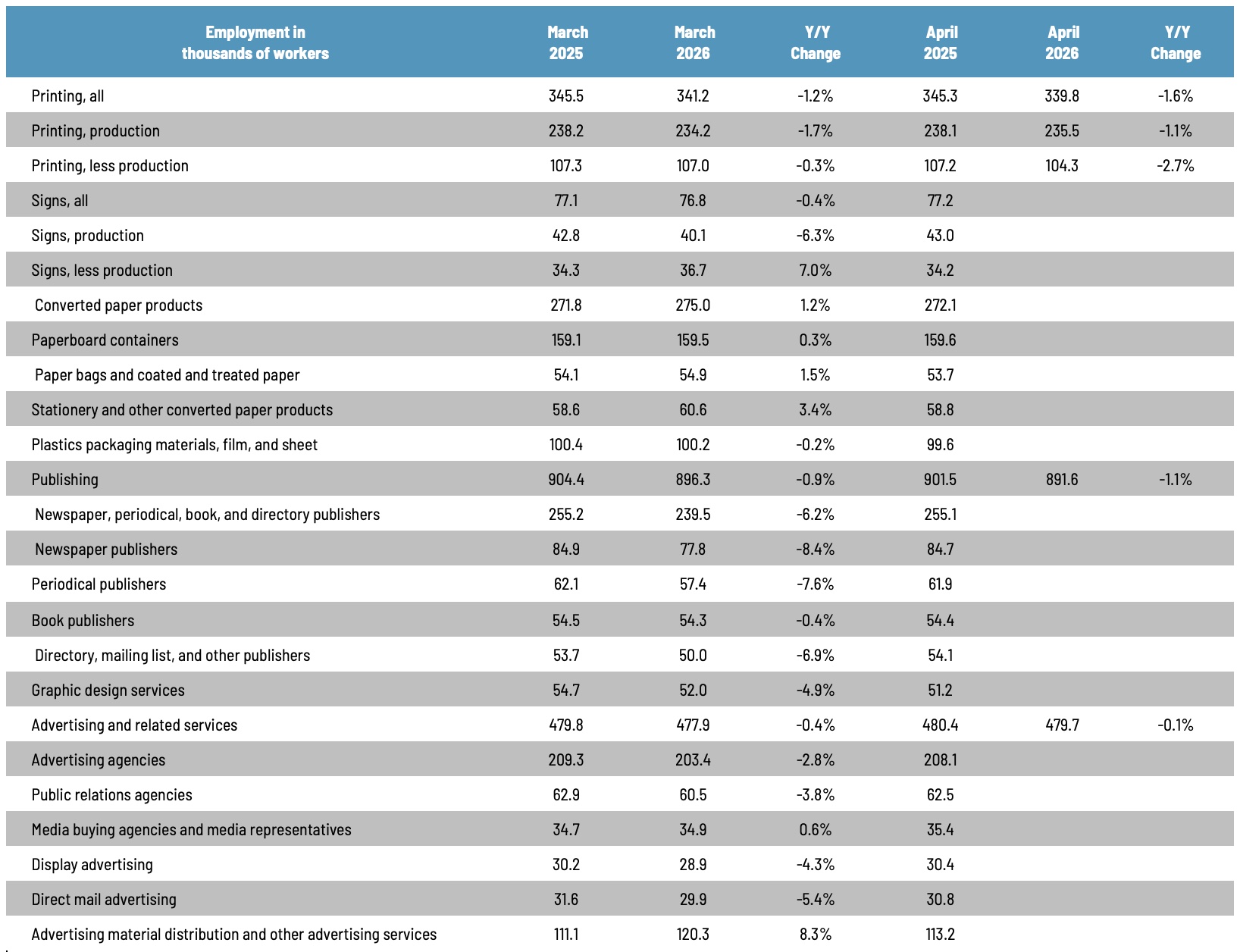
April 2026 saw printing industry employment overall generally flat, down 0.4% from March. And while production employment was up 0.6%, non-production employment was down by 2.5%—basically the reverse of what we saw in March. Read More

Recent Printing Industry News

Wednesday, June 03, 2026