WhatTheyThink

Premium Commentary & Analysis

Eliot Harper - Dot Com Watch

Eliot Harper,

Thursday, March 01, 2001

Eliot Harper, industry analyst, has joined our site in an arrangement to management our Dot Com Watch. Eliot was educated at RIT. He has written for many leading trade publications and spoken at industry trade events. The Dot Com Watch is an effort to track the different e-Print and publishing companies. The list is a resource for printers and print buyers to examine different options in this growing area. Eliot has tracked these companies since the birth of the Internet. We wanted to formerly introduce him to our community. We look forward to his contributions to the site.


Eliot, why did you select the print industry as a career?

I stumbled into it. While I was looking for a suitable college degree, I assessed many different industries and found the printing industry to be an interesting and prosperous one. So, I chose to start on a Bachelors degree in Printing Management. I had little knowledge or experience of print at that stage—I thought 'Heidelberg' was a type of German wine!

From your experience, what makes a good print buyer?

A good print buyer is someone who understands the printing industry and it's technology. Unfortunately, there are few such people. I believe that many print buyers need more education about the processes, work flows and technology in our industry. The people who should be educating these print buyers are those with industry knowledge; printers.

Discuss adoption rates of technology - is it too slow?

In the past, the printing industry has always been cautious to adopt new technology. It seems many printers have adopted the policy "my technology works for me, so why change?". I used to regard that policy to be valid, but not anymore. Today, our industry is highly motivated by changes and advancements in technology, and it is important for printers to monitor, understand, and consider adopting such technology in order to succeed in this highly competitive arena.

What are the challenges for today's print buyer?

The main challenge for print buyers is keeping up-to-date with technology in our industry. New printing technology opens a mountain of new markets and opportunity. Print buyers need to understand this and use it to their advantage. In addition, print buyers need to open their eyes to what opportunities the Internet offers them—online service offerings are filled with many advantages to the automation, efficiency and cost-effectiveness of the print-buying process.

What about challenges facing printers?

The largest challenge for printers today is in maintaining a competitive advantage against other market players. The problem throughout the printing industry is that there is little service and product differentiation between printers. They are all offering the same products; print. Online services enable printers to obtain a competitive advantage against their competitors, as such value-added services allow printers to extend their service offerings. The obstacle for printers is in influencing print buyers to use such services.

As we stated in your introduction, you have followed the “e” portion of the business for a long time. What will happen with the dot coms in the print industry space?

It is my belief that the Internet is the future for print. It is going to change the way printers and print buyers do business. However, such a transition does not occur overnight, it takes time for industry acceptance and implementation. Many of the 'print dot coms' did not predict this, which is why they are in their current state.

I predict that the 'print dot com' market will continue to develop, but the number of providers will continue to decline and consolidate. This development pattern is comparable to that of CTP (computer-to-plate) technology. Five years ago, there were many CTP vendors. Today, this market has consolidated down to a handful of vendors. Although the adoption of CTP was relatively slow, and did not happen overnight, the technology is still here, and its adoption is still increasing. We can expect to see a similar market development pattern for the 'print dot coms' of tomorrow.


Continue reading your article
with a WhatTheyThink membership.

WhatTheyThink Annual Membership

Less than $4/week.

Get unlimited access to in-depth commentary and analysis covering the latest trends, emerging technologies, operational strategies, and key events across every segment of today's printing industry.

Stay informed. Stay competitive. Stay ahead.
WhatTheyThink Day Pass

$5 for 24 hours

Unlimited access to all of WhatTheyThink. Get your Day Pass

Already a member?
Sign In

About WhatTheyThink

WhatTheyThink is the global printing industry's go-to information source with both print and digital offerings, including WhatTheyThink.com, WhatTheyThink Email Newsletters, and the WhatTheyThink magazine. Our mission is to inform, educate, and inspire the industry. We provide cogent news and analysis about trends, technologies, operations, and events in all the markets that comprise today's printing and sign industries including commercial, in-plant, mailing, finishing, sign, display, textile, industrial, finishing, labels, packaging, marketing technology, software and workflow.

Recent Articles from WhatTheyThink

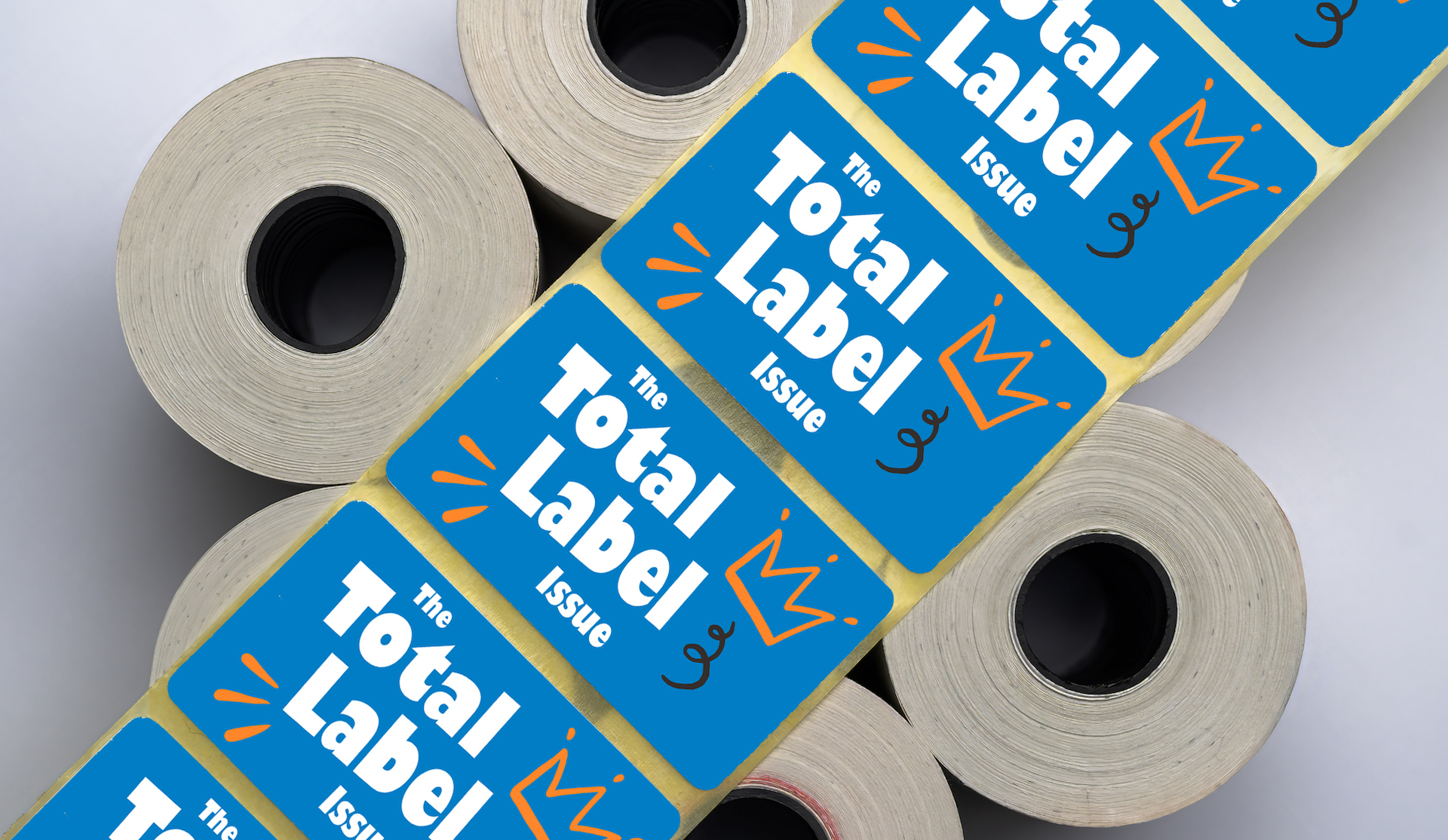
The Total Label Issue

The Total Label Issue

This issue of the WhatTheyThink Quarterly is all about labels, which are seen as a high-growth part of commercial printing, driven by e-commerce, food/beverage demand, and regulations. The market has surpassed 1.2 trillion square meters of label production volume per year, and is moving toward high-mix, low-waste production rather than only high-volume throughput. While flexo is still used for high-volume label production, digital label printing often complements it—or in some cases replaces it. But labels are about more than printing technology. Read More
The Unified Platform for Packaging Manufacturing Excellence

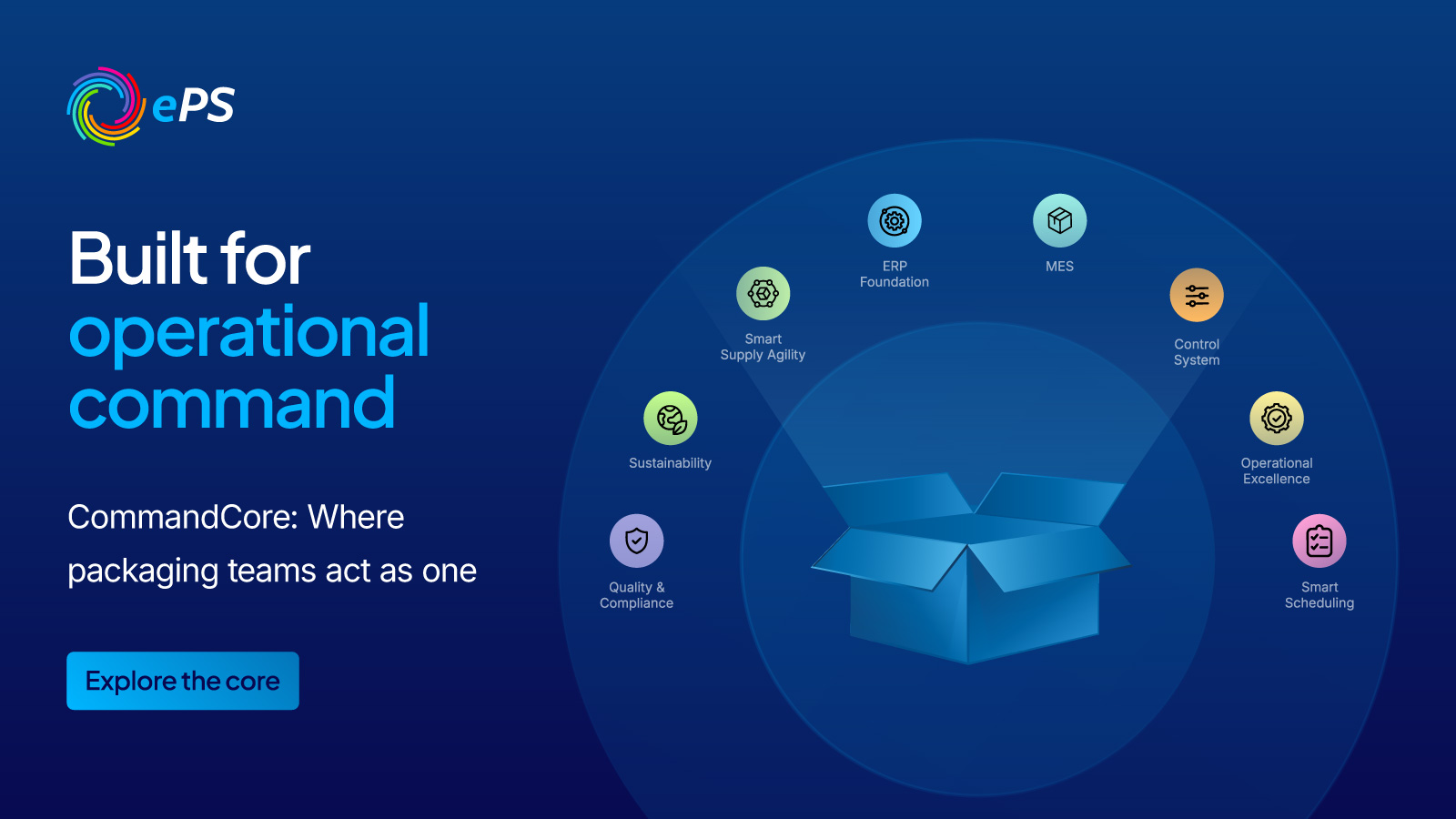
The Unified Platform for Packaging Manufacturing Excellence

Leverage 30+ years of plant-floor expertise. Trusted by 700+ packaging manufacturers globally to reduce waste, optimize scheduling, and drive digital transformation. One unified foundation. Eight packaging-native pillars. Zero fragmentation. Read More
Expand Your Opportunities with the Truepress JET 560HDX from SCREEN

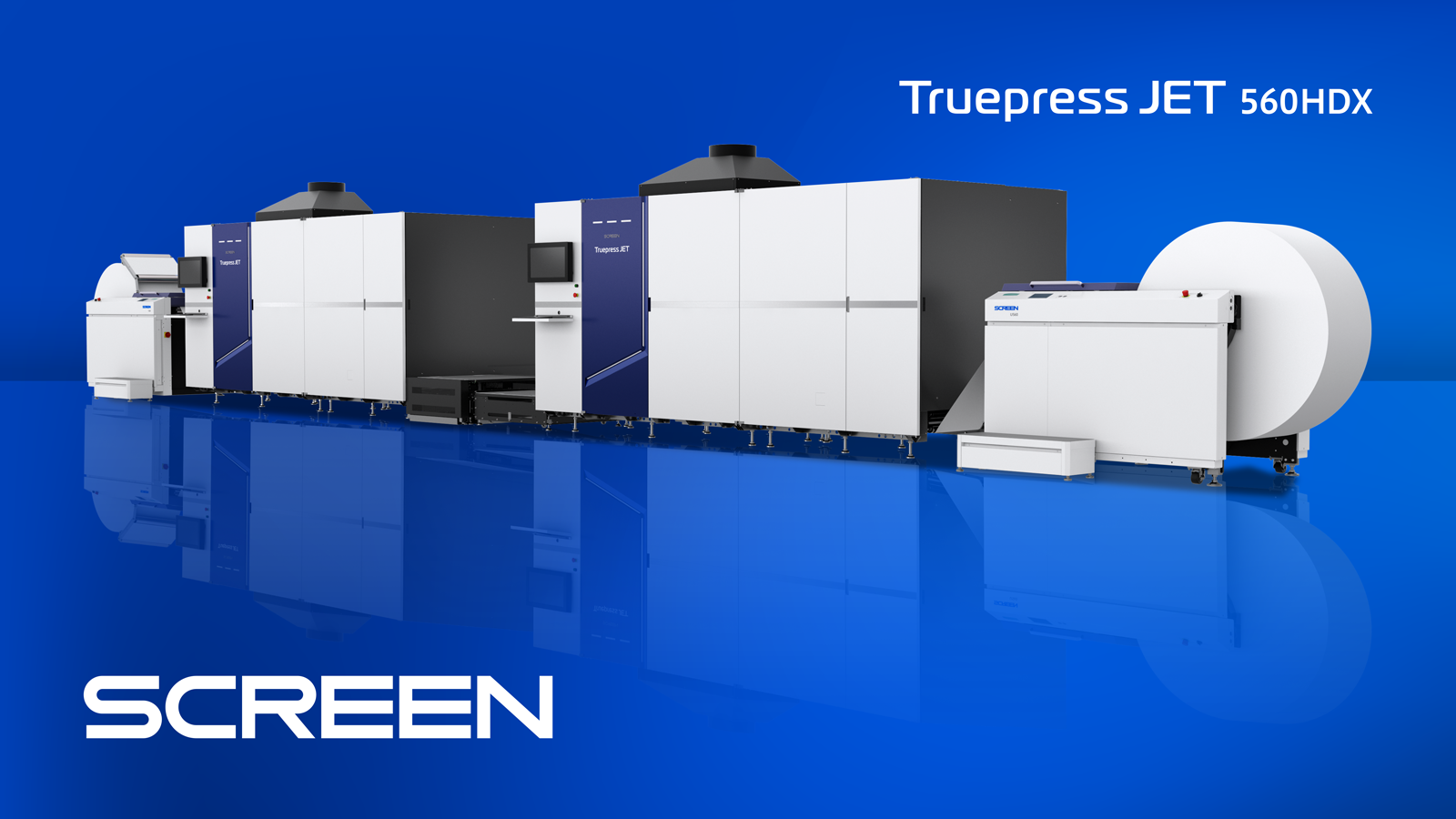
Expand Your Opportunities with the Truepress JET 560HDX from SCREEN

Commercial, direct mail, and publishing printers accustomed to producing jobs over several weeks can now print them in days with the SCREEN Truepress JET 560HDX. The press can accommodate 120 lb. coated or uncoated paper up to 560 mm wide. Read More

Around the Web: Of Water and Winners

Around the Web: Of Water and Winners

A sign-writer created the visual style of music festivals. The “2026 Milky Way Photographer of the Year” winners. AI appears to be catching on among the Amish. Sony has upgraded its wearable air conditioner. How to easily reuse produce bags. A complex digital water clock. A Nobel Prize–winning technology is able to extract water from dry air. Yes, it is possible to be allergic to water. Laser-induced graphene on Kevlar enables multifunctional structural composites. The “most desired” place in each of the 50 states. “The rise in plastic surgeons asked to create ‘AI face.’” K-pop band BTS has teamed with Oreo to release limited edition OREO x BTS Cookies. Welcome to WhatTheyThink’s weekly miscellany. Read More
Graphic Arts Employment in April Down Overall—Substantially Among Non-Production

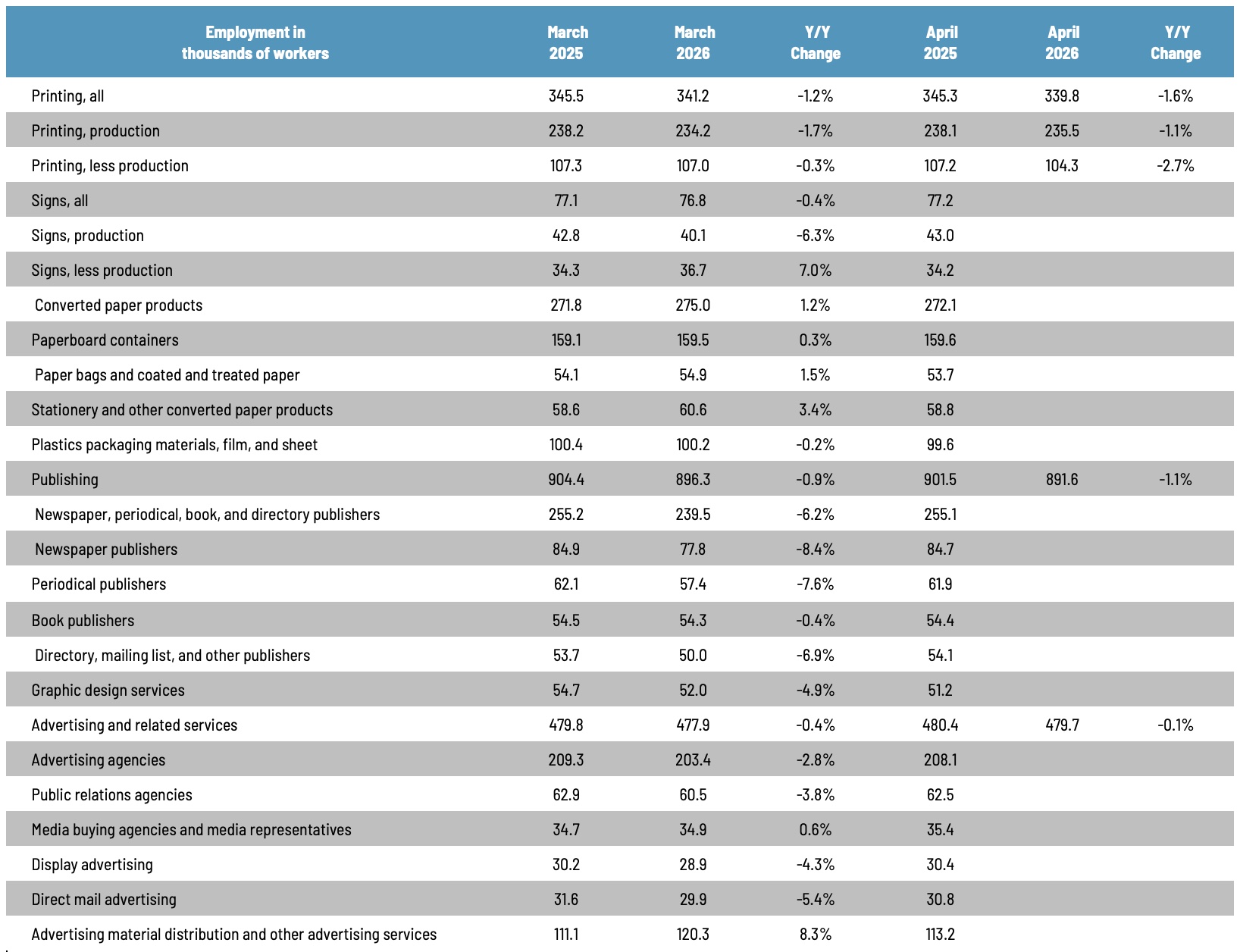
Graphic Arts Employment in April Down Overall—Substantially Among Non-Production

April 2026 saw printing industry employment overall generally flat, down 0.4% from March. And while production employment was up 0.6%, non-production employment was down by 2.5%—basically the reverse of what we saw in March. Read More

Recent Printing Industry News

Wednesday, June 03, 2026