WhatTheyThink

Premium Commentary & Analysis

Digital Workflow: Is It Worth It?

Commercial printers and publishers are discovering the potential that digital workflow is already delivering to many transaction-

Monday, January 28, 2002

Commercial printers and publishers are discovering the potential that digital workflow is already delivering to many transaction-oriented production printing operations. Processes, productivity and profit all stand to gain from the implementation of this software-based automation. If you are trying to justify a move to digital workflow, here are some factors to consider.

"The simple reason for any digital workflow system is to do more with less, and the resulting benefits are measurable and obvious," notes Dave Squires, director of solution sales at Sefas Innovation, Inc. (www.sefas.com). "Improved system throughput results in faster market speed; reduced requirements for physical assets and labor can cut costs; and improved accuracy and reduced physical inventories also lower expenses." Tim West, vice president of development at Art Plus Technology (www.artplustechnology.com) cites additional benefits like fewer errors and the ability to match output to the best production resources.

Speed of Delivery

Speed of delivery is another powerful recommendation for digital workflow. "When prospective customers call a financial services company, 80 percent of time they will select the first company to get them information in the mail," says Jerry DeRome, manager of on demand technologies for Bell & Howell Mail and Messaging Technologies (www.BellHowell.com). "Shortening the time between the initial contact by web or phone to the time information is delivered is a main driver for digital workflow."

MAIL 2000 (www.Mail2000.com) is an example of this principle at work. The mailing and document production services provider relies on digital workflow to guarantee most customers two-day turnaround from receipt to production to delivery to the mailstream. It's digital workflow that lets MAIL 2000 operate faster and cheaper -- and undercut most of its competitors -- according to MAIL 2000 COO John Kuiper. For MAIL 2000 clients who send stock trade confirms or customer service letters, time is also their competitive advantage, and MAIL 2000 helps them maximize it.

React-On-A-Dime Flexibility

Digital workflow further gives MAIL 2000 a flexibility benefit that keeps work moving. "Since we have a workflow system integrating six production locations, we never depend on just one," Kuiper says. "We have built-in back up, so if a single operation or postal site is down, we can digitally reroute work to another production location to get it expedited and delivered."

Flexibility gains also include the ability to react quickly in the market and to customer needs. "Operations can almost instantly incorporate changes their customers require," explained Robert Raus, director of solutions marketing for Oce Printing Systems (www.oceprinting.com). With digital workflow in place, "users can proof and edit right up to a few hours before the production run. The digital creation, proof, edit and approval cycle is reduced dramatically when compared with previous physical processes, so you don't waste time and materials. Digital workflow lets you be more responsive to reality. It gives the ability to vary content in response to current market conditions and customer requirements, unlike magazine publishing, where content is locked-in many weeks before print production starts. "

The Personalization Return

"The highest value of digital printing comes from the ability to take personalized messaging vs. offset marketing to the masses. Just converting legacy applications to a digital environment will not maximize the cost benefit," cautions Jerry DeRome of Bell & Howell. "Marketers can achieve a 30 to100 percent better response from personalization compared to a mass campaign. The additional value and response rate can justify digital document-processing costs."

Still, from a production standpoint, companies can achieve some value from digital workflow even without personalization, especially through the reduction of scrap and inventory. "Digital print-on-demand can reduce the cost and effort to track, store and scrap preprinted documents that have shelf life, especially in finance and insurance," DeRome says.

Is digital workflow worth it? That seems to depend on where your customers are headed and whether you want to go there with them.


Continue reading your article
with a WhatTheyThink membership.

WhatTheyThink Annual Membership

Less than $4/week.

Get unlimited access to in-depth commentary and analysis covering the latest trends, emerging technologies, operational strategies, and key events across every segment of today's printing industry.

Stay informed. Stay competitive. Stay ahead.
WhatTheyThink Day Pass

$5 for 24 hours

Unlimited access to all of WhatTheyThink. Get your Day Pass

Already a member?
Sign In

About WhatTheyThink

WhatTheyThink is the global printing industry's go-to information source with both print and digital offerings, including WhatTheyThink.com, WhatTheyThink Email Newsletters, and the WhatTheyThink magazine. Our mission is to inform, educate, and inspire the industry. We provide cogent news and analysis about trends, technologies, operations, and events in all the markets that comprise today's printing and sign industries including commercial, in-plant, mailing, finishing, sign, display, textile, industrial, finishing, labels, packaging, marketing technology, software and workflow.

Recent Articles from WhatTheyThink

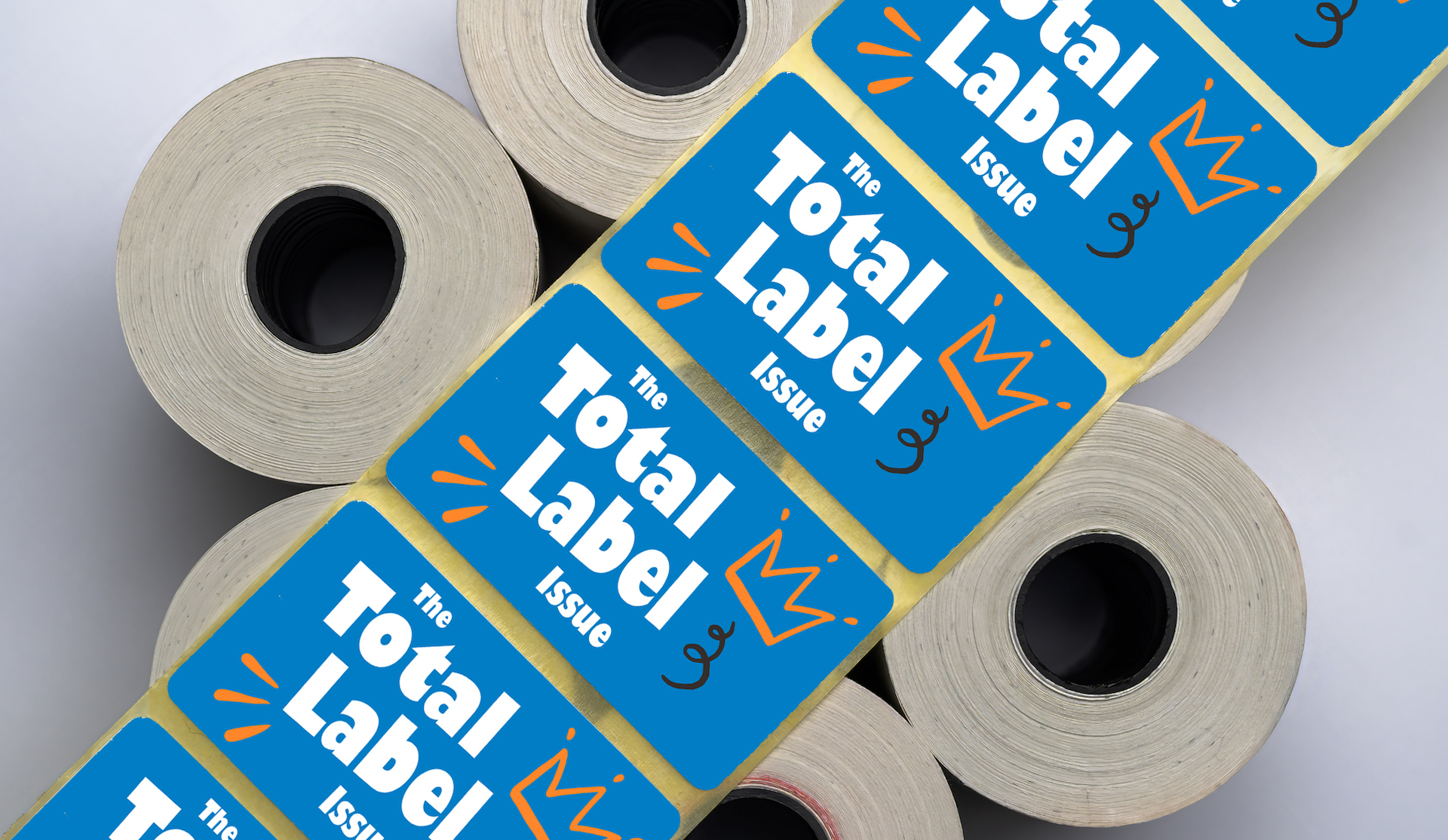
The Total Label Issue

The Total Label Issue

This issue of the WhatTheyThink Quarterly is all about labels, which are seen as a high-growth part of commercial printing, driven by e-commerce, food/beverage demand, and regulations. The market has surpassed 1.2 trillion square meters of label production volume per year, and is moving toward high-mix, low-waste production rather than only high-volume throughput. While flexo is still used for high-volume label production, digital label printing often complements it—or in some cases replaces it. But labels are about more than printing technology. Read More
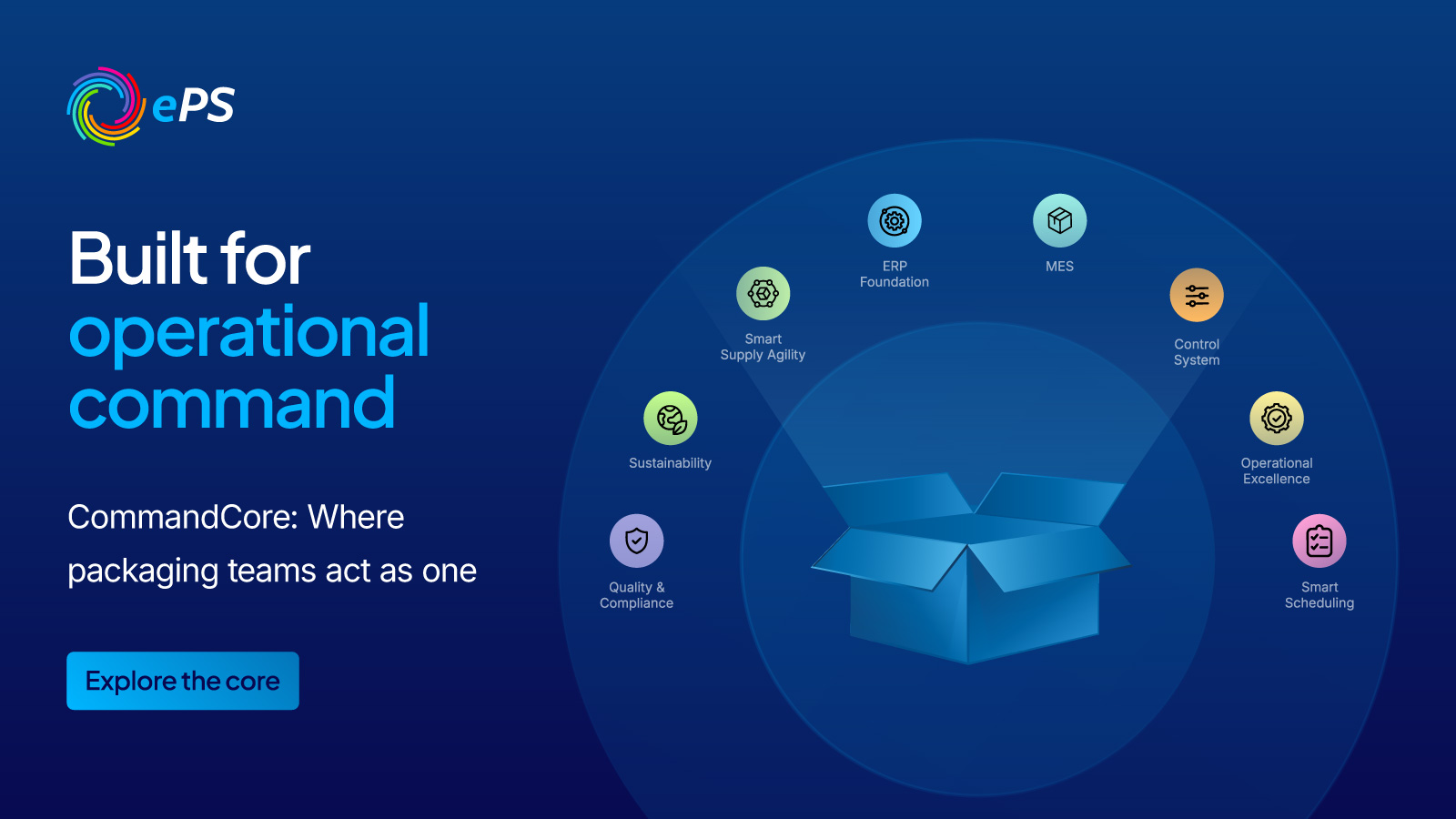
The Unified Platform for Packaging Manufacturing Excellence

The Unified Platform for Packaging Manufacturing Excellence

Leverage 30+ years of plant-floor expertise. Trusted by 700+ packaging manufacturers globally to reduce waste, optimize scheduling, and drive digital transformation. One unified foundation. Eight packaging-native pillars. Zero fragmentation. Read More
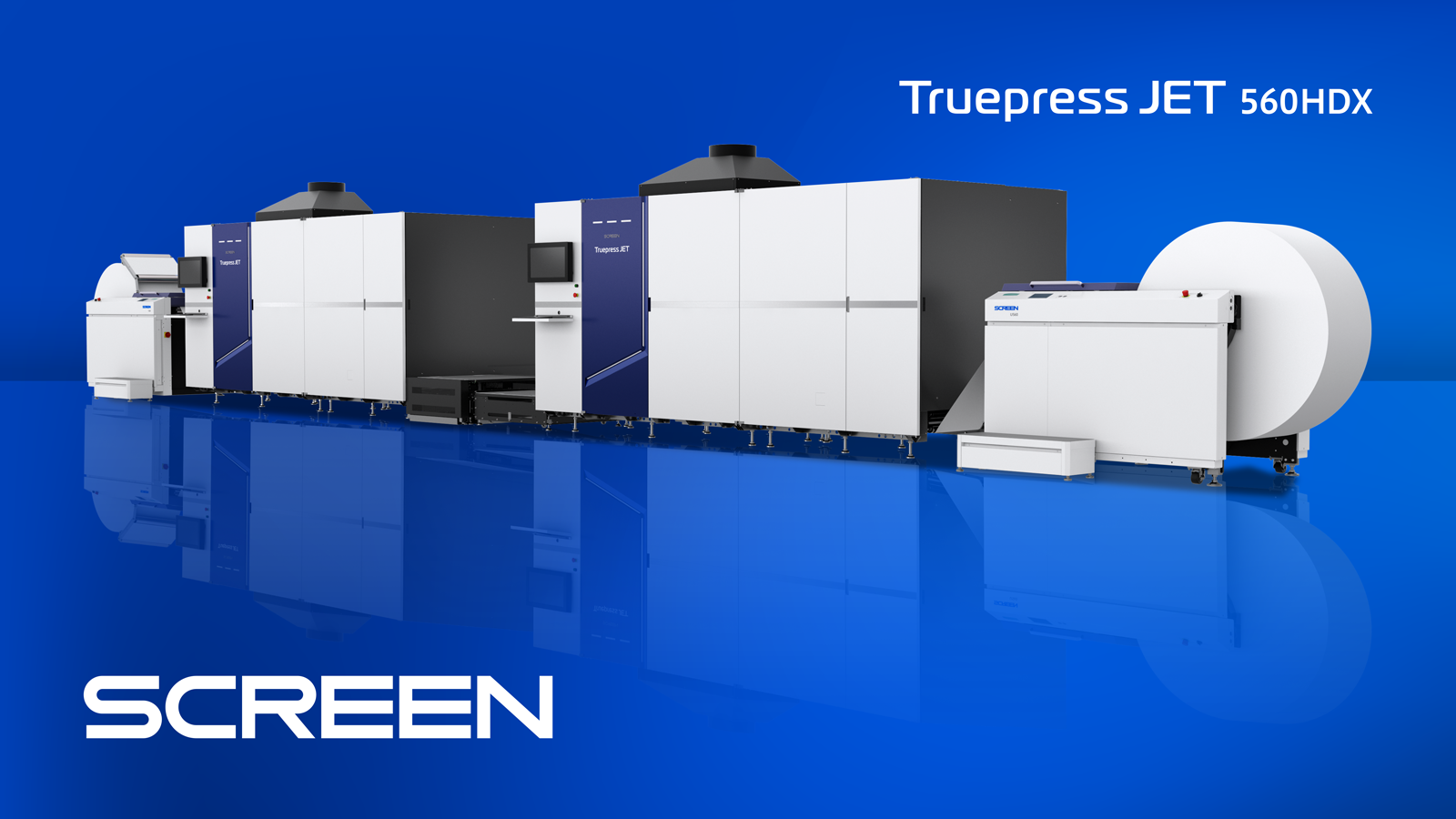
Expand Your Opportunities with the Truepress JET 560HDX from SCREEN

Expand Your Opportunities with the Truepress JET 560HDX from SCREEN

Commercial, direct mail, and publishing printers accustomed to producing jobs over several weeks can now print them in days with the SCREEN Truepress JET 560HDX. The press can accommodate 120 lb. coated or uncoated paper up to 560 mm wide. Read More

Around the Web: Of Water and Winners

Around the Web: Of Water and Winners

A sign-writer created the visual style of music festivals. The “2026 Milky Way Photographer of the Year” winners. AI appears to be catching on among the Amish. Sony has upgraded its wearable air conditioner. How to easily reuse produce bags. A complex digital water clock. A Nobel Prize–winning technology is able to extract water from dry air. Yes, it is possible to be allergic to water. Laser-induced graphene on Kevlar enables multifunctional structural composites. The “most desired” place in each of the 50 states. “The rise in plastic surgeons asked to create ‘AI face.’” K-pop band BTS has teamed with Oreo to release limited edition OREO x BTS Cookies. Welcome to WhatTheyThink’s weekly miscellany. Read More
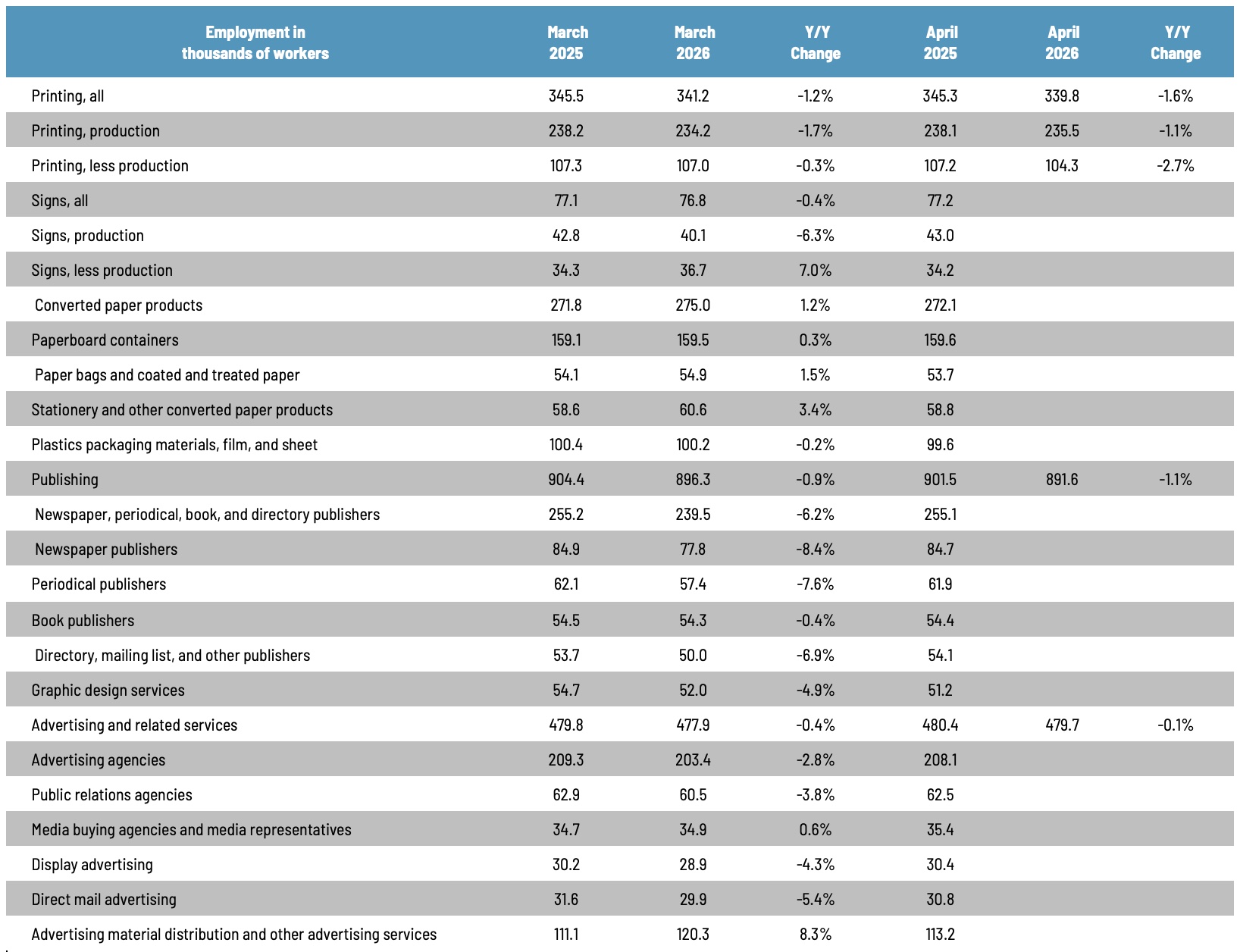
Graphic Arts Employment in April Down Overall—Substantially Among Non-Production

Graphic Arts Employment in April Down Overall—Substantially Among Non-Production

April 2026 saw printing industry employment overall generally flat, down 0.4% from March. And while production employment was up 0.6%, non-production employment was down by 2.5%—basically the reverse of what we saw in March. Read More

Recent Printing Industry News

Wednesday, June 03, 2026