WhatTheyThink

Premium Commentary & Analysis

Painless Digital Advertising

A few years ago my company decided to throw caution to the wind and leave the relatively calm waters of the analog world and dive headlong into the murky depths of digital production.

Wednesday, August 01, 2001

A few years ago my company decided to throw caution to the wind and leave the relatively calm waters of the analog world and dive headlong into the murky depths of digital production. Sound dramatic enough? Well, in retrospect it was dramatic. We had an idea of what we were getting into and set about attempting to reorganize our workflow and our prepress systems, but one aspect slipped by us on our first pass-the drama of digital advertising. How could something like ads be so challenging? We had always worked with ads. We knew our advertisers and, in a way, took the system for granted. A forum I attended at SeyBold San Francisco changed my world. It focused on the challenges of digital advertising and it honestly altered the way I saw the process (thank you Alan Darling, Frank Scott, Linda Manes-Goodwin and Michael Weinglass for sharing your experiences that day).

Years later I still hear horror stories associated with digital ad production from many colleagues. Poorly built files, challenges with native files, challenges with formats, customer service issues from advertisers and agencies - the list goes on and on. I left that forum mentioned above with some solutions in hand and an attitude of partnering with our advertisers in order to show them the benefits of digital advertising and to provide them with the tools they needed to be successful. In turn, it helped my publishing group be more successful. I’d like to share some of these tips for success with you. They are all common sense, but important, non-the less.

The process

I’ve always felt that the "3 Ws" of production were "workflow, workflow, workflow". Establishment of a workflow that not only satisfies your internal needs, but the needs of the bulk of your advertisers is crucial for success. Here are some bullet points concerning our internal workflow for digital ads:

- Create an ad bank based on insertion orders - This is key to justifying incoming ads with what is expected for a specific issue.

- Have a central point of contact for ad trafficking - Again, crucial. Too many cooks spoil the soup so ask one person to track what comes in and when. They should log in each ad when received, comparing it to the ad’s insertion order. Once the ad is logged in it goes to:

Preflight

In my estimation this is the single aspect of your digital ad workflow that will keep your hair from turning gray and your advertisers from turning against you. Every ad should be preflown using FlightCheck or a similar application (if native files, and yes folks, people still send them and it may be a few years before they send locked and cocked files to you), or PitStop, or similar, if PDFs. DDAP offers a TIFF/IT-P1 verifier which is handy if your workflow supports that format. No matter what format, ensure that both your and the advertisers expectations are met when their files are submitted:proper specs and the proper ad (they may have sent an old version by mistake). Any deviation should be reported immediately to the advertiser and another ad submitted. We do not fix customer ads, but require a replacement. This may not seem to be in the spirit of partnering, but as soon as I touch the ad I own it. Anything that goes wrong with that ad, whether or not it was already part of the file can cause confusion for everyone (I think you know what I‚m getting at). Once preflighted, we:

Proof

We pull a color laser and verify it against the advertiser‚s supplied proof, if one is supplied. If the advertiser does not supply a proof our policy is "what you send is what you get". If no proof is provided I let our Ad Director know to contact the advertiser, but from my experience lack of a proof does not mean lack of ability. It probably means that Joe Advertiser, who put this together in his den, did not have a color printer. As a service to the advertiser, and since we have in-house prepress, if no proof is provided, we pull a contract proof for the advertiser. It costs us $12.50 per page and believe me it’s more than worth it. If the advertiser continues to not send proofs we try to work with them to explain the importance of proper proofing to the final product. Getting back to Joe Advertiser, I’m sure we are all aware that we work with advertisers of differing levels of sophistication. Advertisers can range from the largest agencies to the guy who run‚s his own business out of his garage. With our advertisers who need it we stress:

Education

We work with our advertisers to ensure that all of us are on the same sheet of music. We teach them how to FTP files, how to stuff and Binhex encode them, how to produce PDF/X1 files (we’re going live with the format next in September), and basically anything else they don‚t know and need to in order to produce a solid ad and keep everyone’s life simple. We also continuously educate ourselves through multiple channels, like the forums at PrintPlanet.com so that when needed by our advertisers we can be their personal digital experts. We also stress:

Communication

Just as there are "3 W’s" of digital advertising there are "3Cs":communicate, communicate, communicate. I feel that this extends to production in general and should be one of those common sense elements, but sometimes with all we have going on it seems hard to take the time to make that call or send that email. Effective communication has saved us so much time and money. Effective communication is what made our move to CTP possible from a digital ad standpoint. By effectively explaining the process and its positive aspects to our advertisers we were able to have 90% of our ads in our first CTP issue come in as files-not too shabby. Today, maybe 1 ad every 3 months comes in as film, if that. It’s all due to good old fashion communication.

I hope you gained something from this article. It all seems pretty simple and in reality it is. I wish you all the very best success possible with your digital advertising efforts!


Continue reading your article
with a WhatTheyThink membership.

WhatTheyThink Annual Membership

Less than $4/week.

Get unlimited access to in-depth commentary and analysis covering the latest trends, emerging technologies, operational strategies, and key events across every segment of today's printing industry.

Stay informed. Stay competitive. Stay ahead.
WhatTheyThink Day Pass

$5 for 24 hours

Unlimited access to all of WhatTheyThink. Get your Day Pass

Already a member?
Sign In

About WhatTheyThink

WhatTheyThink is the global printing industry's go-to information source with both print and digital offerings, including WhatTheyThink.com, WhatTheyThink Email Newsletters, and the WhatTheyThink magazine. Our mission is to inform, educate, and inspire the industry. We provide cogent news and analysis about trends, technologies, operations, and events in all the markets that comprise today's printing and sign industries including commercial, in-plant, mailing, finishing, sign, display, textile, industrial, finishing, labels, packaging, marketing technology, software and workflow.

Recent Articles from WhatTheyThink

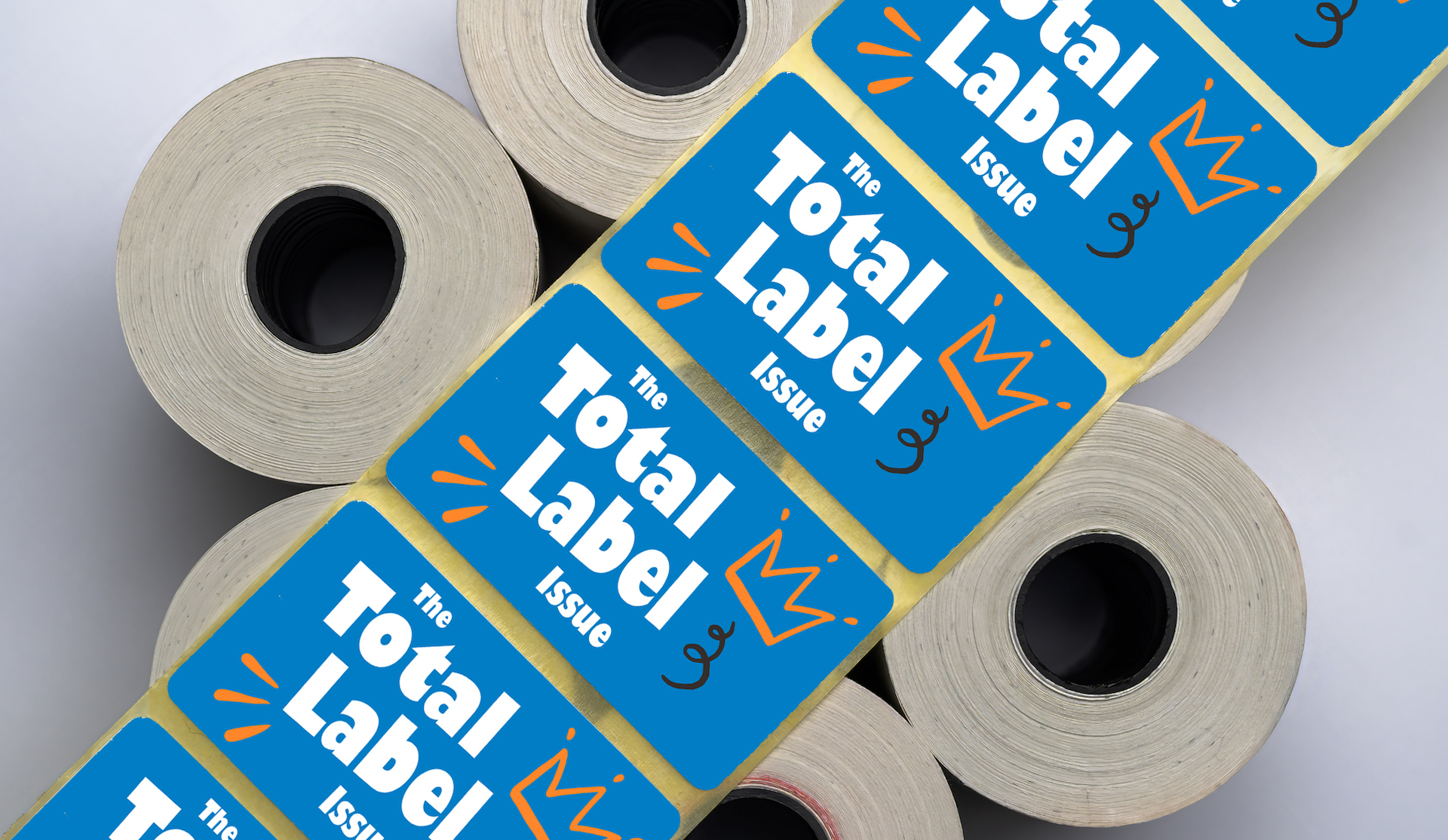
The Total Label Issue

The Total Label Issue

This issue of the WhatTheyThink Quarterly is all about labels, which are seen as a high-growth part of commercial printing, driven by e-commerce, food/beverage demand, and regulations. The market has surpassed 1.2 trillion square meters of label production volume per year, and is moving toward high-mix, low-waste production rather than only high-volume throughput. While flexo is still used for high-volume label production, digital label printing often complements it—or in some cases replaces it. But labels are about more than printing technology. Read More
The Unified Platform for Packaging Manufacturing Excellence

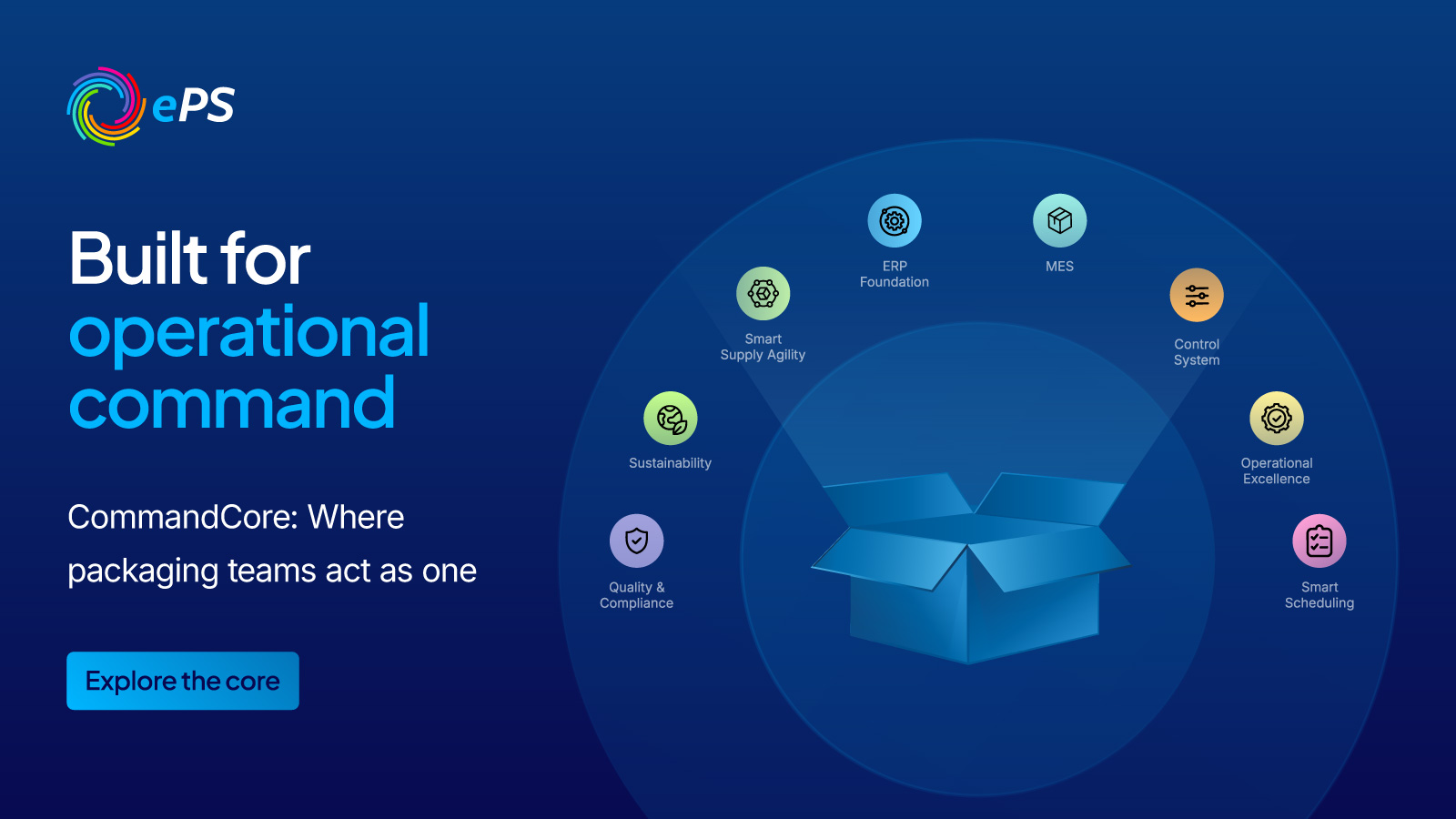
The Unified Platform for Packaging Manufacturing Excellence

Leverage 30+ years of plant-floor expertise. Trusted by 700+ packaging manufacturers globally to reduce waste, optimize scheduling, and drive digital transformation. One unified foundation. Eight packaging-native pillars. Zero fragmentation. Read More
Expand Your Opportunities with the Truepress JET 560HDX from SCREEN

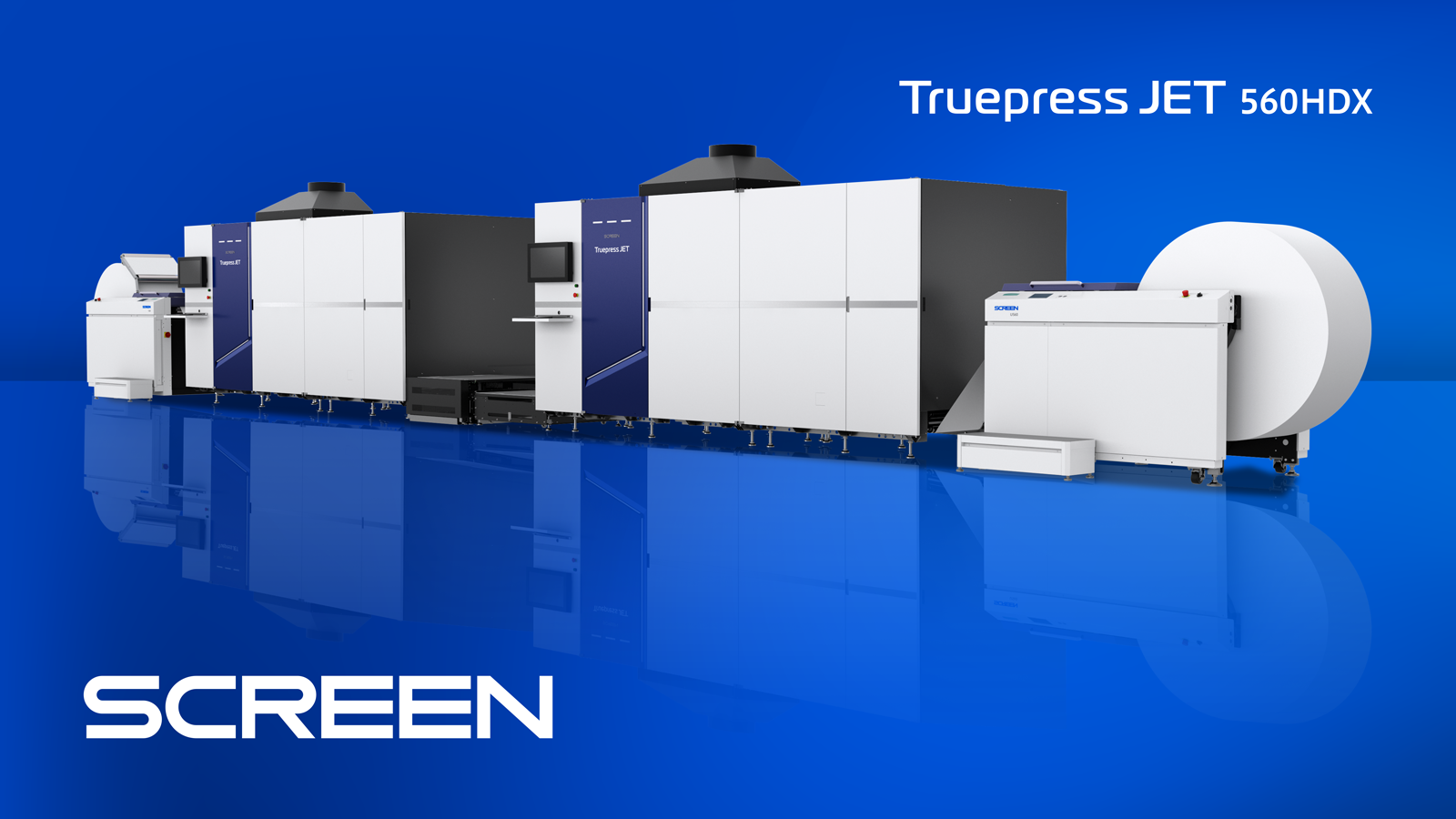
Expand Your Opportunities with the Truepress JET 560HDX from SCREEN

Commercial, direct mail, and publishing printers accustomed to producing jobs over several weeks can now print them in days with the SCREEN Truepress JET 560HDX. The press can accommodate 120 lb. coated or uncoated paper up to 560 mm wide. Read More

Around the Web: Of Water and Winners

Around the Web: Of Water and Winners

A sign-writer created the visual style of music festivals. The “2026 Milky Way Photographer of the Year” winners. AI appears to be catching on among the Amish. Sony has upgraded its wearable air conditioner. How to easily reuse produce bags. A complex digital water clock. A Nobel Prize–winning technology is able to extract water from dry air. Yes, it is possible to be allergic to water. Laser-induced graphene on Kevlar enables multifunctional structural composites. The “most desired” place in each of the 50 states. “The rise in plastic surgeons asked to create ‘AI face.’” K-pop band BTS has teamed with Oreo to release limited edition OREO x BTS Cookies. Welcome to WhatTheyThink’s weekly miscellany. Read More
Graphic Arts Employment in April Down Overall—Substantially Among Non-Production

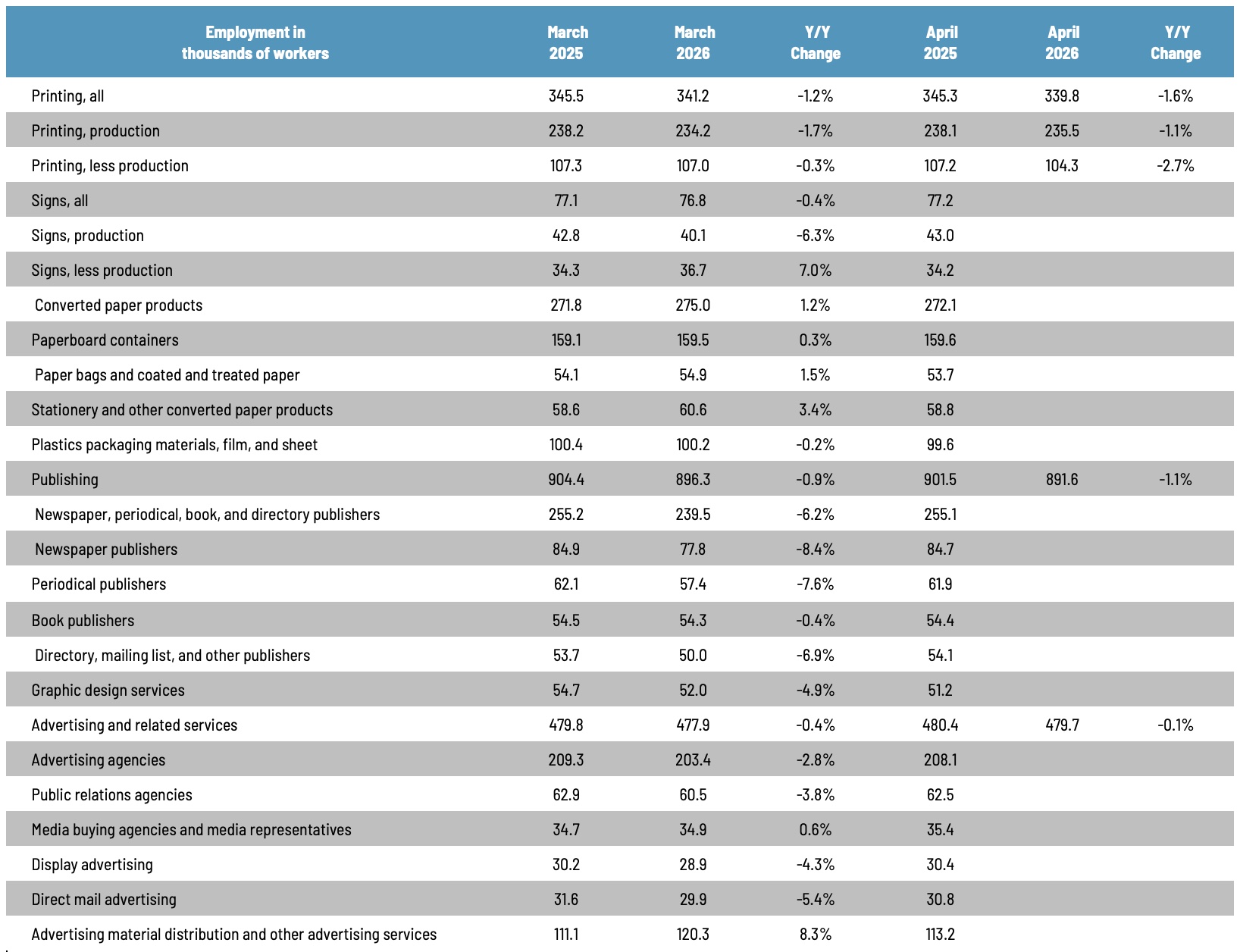
Graphic Arts Employment in April Down Overall—Substantially Among Non-Production

April 2026 saw printing industry employment overall generally flat, down 0.4% from March. And while production employment was up 0.6%, non-production employment was down by 2.5%—basically the reverse of what we saw in March. Read More

Recent Printing Industry News

Wednesday, June 03, 2026