(Be sure to register for the complementary webinar “Direct-to-Object: A Challenge to Labels or A New Opportunity? Or Both?”)
Background
Today, most of the product and packaging decoration (i.e., labels and tags) that exists is handled through a supply chain that includes the CPG, a designer, then a label converter, and the final label or tag will ultimately make its way to the product manufacturing line. It is a well-established process that probably won’t disappear. However, it can and will be challenged by inline direct-to-object (DTO) printing solutions.
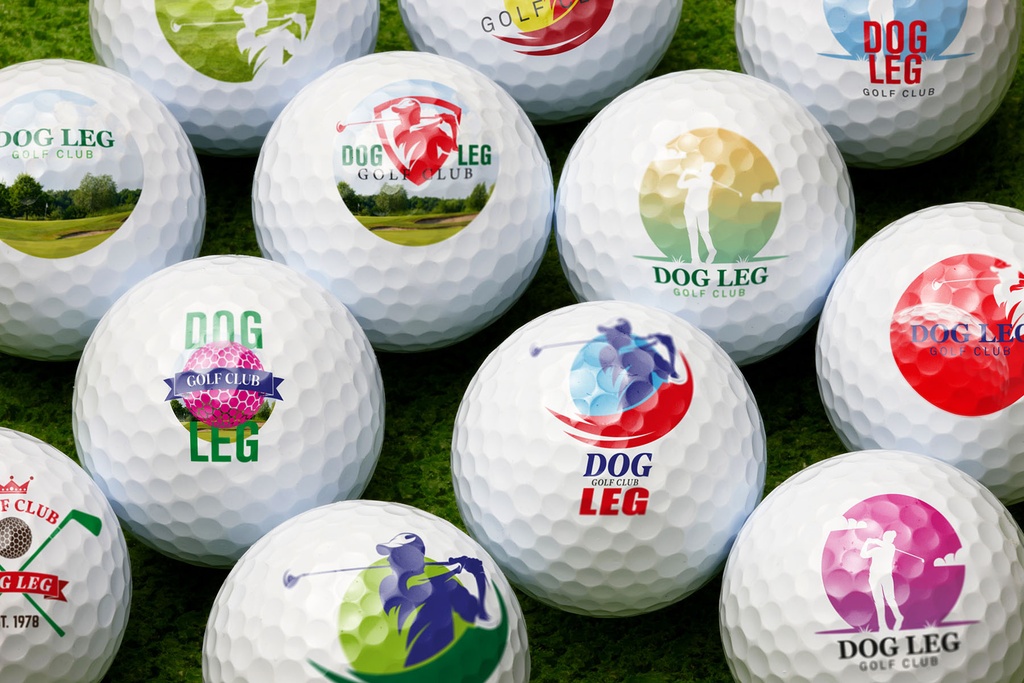
DTO is not new. It has been used for years to decorate all kinds of objects from dining ware, to golf balls, pins, industrial parts, bottles, and much more. DTO has been used to print on the surface of 3D items for decades, with some successful attempts, and some not so successful. In 2016, Heidelberg introduced the Omnifire, a direct-to-shape printer. However, they seem to have abandoned it, due to lack of market interest. Another example of a company with good technology that came too early to the market was Tonejet, which introduced Cyclone, a unique electrostatic drop-on-demand ink deposition technology for the on-demand printing of “necked beverage cans.” It was able to run at a speed of 60 cans per minute. They have since closed operations.
DTO Today
However, there are also some successful DTO technology companies, and as the technology evolves and market interest grows, suppliers are growing as well. Inkcups has been around since 2001, initially using pad printing technologies for DTO, and has since added inkjet technology solutions as well. Today, their wide range of solutions is used for drinkware, tote bags, apparel, and a variety of promotional items.
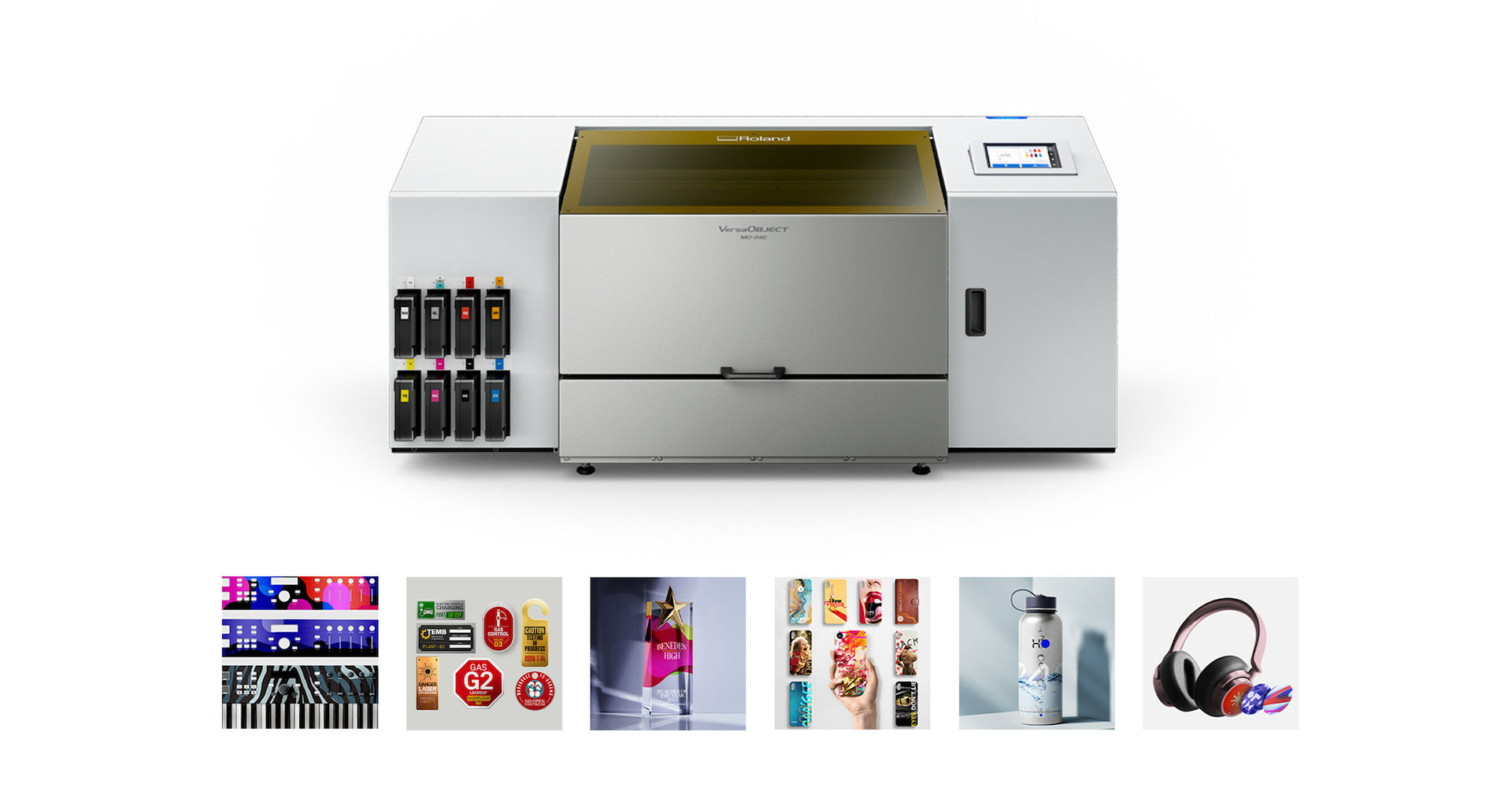
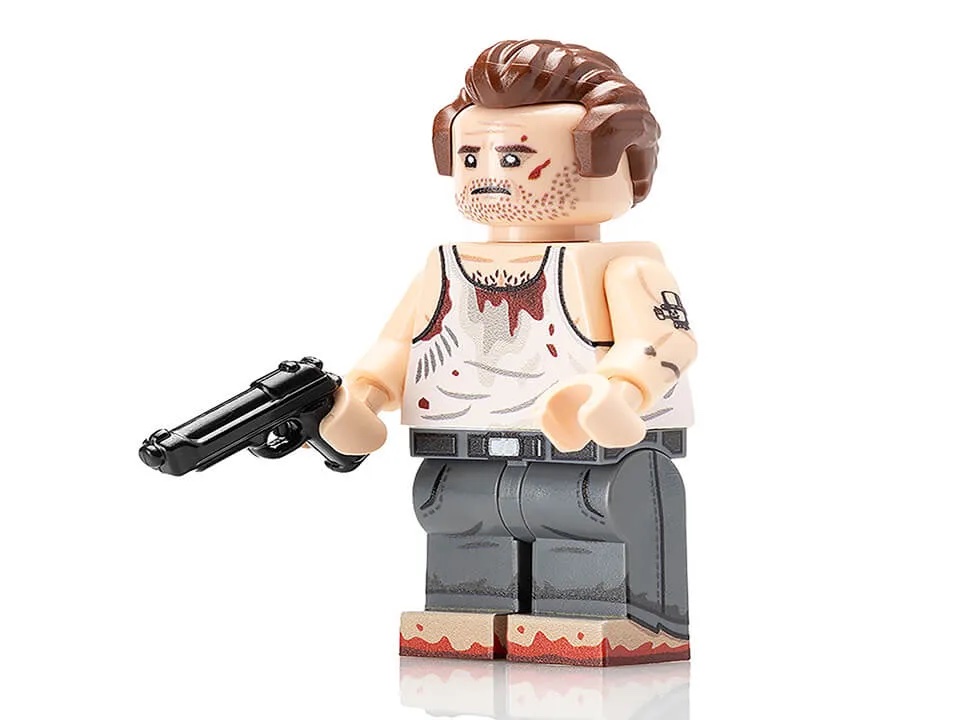
VersaOBJECT from Roland DG is a line of advanced UV DTO flatbed printers, which can print on a variety of products including golf balls, bottles, photo blocks, footwear, leather goods, and more. I was recently at the Lego store in NYC, and it was used to print customer-designed images on Lego objects on demand. Roland DG also offers the Peri Series by LSINC, a 1200dpi direct-to-cylinder UV print solution, designed to run personalized high-volume production, up to 19+ per minute.
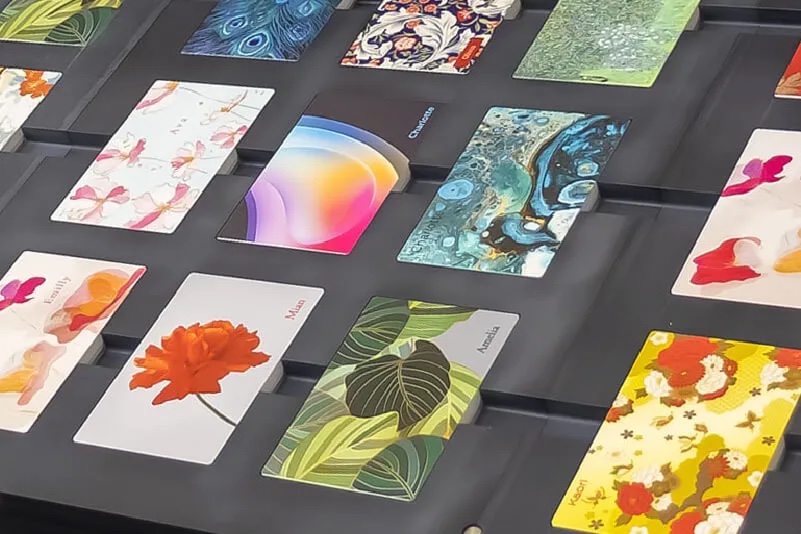
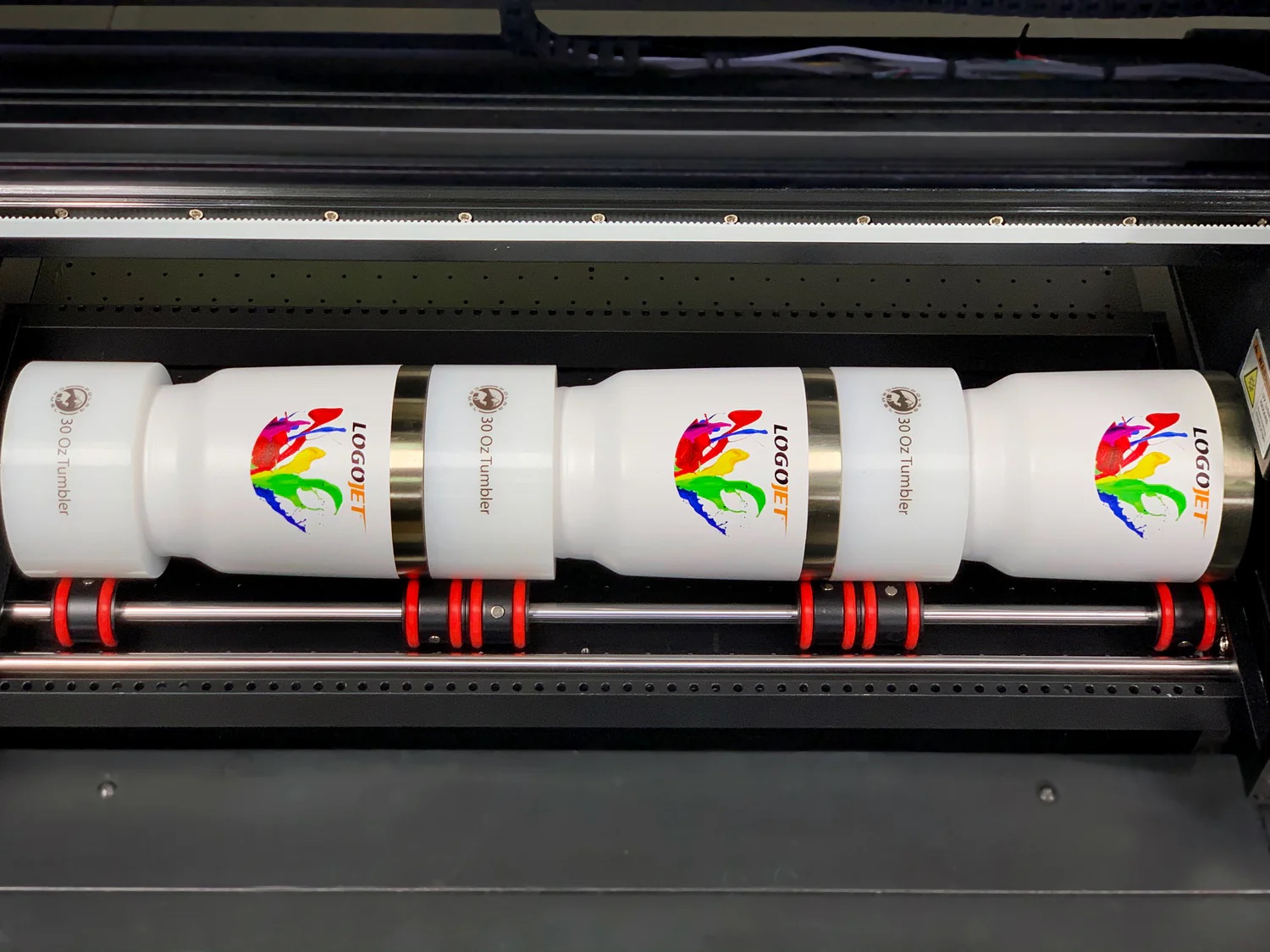
Ricoh has recently announced a strategic partnership with LogoJET to position DTO as an integrated layer within their existing production workflows backed by consulting, workflow design, and software integration support, revealing a meaningful shift for shops looking to bring higher-margin applications like promotional products, branded items, and signage components in-house without disrupting their current operations.
According to Garrett King, a senior product manager in Ricoh’s portfolio marketing group, “We have a comprehensive plan that we’re putting into place, or phasing it in. DTO is a market that’s been around for a while, but it’s burgeoning again, and it’s rapidly growing. For Ricoh, when we talk about something like the LogoJET partnership, what’s really pushing it is the growth in the end consumer wanting rapid on-demand personalization when it comes to object-based printing. Ricoh certainly wants to be provide our customer base, including print shops, inplants, and all of the other different types of print organization to give them the opportunity to expand their toolbox in the print services that they’re providing to their customer base.”
Flat objects are, and have been, fairly well-covered with much of the existing technologies. However, one of the calling cards of a strong DTO solution is adding the cylindrical print to a round object. In the past, that’s been fairly limited. You could print on very small section of YETI tumbler, for example, but now you can print on the full 360 degrees of an object—but then it becomes more complicated. Now, you start looking at tapered objects that are round, everything from golf balls to drinkware.
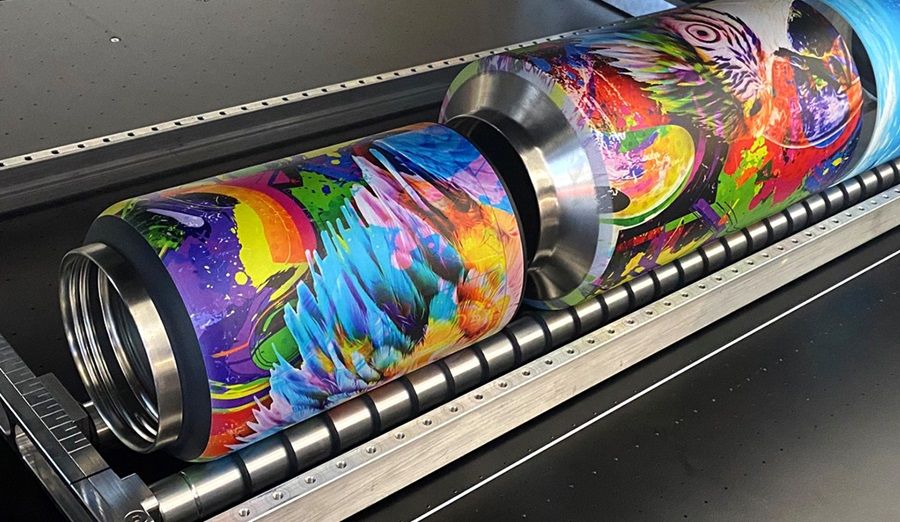
This also can begin to help address the shift in packaging and labeling in particular, similar to what traditional printers did not very long ago when they moved from offset to digital. That’s where the solutions that can print on beer cans and other types of cylindrical print come into play. “We’ll have a customer journey for DTO solutions, just like we do many of our other production print offerings, where we’ve got three to four shops along the journey, so that a customer can come in, figure out the market, and what works for them, and then as they grow and scale, and we can help them grow and scale with appropriate solutions that do that,” said Ricoh’s King. “So our goal and our strategy is to always ensure that we’re best aligned to what our customers’ needs are and where the market is telling us it needs to go or is going, and not necessarily being late to the dance. We also want to be too early and get too far out in front of our skis, and then the market just kind of veers off and goes a complete, completely different direction, and we’re kind of left holding the bag.”
The Ricoh LogoJET relationship is cooperative and cohesive, starting with the fact that they are using Ricoh printhead solutions. “As we looked at what they were doing with our printheads, the equipment that they were putting into the market, and discussed how we align and service our customers, the synergies just kept getting better,” King continued. “At that point we stopped and said, LogoJET is the right company for us to work with at our direct-to-object strategy.”
Obviously there are many different sizes and shapes of 3D objects, and one of the great things about LogoJET is it offers machines with multiple jigs, so a single machine can address a wide variety of DTO needs. According to Buddy Riebel, the National Director of Sales for industrial print, large-format, and advanced finishing within Ricoh USA, “DTO is not just about consumer product offerings, it also has an important role in industrial decoration and tagging. Manufacturing and aerospace are two very interesting areas where it’s less about the promotional aspect of it, and it’s more about supporting the manufacturing process, including identification, tagging, etc. In addition to direct object cylindrical items, the LogoJET solution has already produced pieces that go into the manufacturing of components for aerospace and IT security perspective like ID badges, asset tags, like an application that we’ve seen where hard drives are being tagged for specific reasons.”
More customers, more inplants, more print centers, and more print-for-pay customers want to expand into DTO. “What’s making it really unique and successful for our customers is how we’re wrapping those trainings and professional services around it,” said Riebel. “We are going to deliver the services that they need from us in order to do that. While the print technology solution is a huge part of that, it’s kind of a giant paperweight if we don’t teach people how to maximize it. In partnership with LogoJET, we have developed a really great advanced training program that we wrap around this equipment. It makes it a fully comprehensive direct to object solution for the customers.
“Over time,” he continued, “we will continue to look at what solutions we have, and what we need to do to bring to market solutions that will address those high volume output type of customer needs. But right now, the main focus is helping the largest majority of our customers understand and enter the direct to object market, with easily accessible and easy to adopt technology and then continue to build out our strategy over a period of time. What we do in phase one will help inform proper solution decisions in phases two and three and then potentially four after that.”
High Volume Inline Product Decoration
Inline product decoration refers to the process of applying, embossing, or printing designs directly onto a product or its packaging in the main production line rather than applying labels or decoration as a separate, manual step. This approach enhances efficiency, reduces costs, and could improve product branding, ultimately creating a higher-quality, consistent finish. Increasingly, CPGs are in the process of trying to make flexible pack out lines, the goal being to bypass stations or design routes for different products, and then start building redundancy. For a CPG, surviving the changing markets could require that they need to change the label or decoration, for another type of product or promotion they need to run, on the fly.
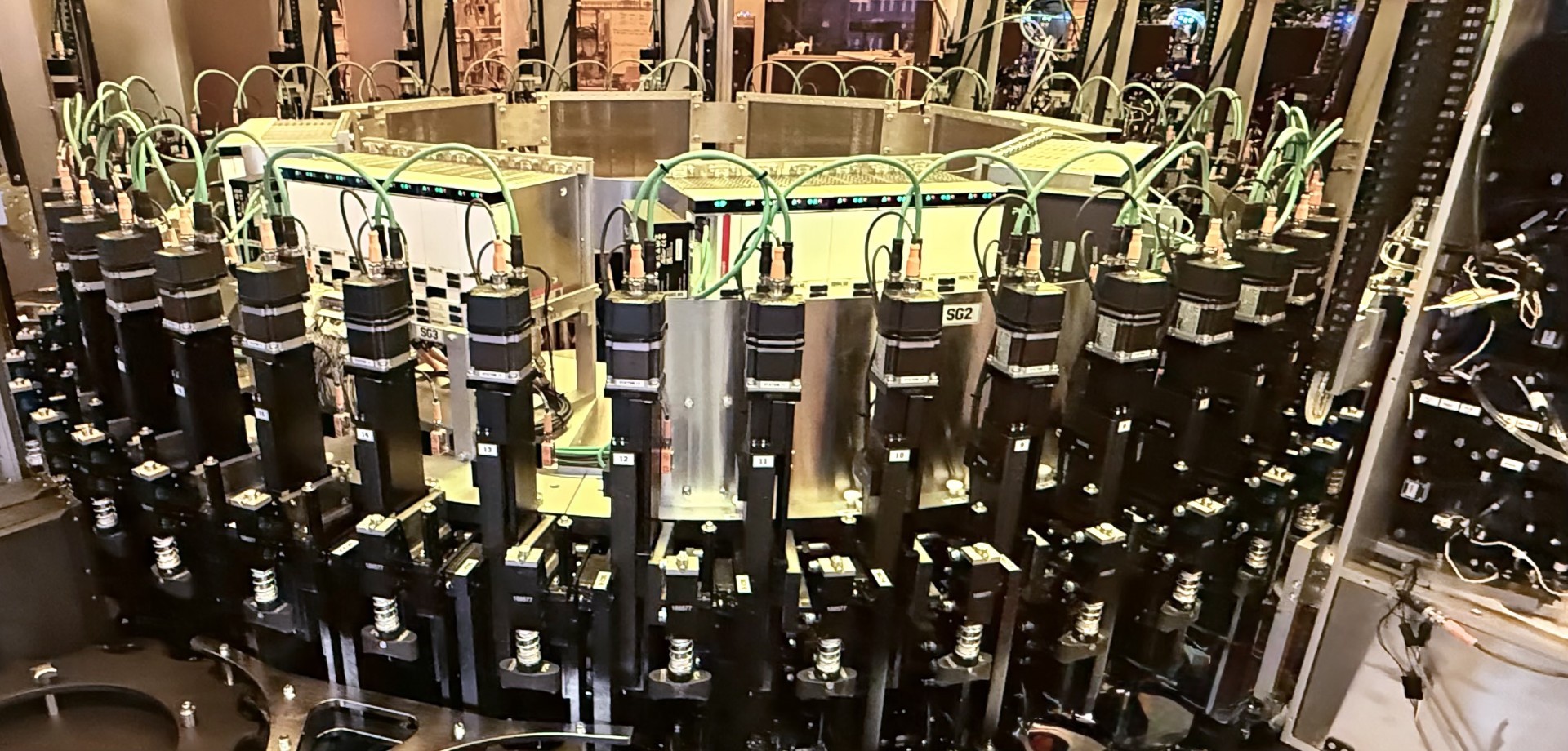
This is an area that Norwalt Engineering has been developing and implementing. So for a product decorator for a CPG manufacturing line, you plug the module into the production line running the product, and as it is running you prepare a second which may support a different shape while the other one is running. Then when ready, swap it out. They have patented a module that can print on rounded objects at 600 units a minute using oscillation, and their customers are looking to double that speed.
DTO Offers Opportunities
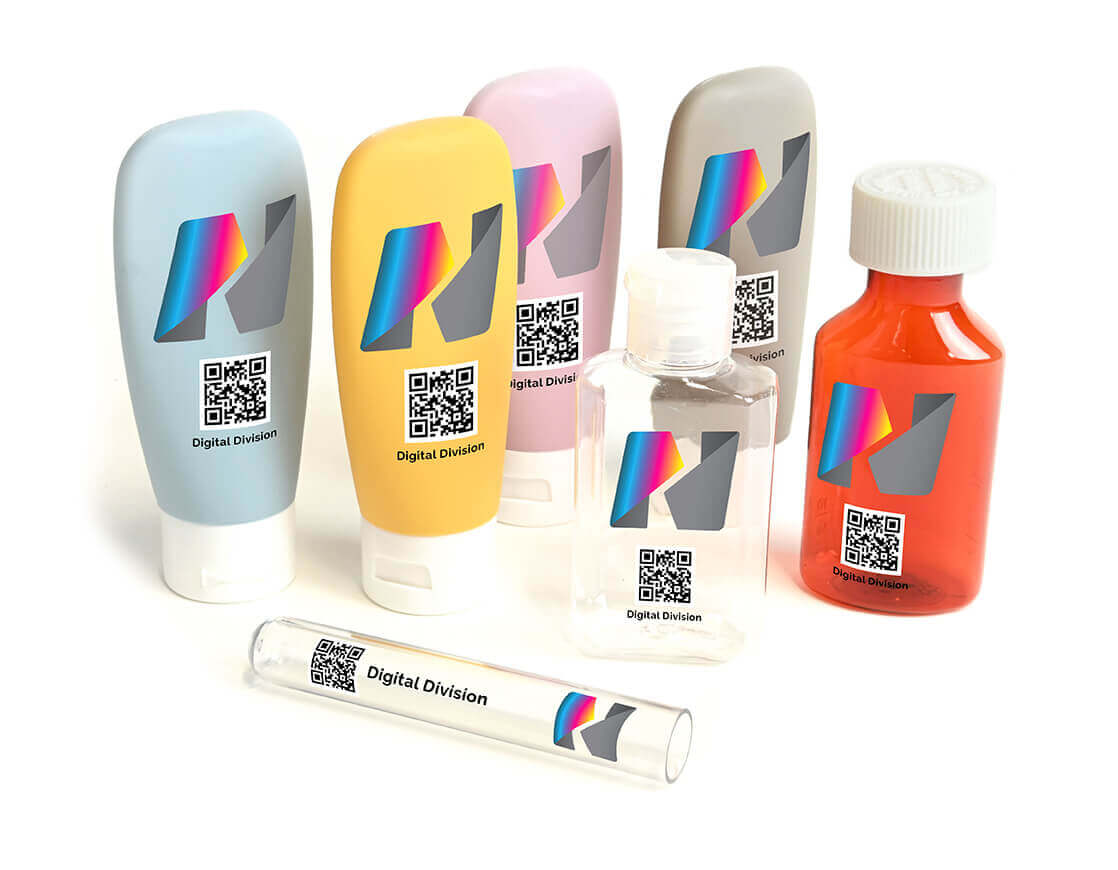
Print is a very adaptive technology and DTO is another area where it can offer new opportunities for PSPs and product manufacturers. As it continues to evolve, no matter what the changing demands are, your ability to adjust to a new product is minimized as much as possible. These types of adaptive machinery are increasingly the focus of companies like Inkcups, ISIMAT and Norwalt engineering and system manufacturing.
Will it eliminate the need for printed labels, tags, etc.? Of course not, but it will undoubtedly challenge the existing models and offer new possibilities.