Premium Commentary & Analysis
Canva just redrew the creative landscape again, and this time, it’s aimed squarely at professionals. By merging its 2024 Affinity acquisition into a free, full-featured design suite that plugs directly into Canva’s collaborative ecosystem, the company has built an end-to-end environment for creating, approving, and delivering content across every channel, including print. For designers and print providers alike, this shift isn’t just another software update; it’s a fundamental change in how creative work is produced, shared, and delivered, bringing both unprecedented opportunity and new production challenges in the months ahead.
Wednesday, March 18, 2026
Continue reading your article
with a WhatTheyThink membership.
Less than $4/week.
Get unlimited access to in-depth commentary and analysis covering the latest trends, emerging technologies, operational strategies, and key events across every segment of today's printing industry.
Stay informed. Stay competitive. Stay ahead.Pat is a well-known evangelist for inkjet productivity. At McGrew Group, she uses her decades technical and marketing experience to lead the industry toward optimized business processes and production workflows. She has helped companies to define their five-year plans, audited workflow processes, and developed sales team interventions and education programs. Pat is the Co-Author of 8 industry books, editor of A Guide to the Electronic Document Body of Knowledge, and a regular contributor to Inkjet Insight and WhatTheyThink.com. Ryan McAbee is Chief Analyst at Pixel Dot Consulting LLC.

10 Things PSPs Should Consider Before Adopting Robotics: What You Need to Know to Begin the Journey
Why Highly Targeted Communications Make Digital Print Essential to Modern Marketing
Wide Format in 2026: How Technology Is Reshaping Competitive Advantage

The productivity promises of robotics and AI sound almost too good to be true, and yet somewhere between the trade show demos and your actual production lines, there’s a gap that nobody seems to want to address, but understanding it is the single most important thing you can do right now to position your operation for success over the next decade. Pat McGrew and Ryan McAbee talk about the J-Curve. Read More

The smartest operations have stopped thinking about labels as print jobs. Today, they treat them as enterprise data problems. Pat McGrew and Ryan McAbee explain. Read More

There’s a phrase that has echoed through prepress departments for decades: garbage in, garbage out. The same principle now applies to AI adoption across your entire operation, and most print service providers are missing it. Read More
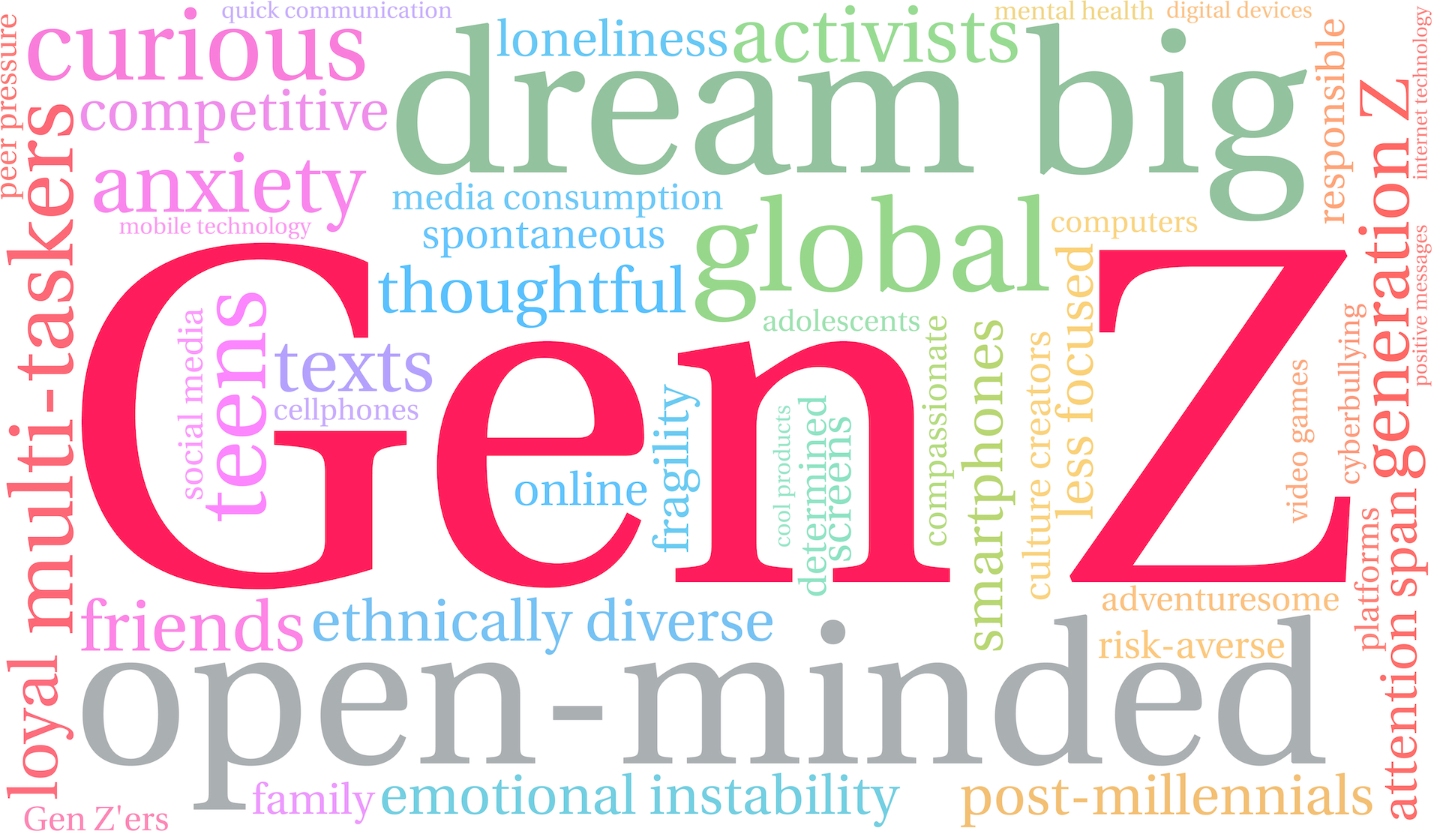
Too often, conversations about Gen Z center on what they lack: experience, patience, or deep technical understanding of legacy systems. That framing misses the opportunity. Gen Z represents the industry’s best chance to rebuild institutional knowledge, modernize workflows, and redefine print as a technology-driven manufacturing career. Doing so requires a shift in how companies recruit, onboard, develop, and retain talent. Read More

Employers in every business segment have been told to expect something extraordinary from Generation Z—they are digital natives, born with a device in their hand, tech savvy from day one, intuitively fluent in software, platforms, and tools that previous generations had to learn the hard way. Core software skills were assumed rather than taught. Today, that assumption is unraveling. Read More